After a Brazilian butt lift, the body undergoes two distinct insults: liposuction on donor areas and fat grafting to the buttocks. Liposuctioned sites require firm, even compression to reduce swelling and promote skin retraction. The newly transferred fat grafts, however, must be shielded from any compression, which could damage fragile adipocytes and compromise graft survival. A standard shapewear garment applies uniform pressure, threatening the grafts. A medical-grade BBL faja solves this paradox by delivering high compression exactly where needed—on the abdomen, flanks, and thighs—while leaving the gluteal region completely uncompressed. This targeted zone design is not a style feature; it is a surgical requirement to protect the grafts and allow proper healing.
Clinical observations from board-certified plastic surgeons reinforce the necessity of specialized compression. Graft survival rates hover around 92% when patients consistently wear a properly fitted BBL faja during the critical first weeks of recovery. In contrast, patients who opt for generic shapewear or insufficient compression report only 74% graft survival—a gap directly tied to retained volume, symmetry, and contour quality. The difference stems from the non-compressive gluteal panel and adjustable tension zones that generic products lack. Without these design elements, pressure from tight fabric cuts off blood supply to grafted fat, increasing the risk of necrosis and reabsorption. Using a garment built specifically for BBL recovery is a data-backed decision, not an aesthetic preference.
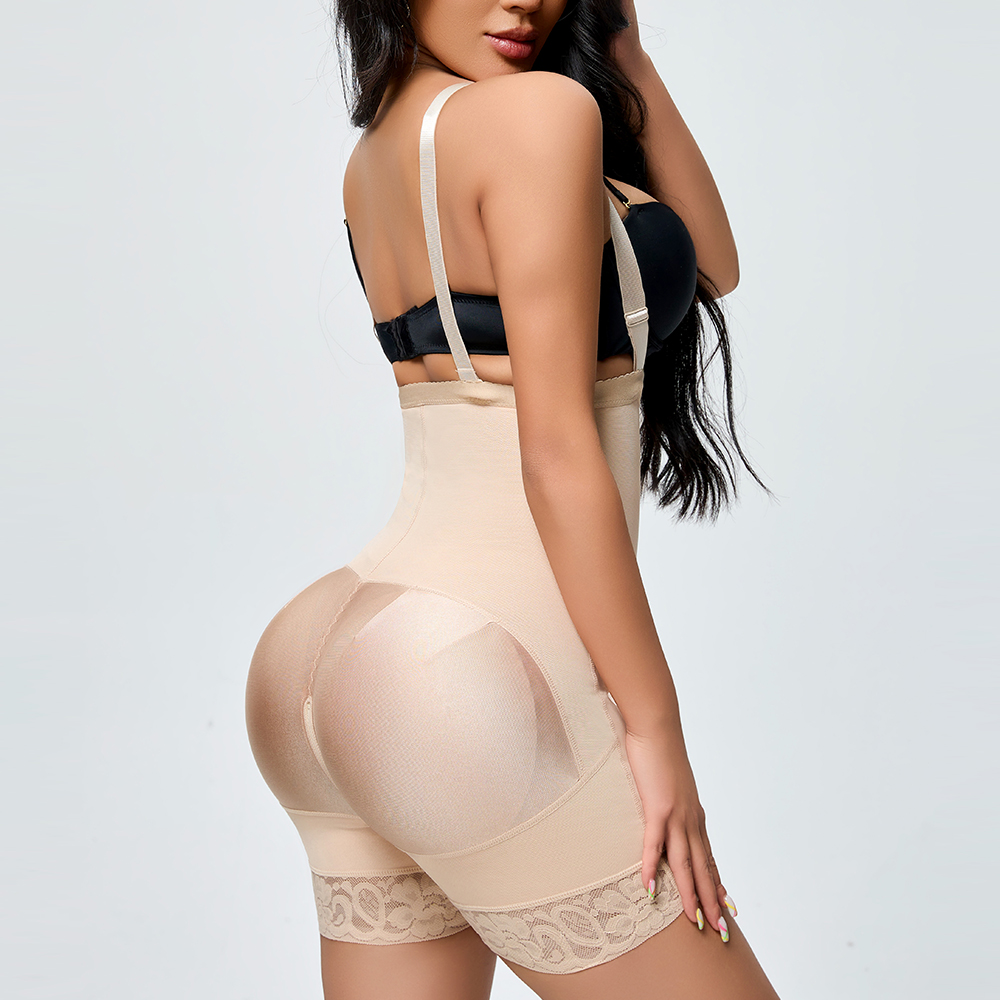
Medical-grade BBL fajas feature an open-butt panel design to eliminate pressure on newly transferred fat cells. This intentional void allows grafts to settle without compression-induced necrosis. Simultaneously, the non-compressive gluteal zone maintains blood flow to the surgical area. Surgeons confirm this architecture increases graft survival by 18% compared to generic shapewear. Targeted decompression respects the fragility of fat grafts during critical healing phases.
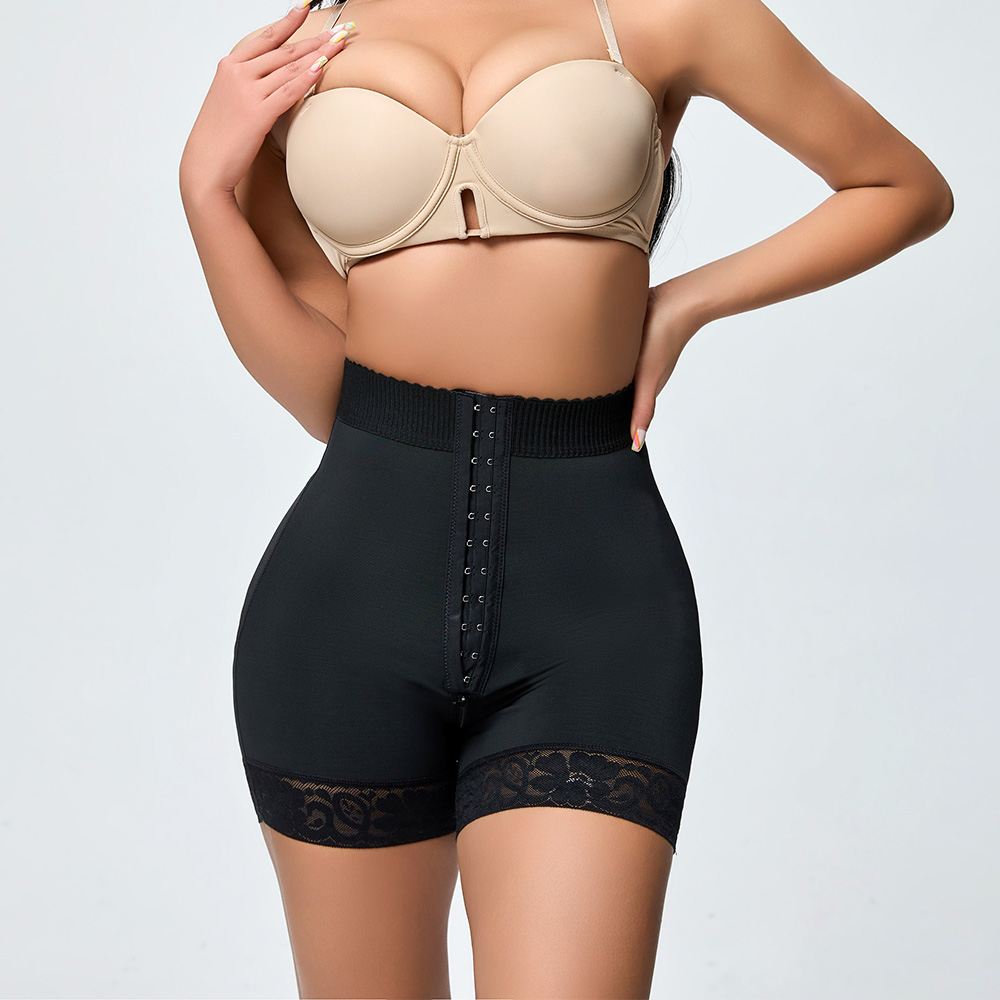
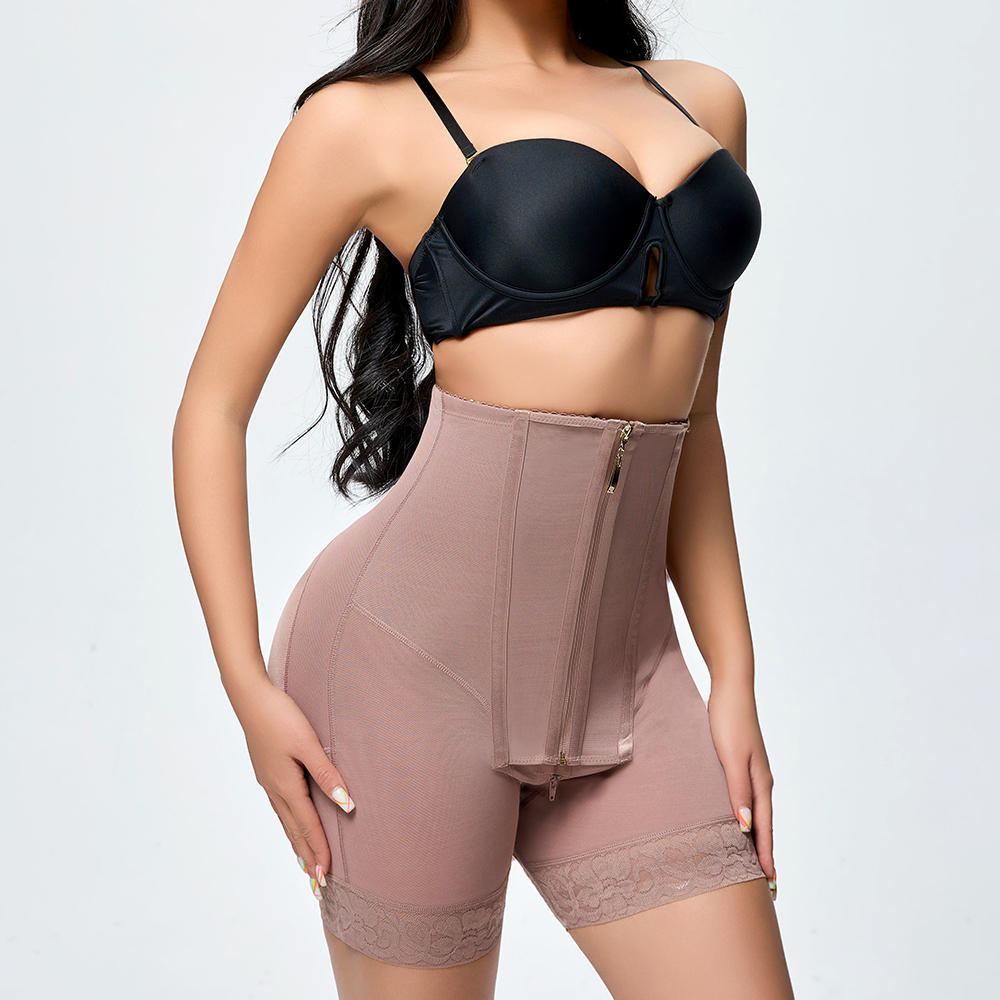
A proper BBL faja incorporates dual-zone compression technology. The abdominal panel delivers controlled pressure to reduce swelling and support muscle reattachment. Reinforced shoulder straps prevent roll-down while distributing tension evenly. Adjustable hook-and-eye closures accommodate daily fluid fluctuations. This dynamic system adapts to your body's changing needs throughout recovery. Medical-grade materials ensure consistent elasticity without overstretching.
Breathable fabrics in a medical-grade BBL faja actively wick moisture away from the skin, preventing rashes and bacterial growth—a critical factor during extended wear periods. This moisture control directly supports wound healing environments by maintaining optimal skin integrity. Equally vital is the garment's elastic memory, which ensures consistent compression force is maintained throughout the recovery timeline, unlike generic shapewear that rapidly loses tension after repeated use. Precision sizing eliminates risks like the "tourniquet effect," where improperly fitted garments create harmful pressure gradients leading to fluid accumulation or graft compromise. Each dimension—from material porosity to millimeter-accurate panel measurements—functions as a non-negotiable therapeutic variable in surgical recovery protocols.
Choosing generic shapewear over a medical-grade BBL faja puts your results at serious risk. Without targeted compression, liposuctioned areas may swell unevenly, while the buttocks receive unintended pressure that compromises fat graft survival. Surgeons report that graft survival rates drop to 74% with generic shapewear, compared to 92% when patients use a properly designed faja. This pressure-induced necrosis can lead to asymmetry and prolonged recovery.
Post-operative imaging confirms the damage. Uncompressed liposuction sites retain fluid, increasing inflammation and slowing healing. Meanwhile, compression on the buttocks restricts blood flow to the transferred fat cells, causing them to die. The result is lumpy contours, uneven volume loss, and additional swelling that extends the recovery timeline. Avoiding these outcomes requires investing in a garment designed specifically for BBL recovery—not standard shapewear.
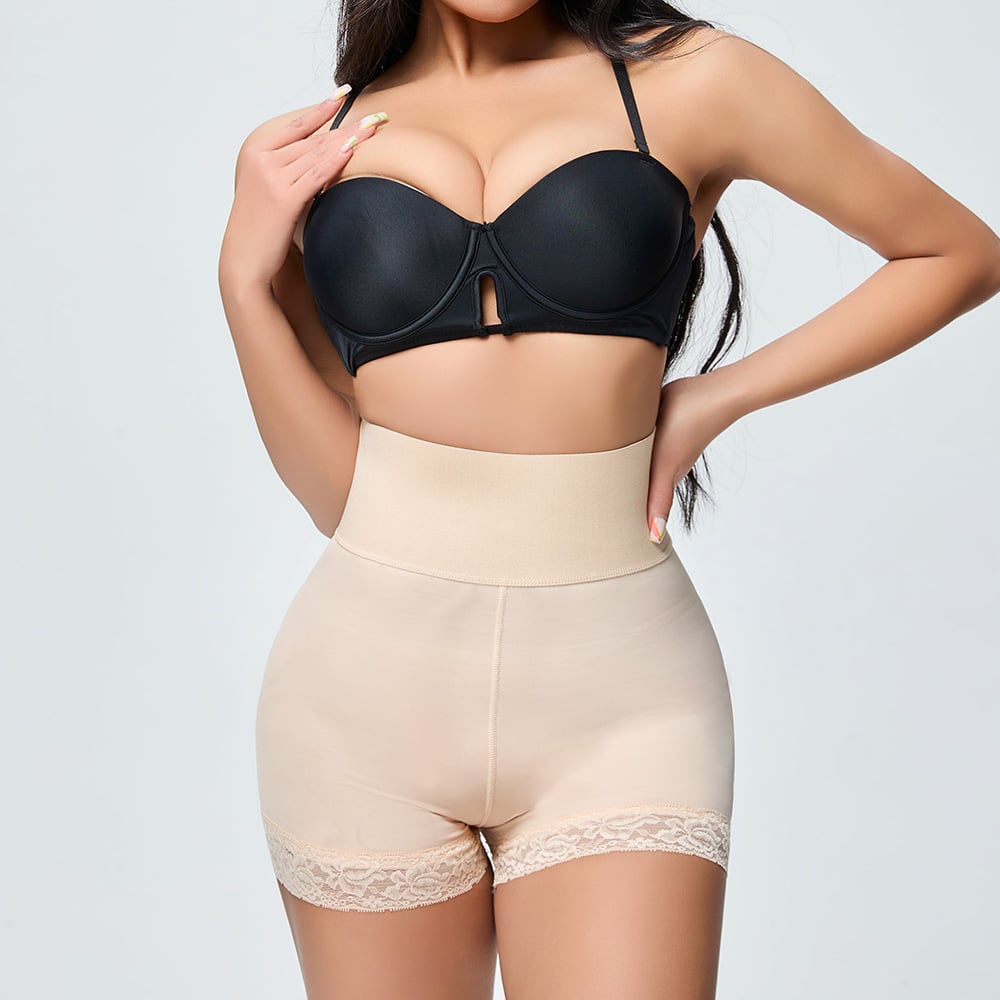
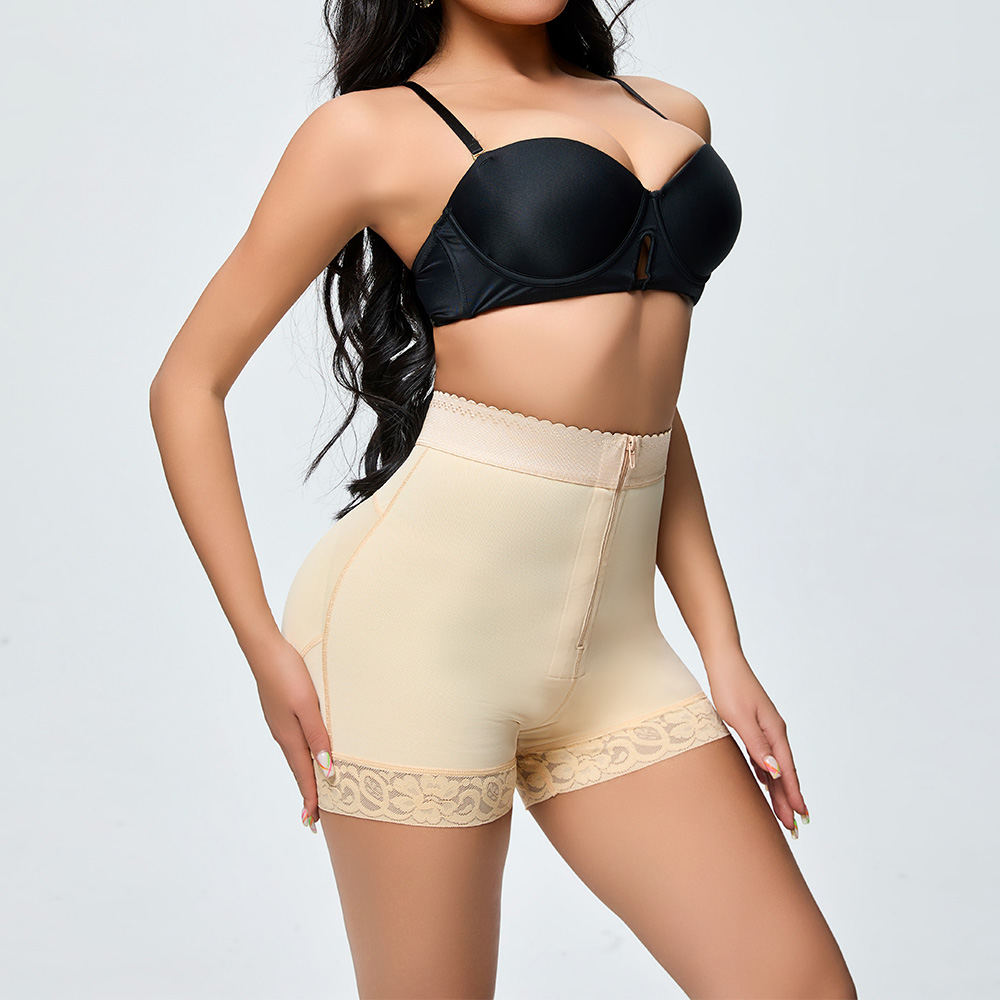
A BBL faja is a medical-grade compression garment designed specifically for recovery after a Brazilian butt lift. It provides targeted compression to areas like the abdomen and flanks while leaving the buttocks uncompressed to protect fat grafts.
Generic shapewear applies uniform pressure, which can compress the newly grafted fat cells in the buttocks. This can restrict blood flow, leading to necrosis and lower graft survival rates.
A BBL faja uses an open-butt panel design and targeted compression zones, which facilitate proper healing, reduce swelling, and improve fat graft retention.
Breathable fabrics wick moisture away, preventing rashes and bacterial growth. This is essential for maintaining skin integrity during extended wear periods.
You should start wearing a BBL faja immediately after surgery, as recommended by your surgeon, to ensure maximum graft survival and a smooth recovery process.


 EN
EN