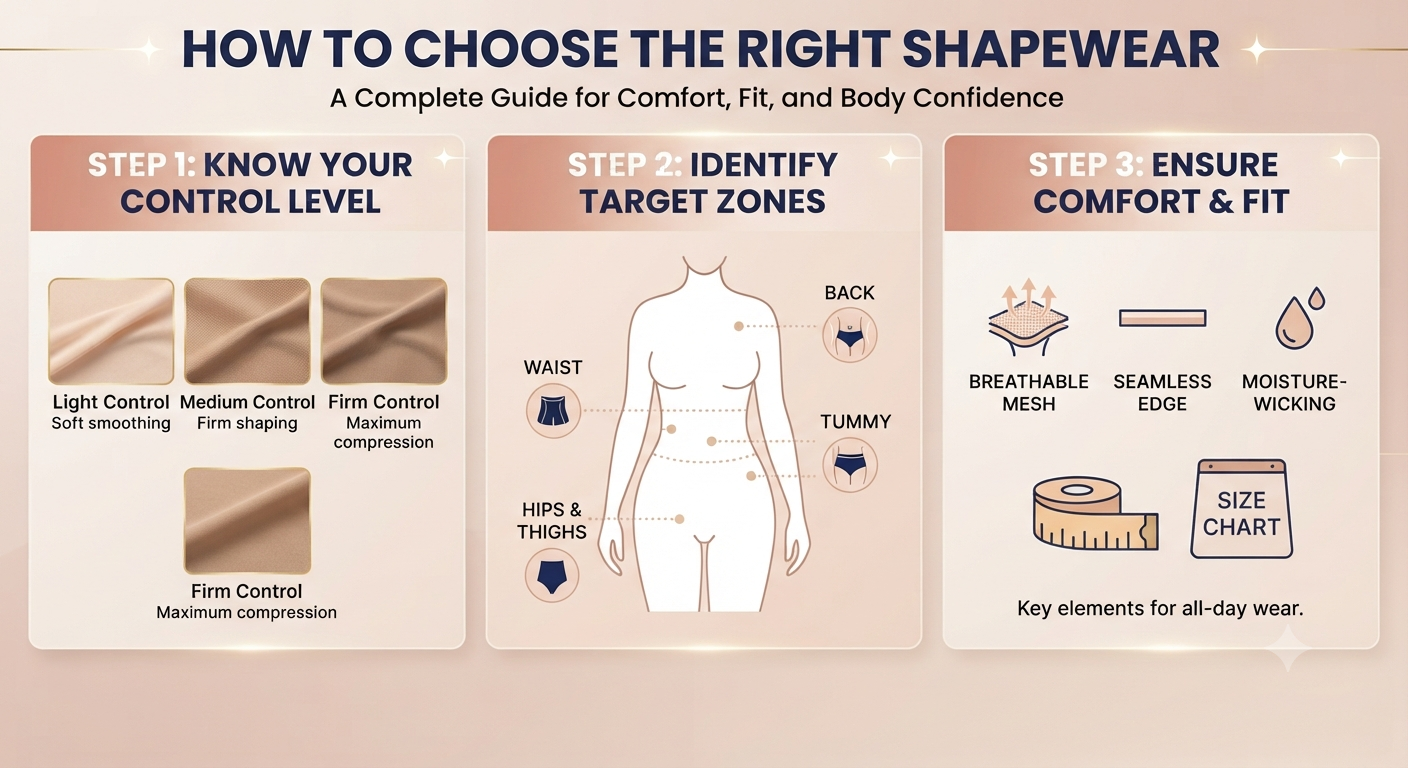
Shapewear has become one of the fastest-growing categories in the global fashion and apparel market. From everyday body smoothing solutions to advanced compression garments, modern shapewear helps consumers create a more confident silhouette while maintaining comfort and flexibility.
However, many misconceptions still surround shapewear. Some people believe it is uncomfortable, only suitable for special occasions, or designed to completely change the body's natural shape. In reality, advances in fabric technology and garment engineering have transformed shapewear into a practical lifestyle product.
This guide explores the most common shapewear myths and explains the facts behind modern body shaping solutions.
One of the biggest misconceptions is that shapewear must feel extremely tight or restrictive. Older generations of shaping garments often focused only on strong compression, but today's products use advanced materials and ergonomic designs.
Modern shapewear features:
These improvements allow users to wear shapewear for longer periods while maintaining freedom of movement.
For wholesale buyers, comfortable shapewear has become a key selling point because consumers increasingly prioritize both appearance and daily usability.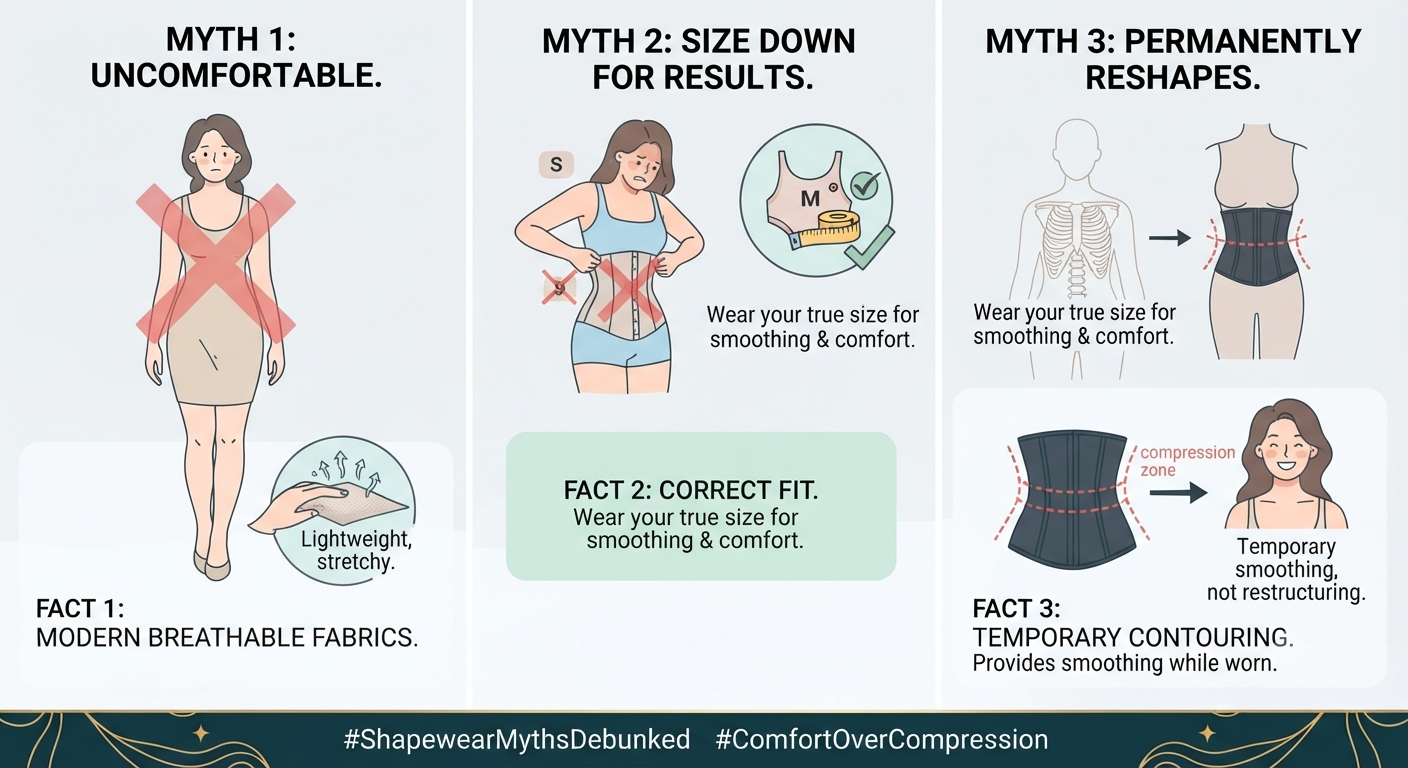
Shapewear works by applying controlled compression to help smooth and support specific areas of the body, including:
It helps clothing fit better and creates a streamlined appearance, but it does not permanently reshape the body.
The main benefits include:
Understanding this difference helps customers choose products with realistic expectations.
Many customers assume that maximum compression provides the best shaping effect. However, excessive compression may reduce comfort and limit daily wear.
Different compression levels serve different purposes:
Suitable for:
Suitable for:
Suitable for:
Choosing the correct compression level creates a better balance between shaping performance and comfort.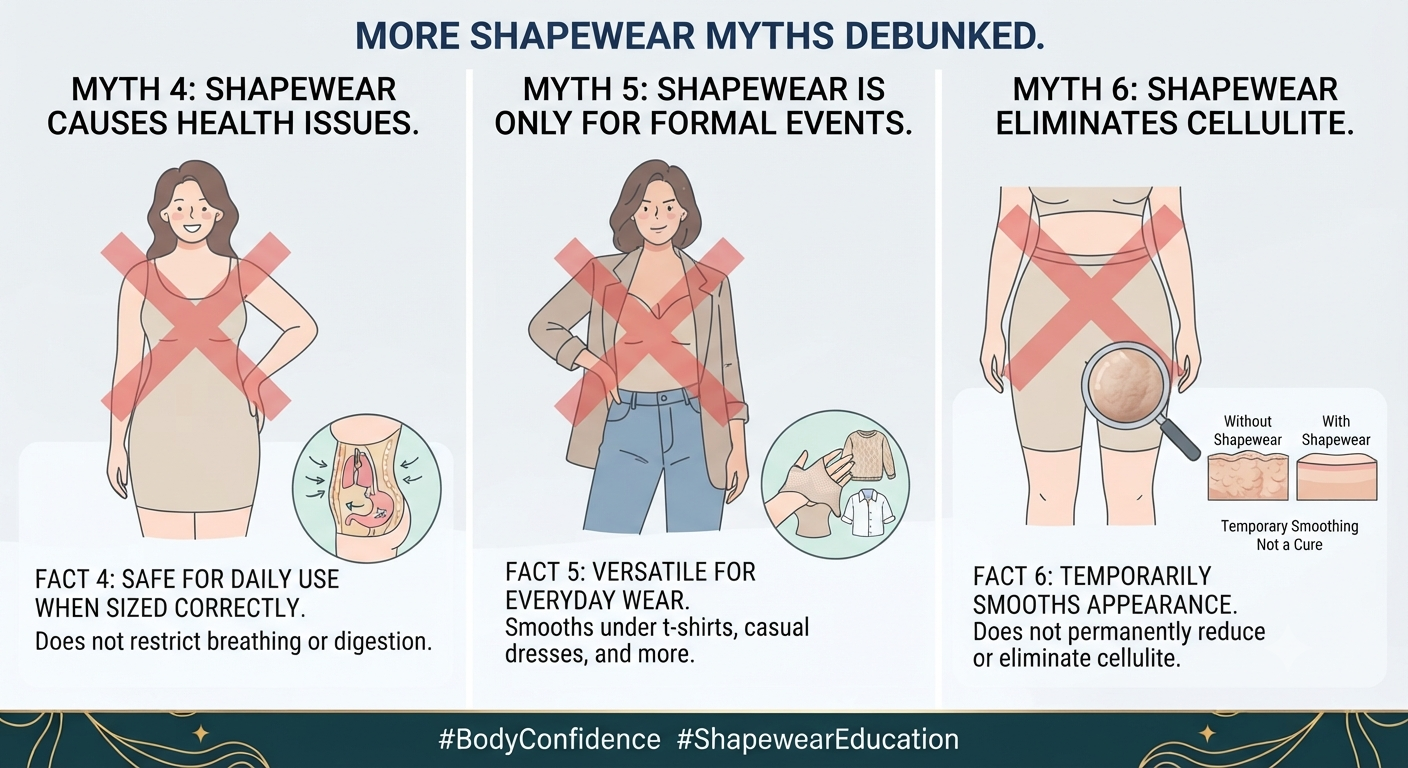
Modern shapewear brands focus on inclusivity by offering:
Today's consumers are looking for products that support their natural body shape rather than hide it.
For retailers and distributors, offering diverse sizing options can help reach a broader customer base.
While shapewear was traditionally associated with weddings, parties, and formal occasions, modern designs are suitable for daily lifestyles.
Common uses include:
Lightweight and breathable materials allow consumers to integrate shapewear into their everyday wardrobe.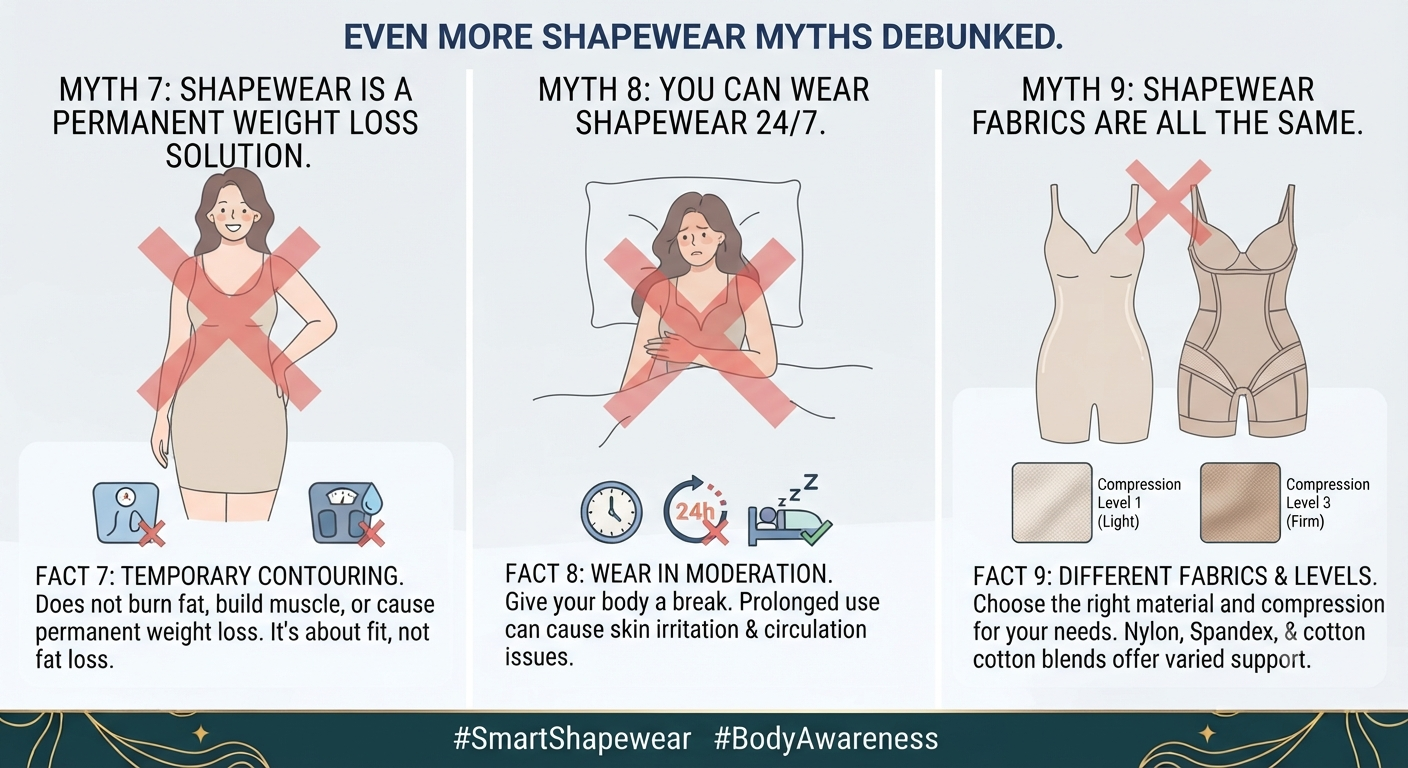
The effectiveness of shapewear depends on several factors:
Premium fabrics provide:
Advanced manufacturing techniques improve:
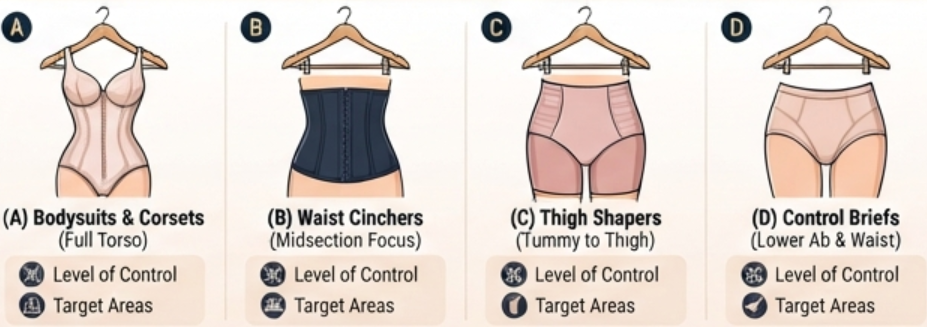
Different products target different areas:
High-quality shapewear delivers better performance and customer satisfaction.
For distributors, retailers, and private label brands, understanding shapewear technology helps make better purchasing decisions.
Important factors include:
With growing demand for comfortable and functional apparel, shapewear continues to provide strong business opportunities in global markets.
The future of shapewear will focus on combining technology, comfort, and sustainability.
Key trends include:
As consumers seek clothing that improves confidence and comfort, innovative shapewear products will continue to expand worldwide.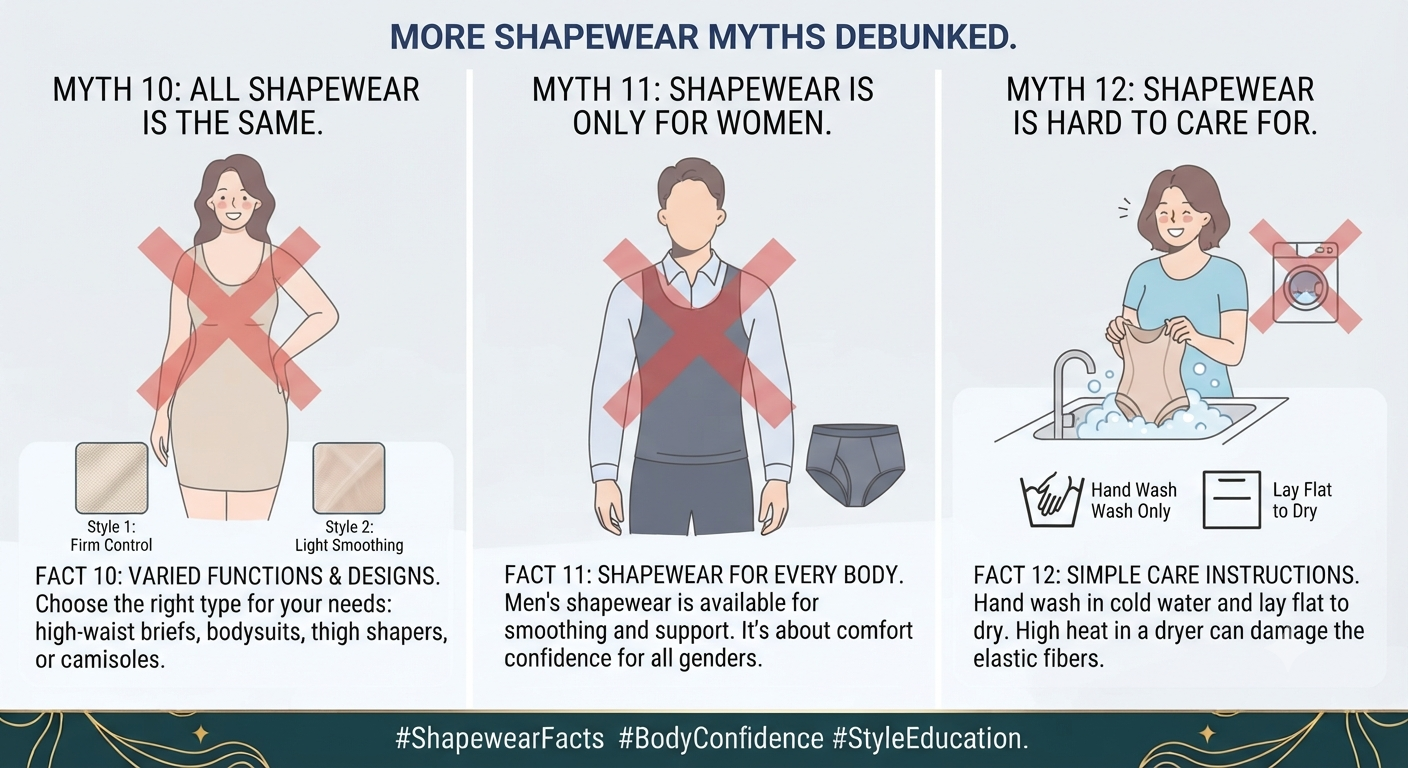
Shapewear is no longer simply a tight garment designed for occasional use. Modern shapewear combines scientific fabric technology, ergonomic design, and fashion trends to provide comfortable body contouring solutions for everyday life.
By understanding the facts behind common shapewear myths, consumers can make better choices, while brands and wholesale buyers can identify high-demand products that meet changing market expectations.

 EN
EN