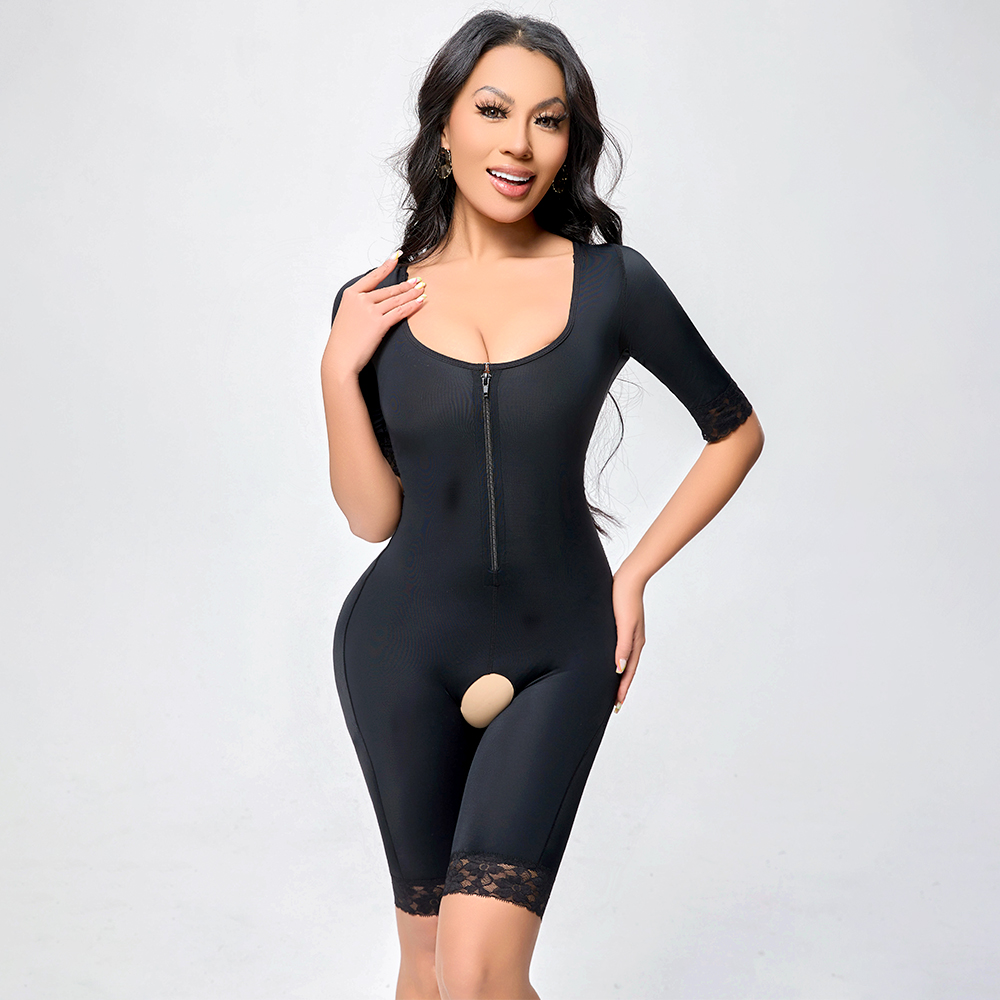
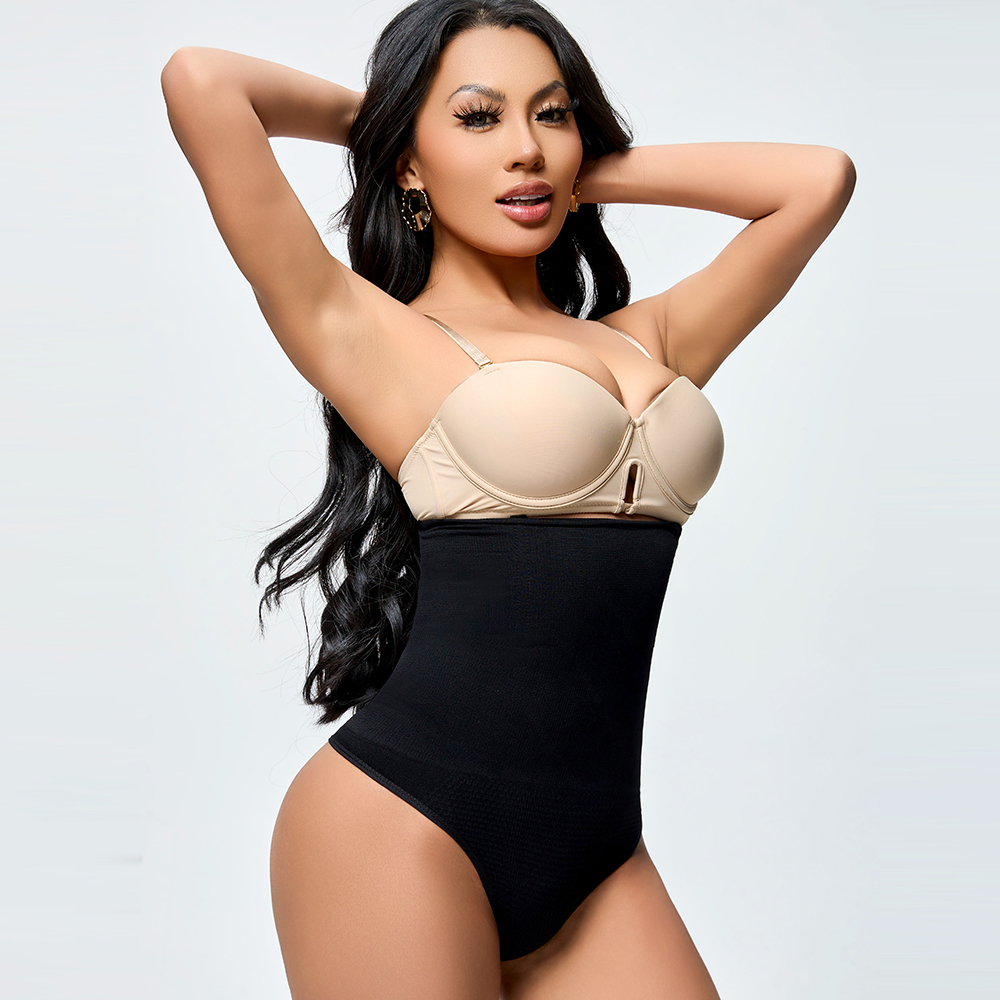
Bumbum lift shapewear delivers exceptional conversion potential through three powerful market dynamics. Surging consumer demand—propelled by social media aesthetics and body confidence movements—drives consistent purchase intent, with 68% of shapewear buyers prioritizing butt-enhancing designs according to 2023 apparel trend reports. This category commands premium pricing power, with average order values 25–40% higher than basic shapewear due to specialized technical construction and perceived value. Critically, repeat purchase rates exceed industry averages; customers typically rebuy within 90 days as they seek complementary colors or upgraded designs after experiencing immediate visible results. For retailers, these factors combine to create a high-margin opportunity with lower customer acquisition costs compared to saturated apparel categories. The absence of complex sizing certifications or seasonal obsolescence further streamlines inventory management, enabling rapid scalability across both DTC and marketplace channels.
To stand out in a crowded market, retailers must understand the technical differences that separate average shapewear from high-conversion products. Two core design elements determine how well a garment delivers on its promise of lift and comfort.
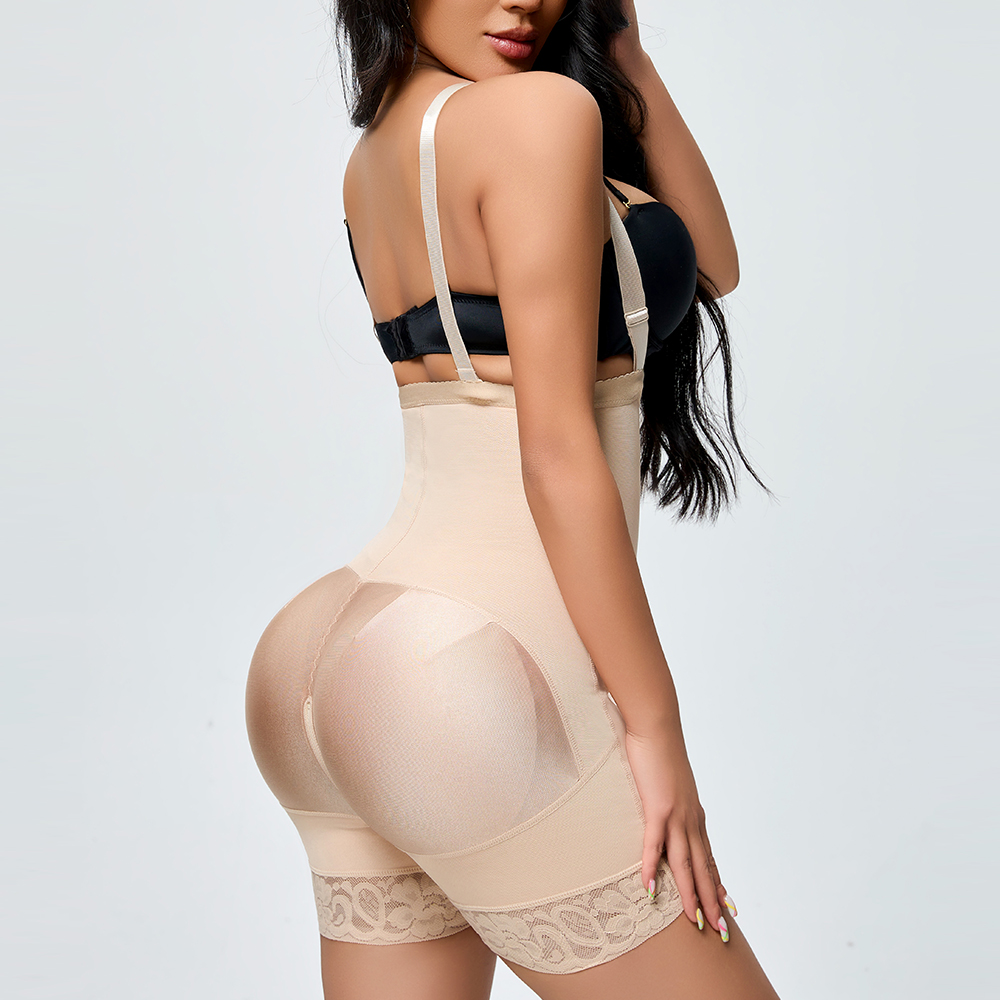
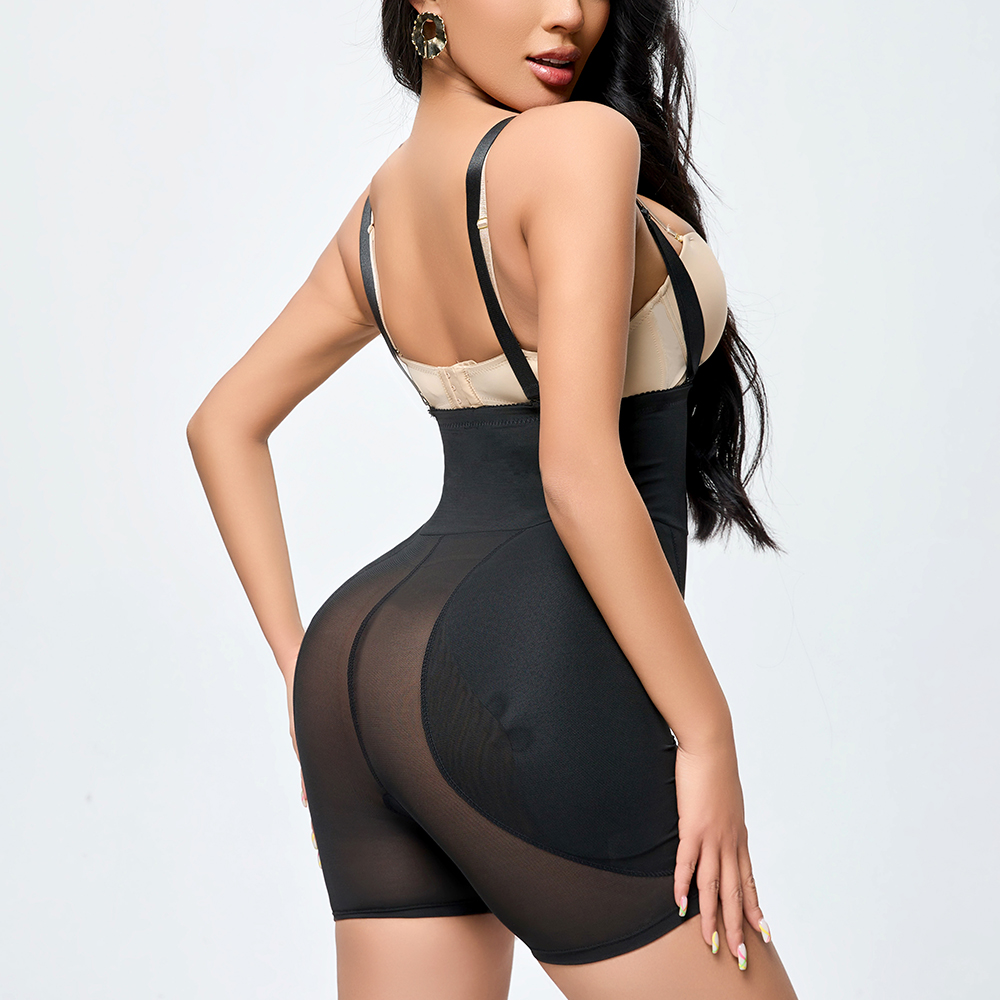
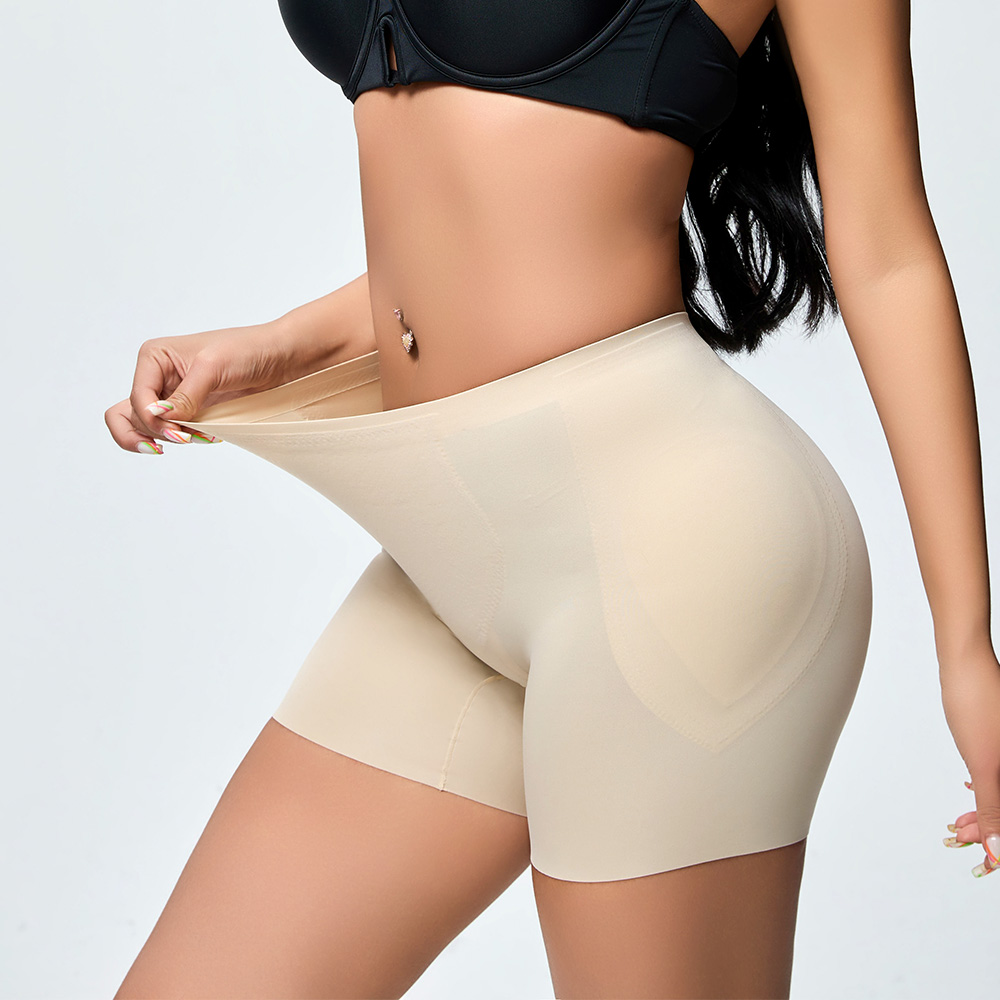
Compression mapping uses a single gradient of pressure across the entire garment, compressing everything equally. In contrast, zoned panel design employs different fabric tensions and structural seams to compress the abdomen and thighs while leaving the glute area free. This creates a natural “shelf” effect—the reinforced waistband supports the lower back, allowing the buttocks to sit forward and upward without being flattened. The result is a visible, rounded lift that looks like it comes from the wearer’s own body. Products with zoned panels reduce returns because they achieve the desired silhouette without discomfort or bulk.
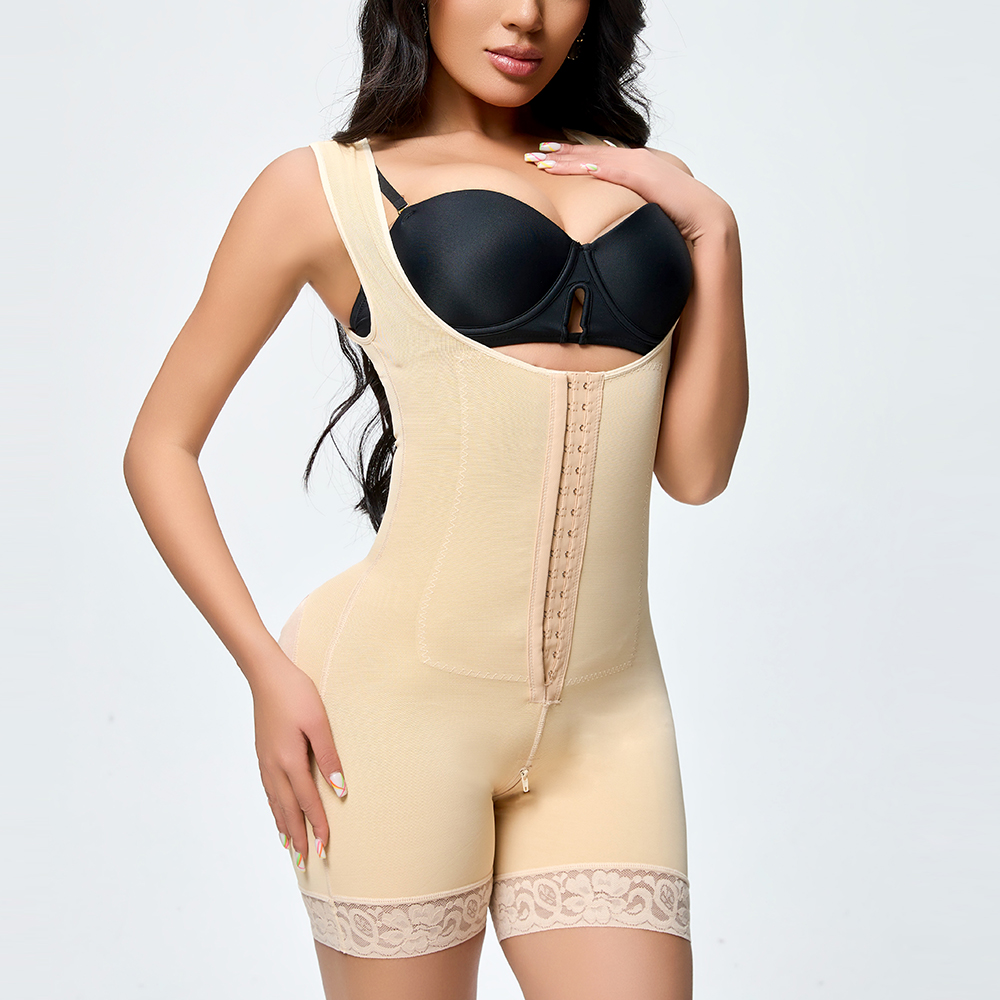
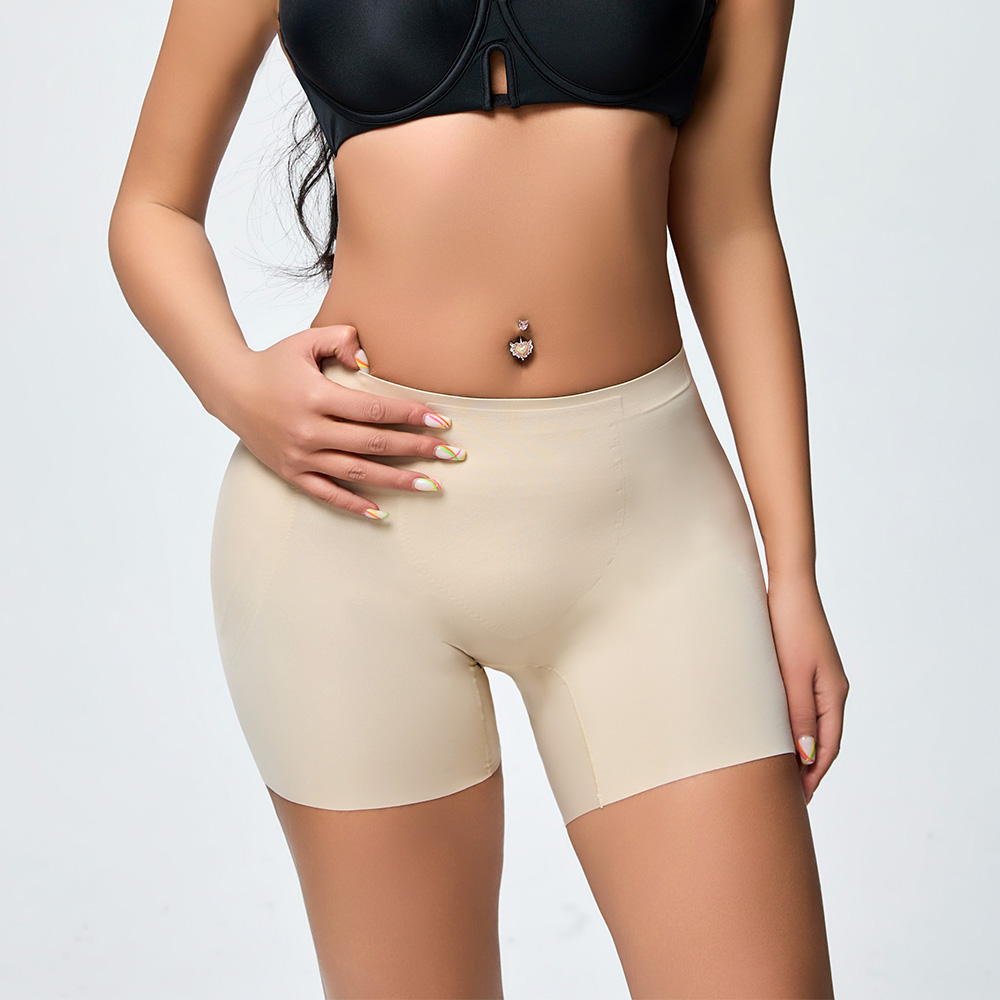
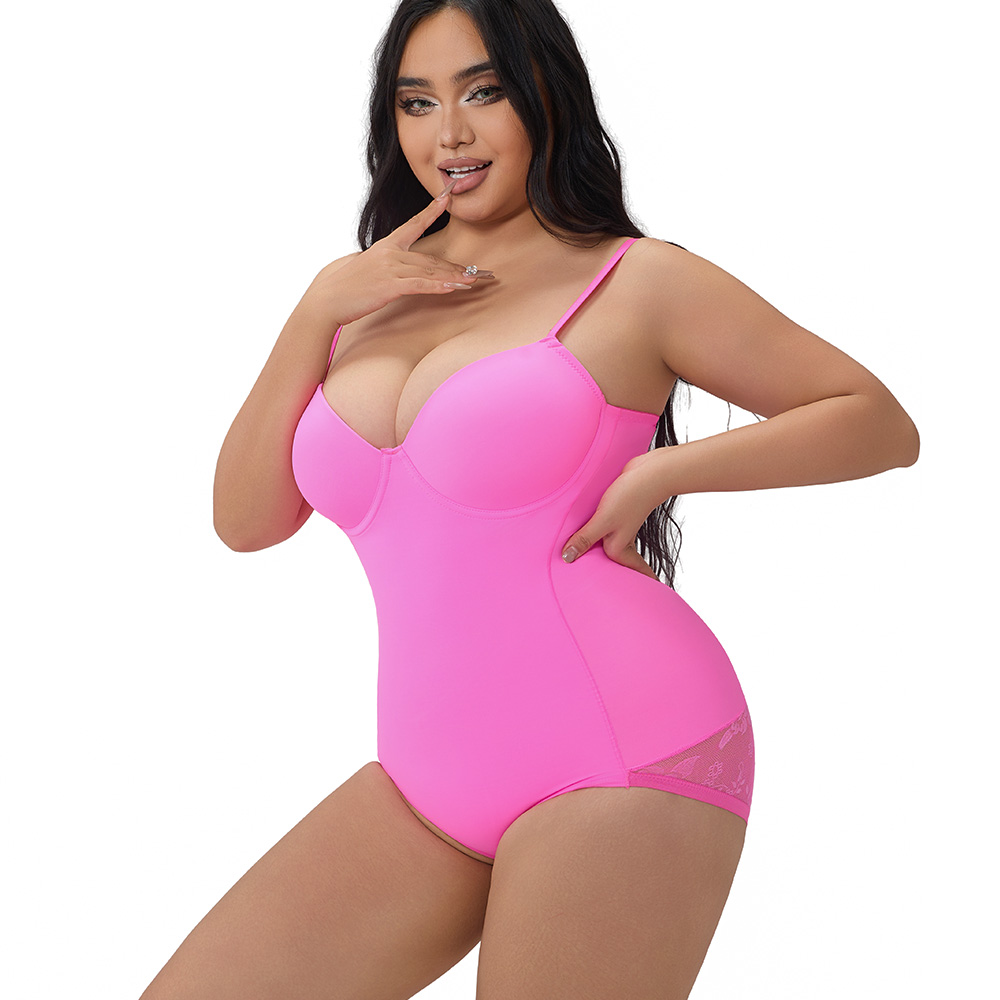
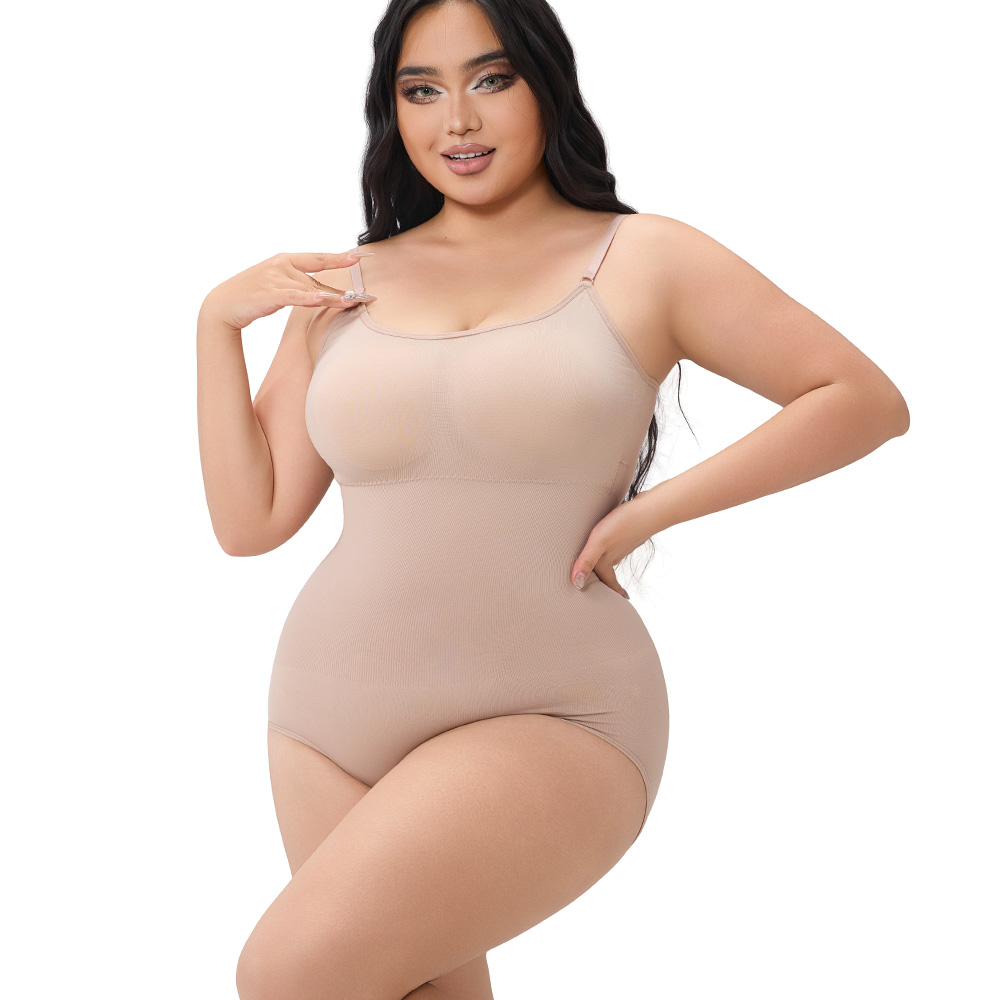
Bodysuit systems provide full torso coverage, which improves stay-put performance under dresses and jumpsuits. However, they can feel restrictive during long wear. Brief-based systems—such as high-waist panty styles—offer easier bathroom access and greater breathability. They rely on a thick elastic waistband to anchor the lift, while an open-seat design leaves the glutes exposed to rest naturally. This combination delivers better fit retention throughout the day. When choosing between them, consider your customer’s primary use case: bodysuits suit formal, short-duration events, while briefs work better for daily wear and movement.
Retail success for bumbum lift shapewear depends on deliberate execution in assortment and pricing. Retailers must align product variants with shopper expectations and position price points to reinforce quality without limiting access.
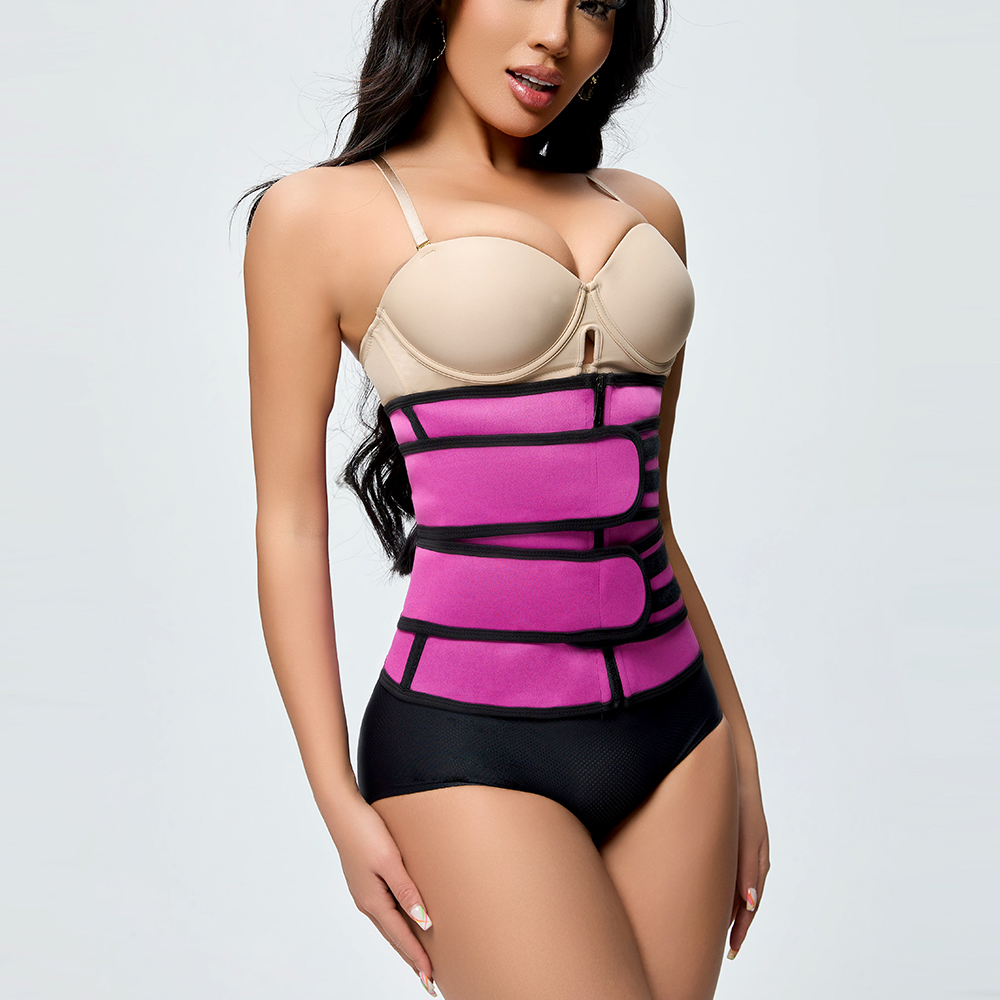
Offer a curated but flexible range of sizes—typically S through 3X or 4X—to capture the broadest fit demand without overloading inventory. Color selection should prioritize two to three core neutrals (black, nude, deep brown) for everyday wear, plus one seasonal or trend shade to drive impulse buys. For styles, focus on the top-selling silhouettes such as bodysuits and high-waist briefs, and limit fringe variants to avoid shelf clutter. This approach reduces choice paralysis while maintaining a perception of abundance, lifting conversion rates.
Set a suggested retail price that positions bumbum lift shapewear as a premium product—typically $40–$70—while leaving room for introductory offers or bundle deals. Anchor the core price around $55 to signal quality, then use a “try it now” tier (e.g., $38 for a starter brief) to lower the barrier for new buyers. Avoid deep discounts that erode brand value; instead, leverage limited-time bundles (e.g., “buy two, save 15%”) to increase average order value. This tiered structure preserves the high-end image while inviting trial and repeat purchase.
Despite rapid category growth, the bumbum lift shapewear market leaves several unmet needs. Men’s shapewear accounts for only 6.2% of the total market yet is the fastest-expanding segment, creating an opening for male-focused bumbum lift designs. Athletic performance versions that combine lift with moisture-wicking compression are also scarce. Size inclusivity beyond the standard XS–XL range remains underserved, as many brands still neglect extended sizing. Retailers who address these gaps can capture first-mover advantage in niche sub-segments before competition intensifies.
What is bumbum lift shapewear? Bumbum lift shapewear is a specialized category of garments designed to enhance the appearance of the buttocks by lifting and sculpting them for a natural, rounded shape.
How does zoned panel design differ from compression mapping? Zoned panel design targets specific areas with varying fabric tensions, creating a natural lift without compressing the buttocks, whereas compression mapping applies uniform pressure throughout the garment.
What are the advantages of bodysuits over brief-based systems? Bodysuits offer better stay-put performance for formal events, while brief-based systems are more comfortable for everyday wear due to easier bathroom access and greater breathability.
What pricing strategy works best for bumbum lift shapewear? A tiered pricing strategy—anchoring premium products around $55 with introductory offers or bundles—helps signal quality while encouraging trial and repeat purchases.
Are there unmet opportunities in the bumbum lift shapewear market? Yes, opportunities include men’s shapewear, athletic performance designs, and more inclusive sizing beyond the standard XS–XL range.

 EN
EN