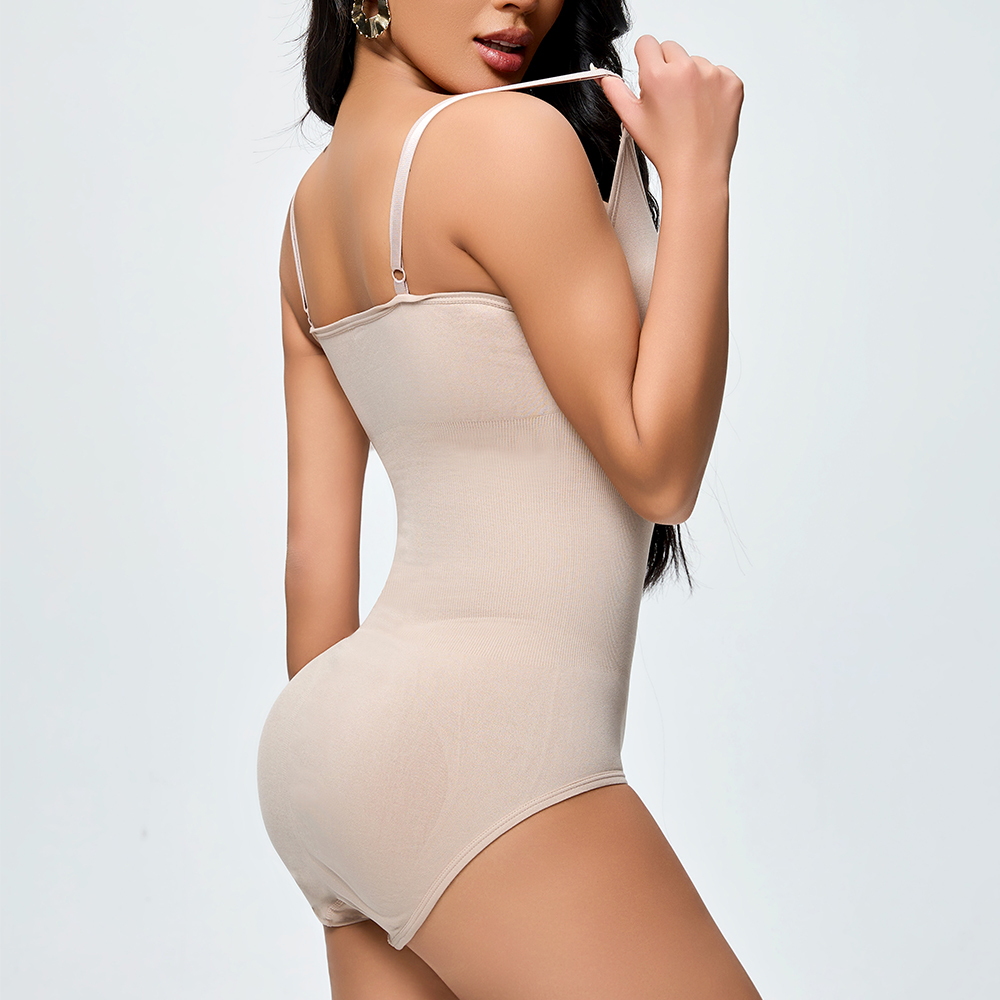
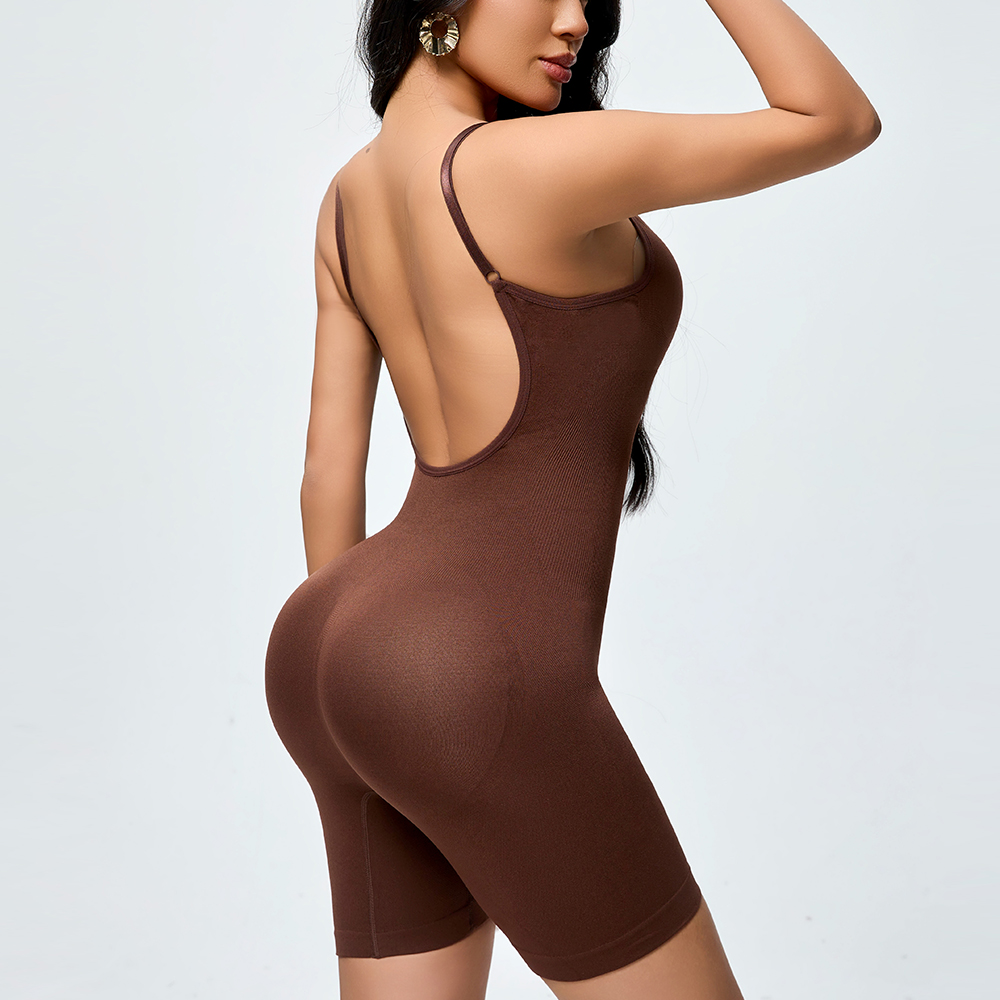
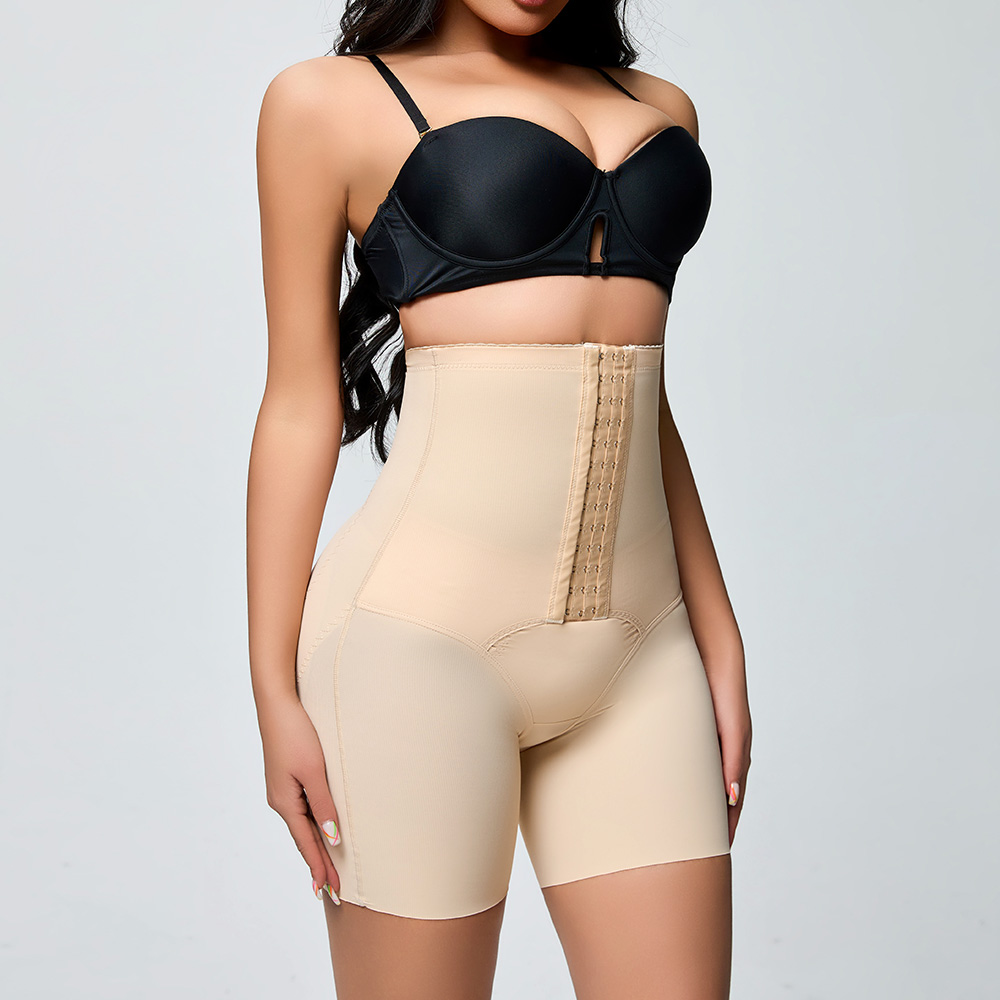
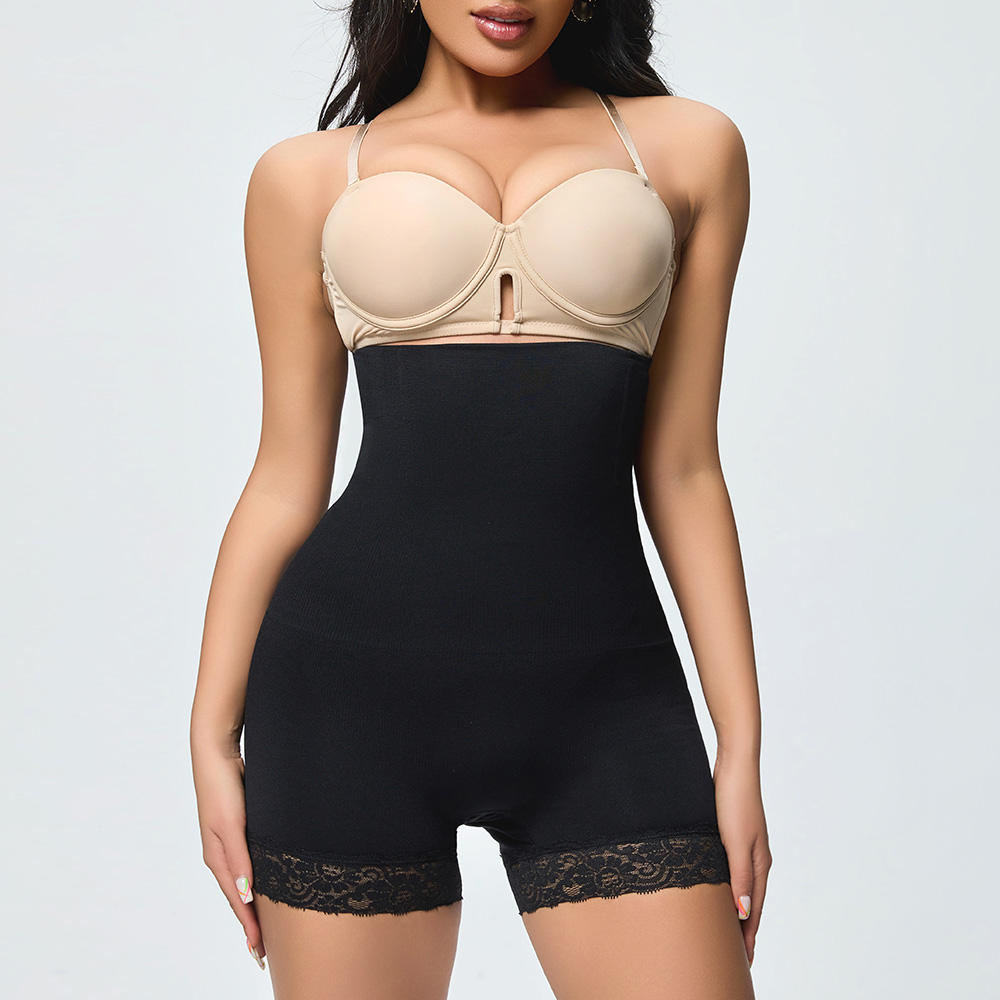
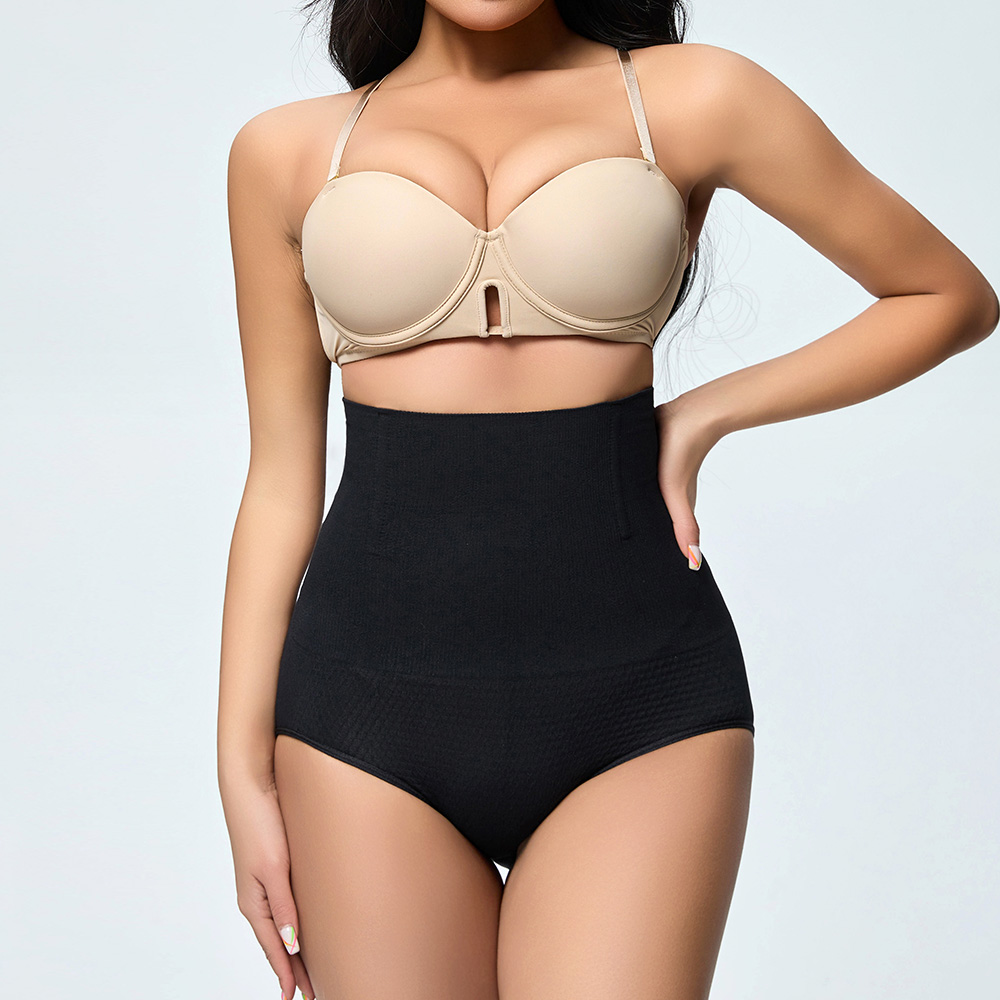
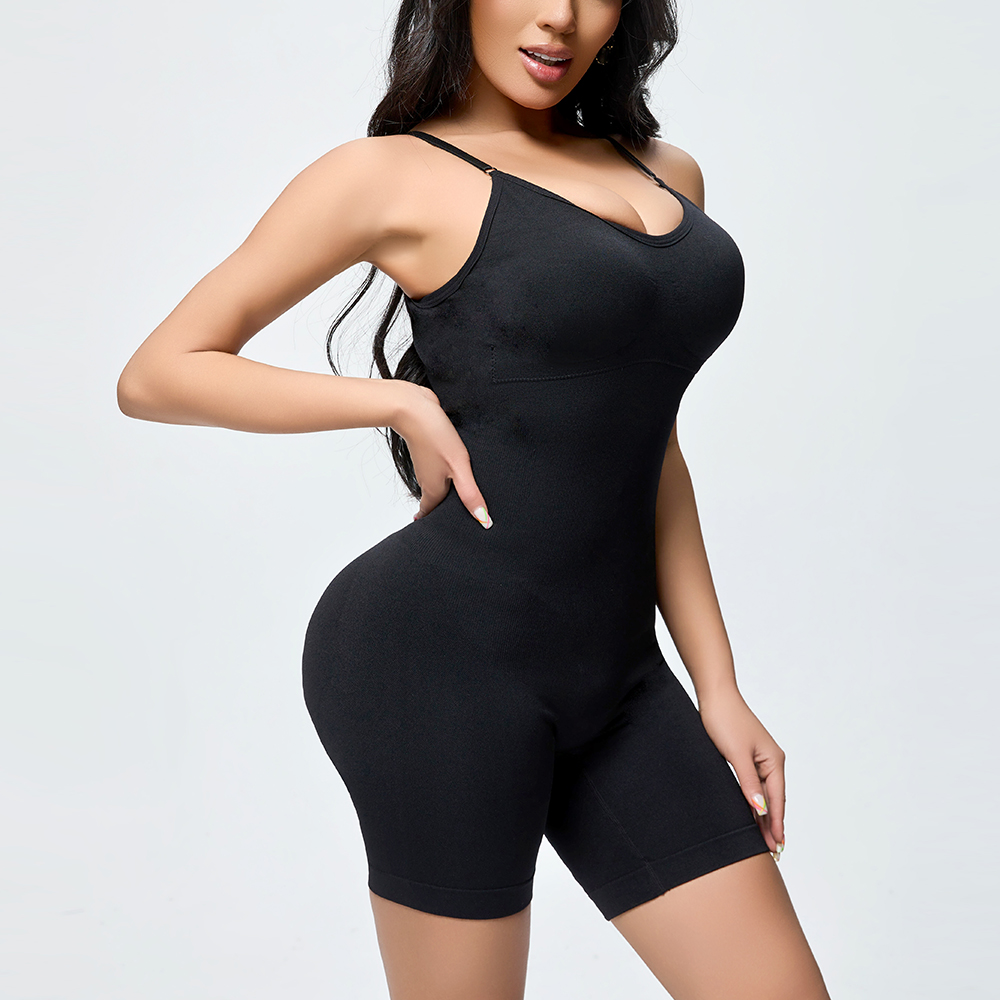
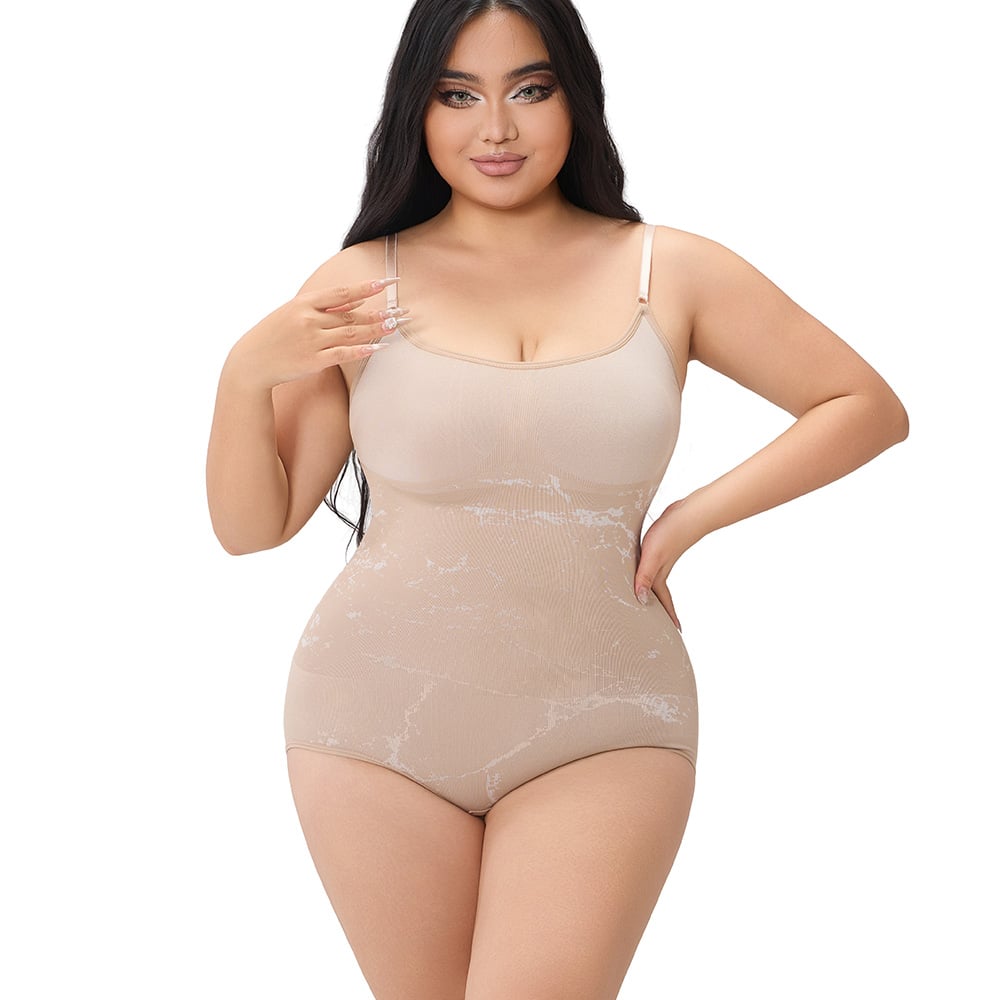
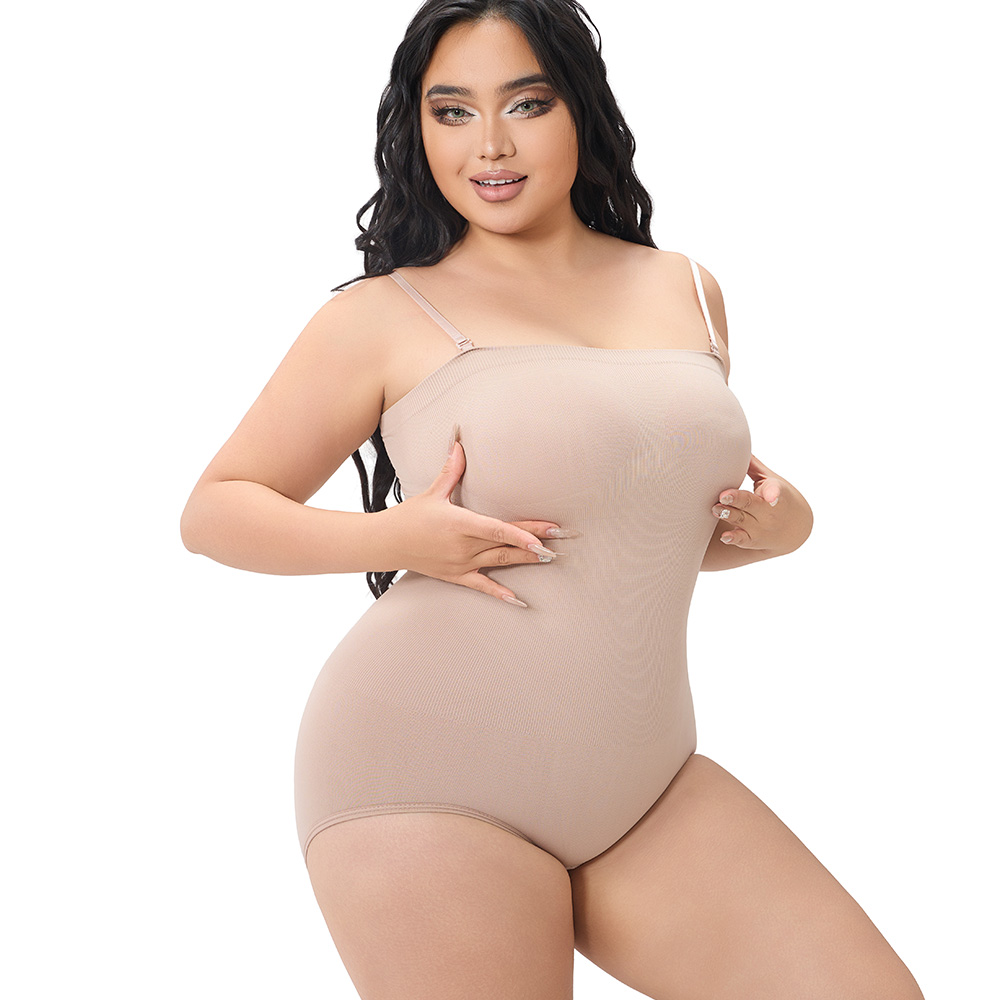
Custom logo shapewear transforms utilitarian undergarments into strategic branding assets by embedding corporate identity directly into daily wear. Unlike standard shapewear, logo-integrated designs generate 72% higher perceived value—according to apparel psychology research—shifting consumer perception from commodity to premium accessory. This occurs through three interlocking mechanisms: First, visible logos signal intentional craftsmanship and quality assurance in intimate apparel. Second, discreet branding fosters subconscious associations between body confidence and brand identity. Third, custom placements on waistbands or straps create proprietary aesthetic signatures that generic alternatives cannot replicate. Collectively, these factors explain why brands report 35% higher retention rates for logo-enhanced shapewear versus basic designs, per loyalty program analytics.
Premium shapewear with integrated logos functions as a continuous brand advocate—the “silent ambassador” effect. When worn, these garments generate over 200 passive impressions monthly across high-trust environments: gym locker rooms, retail changing areas, and private settings. Because intimate apparel endures close physical scrutiny, the presence of a clean, durable logo implicitly validates manufacturing integrity—68% of consumers associate embroidered shapewear with superior construction versus unbranded options. In B2B contexts, corporate-gifted logo shapewear subtly reinforces professional identity beyond office hours, turning employees into authentic advocates. By merging discretion with consistent visibility, it cultivates trust through sustained sensory engagement—not overt promotion.
Applying logos to shapewear demands techniques engineered for high-stretch, recovery-dependent fabrics. Embroidery offers longevity but requires precise tension control to prevent puckering; heat-transfer methods deliver vibrant graphics yet must resist cracking under repeated stretching; seamless woven labels integrate invisibly into the garment’s knit structure but rely on advanced machinery. Crucially, all methods must preserve the fabric’s elasticity, breathability, and comfort—excessive stitching, adhesive layers, or bulk can compromise performance, especially in friction-prone zones like seams and edges.
Logo visibility on shapewear is constrained by limited surface area, fabric opacity, and layering needs. A minimalist approach—using tonal stitching or micro-embroidery—aligns with luxury positioning and prioritizes discretion. Bold typographic logos resonate with athleisure audiences seeking expressive, confident energy. Emblematic designs require careful scaling to avoid discomfort on compression zones like the midriff or thighs. Placement matters critically: waistband logos offer consistent visibility without compromising fit, while side-panel applications demand alignment with seam lines to maintain structural integrity and visual harmony. Research from the Textile Comfort Lab (2023) confirms oversized logos increase perceived friction by 23%, underscoring the need to balance recognition with wearability.
Every unboxing becomes a shareable brand moment when custom logo shapewear arrives in thoughtfully designed packaging. Customers instinctively photograph the garment—its logo integrated into the waistband, tag, or seam—and post it organically to social feeds. This user-generated content (UGC) serves as highly credible social proof, far outperforming traditional advertising in building trust. Real bodies in branded shapewear normalize the product, demystify fit expectations, and transform a private undergarment into a public endorsement—driving organic visibility without paid media. As a result, brands see stronger repeat purchase behavior and word-of-mouth referrals, with the entire unboxing journey—from tissue paper to first wear—reinforcing emotional connection and long-term loyalty.
For retailers, offering custom logo shapewear via white-label partnerships creates meaningful differentiation in a saturated intimates market. Unlike generic stock items, branded shapewear allows retailers to own the full customer relationship—from first wear onward. A logo on the waistband or hip panel acts as a persistent trust signal, reinforcing the retailer’s quality promise every time the garment is used. This strategy reduces reliance on third-party brands while enabling exclusive, ownable product lines. Retailers can then curate UGC from their own customers, building a library of authentic, platform-native visual content that fuels further acquisition and retention. Ultimately, custom logo shapewear shifts the retailer’s role—from reseller to brand owner—accelerating equity development and long-term customer lifetime value.
Custom logo shapewear serves as a branding tool by embedding corporate or brand identities into functional garments, increasing perceived value and driving brand loyalty.
Logo integration signals quality craftsmanship, fosters subconscious brand association with body confidence, and creates aesthetic differentiation, elevating the product's perceived premium status.
The best methods include embroidery, heat-transfer, and seamless woven labels, each optimized for high-stretch materials while maintaining fabric qualities like elasticity and breathability.
It functions as a subtle but impactful branding element, turning employees or customers into brand advocates and reinforcing professional identity beyond traditional settings.
Retailers can use custom logo shapewear in white-label partnerships to differentiate their offerings, build direct consumer relationships, and create exclusive product lines.

 EN
EN