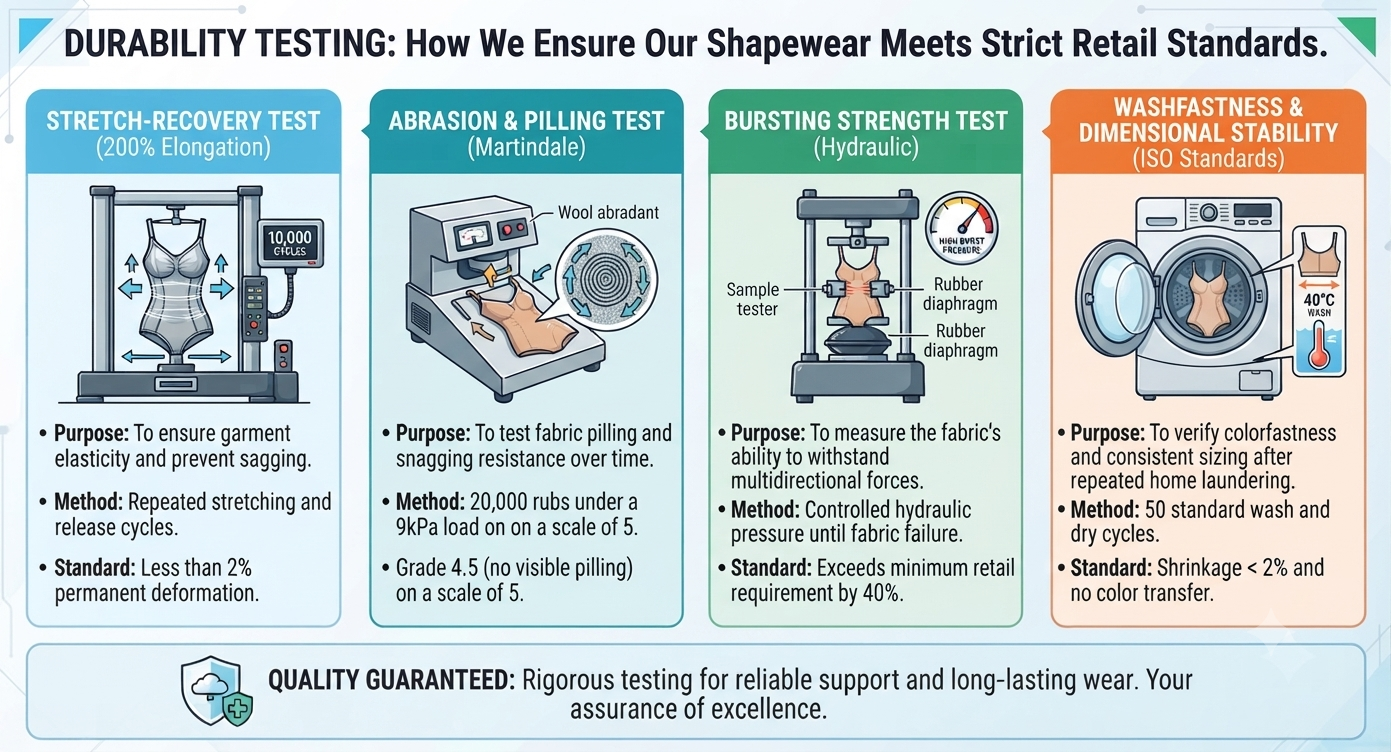
In today's global shapewear market, consumers are no longer looking for simple body-smoothing garments. Modern buyers expect shapewear products that provide targeted shaping, comfortable wearing experiences, breathable materials, and long-lasting performance. Understanding compression levels and fabric technology has become a key factor for retailers, distributors, and brands when selecting high-quality shapewear products.
Compression level determines how much support and shaping effect a garment provides. By combining innovative fabrics with different structural designs, manufacturers can create shapewear solutions suitable for various body types, lifestyles, and customer demands.
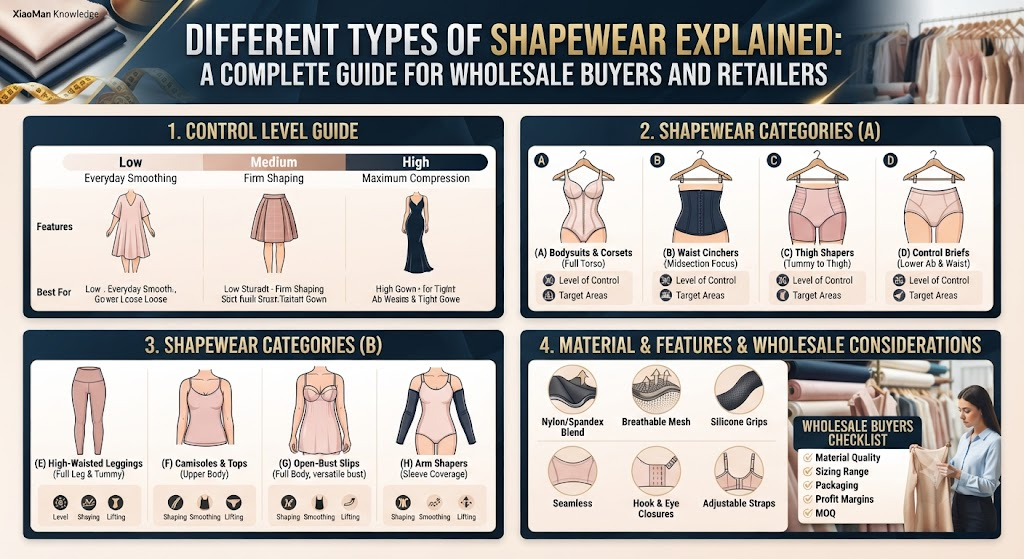
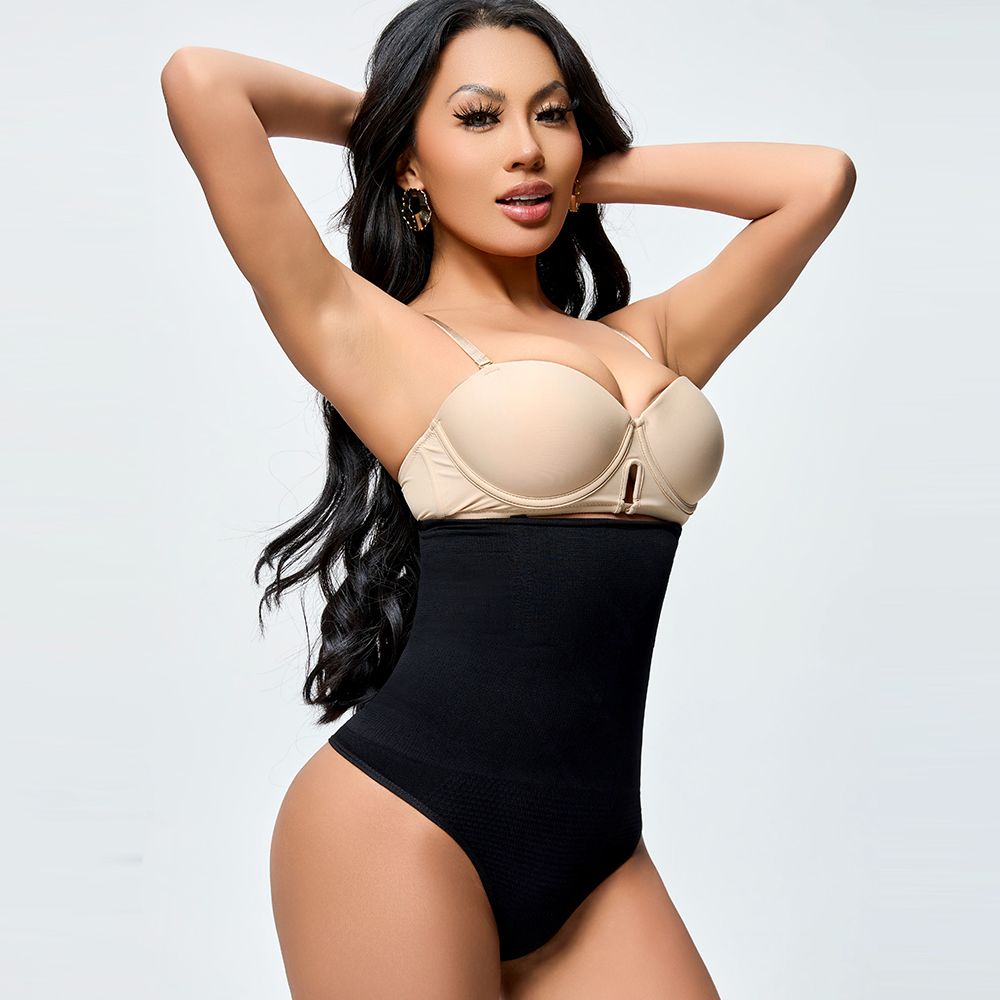
Light compression shapewear is designed for customers who prioritize comfort and natural shaping. These products gently smooth body lines without creating a tight feeling, making them ideal for daily wear, office outfits, casual clothing, and long-term use.
Common fabric features include:
Light compression products are especially popular among consumers who are new to shapewear and want subtle body contouring effects.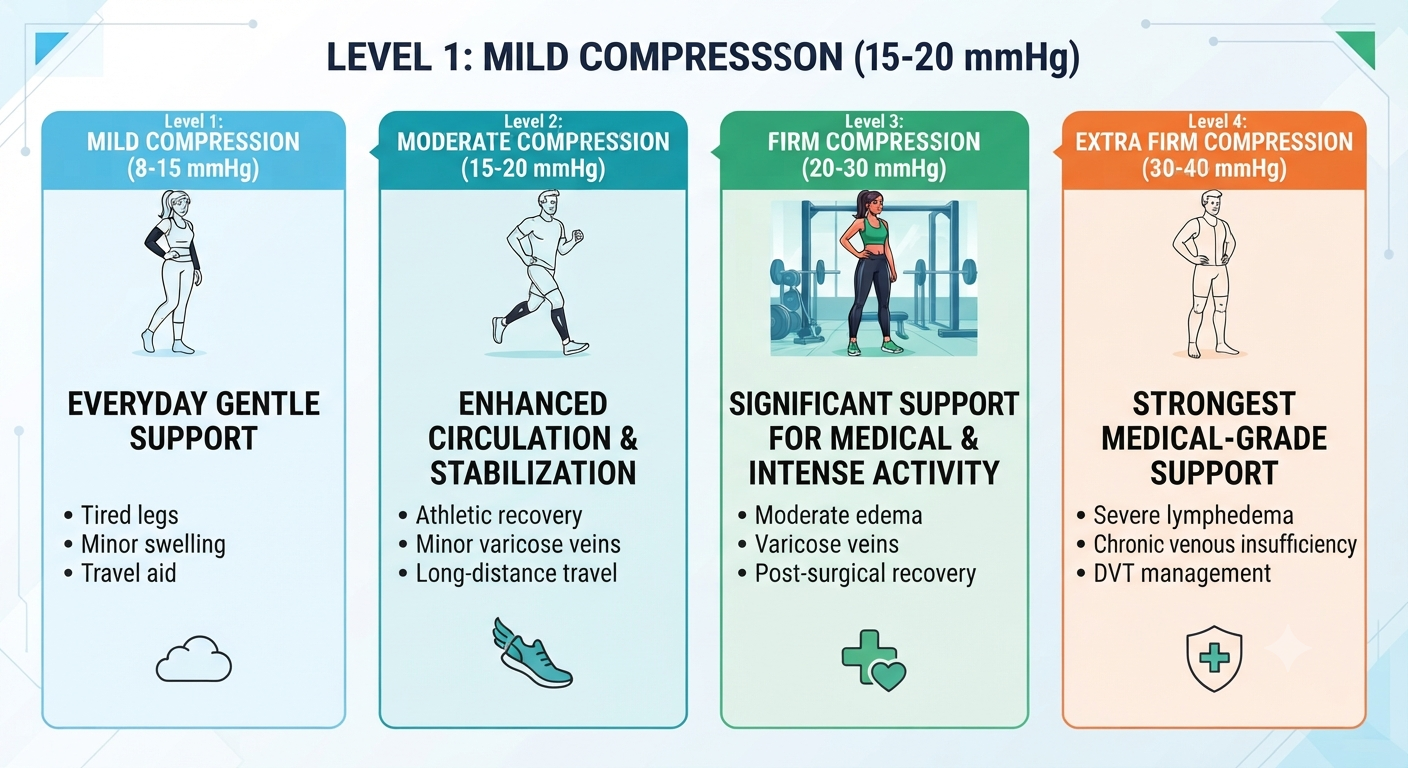
Medium compression is one of the most popular categories in the global shapewear market. It provides a balance between shaping performance and wearing comfort.
These products are commonly used for:
Advanced fabric technologies such as nylon-spandex blends and seamless knitting techniques allow garments to maintain elasticity while providing stable compression.
For wholesale buyers, medium compression shapewear often represents a high-demand category because it meets the needs of a wide customer range.
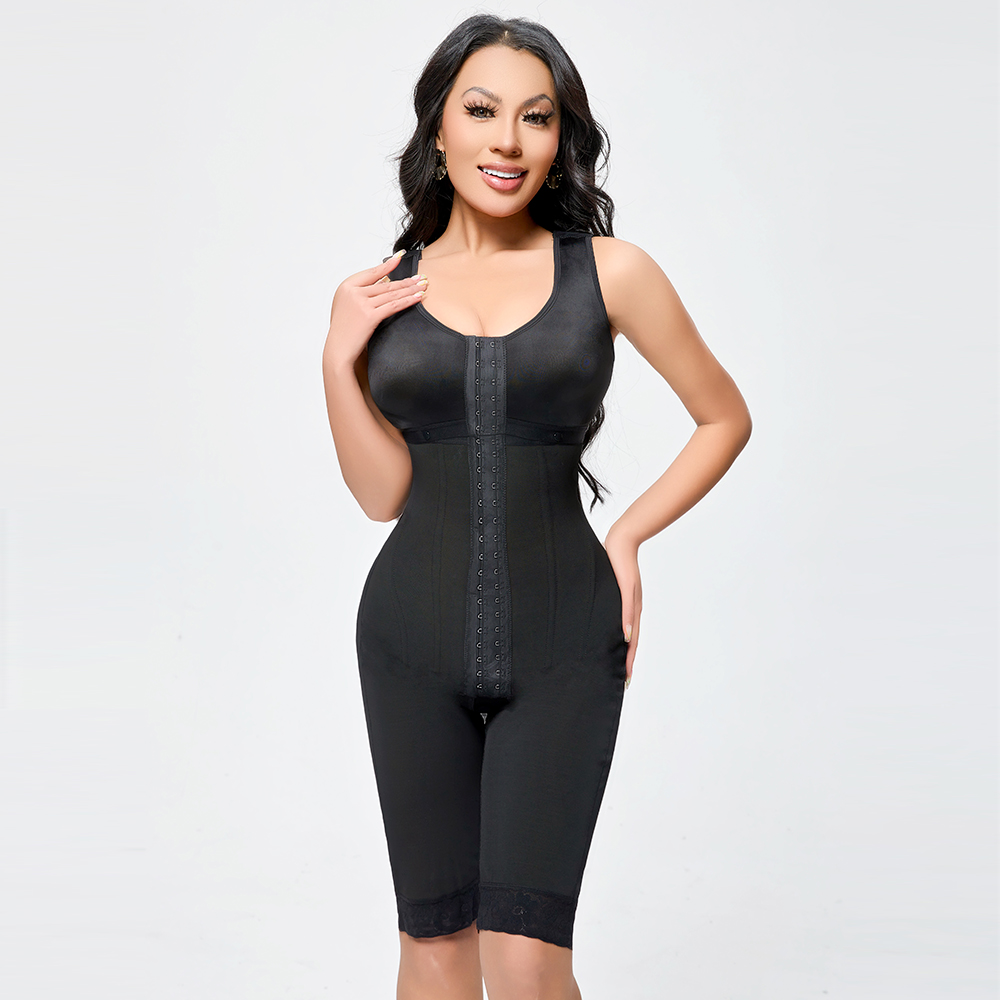
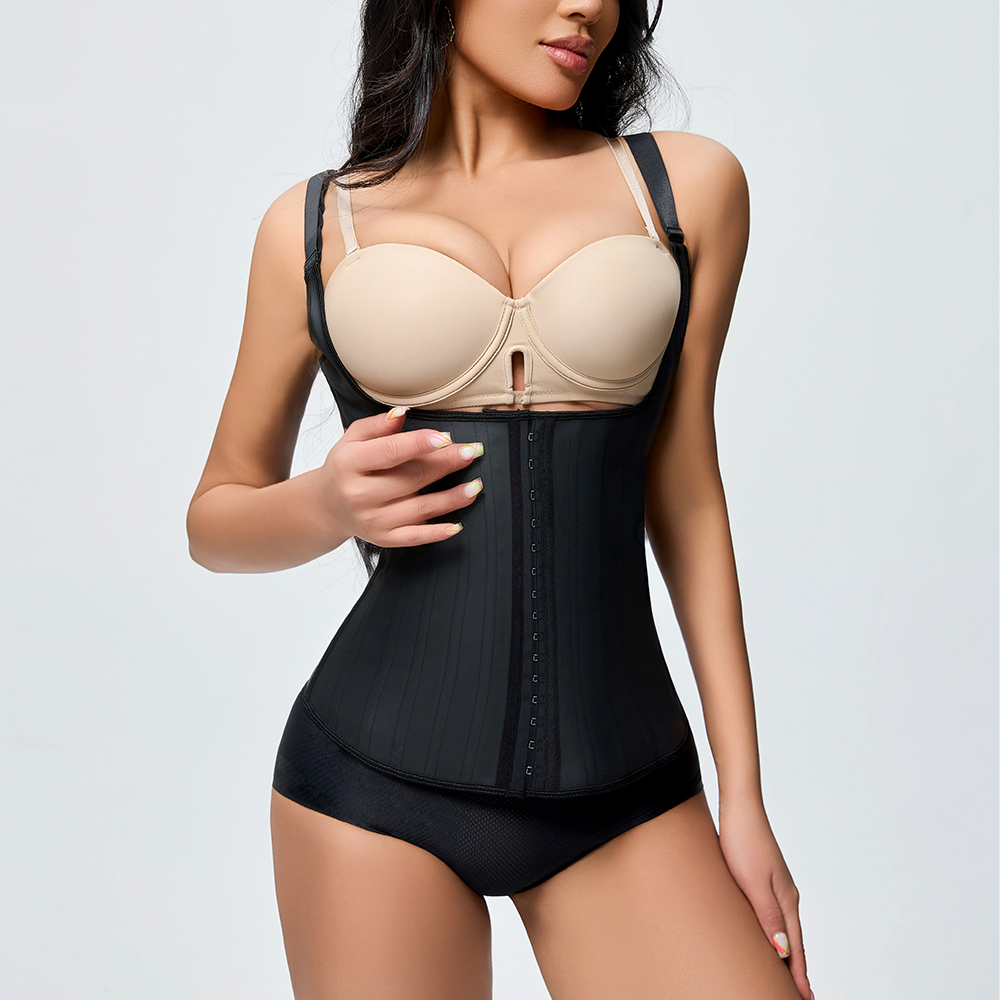
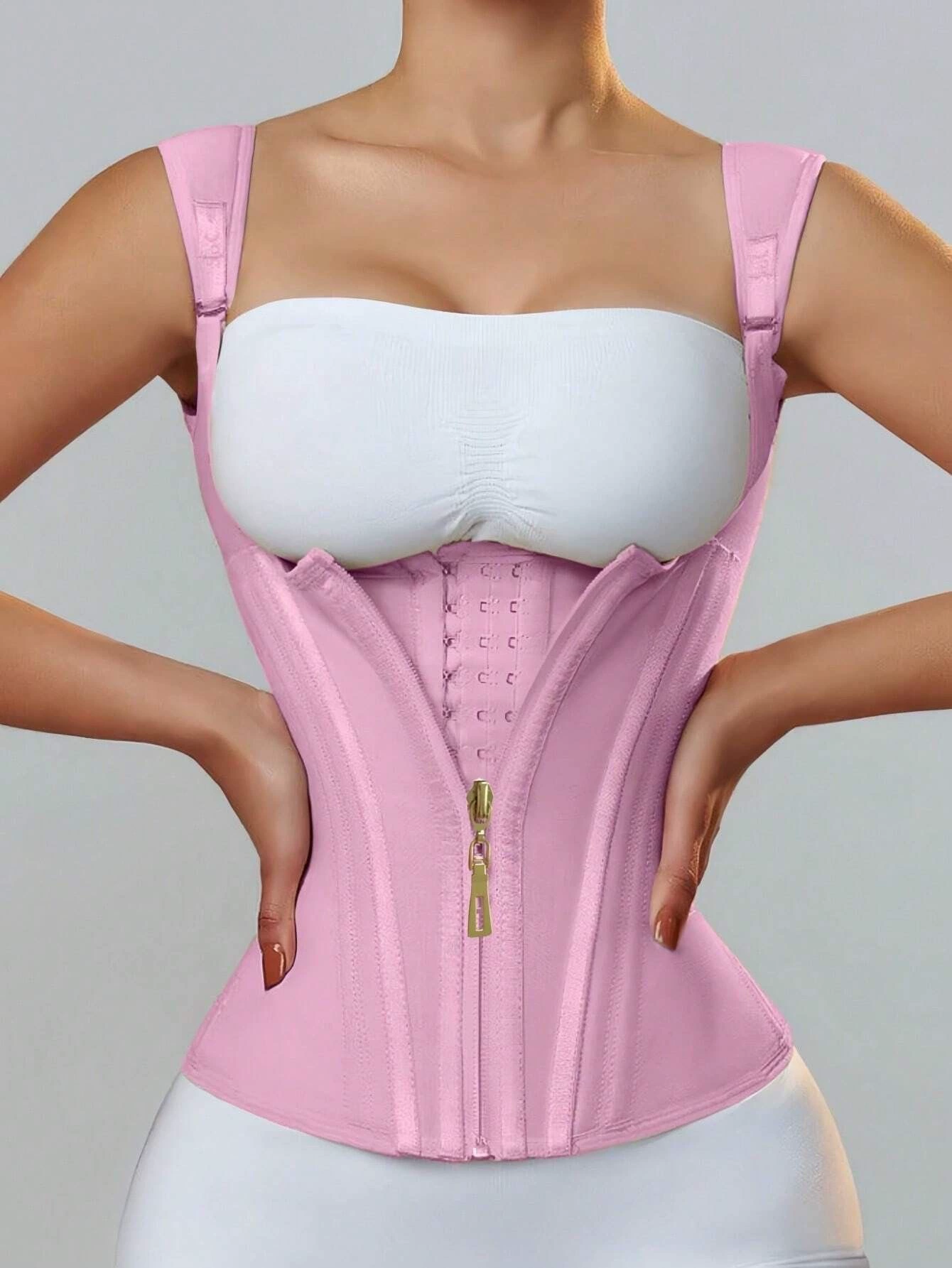
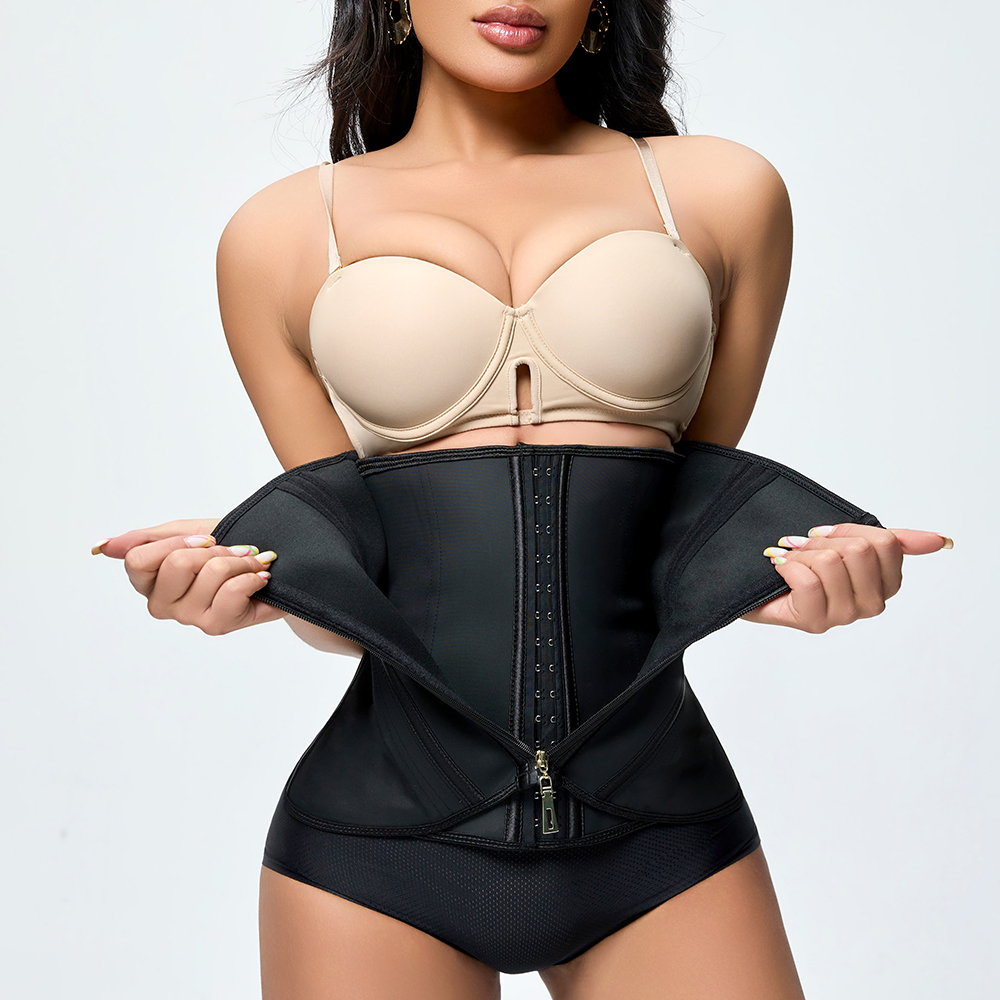
High compression shapewear is designed for customers seeking stronger shaping effects and more dramatic body transformation.
Typical applications include:
High compression garments require stronger fabrics with excellent recovery properties. Manufacturers often use:
These technologies help achieve effective shaping while maintaining durability.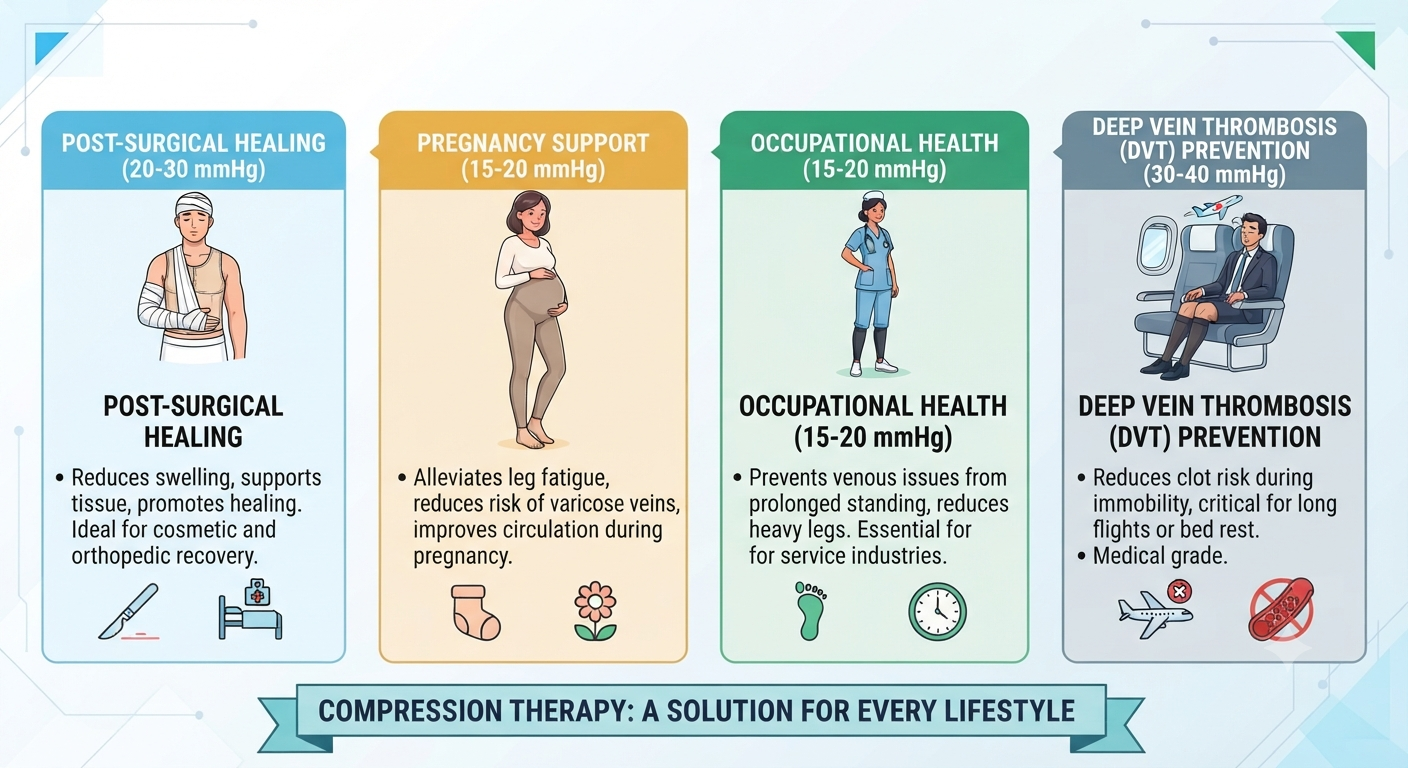
Nylon-spandex combinations are widely used in premium shapewear because they offer:
The ratio of nylon and spandex directly affects compression strength and comfort.
Seamless technology has become a major trend in modern shapewear manufacturing.
Benefits include:
Seamless shapewear is especially popular in North American and European markets where consumers value both aesthetics and functionality.
Comfort has become a major purchasing factor. Advanced fabrics help manage heat and moisture during daily activities.
Features include:
These improvements make compression garments suitable for longer wearing periods.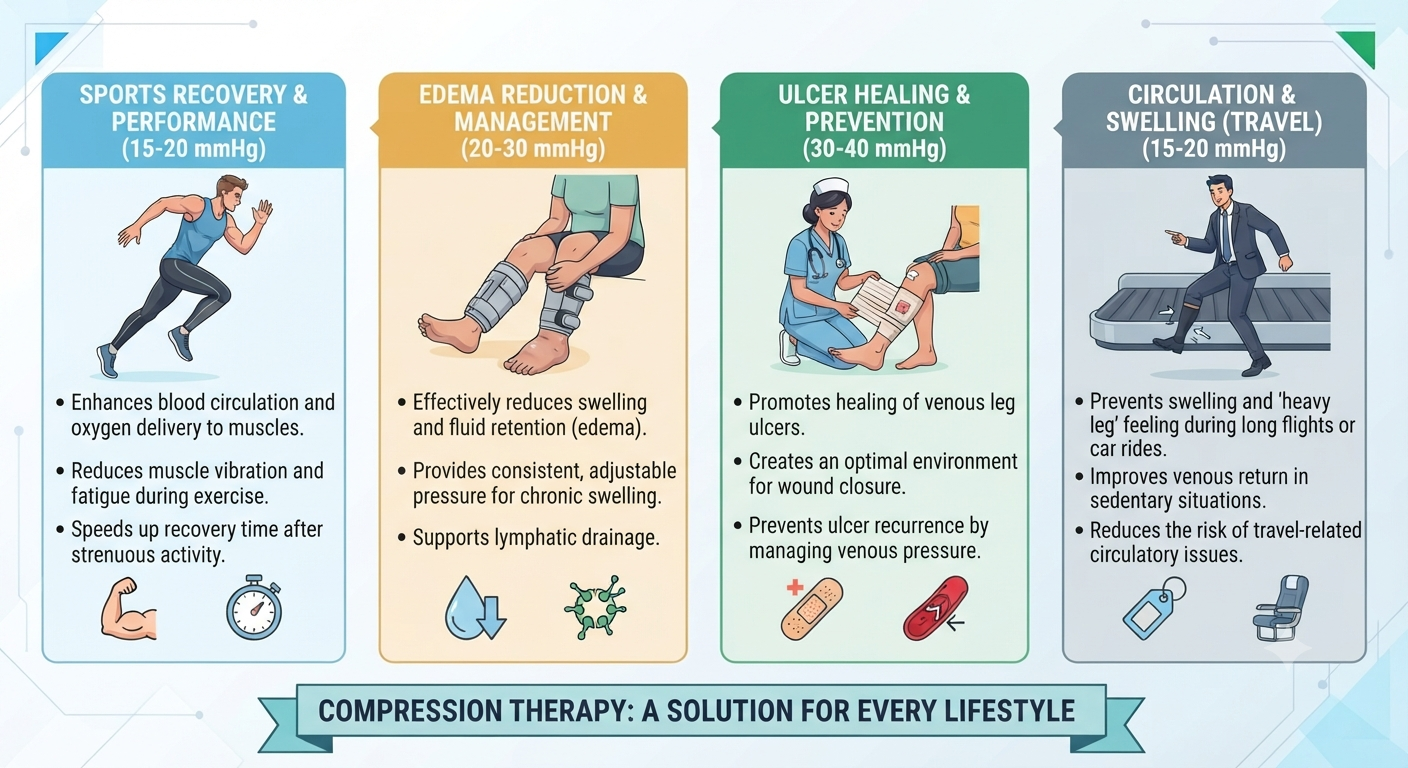
For retailers and distributors, selecting the correct compression category is essential for meeting different consumer needs.
| Customer Requirement | Recommended Compression |
|---|---|
| Daily body smoothing | Light Compression |
| Office and casual wear | Medium Compression |
| Event dresses and strong shaping | High Compression |
| Fitness and active lifestyle | Medium to High Compression |
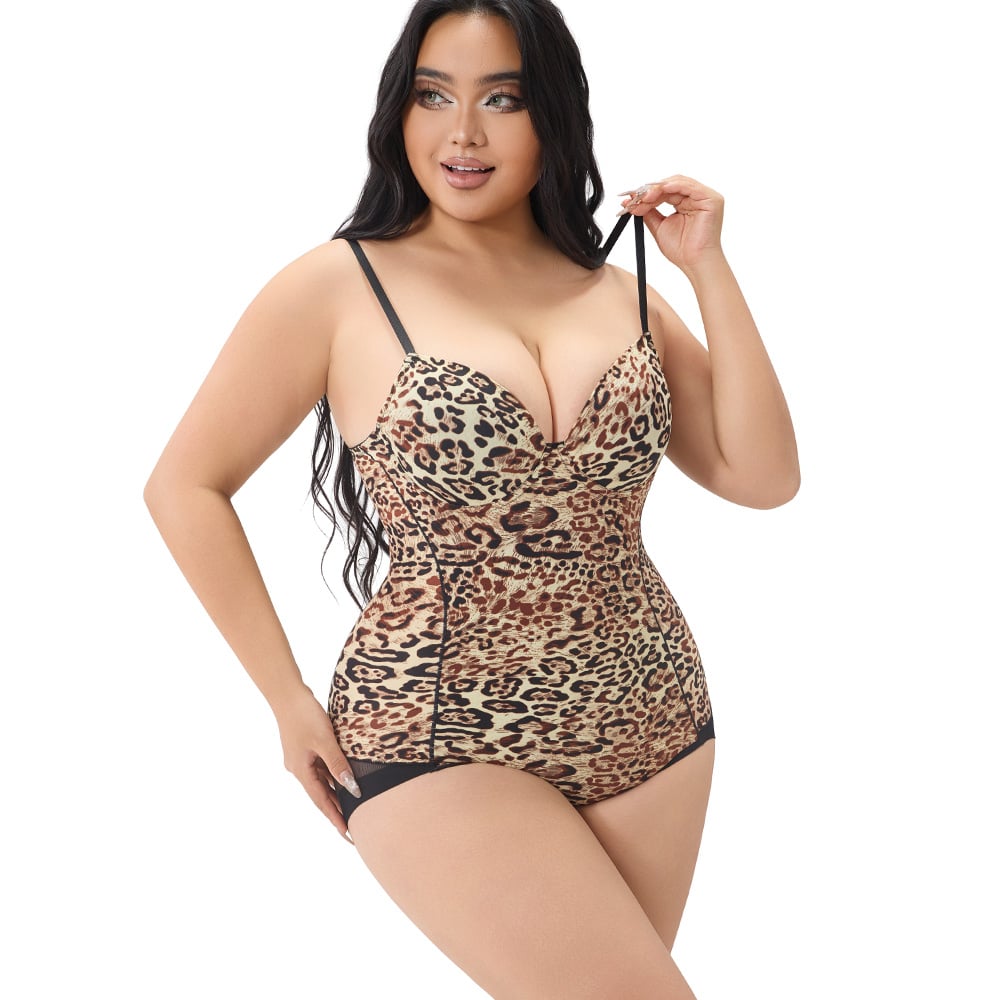
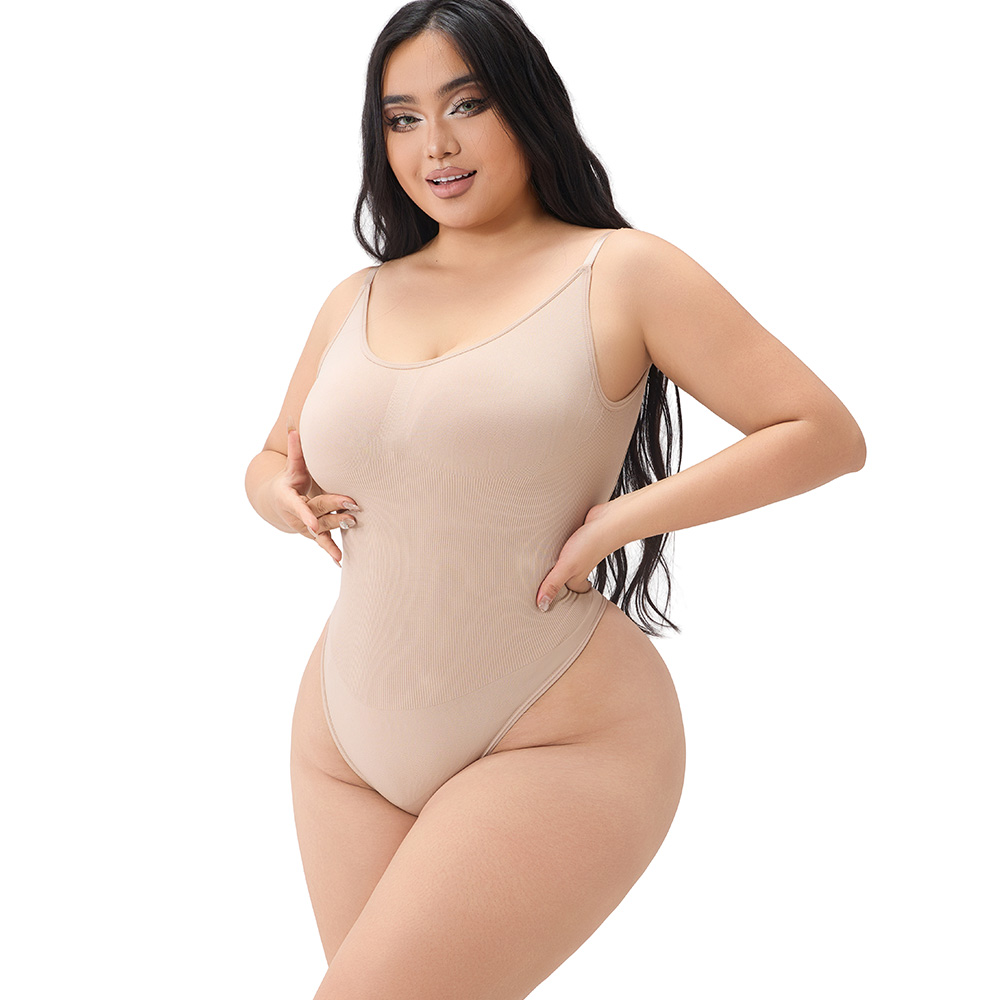
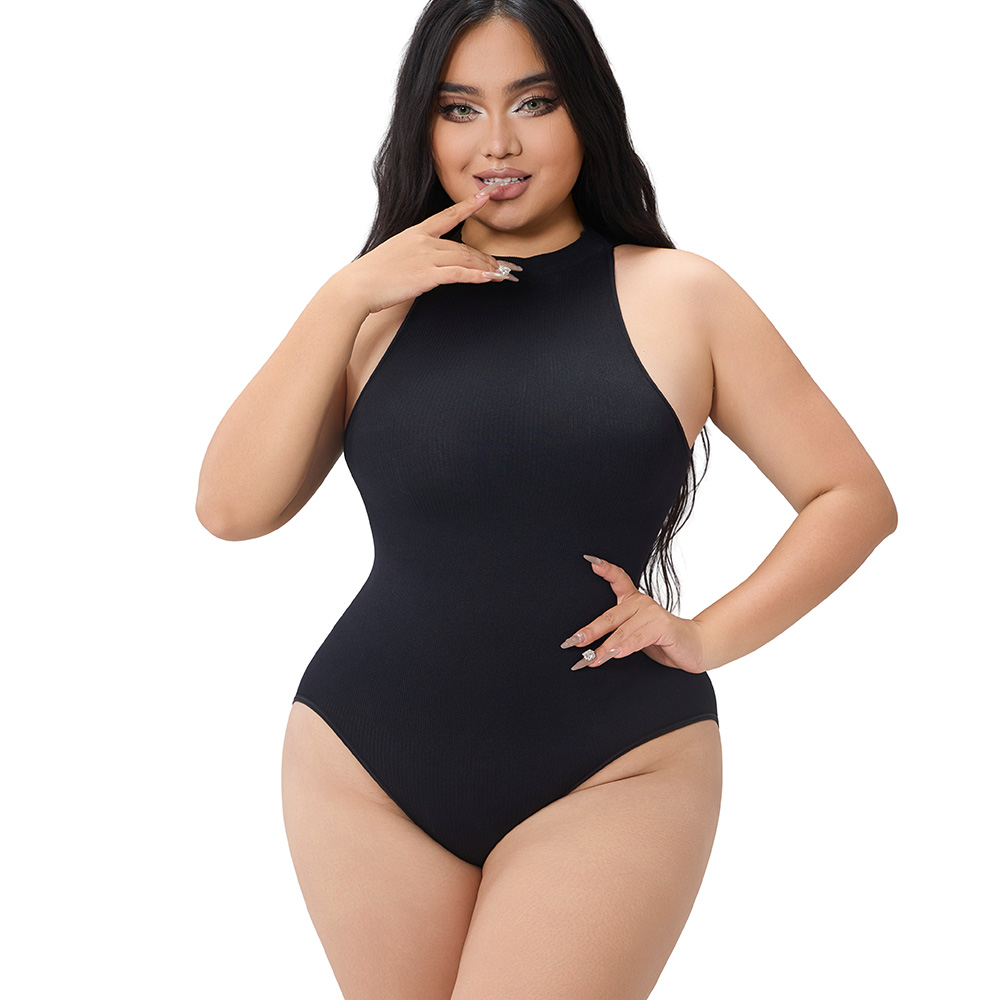
| Plus-size body shaping | Medium Compression with reinforced panels |
Understanding these differences helps brands build a more complete product portfolio.
The shapewear industry continues to evolve with innovations in textile engineering. Future products are expected to focus on:
As global consumers continue to demand comfort, confidence, and functionality, advanced compression technology will remain a key driver of shapewear market growth.
Compression level and fabric technology work together to define the performance of modern shapewear. From lightweight smoothing solutions to powerful body contouring garments, choosing the right fabric structure allows brands and retailers to meet diverse customer expectations.
For wholesale buyers, understanding compression technology is essential when selecting competitive shapewear products that deliver comfort, quality, and strong market appeal.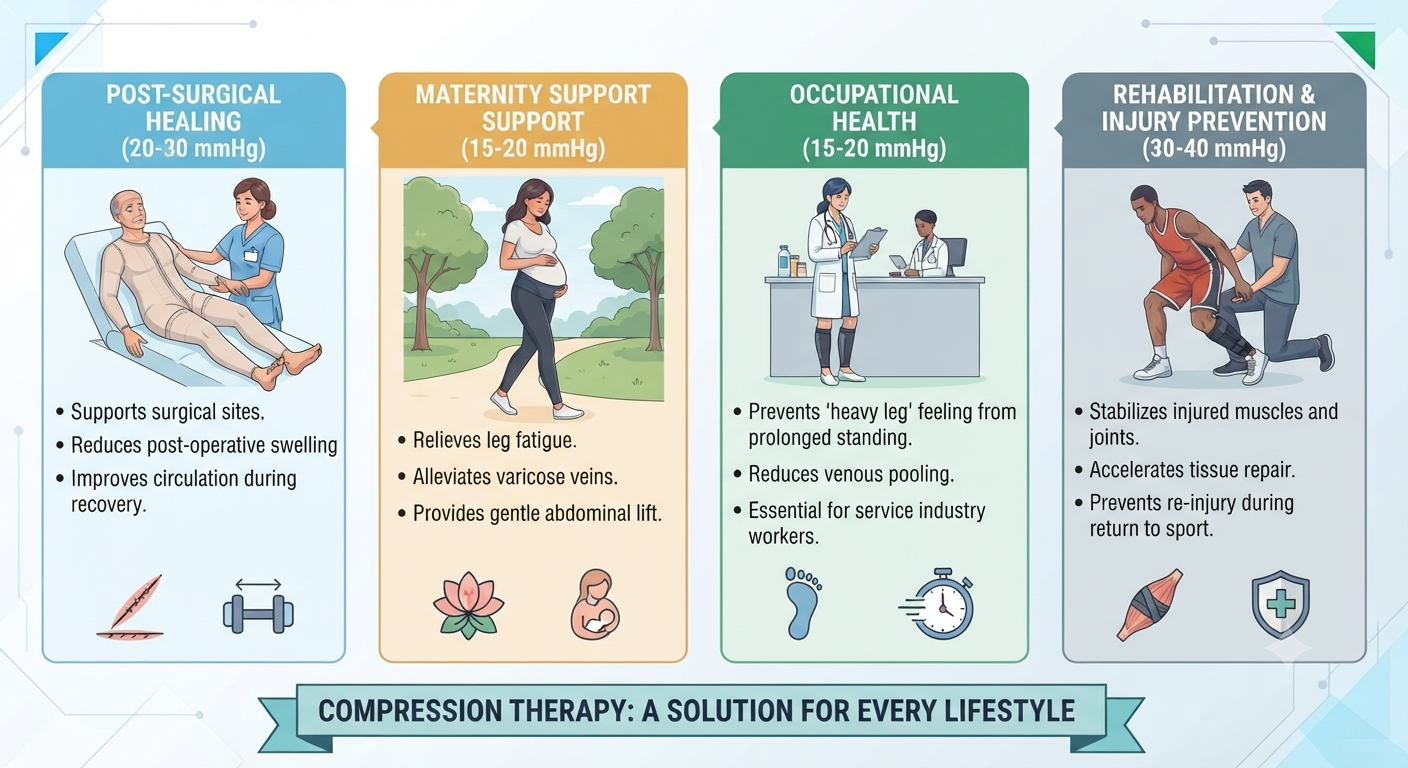

 EN
EN