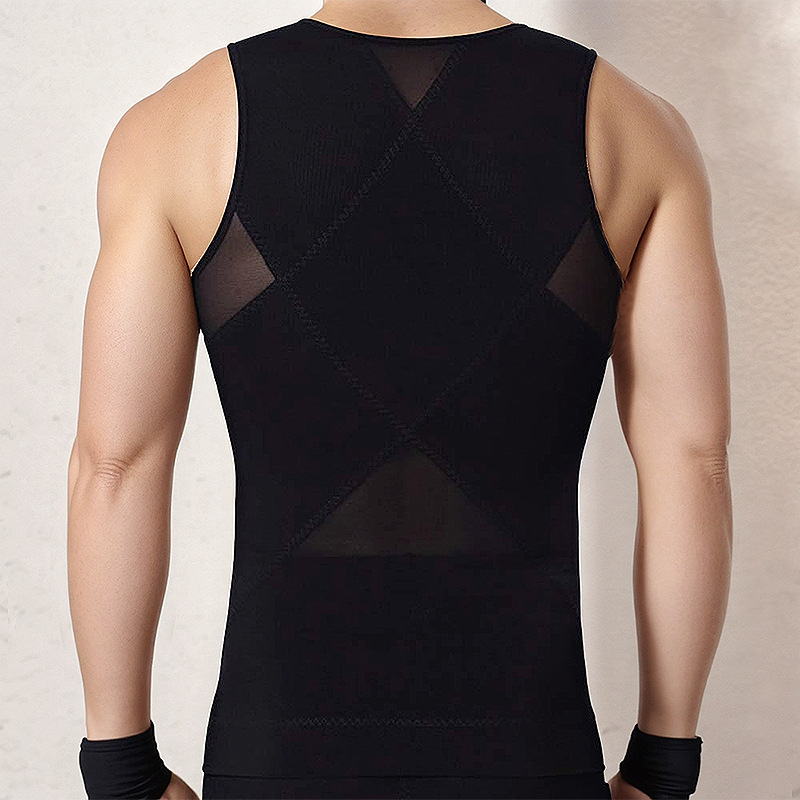
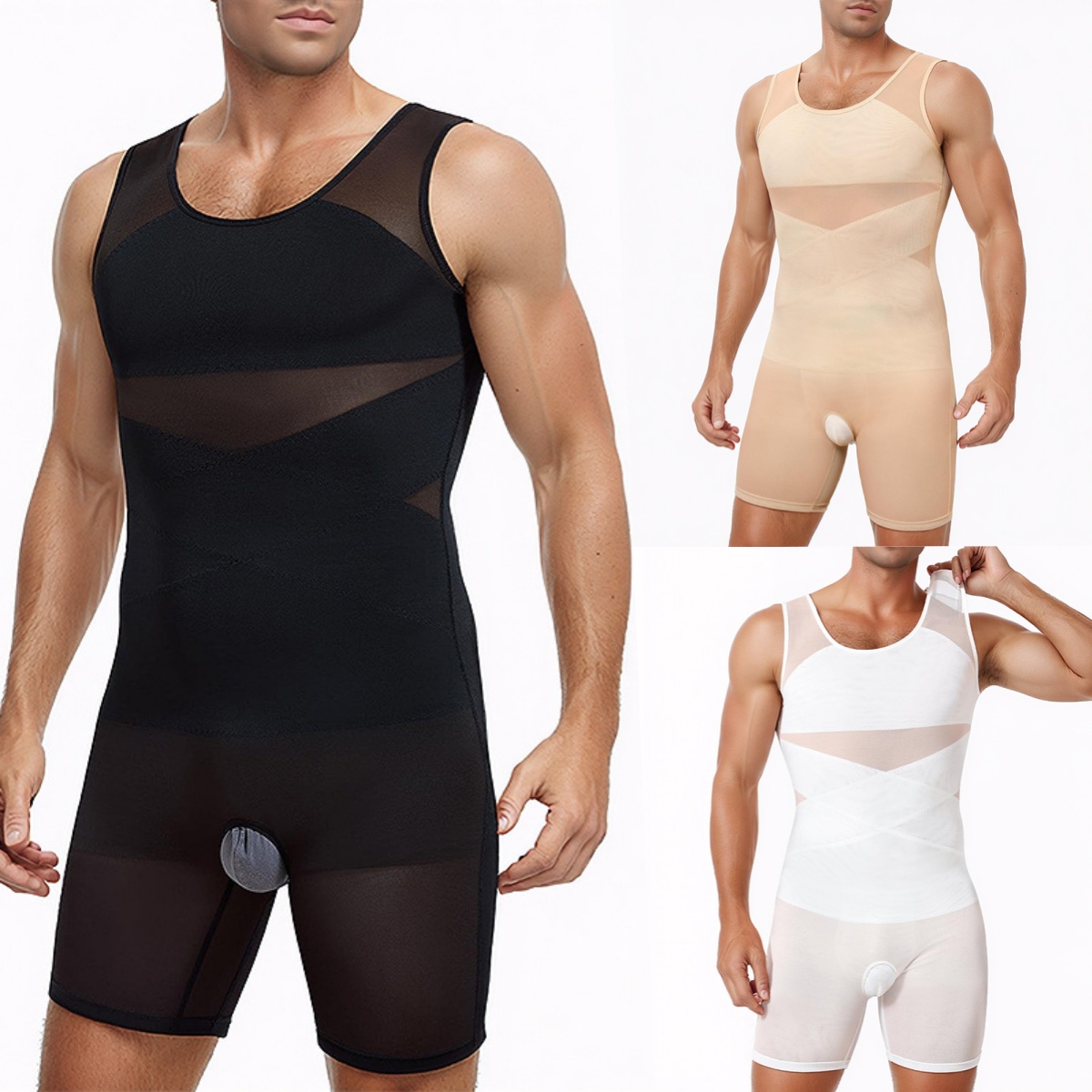
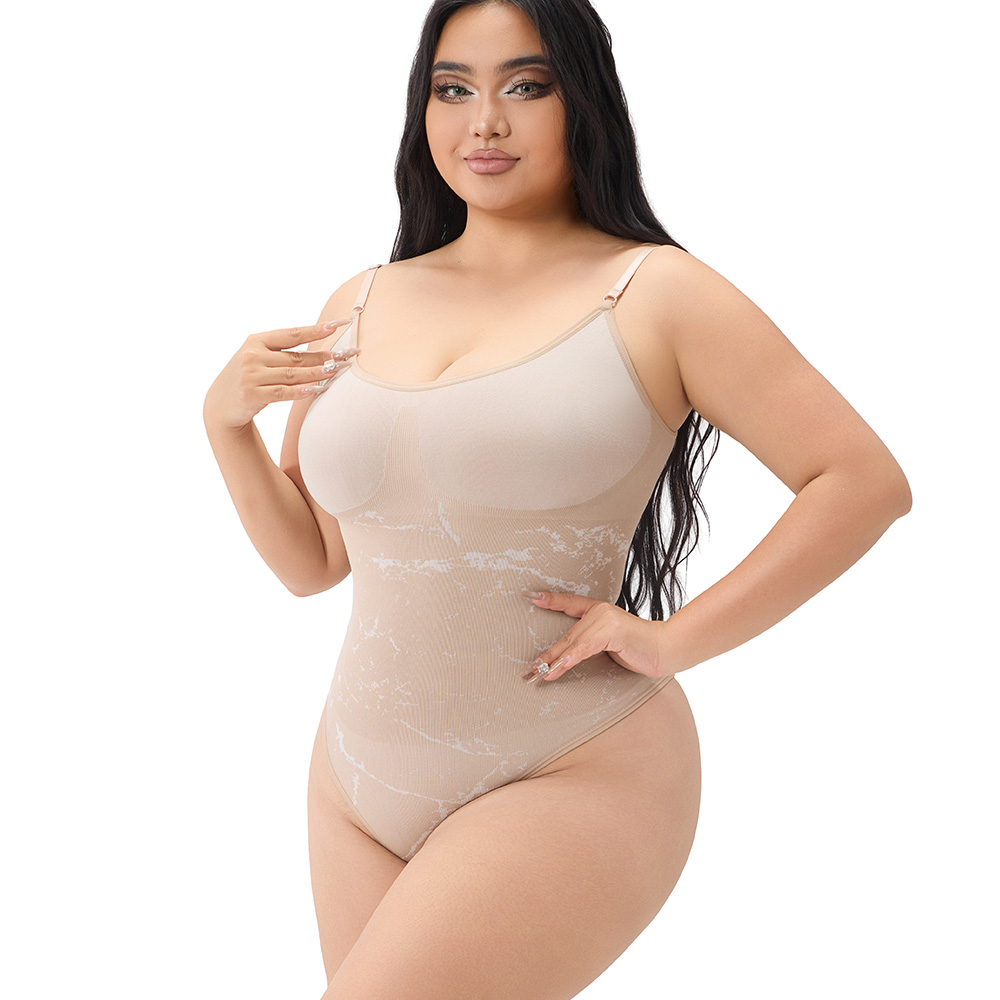
Wearing a waist training corset delivers clear, immediate benefits—primarily mechanical and cosmetic. Its rigid structure compresses the midsection, smoothing the silhouette under fitted clothing and enhancing waist definition for events or daily wear. This temporary shaping can bolster confidence through instant visual refinement. The corset also provides gentle spinal support, encouraging upright posture—especially helpful for people who sit for extended periods. However, these effects are transient: they last only while the garment is worn. The corset does not strengthen core musculature, alter body composition, or reduce fat. Any apparent slimming results from tissue redistribution—not metabolic change—and the waist fully rebounds to its natural shape upon removal.
No peer-reviewed study supports permanent waist reduction from waist training corset use alone. Research consistently shows that compression garments produce short-term aesthetic shifts—not lasting anatomical changes. The rib cage, soft tissues, and internal organs are elastic and return to baseline after compression ceases. Sustained waist narrowing requires evidence-based approaches: calorie management, resistance training, and long-term lifestyle habits. Claims of “permanent reshaping” after months of wear misattribute minor, reversible changes—such as transient fluid shifts or soft-tissue compression—to structural adaptation. Crucially, no reputable clinical study has demonstrated that waist training corsets alter bone geometry, reduce visceral fat, or produce durable reductions in waist circumference. As such, it functions best as a styling tool—not a fitness or medical intervention. Setting realistic expectations supports healthier, more sustainable body-shaping practices.
Sustained compression from a waist training corset exerts measurable pressure on the thoracic and abdominal cavities. This restricts rib cage expansion, displaces abdominal organs upward, and reduces vital lung capacity by 30–60% during wear—potentially contributing to chronic dyspnea and suboptimal oxygenation. Gastrointestinal function may also be compromised: upward organ displacement increases gastroesophageal reflux risk, while intestinal compression can slow motility and impair digestion. Over time, habitual use may diminish thoracic mobility and weaken respiratory musculature. Physical therapists caution that although posture may appear improved temporarily, prolonged compression risks maladaptive postural patterns and subtle, cumulative changes to organ positioning and rib alignment—without yielding meaningful or lasting cosmetic benefit.
Extended or exercise-integrated use of a waist training corset carries well-documented physiological trade-offs. By externally stabilizing the torso, the corset reduces neuromuscular demand on the transversus abdominis, obliques, and pelvic floor—leading to disuse atrophy over time. This effect is especially pronounced when worn during physical activity, where compression substitutes for natural muscular engagement. Concurrently, diaphragmatic excursion is mechanically restricted, lowering inspiratory lung volume by an average of 20–30% (Biomechanics Journal, 2025). That limitation can provoke lightheadedness, reduced exercise tolerance, and impaired recovery—all of which further hinder core conditioning. The resulting cycle—muscle weakening prompting greater reliance on external support, while restricted breathing limits oxygen delivery to those same muscles—is both self-reinforcing and clinically concerning.
Medical professionals across disciplines agree: daily waist training corset use beyond 2–3 hours lacks safety or efficacy justification. Physical therapists emphasize that it disrupts proprioceptive feedback and natural postural control, often triggering compensatory pain in the neck, shoulders, or lumbar spine. Plastic surgeons confirm that while temporary contouring occurs, no credible data supports permanent waist reduction—nor do corsets influence fat distribution or skin elasticity. Registered dietitians highlight gastrointestinal consequences: a 2024 study in Gastroenterology Review found 68% of regular users reported increased acid reflux symptoms, with many also noting early satiety and impaired nutrient absorption. Collectively, this interdisciplinary consensus affirms that the documented risks—including respiratory compromise, digestive dysfunction, and musculoskeletal deconditioning—outweigh any transient aesthetic gains outside supervised clinical contexts.
Contemporary medicine recognizes narrow, evidence-informed applications for compression garments akin to waist training corsets—but only under professional oversight. Post-surgical compression following abdominoplasty or liposuction leverages controlled pressure to minimize edema and support tissue reattachment, typically prescribed for 4–6 weeks with strict protocols. In select cases, physical therapists may integrate moderate compression into rehabilitation for hypermobility spectrum disorders—always paired with progressive neuromuscular retraining and never as a standalone intervention. These therapeutic uses differ fundamentally from aesthetic waist training, featuring:
For aesthetic use, responsibility means honoring biological reality: the corset enhances appearance temporarily but cannot override anatomy or replace foundational health practices. Key principles include avoiding claims of permanent change; maintaining core strength through dedicated, non-corseted exercise; respecting individual skeletal constraints (e.g., natural ribcage width defines upper waist limits); and consulting a physician before use if managing hypertension, GERD, pregnancy, or respiratory conditions. The most sustainable strategy integrates occasional, intentional corset wear with consistent strength training, mindful posture habits, and nutritional awareness—positioning the garment as a complement to, not a substitute for, lifelong musculoskeletal wellness.
Waist training corset remains a high-demand product for global wholesalers, but success depends on prioritizing compression garment safety and evidence-based corset use to avoid corset health risks and misleading claims about permanent waist reduction.
As a trusted waist training corset supplier with 12+ years of experience, we serve wholesalers across Europe, Africa, Saudi Arabia, UAE, Jordan, Kuwait, Qatar, and Iraq. Our products meet all international safety standards, and we provide comprehensive evidence-based corset use marketing materials to help your customers make informed decisions. We offer flexible MOQs starting at 300 units, full OEM/ODM customization, and offline support including in-person factory inspections, free door-to-door sample delivery, and dedicated one-to-one account management.
Contact us today to request your free wholesale catalog, exclusive bulk pricing quote, and complimentary product sample. Partner with us to build a profitable, responsible waist training corset business that prioritizes customer safety and long-term success.
No, there is no scientific evidence supporting permanent waist reduction through corset use. Any visible change is typically temporary and results from tissue compression and redistribution rather than lasting structural changes.
A waist training corset can provide immediate posture support, a smoother silhouette, and enhanced waist definition under clothing. However, these changes are temporary and last only while the corset is worn.
Yes, prolonged or inappropriate use of a corset can lead to health problems such as core muscle atrophy, respiratory limitations, acid reflux, digestive issues, and postural imbalances. Consultation with a healthcare professional is recommended before regular use, especially if you have underlying health conditions.
Yes, compression garments similar to waist training corsets are sometimes used therapeutically under medical supervision, such as post-surgical recovery or to support patients with hypermobility spectrum disorders. However, these applications include strict guidelines and are not the same as aesthetic waist training.
Most experts recommend limiting wear to no more than 2–3 hours per day for aesthetic purposes to avoid potential negative health impacts. For medical applications, time limits are set and monitored by healthcare professionals.






 EN
EN