SEO Title:
How to Start a Profitable Shapewear Business: Complete B2B Guide for Wholesale & Private Label
Keywords:
shapewear business model, shapewear wholesale, private label shapewear, shapewear suppliers, start shapewear business
Introduction
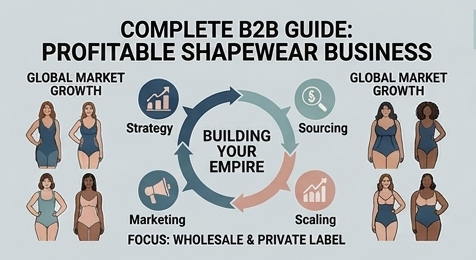
The global shapewear market continues to grow rapidly, especially in Europe and North America, where demand for body shaping, comfort, and confidence-driven products is consistently rising.
However, many new entrants fail not because of poor products—but because they lack a clear and profitable business model.
👉 The key question is:
How do you build a shapewear business that is scalable, sustainable, and highly profitable?
This guide breaks down the core business models, profit structures, and growth strategies used by successful wholesalers, distributors, and private-label brands.
1.Choosing the Right Business Model
Before selecting products, you must define how you will make money.
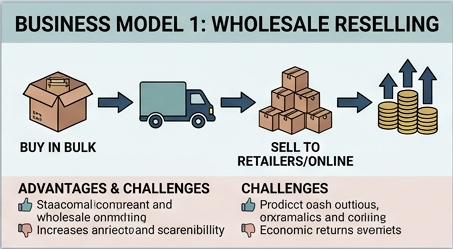
Model 1: Wholesale Reselling
How it works:
● Buy in bulk from suppliers
● Sell to retailers or online customers
Advantages:
● Lower entry barrier
● Faster startup
● No need for branding initially
Challenges:
● Lower margins
● High competition
● Limited differentiation
👉 Best for:
Beginners and traditional distributors
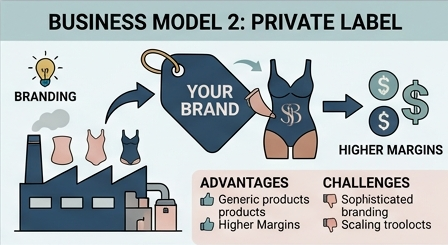
Model 2: Private Label (Recommended)
How it works:
● Source products from manufacturers
● Sell under your own brand
Advantages:
● Higher profit margins
● Brand control
● Long-term business value
Challenges:
● Requires branding investment
● Need for marketing strategy
👉 Best for:
E-commerce sellers and scaling businesses
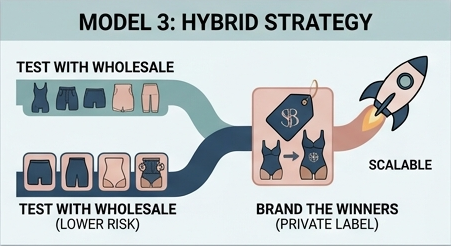
Model 3: Hybrid Model
How it works:
● Combine wholesale + private label
● Test products first, then brand winners
👉 This is the most scalable and low-risk strategy.
2. Understanding Profit Structure
A profitable shapewear business is built on margin optimization, not just sales volume.
Basic Profit Formula
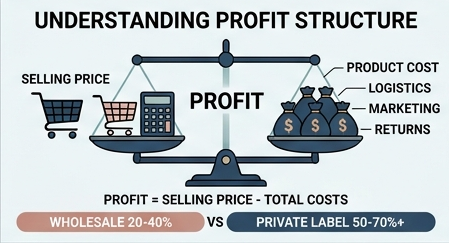
Profit = Selling Price – (Product Cost + Logistics + Marketing + Returns)
Typical Margin Range
● Wholesale reselling: 20%–40%
● Private label: 50%–70%+
Key Profit Drivers
1. Product Positioning
● Basic products → lower margin
● Functional or premium products → higher margin
2. Brand Value
● Strong branding allows higher pricing
● Reduces price competition
3. Return Rate Control
● High returns can destroy profit
● Sizing and quality are critical
👉 Insight:
Many businesses lose money not from low sales—but from poor margin control and high return rates.
3. Product Strategy for Profitability
Not all shapewear products perform equally.
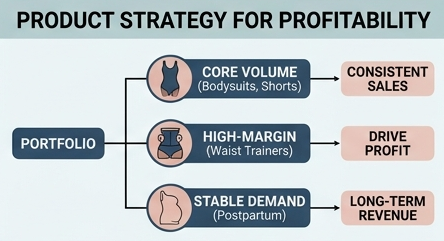
Recommended Product Mix
Core Volume Products
● Bodysuits
● Shapewear shorts
👉 Drive consistent sales
High-Margin Products
● Waist trainers
👉 Drive profit
Stable Demand Products
● Postpartum shapewear
👉 Ensure long-term sales
Key Selection Criteria
● Visible shaping effect
● Comfortable for daily wear
● Inclusive sizing
● Low return risk
👉 A balanced portfolio = stable cash flow + strong profit margins
4. Sales Channel Strategy
Your business model must align with the right channels.
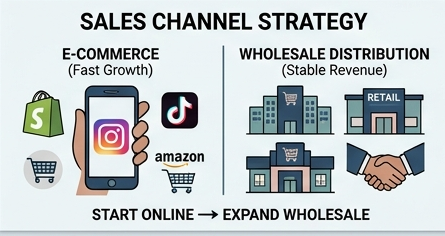
E-commerce (Fast Growth)
● Shopify / independent website
● TikTok / Instagram sales
● Amazon marketplace
👉 Best for scaling quickly
Wholesale Distribution (Stable Revenue)
● Sell to retailers
● Build long-term partnerships
👉 Best for consistent bulk orders
Recommended Approach
● Start with online sales to test products
● Expand into wholesale once validated
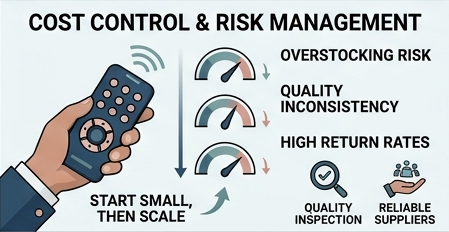
5. Cost Control & Risk Management
Profitability depends on controlling risks.
Key Risks
● Overstocking slow-moving products
● Inconsistent product quality
● High return rates
● Unstable suppliers
How to Reduce Risk
1.Start Small, Then Scale
Test before bulk purchasing
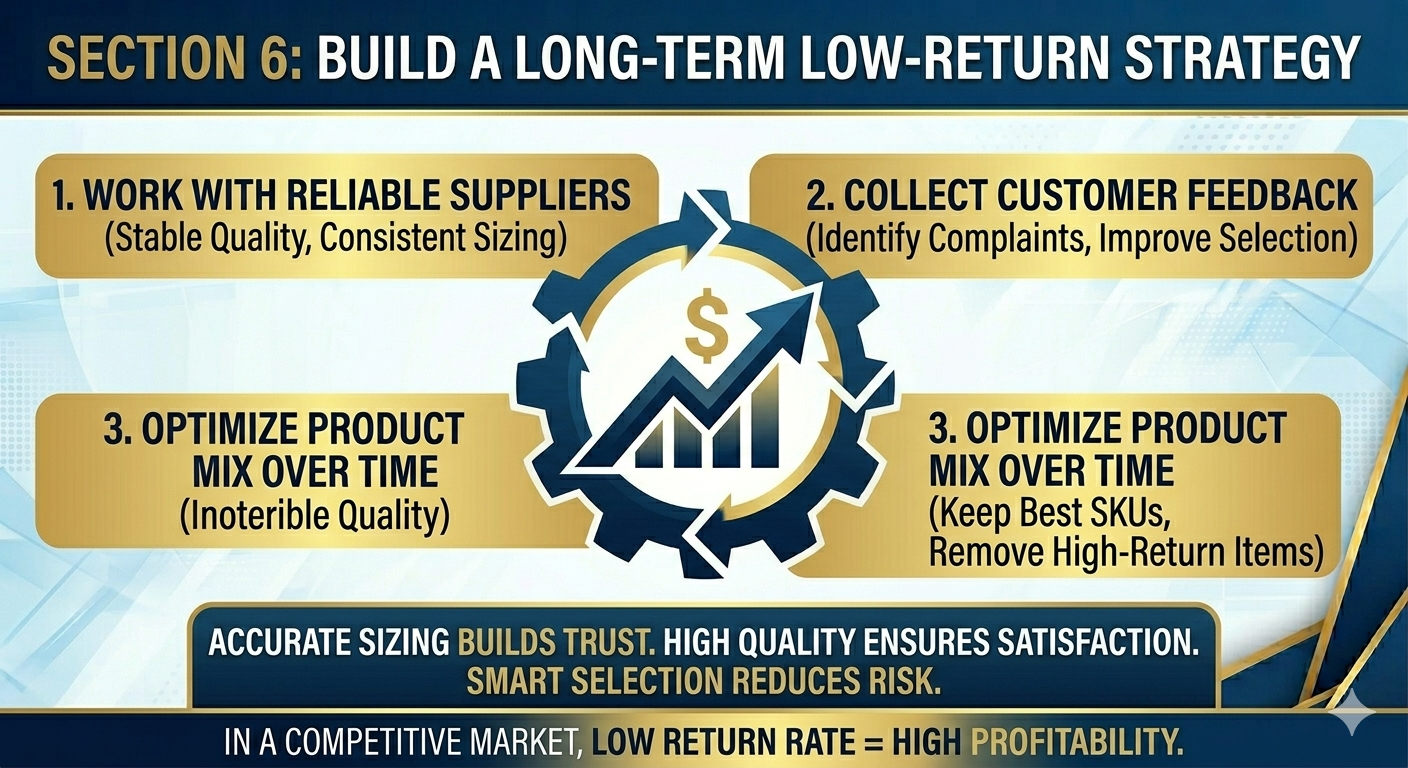
2. Work with Reliable Suppliers
● Stable quality
● Consistent sizing
● Scalable production
3. Focus on Best-Sellers
Avoid over-expanding product range too early
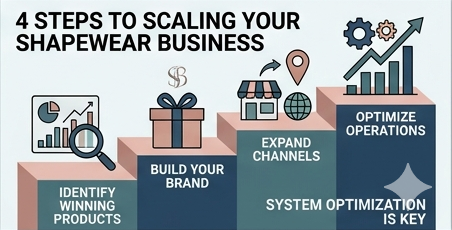
6. Scaling Your Shapewear Business
Once your model works, focus on growth.
Step 1: Identify Winning Products
● Use TikTok, Amazon, and market data
Step 2: Build Your Brand
● Packaging
● Logo
● Story
Step 3: Expand Channels
● Add wholesale clients
● Enter new markets
Step 4: Optimize Operations
● Improve supply chain
● Reduce costs
● Increase efficiency
👉 Scaling is about system optimization, not just more sales.
7. Common Mistakes to Avoid
● Focusing only on low-cost products
● Ignoring branding
● Choosing too many SKUs
● Working with unreliable suppliers
● Underestimating return rates
👉 Avoiding these mistakes can save months of losses and failed inventory.
Conclusion
Building a profitable shapewear business requires more than just good products—it requires a clear strategy.
● Choose the right business model
● Focus on high-margin and high-demand products
● Control costs and reduce risks
● Scale with data and structure
For wholesalers, distributors, and private-label sellers, success comes from combining smart sourcing with strong business planning.
👉 The right model doesn’t just generate sales—it builds a long-term, scalable business.

 EN
EN