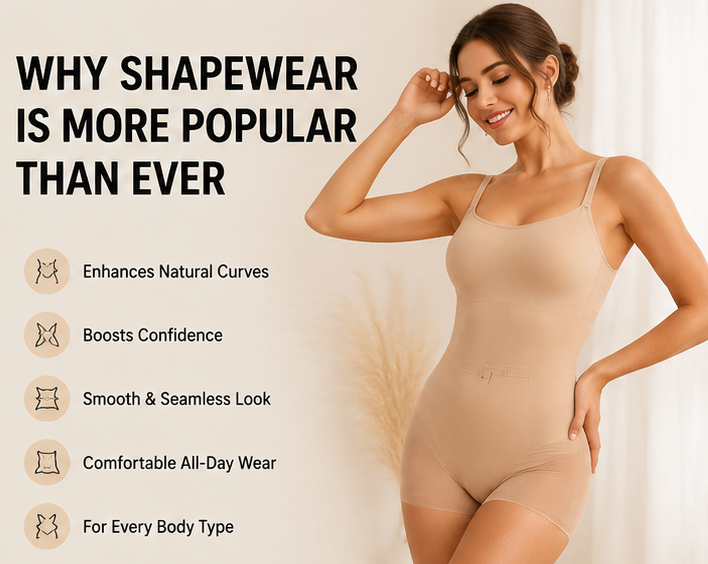
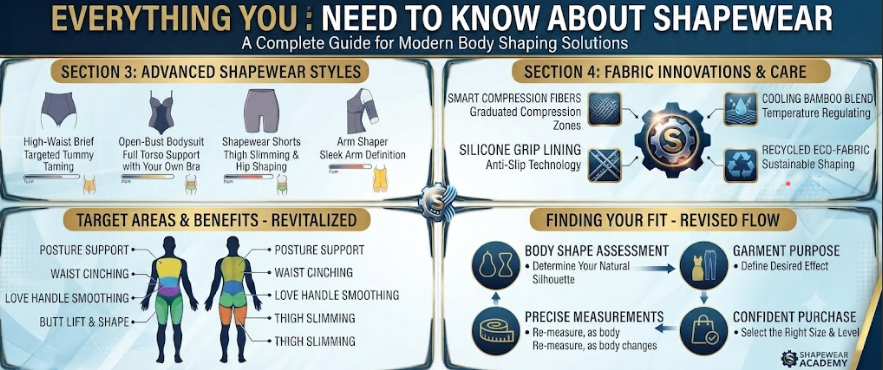
Shapewear has become one of the fastest-growing categories in the global fashion and intimate apparel market. Today, modern shapewear is not only designed to create a smoother silhouette but also combines comfort, technology, and fashion trends. However, the journey of shapewear has a long history that dates back hundreds of years.
From rigid corsets worn by women in previous centuries to lightweight, breathable, and high-performance shaping garments today, shapewear has continuously evolved to meet changing consumer needs.
Understanding the history and development of shapewear helps retailers, wholesalers, and brands better understand market trends and future opportunities.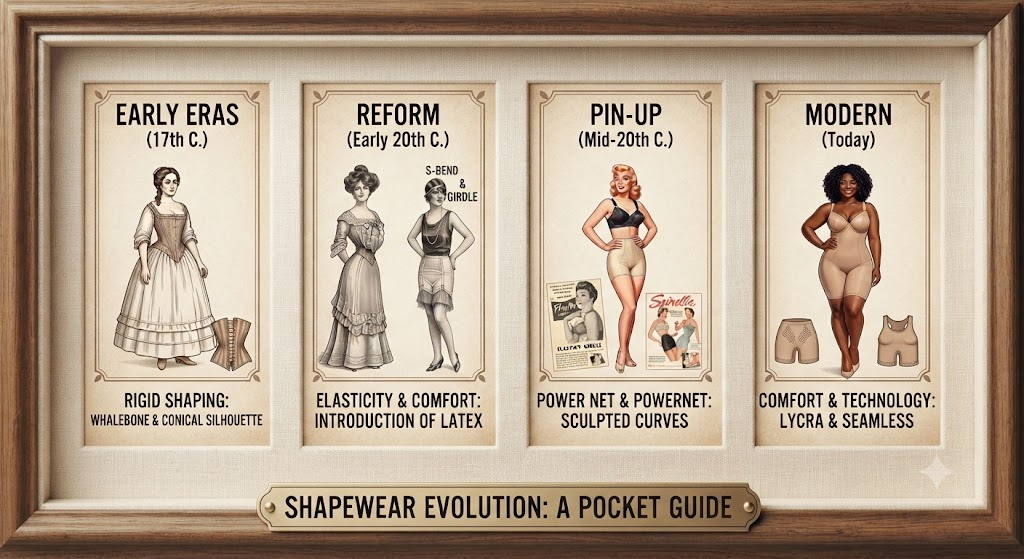
The earliest form of shapewear can be traced back to ancient civilizations where people used specially designed garments to modify body appearance.
During the 16th to 19th centuries, corsets became popular in Europe. Traditional corsets were made from materials such as whalebone, metal, and strong fabrics. Their primary purpose was to create a narrow waistline and an hourglass figure.
Although corsets were effective in shaping the body, they were often uncomfortable due to their rigid structure and limited flexibility.
At that time, body shaping was mainly associated with fashion standards rather than comfort and personal confidence.
The 20th century brought significant changes to women's fashion and underwear design. As clothing styles became more practical, consumers started looking for shaping garments that provided support without restricting movement.
New materials such as elastic fibers and synthetic fabrics allowed manufacturers to develop more comfortable shaping underwear.
During this period, products like:
became widely used.
These products introduced a new concept: shapewear should not only reshape the body but also provide comfort for daily wear.
In recent decades, shapewear has experienced rapid innovation due to advances in textile technology.
Modern shapewear manufacturers now use advanced materials including:
These technologies allow shapewear to provide targeted body shaping while maintaining flexibility and comfort.
Unlike traditional corsets, modern shapewear allows consumers to move freely while enhancing their natural body curves.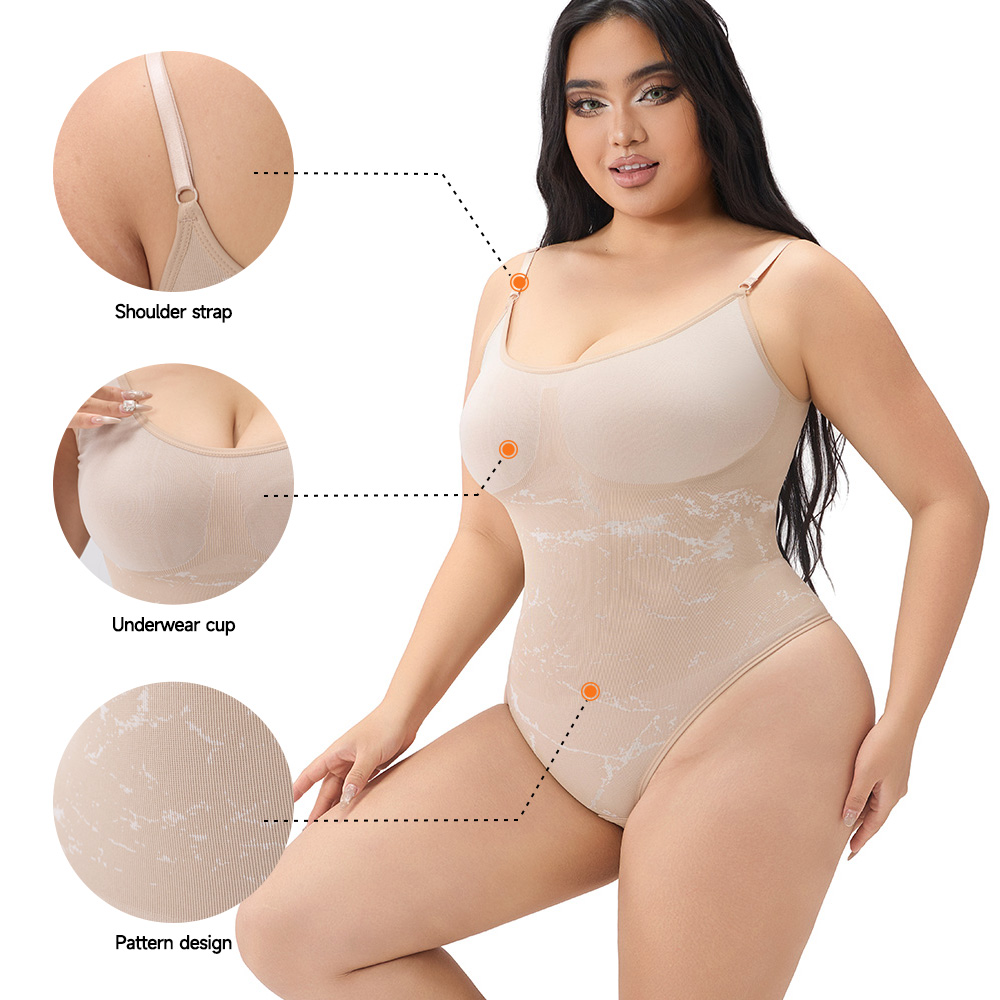
One of the biggest developments in the shapewear industry is seamless manufacturing technology.
Seamless shapewear offers several advantages:
This innovation has made shapewear more attractive to everyday consumers who want confidence and comfort at the same time.
For retailers and wholesalers, seamless shapewear has become a high-demand product category with strong market potential.
Modern shapewear is no longer considered only an underwear product. It has become part of the fashion and lifestyle industry.
Social media platforms, celebrity influence, and body-positive fashion movements have helped reshape consumer perceptions.
Today, customers purchase shapewear for different purposes:
The demand for inclusive sizing, including plus-size shapewear, has also created new opportunities for global brands and distributors.
The future of shapewear will continue to focus on innovation, comfort, and personalization.
Future trends may include:
Advanced fabrics that adapt to body temperature and movement.
Eco-friendly fibers and recyclable production methods.
Customized designs based on different body shapes and consumer preferences.
More size options and designs suitable for diverse customers worldwide.
As consumer expectations continue to change, shapewear will continue evolving from a simple shaping garment into a complete body confidence solution.
The global demand for shapewear continues to grow, creating excellent opportunities for wholesalers, distributors, and private label brands.
Modern shapewear products offer advantages such as:
By choosing reliable shapewear manufacturers with customization capabilities, businesses can develop unique product lines and strengthen their market competitiveness.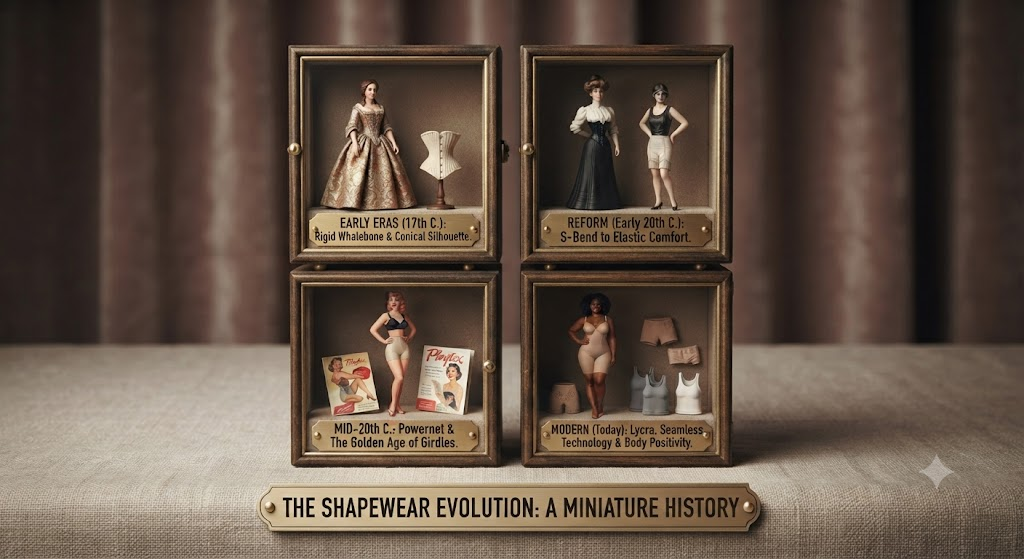
The history of shapewear reflects the continuous evolution of fashion, technology, and consumer expectations. From traditional corsets to advanced compression garments, shapewear has transformed into a comfortable and innovative solution for modern lifestyles.
With improvements in fabric technology, design, and manufacturing processes, modern shapewear will continue playing an important role in the global apparel market.
For retailers, wholesalers, and brands, understanding these trends provides valuable insight into future opportunities in the shapewear industry.

 EN
EN