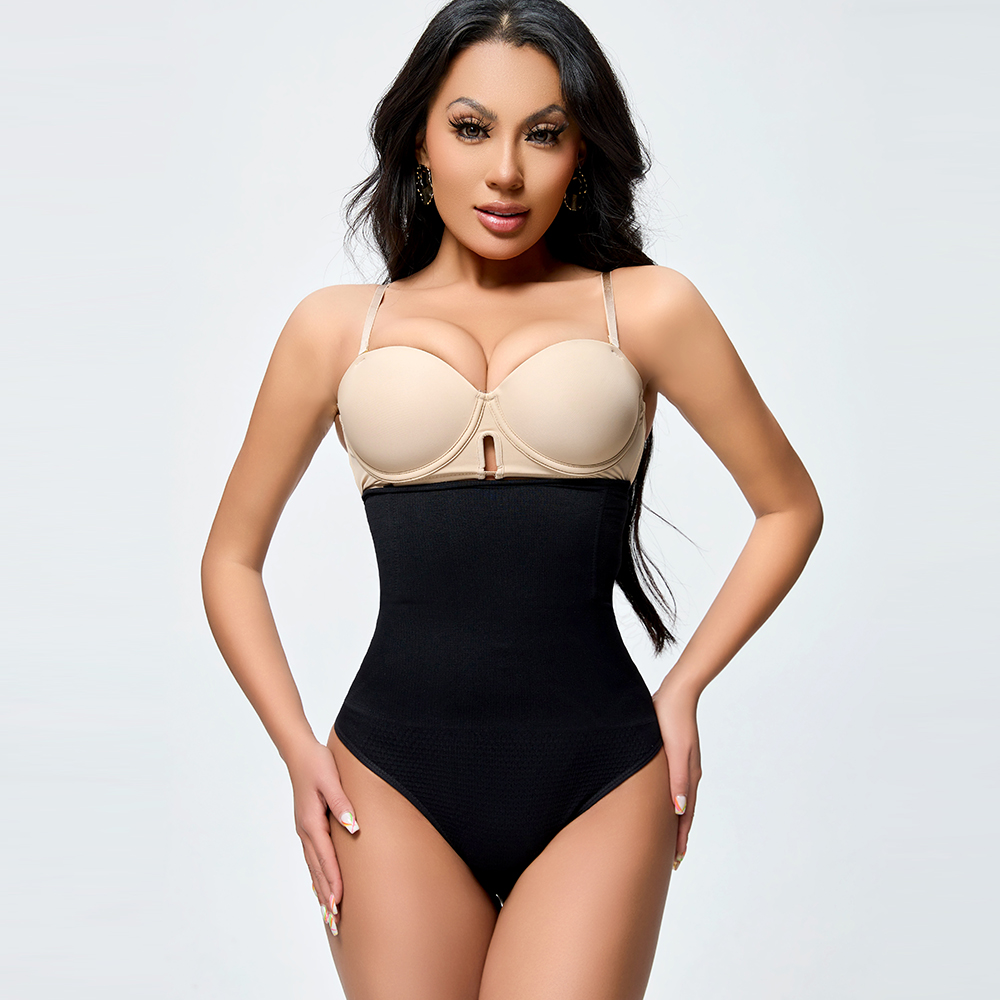
This article explores the most popular shapewear colors in global markets and explains how international buyers can optimize product selections for different retail channels and consumer groups.
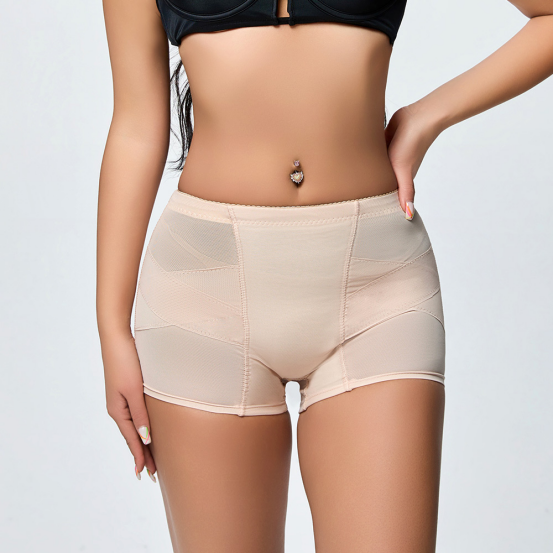
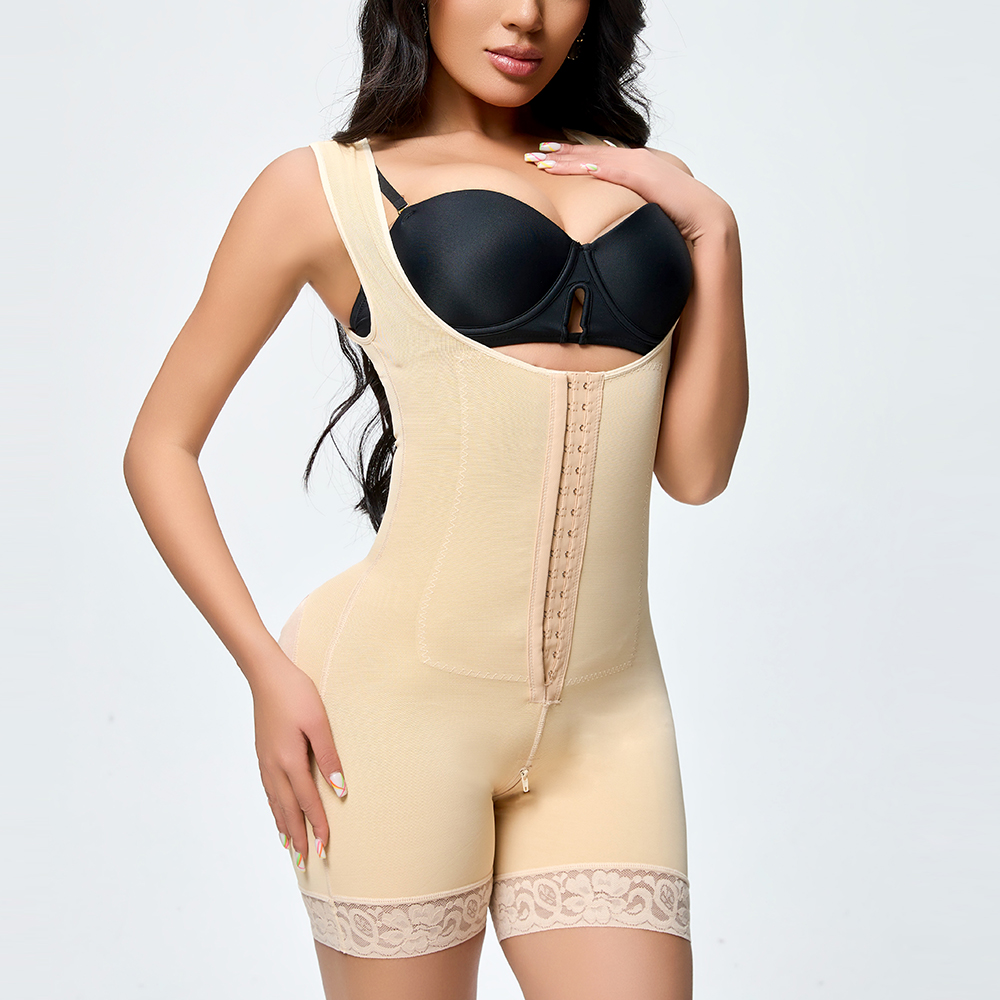
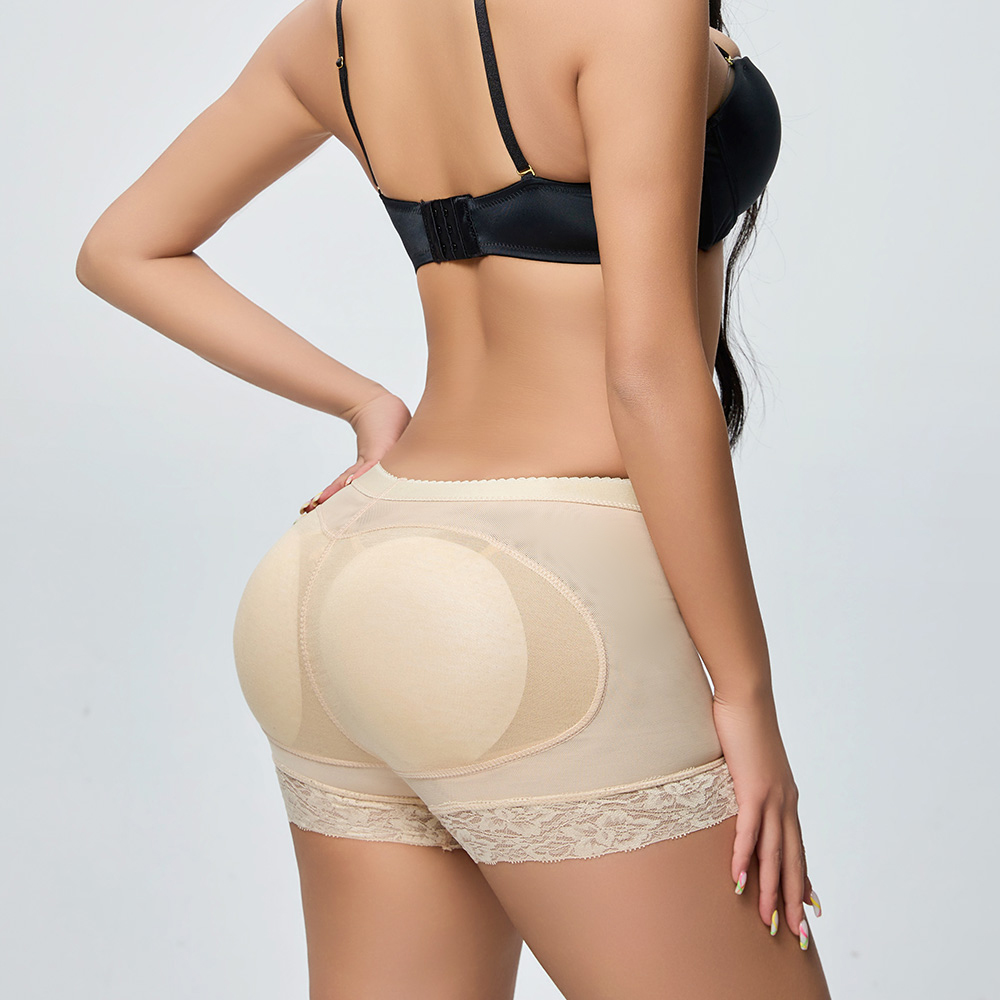
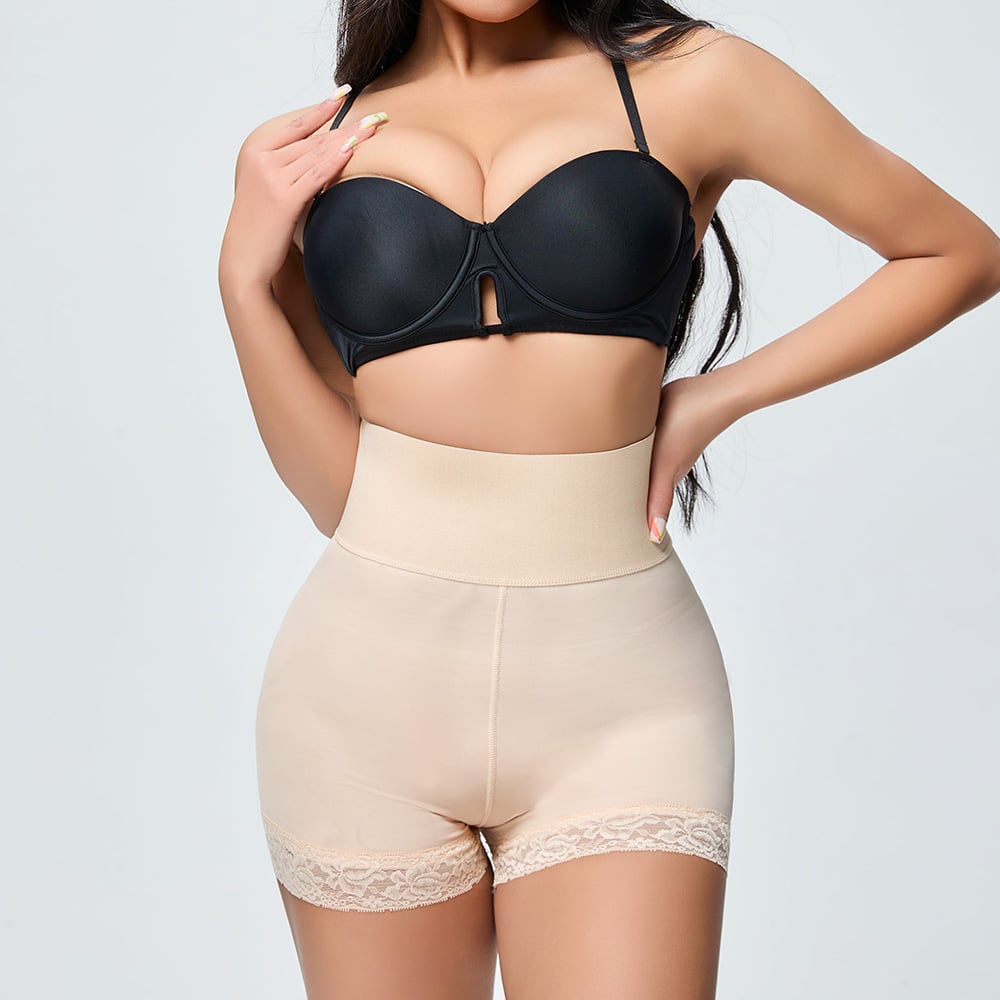
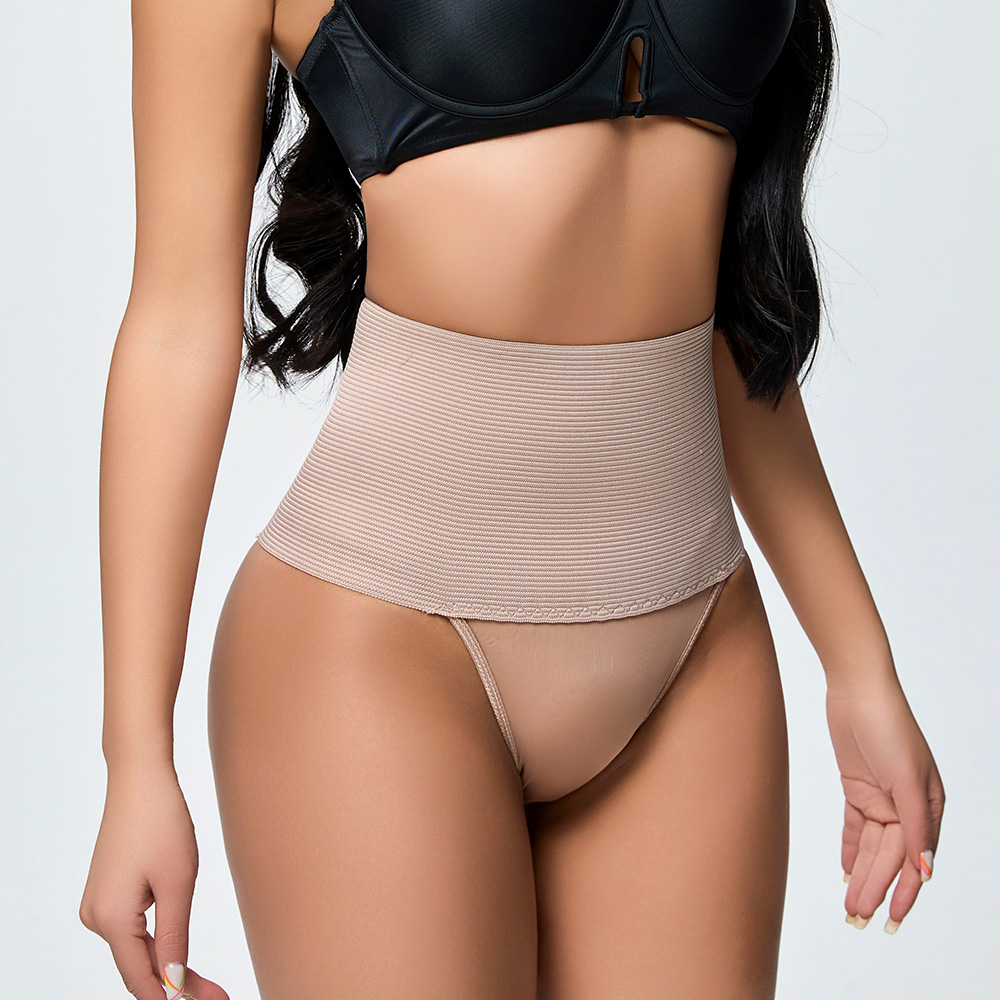
Neutral and skin-tone shapewear continues to dominate worldwide sales because consumers want invisible support under clothing. Shades such as nude, beige, tan, café, mocha, and espresso are consistently among the best-selling options across global retail channels.
The popularity of nude tones comes from their versatility:
● Ideal under light-colored clothing
● Invisible beneath sheer fabrics
● Suitable for daily wear
● Easy to match with multiple outfits
● Preferred for seamless styling
Modern consumers also expect inclusive nude ranges that match different skin tones instead of a single “universal nude.” This trend has become especially important in North American and European markets.
For B2B buyers, offering multiple nude shades can significantly improve customer satisfaction and reduce return rates.
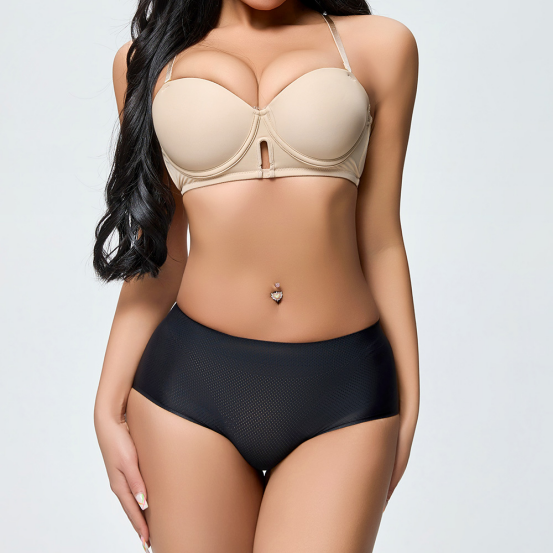
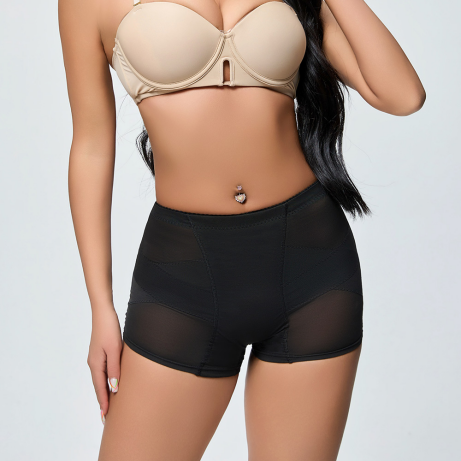
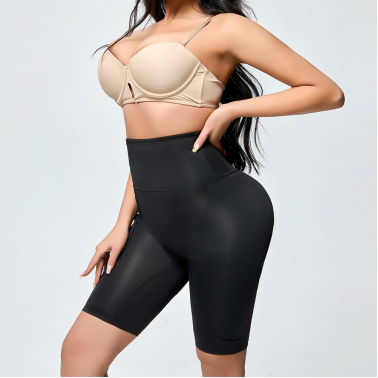
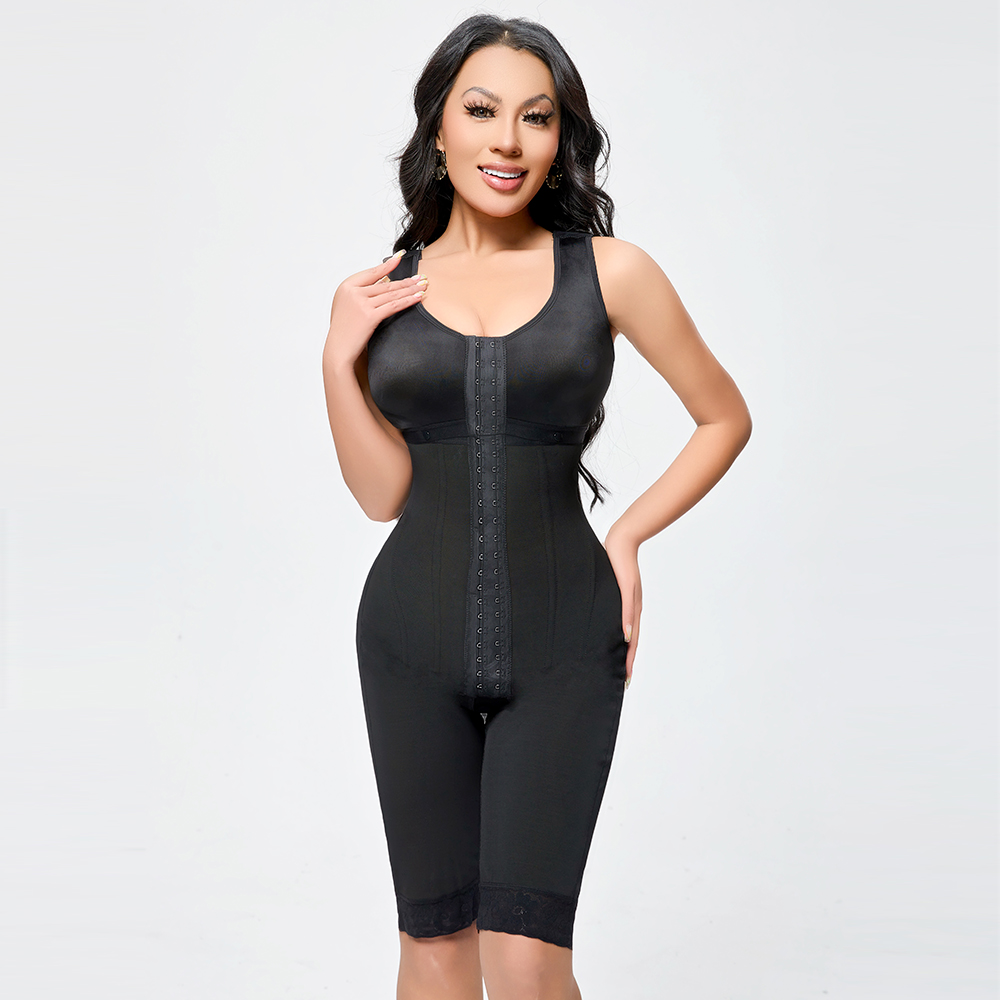
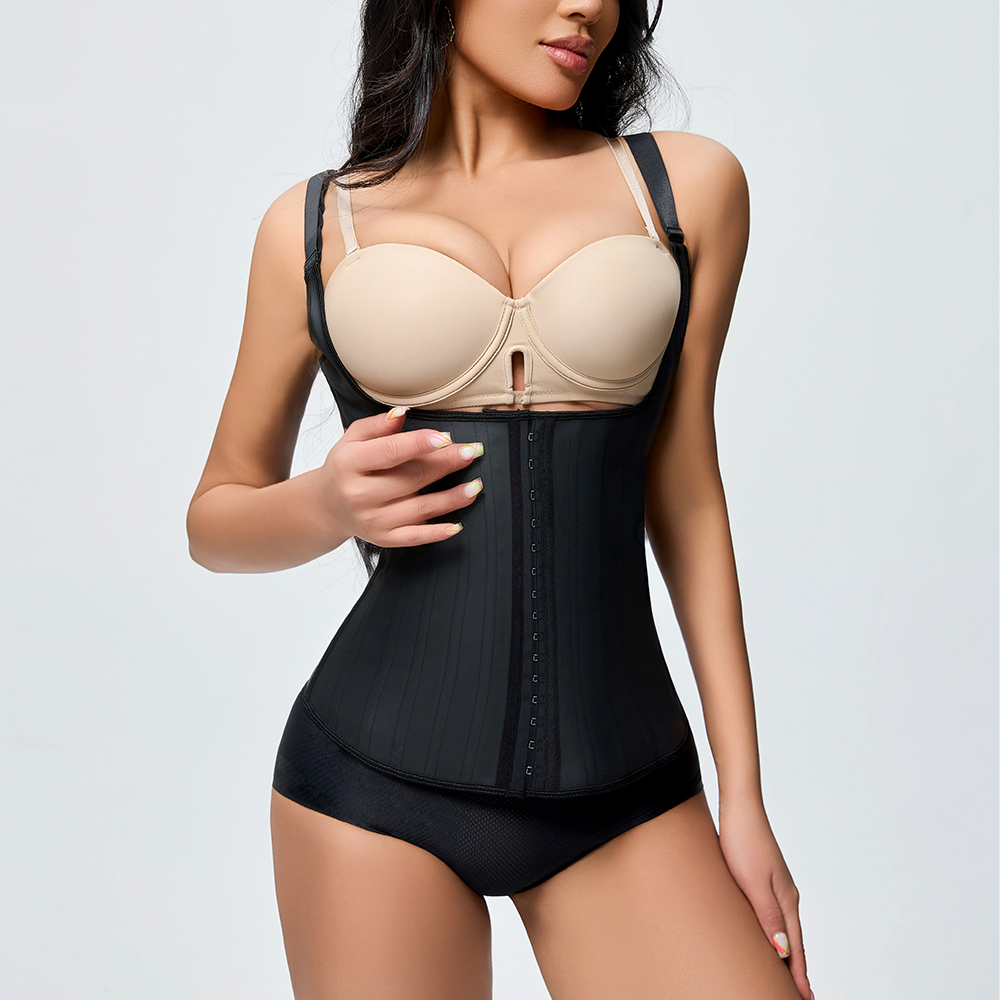
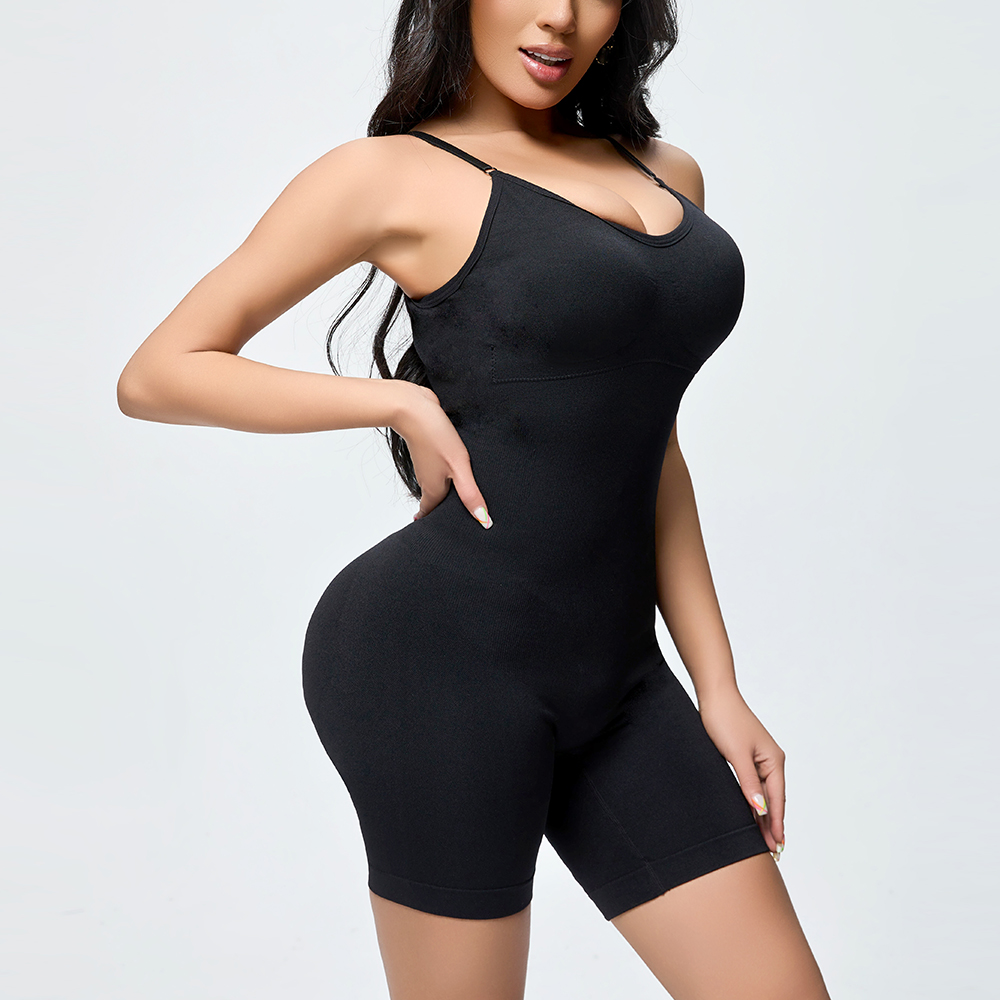
Black shapewear remains one of the safest and most profitable color options in global retail markets.
Consumers prefer black because it offers:
● A slimming visual effect
● Better resistance to visible stains
● Versatility for daily use
● Compatibility with darker outfits
● A premium and elegant appearance
Black is particularly strong in:
● Fashion retail
● E-commerce
● Department stores
● Boutique clothing chains
● Eveningwear categories
Many retailers report that black shapewear has lower inventory risk because it appeals to a wide range of age groups and fashion preferences.
For online sellers, black products also photograph well and typically generate stronger conversion performance in product listings.
3. Beige and Light Tan Are Essential for Everyday Wear
Light beige and tan shades are especially popular in regions with warmer climates, including Southeast Asia, South America, and the Middle East.
Consumers often choose these shades because they:
● Blend naturally with medium skin tones
● Work well under white garments
● Provide a softer appearance than black
● Feel more discreet for daily use
Retail buyers targeting mass-market consumers often include beige as a core inventory color because of its broad commercial appeal.
4. Deep Brown and Espresso Tones Support Inclusive Fashion
Inclusive color development has become one of the most important trends in modern shapewear.
Global consumers increasingly expect brands to offer deeper nude shades that better match darker skin tones. Rich espresso, cocoa, mocha, and chocolate tones are becoming more common across premium shapewear collections.
This trend is especially important in:
● North America
● Latin America
● African diaspora markets
● Inclusive fashion retail
Retailers that offer broader nude shade ranges are often viewed as more modern and consumer-focused.
Although white shapewear is less dominant than nude or black, it still plays an important role in bridal, formalwear, and specialty fashion markets.
White shapewear is commonly used for:
● Wedding dresses
● Formal gowns
● White uniforms
● Light-colored fashion collections
However, many consumers still prefer nude tones under white clothing because nude shades appear less visible beneath fabric.
Retailers usually position white shapewear as a seasonal or occasion-based product category rather than a core bestseller.
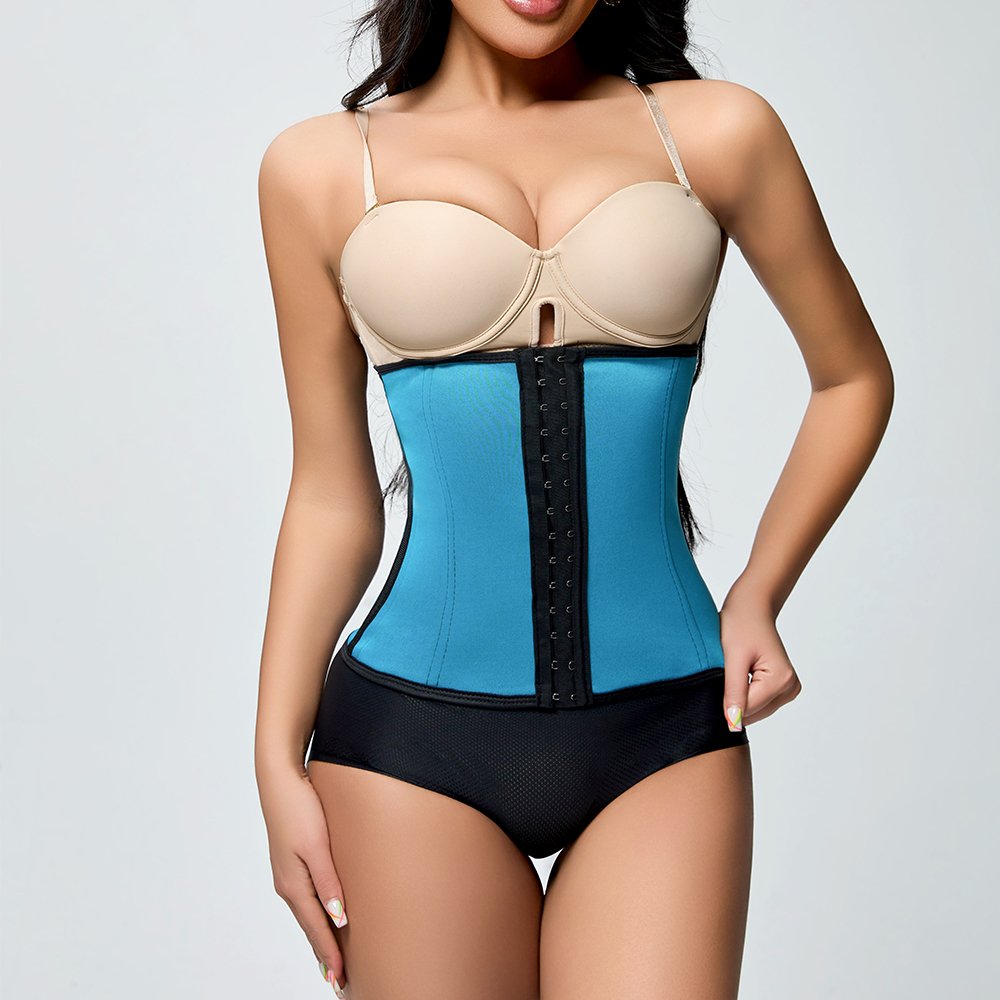
While neutral tones still dominate sales volume, bold colors are becoming increasingly popular among younger consumers and fashion-forward brands.
Trending fashion colors include:
● Red
● Emerald green
● Sapphire blue
● Burgundy
● Dusty pink
● Lavender
● Terracotta
Social media platforms such as TikTok and Instagram have transformed shapewear from a hidden undergarment into a visible fashion statement in some product categories.
This trend is particularly strong among:
● DTC brands
● Fashion influencers
● Lifestyle retailers
● Online boutiques
Conclusion
For distributors, bold colors can help create seasonal collections and increase social media engagement.
The global shapewear market is evolving from a purely functional category into a combination of fashion, comfort, and inclusivity.
While nude, beige, and black remain the strongest commercial colors worldwide, modern consumers are also driving demand for inclusive skin-tone shades and expressive fashion colors.

 EN
EN