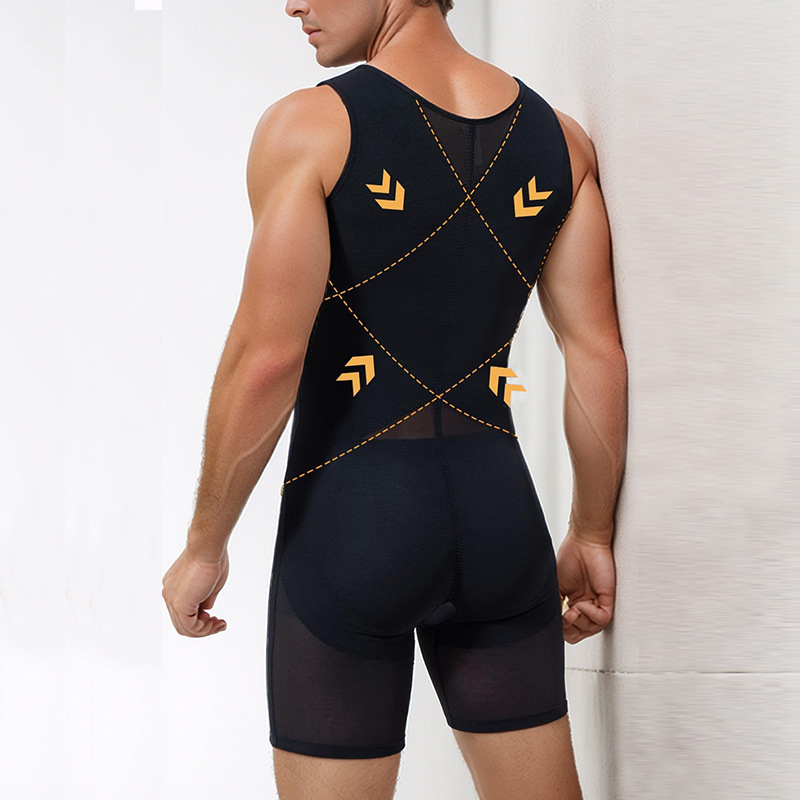
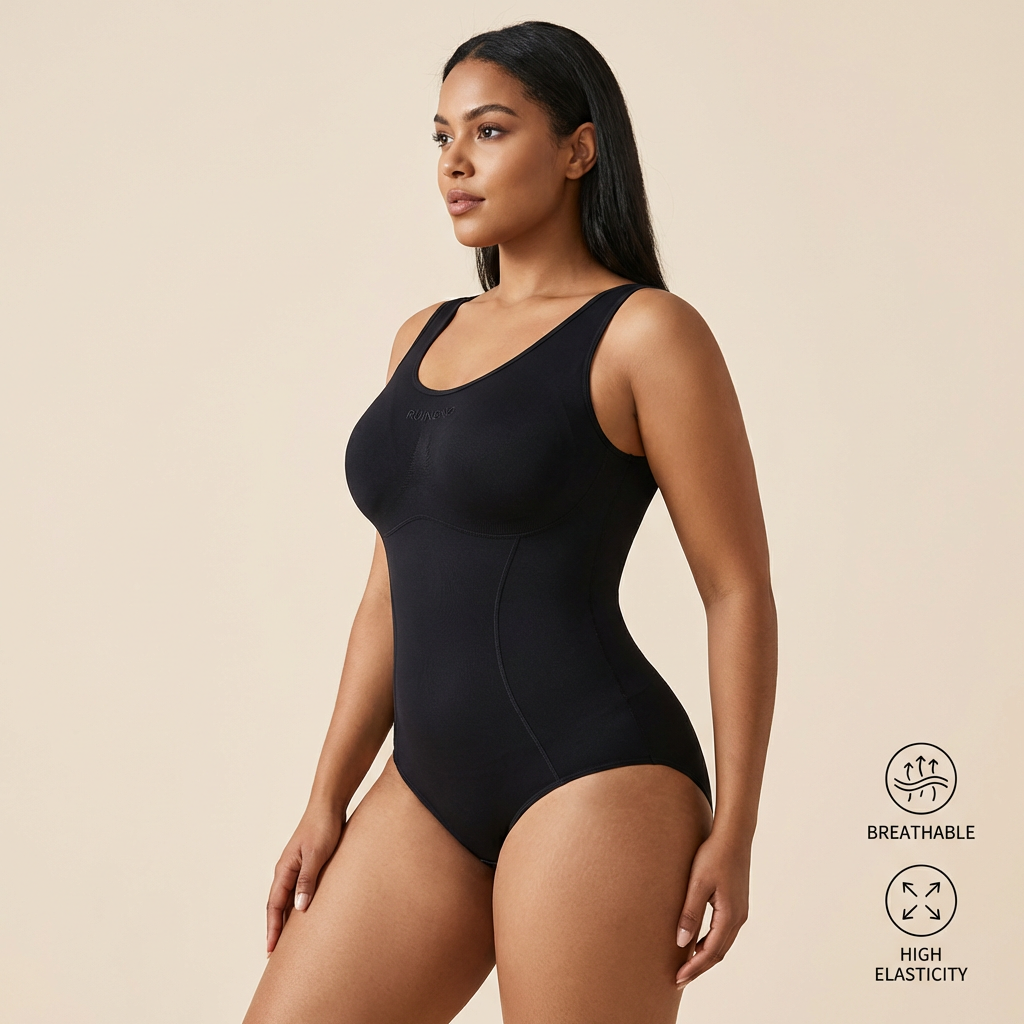
The U.S. shapewear market is projected to expand at a 5.2% compound annual growth rate from 2026 to 2030, with tummy control shapewear growing at an even faster clip. This acceleration stems from a fundamental shift in consumer priorities: shoppers now demand targeted shaping that combines aesthetic results with all-day comfort. For retailers, the segment offers high repeat purchase rates and strong margin potential—especially when product lines move beyond basic smoothing into zone-specific compression.
Tummy control shapewear is outperforming the broader shapewear market by a clear margin. While the overall category grows at 5.2% annually, products designed specifically for midsection shaping capture a disproportionate share of new buyers. That’s because tummy control addresses the most common body concern—abdominal laxity—across multiple life stages: postpartum, post-weight loss, and age-related changes. Brands concentrating SKU investment here benefit from higher sell-through rates and lower markdown risk compared to full-body or butt-lifting alternatives.
Online channels now account for 68% of tummy control shapewear sales, making digital shelf placement essential for scalability. The shift is fueled by virtual fitting tools that let shoppers visualize fit and compression levels without trial rooms. Retailers integrating size recommendation algorithms see return rates drop by up to 35%, directly improving net margins. Social commerce further amplifies visibility: influencer try-on hauls and user-generated fit reviews build trust more effectively than traditional advertising for this intimate apparel category.
Retailers targeting the tummy control shapewear segment must understand three core consumer drivers: inclusivity in sizing, functional performance, and social commerce influence. These factors collectively reshape purchasing patterns and brand loyalty.
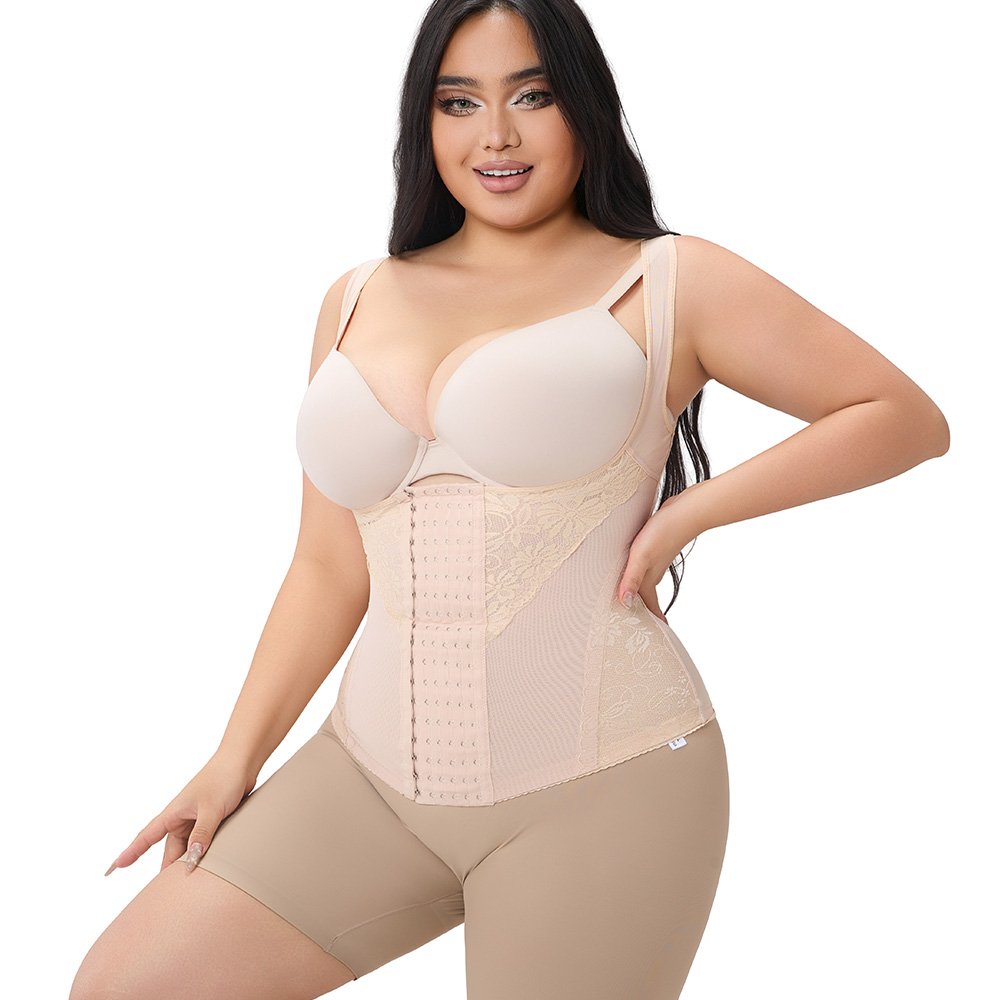
Brands offering extended size ranges (XXS–6XL) capture previously underserved demographics—expanding the potential customer base by 3.2 times compared to traditional sizing. Inclusive sizing also reduces returns from fit issues by 18%, according to apparel industry data.
“Tummy control” generates 73% more search volume than alternatives like “abdomen shapers” or “core compression.” Retailers should optimize product titles and descriptions using this high-intent terminology. Matching naming conventions to search behavior improves conversion rates by up to 29%.
To scale effectively, retailers must match their distribution strategy to the specific behaviors of tummy control shapewear buyers. A selective distribution approach works best: partner with a limited number of trusted online platforms and specialty stores that can deliver proper fit guidance and size-inclusive offerings. This balances brand control with market reach. For e-commerce, prioritize direct-to-consumer (DTC) channels to capture higher margins and collect first-party data on sizing preferences. Meanwhile, wholesale placements in premium department stores or shapewear-focused boutiques provide physical trial opportunities that boost conversion. The key is to allocate inventory based on demand signals—place firmer-control styles (which yield higher margins) in channels with return-proof fitting tools, and lighter-control options in mass-market outlets for impulse purchases. Optimizing these channel combinations ensures consumers find the right product at the right touchpoint, reducing stockouts and markdowns.
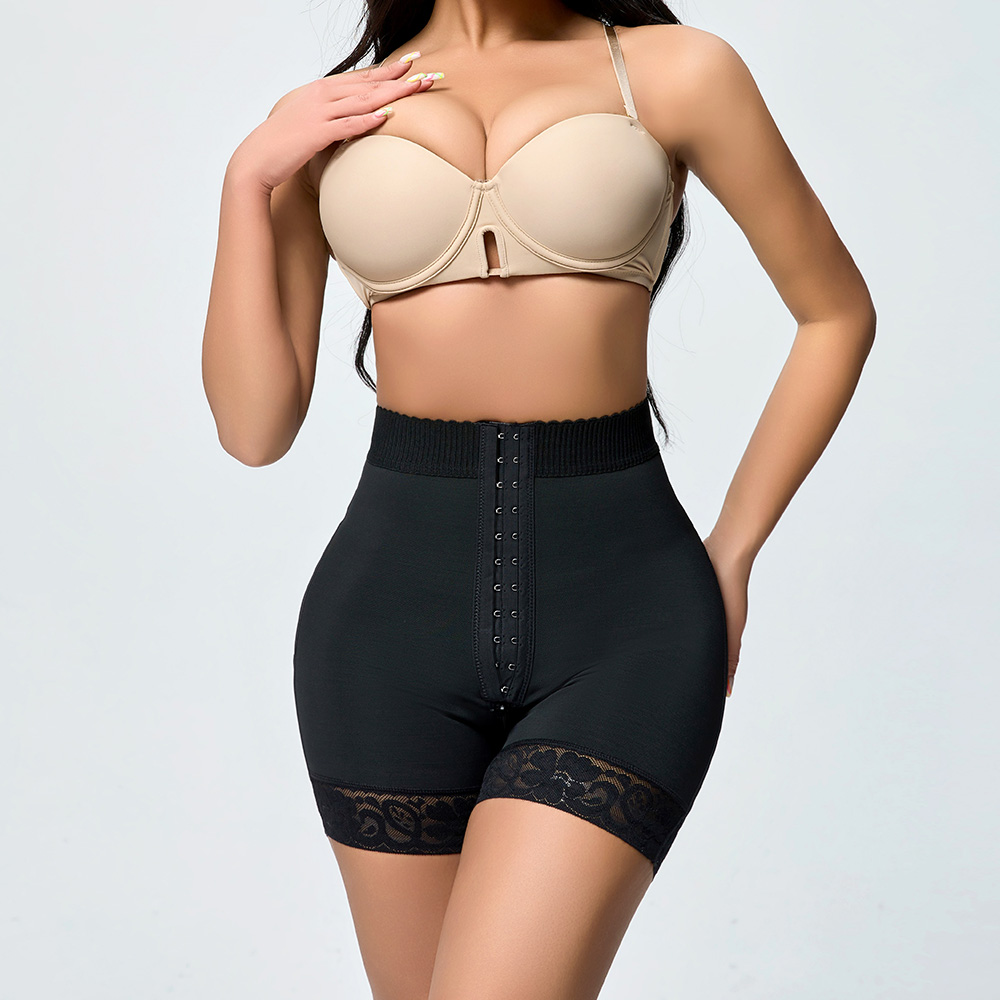
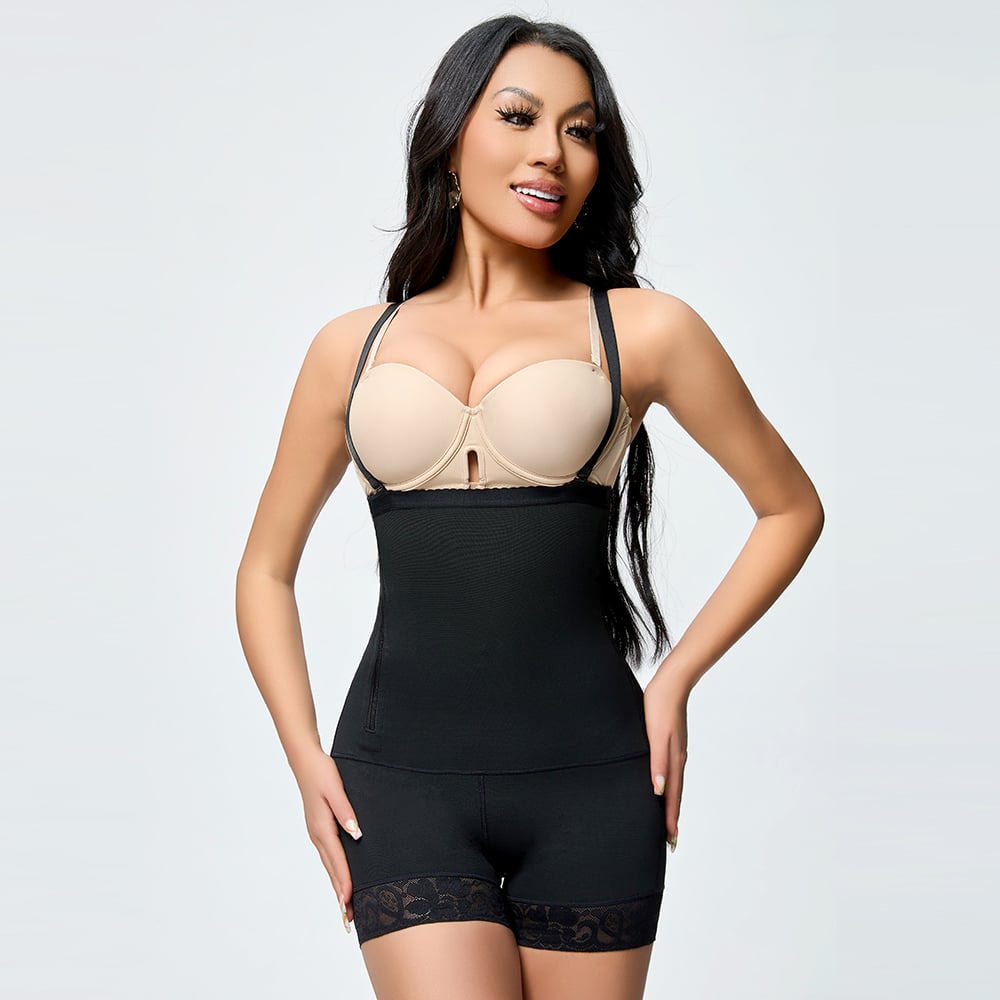
Modern tummy control shapewear leverages advanced textile innovations to deliver reliable performance at scale. Lycra FitSense® technology embeds targeted compression zones directly into the fabric, eliminating the need for bulky panels or separate inserts. This approach ensures consistent tummy control across a wide size range—from XS to 3XL—by varying the knit density rather than altering the garment’s core structure. Manufacturers can standardize production processes while still meeting diverse body shapes, a key advantage for retailers seeking inventory flexibility. Independent testing shows that zone-specific compression reduces fit inconsistencies by up to 40% compared to traditional all-over shaping. With such predictable results, retailers can confidently stock fewer SKUs without sacrificing customer satisfaction or fit quality.
Prioritizing firm and extra-firm control styles in your tummy control shapewear assortment directly improves profitability. These styles consistently generate 22–28% higher gross margins compared to light-control alternatives. The margin advantage stems from premium materials, higher perceived value, and reduced price sensitivity among buyers seeking maximum shaping. Retailers should adjust inventory mix to allocate more shelf space and working capital to these high-margin products. Sourcing strategies must focus on suppliers capable of delivering consistent compression quality at scale without cost inflation. Use demand forecasting to balance firm-control stock with lighter options, avoiding overstock on slower-moving items. This targeted approach strengthens overall margin management while meeting consumer demand for effective shapewear.
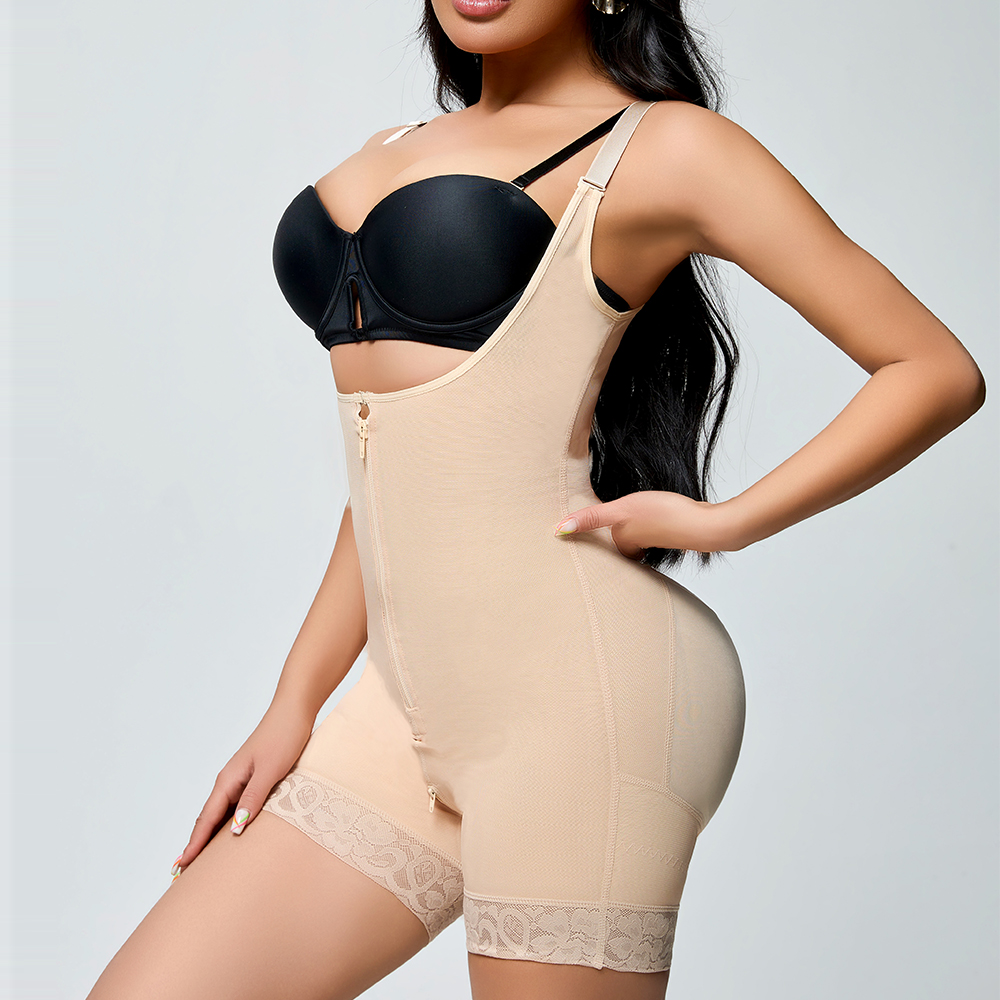
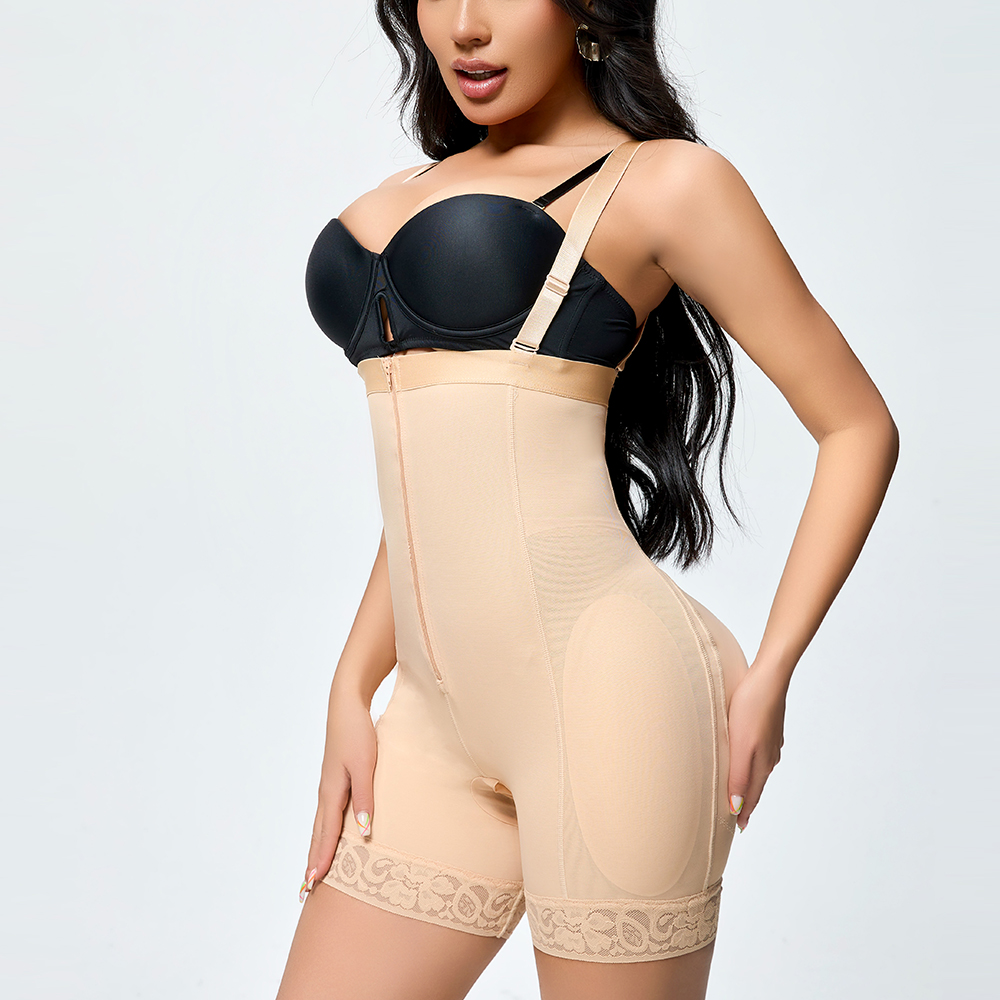
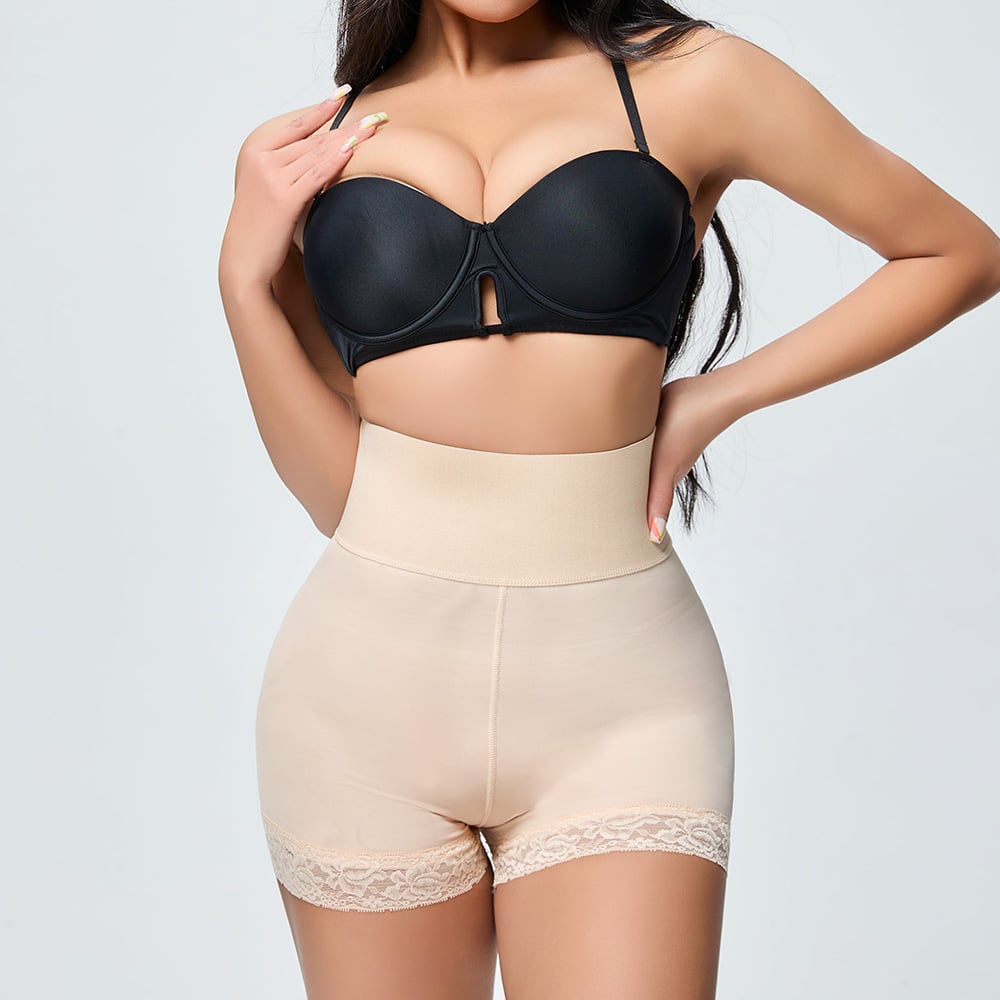
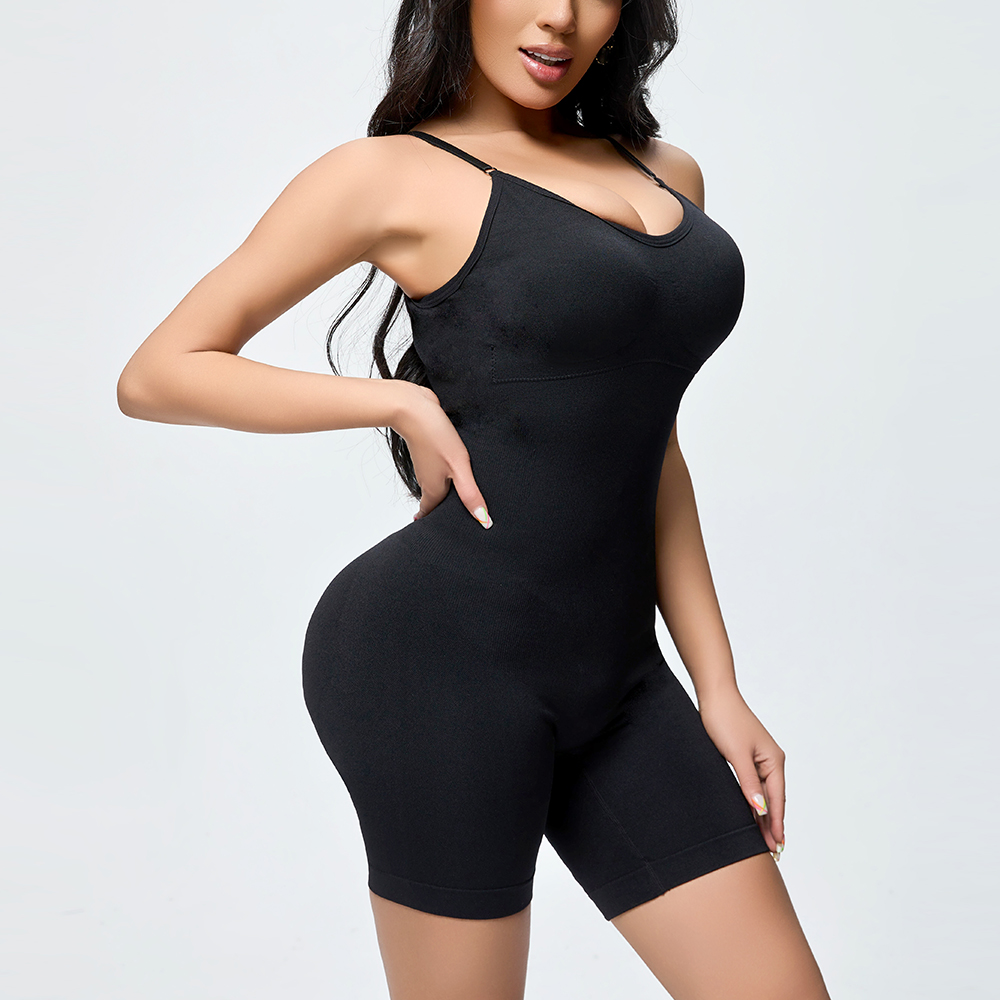
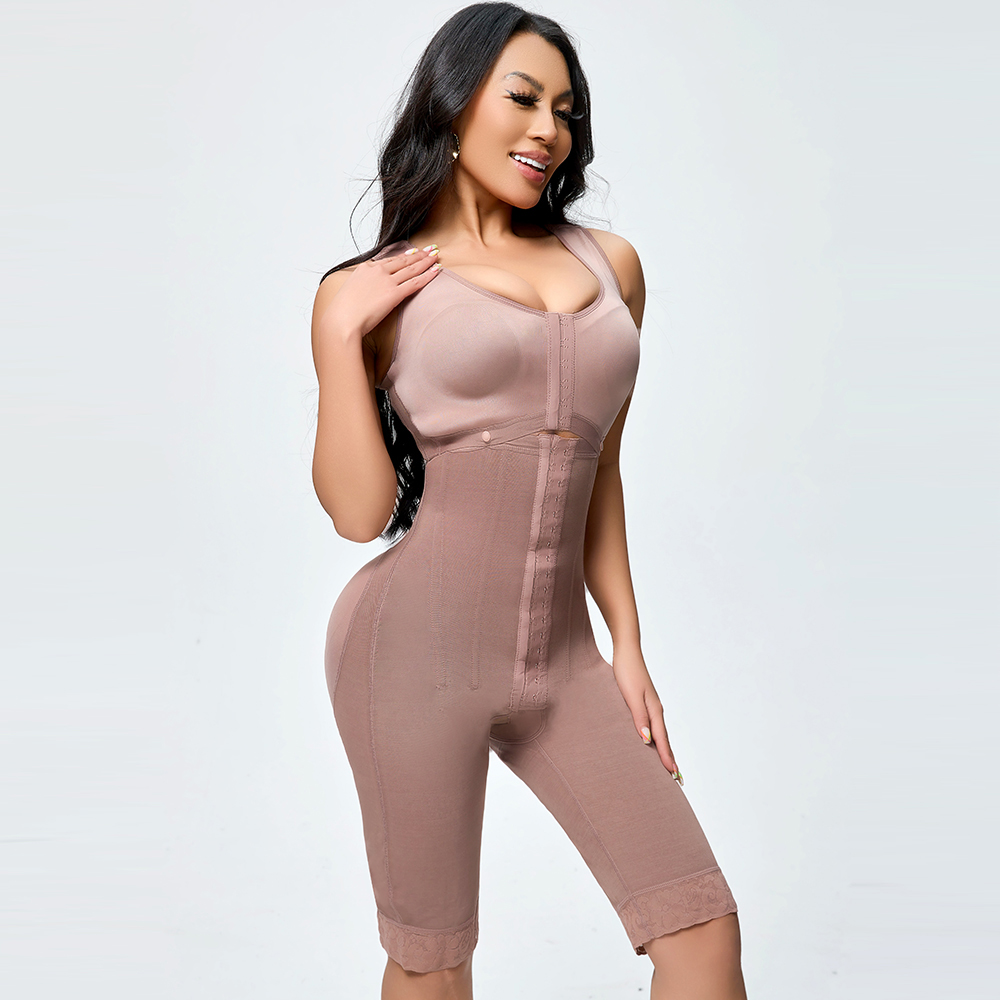
We are a direct manufacturer of tummy control shapewear, plus size shapewear, and wholesale shapewear. Our tummy control shapewear features Lycra FitSense® technology, moisture‑wicking fabrics (MVTR ≥3000), and sizes XS–5XL.
✔ Low MOQ (500 pieces per style)
✔ Fast shipping to Europe, Africa, Saudi Arabia, UAE, Jordan, Kuwait, Qatar, Iraq
✔ Custom branding, packaging, and size runs
✔ OEKO‑TEX® certified & one‑to‑one service
Tummy control shapewear addresses the most common body concerns across various life stages and offers strong aesthetic results combined with comfort. Consumer demand and repeat purchase rates make this segment lucrative for retailers.
E-commerce channels account for 68% of tummy control shapewear sales, driven by virtual fitting technology and social commerce. These tools reduce return rates and enhance product visibility.
Inclusive sizing (XXS–6XL) captures underserved demographics, expanding the potential customer base by 3.2 times. It also decreases returns from fit issues, improving profitability for retailers.
Lycra FitSense® technology creates zone-specific compression in the fabric, ensuring consistent tummy control across diverse sizes without altering core garment structure, simplifying production at scale.
Retailers should prioritize firm and extra-firm control styles, which yield 22–28% higher gross margins than light-control options. Tailored inventory strategies and sourcing predictability also help optimize margins.

 EN
EN