Premium shapewear is not only about creating a slimmer silhouette—it is also about comfort, durability, breathability, and long-lasting shaping performance. Behind every high-quality shapewear product is carefully selected fabric technology that determines compression level, body support, wearing experience, and product lifespan.
For brands, wholesalers, and retailers, understanding shapewear fabrics is essential when sourcing products. Different fabrics provide different benefits, from strong body contouring and firm compression to lightweight comfort and seamless flexibility.
Modern shapewear manufacturers combine advanced textile technology with innovative fabric blends to create garments that meet the expectations of global consumers.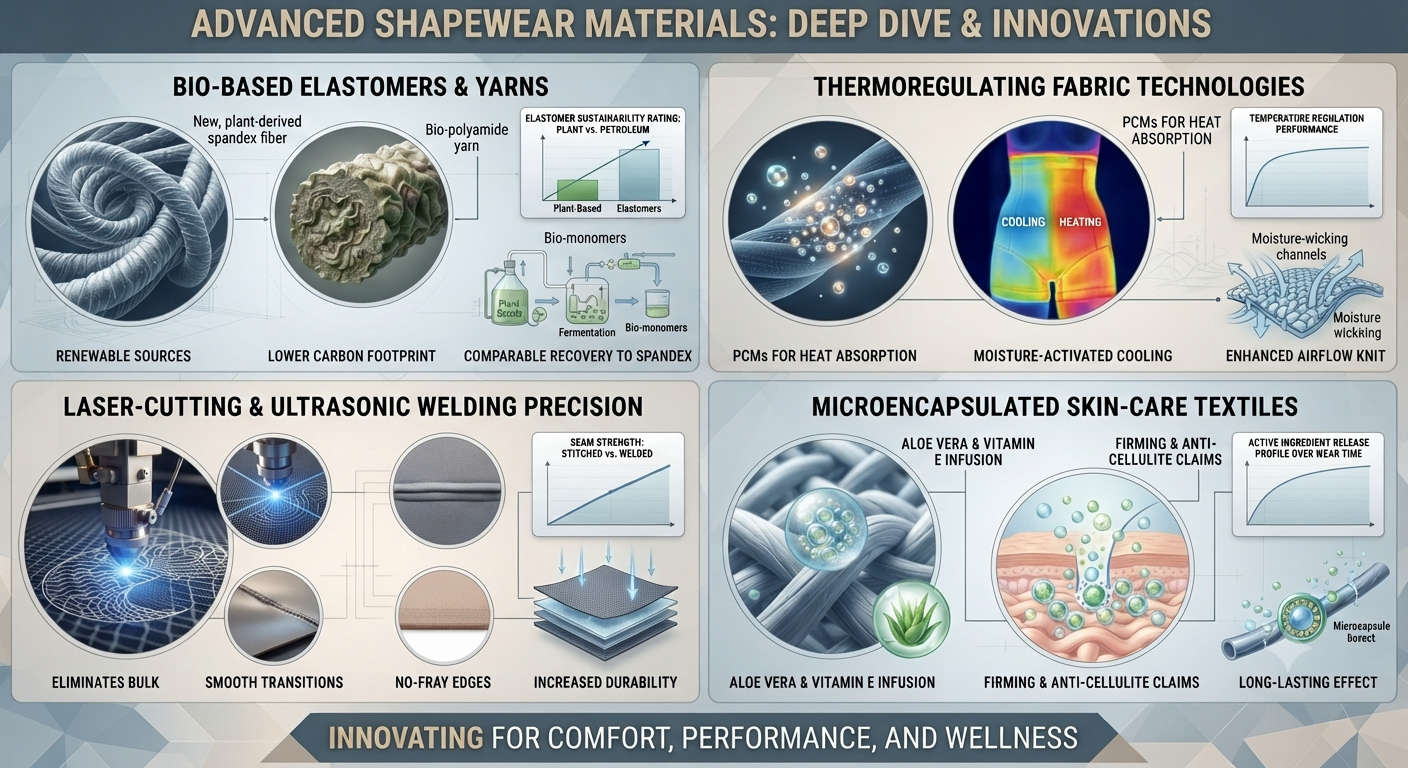
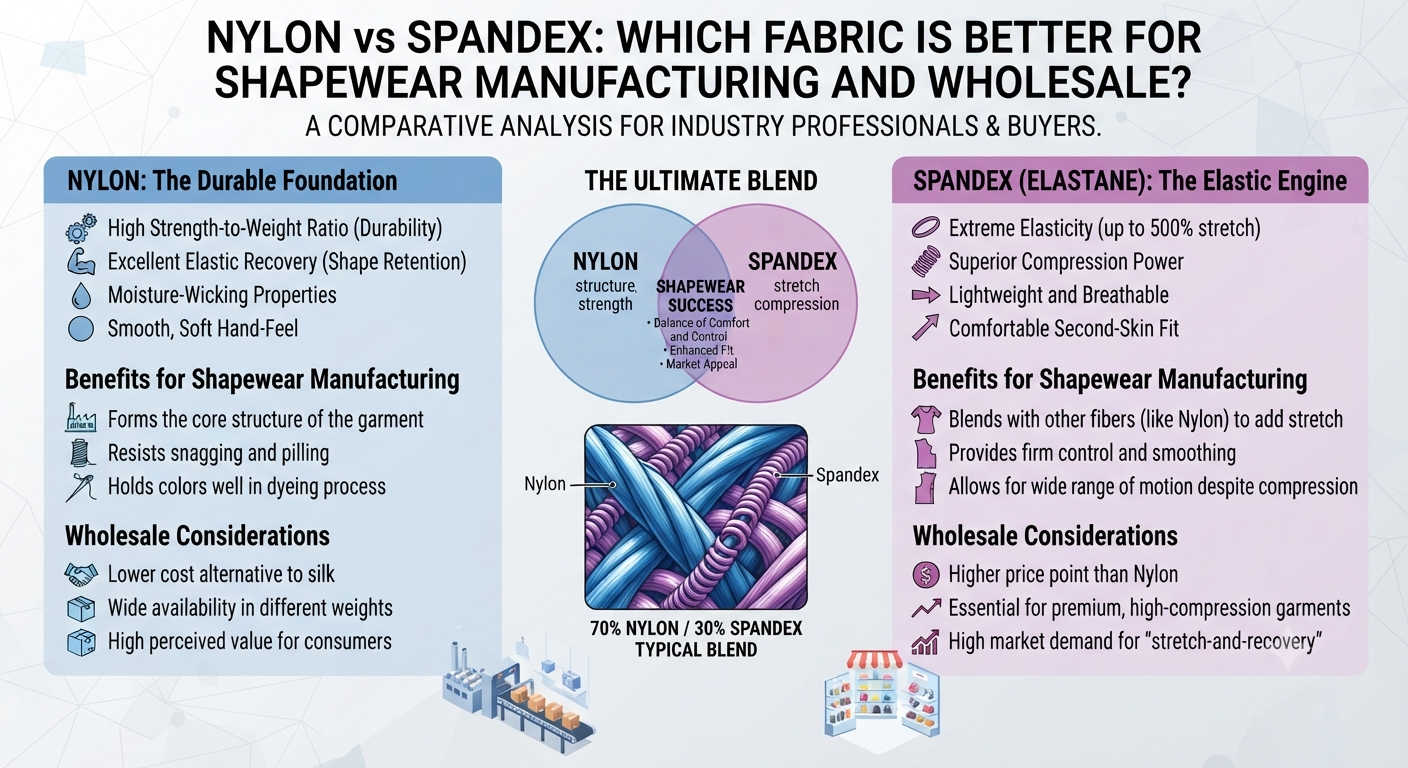
Nylon is one of the most widely used materials in high-quality shapewear production because of its excellent strength, softness, and elasticity.
Premium nylon fabrics provide:
Nylon is often blended with spandex to create shapewear that offers effective compression while maintaining flexibility.
Many professional manufacturers use nylon-based fabrics for products such as:
For international brands, nylon blends are popular because they balance performance, comfort, and production cost.
Spandex, also known as elastane or Lycra, is a critical component in premium shapewear. It provides exceptional elasticity and allows garments to stretch while returning to their original shape.
The advantages of spandex include:
A higher percentage of spandex usually creates stronger shaping effects. However, professional manufacturers carefully control the fabric ratio to ensure the right balance between compression and comfort.
High-quality shapewear typically uses nylon-spandex blends to achieve effective body shaping without restricting natural movement.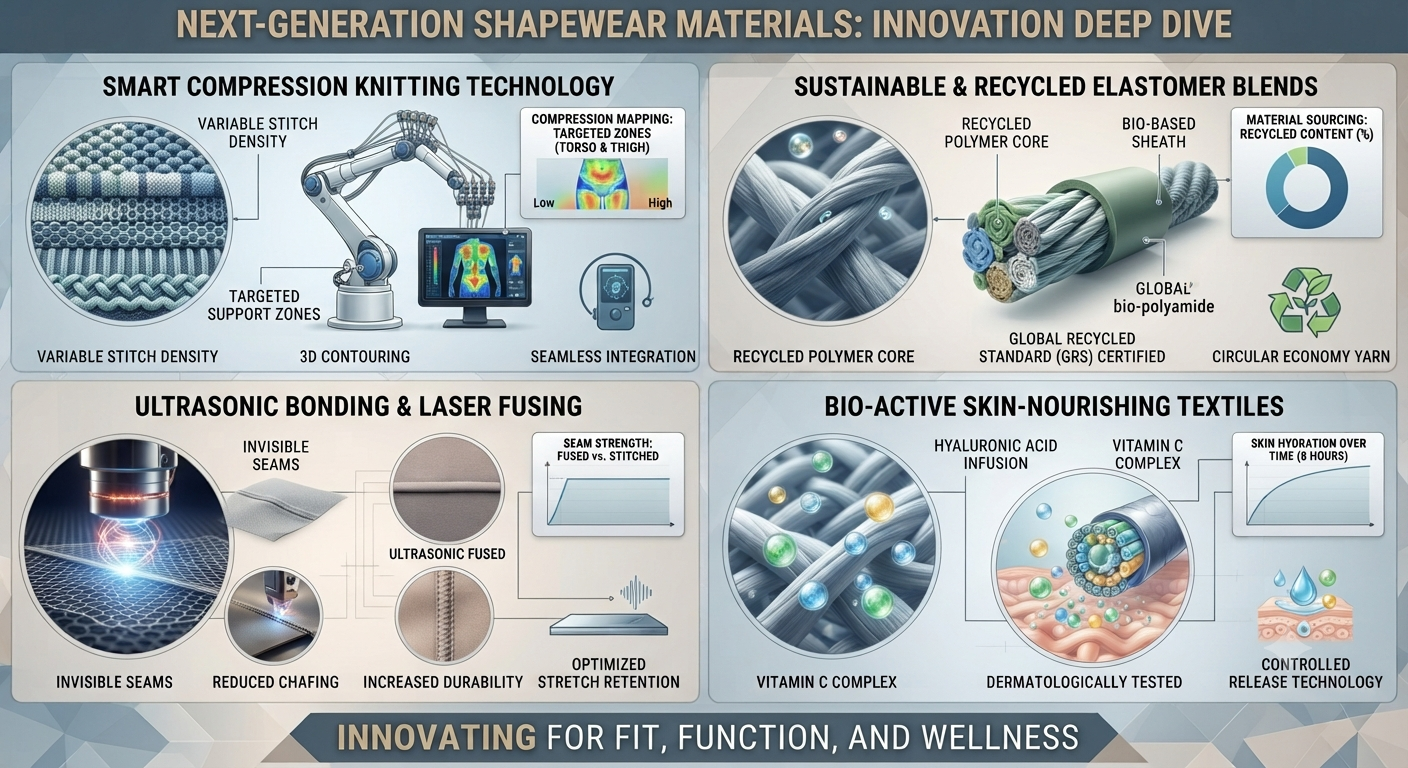
Polyester is another commonly used fabric in shapewear manufacturing due to its durability and easy-care properties.
Key benefits include:
Polyester is often combined with nylon or spandex to improve strength and maintain shaping performance.
For large-scale retail programs and private label projects, polyester blends can provide a practical solution while maintaining consistent quality.
Seamless technology has become increasingly popular in the premium shapewear market. Instead of traditional cut-and-sew methods, seamless fabrics are produced using advanced knitting techniques.
Benefits of seamless shapewear fabrics include:
Seamless shapewear is especially popular among consumers who wear shaping garments daily and prefer invisible support under dresses, workwear, and casual outfits.
Microfiber fabrics are known for their ultra-soft texture and comfortable touch. They are commonly used in premium shapewear designed for everyday wear.
Advantages of microfiber include:
Microfiber materials help create shapewear products that feel more like second skin while still providing body contouring benefits.
Modern consumers increasingly demand shapewear that provides shaping results without feeling uncomfortable during long periods of use.
Premium manufacturers often use fabrics with:
These features are especially important for customers living in warm climates, including Southeast Asia, the Middle East, and South America.
Breathable shapewear helps improve customer satisfaction and increases repeat purchase opportunities.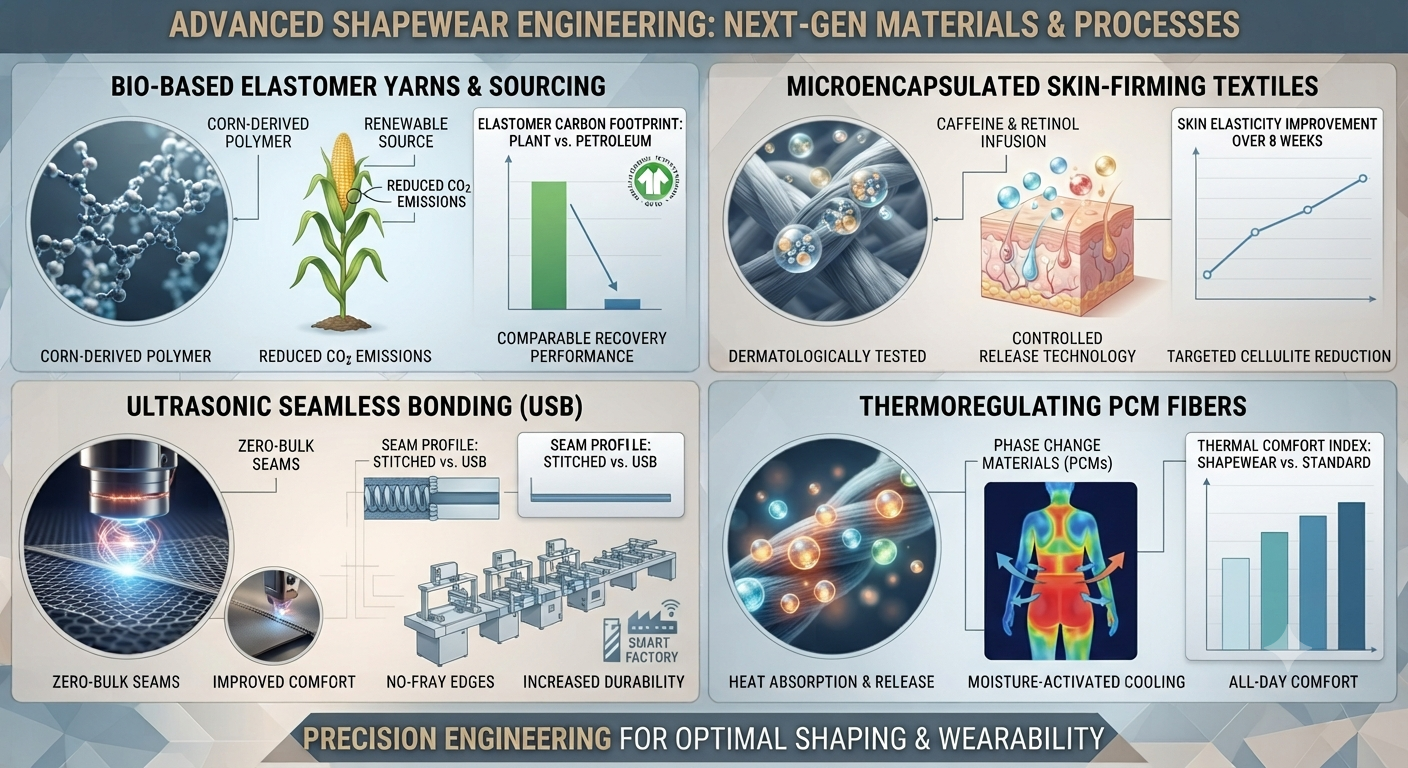
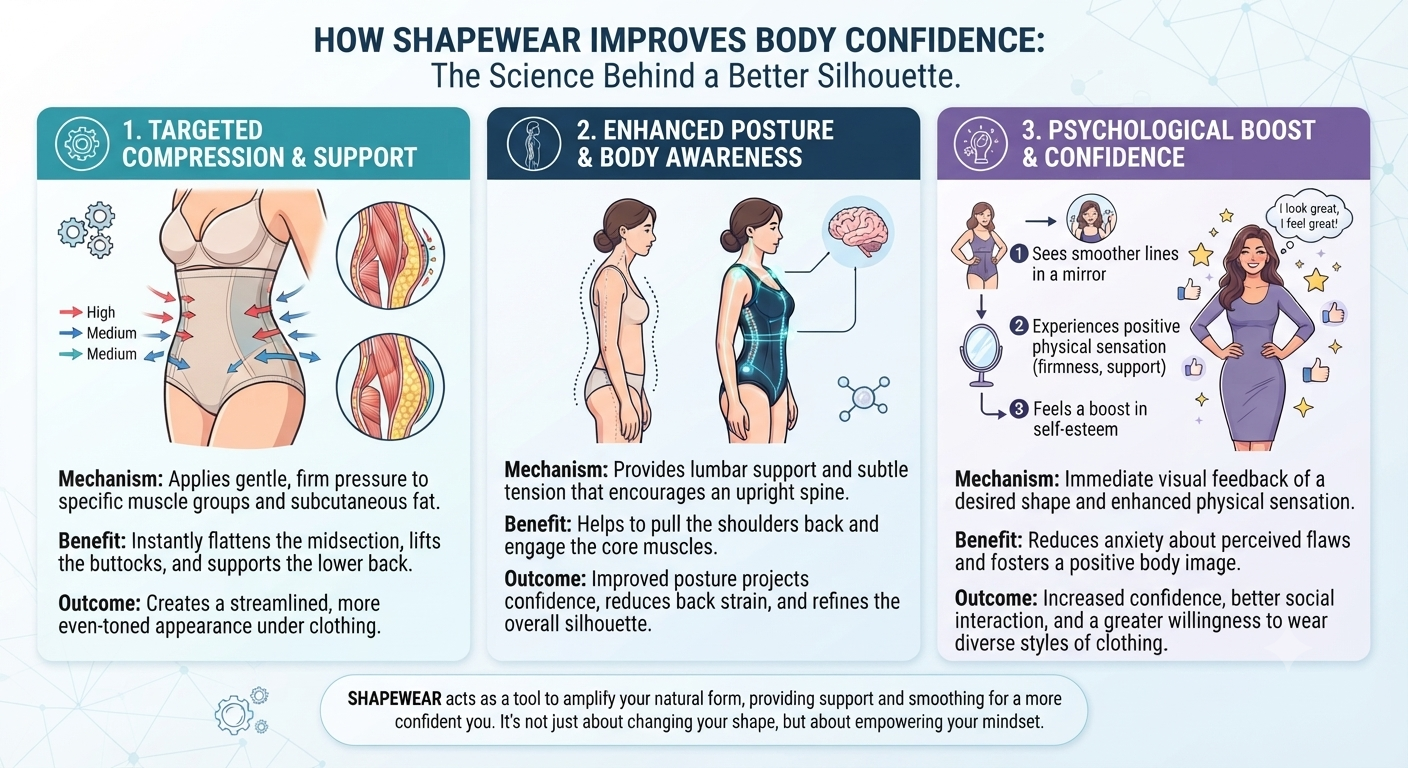
Compression performance is one of the most important factors in premium shapewear.
Advanced compression fabrics are designed to provide targeted support in areas such as:
Different compression levels allow manufacturers to develop various product categories:
Professional shapewear suppliers adjust fabric structure and elasticity according to product requirements and target markets.
The fabric choice directly affects:
Soft and breathable materials improve the wearing experience.
High-performance compression fabrics create better body contouring results.
Premium materials maintain elasticity after repeated washing.
Comfortable and effective shapewear encourages repeat purchases.
For brands and retailers, selecting the right fabric is a key factor in building competitive shapewear products.
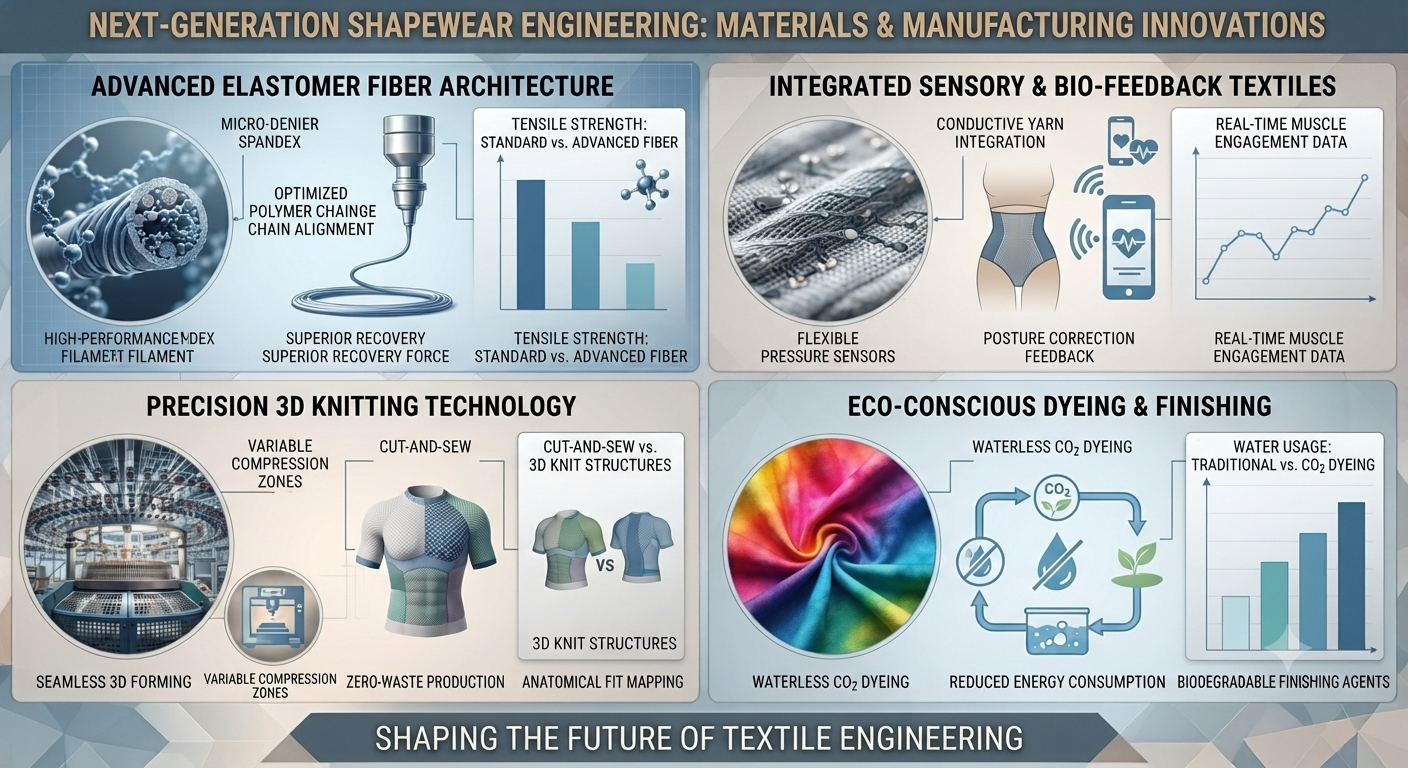
Premium shapewear relies on advanced fabric technology to deliver the perfect combination of shaping performance, comfort, and durability.
Materials such as nylon, spandex, polyester, microfiber, and seamless knitted fabrics allow manufacturers to create products that meet the diverse needs of global consumers.

 EN
EN