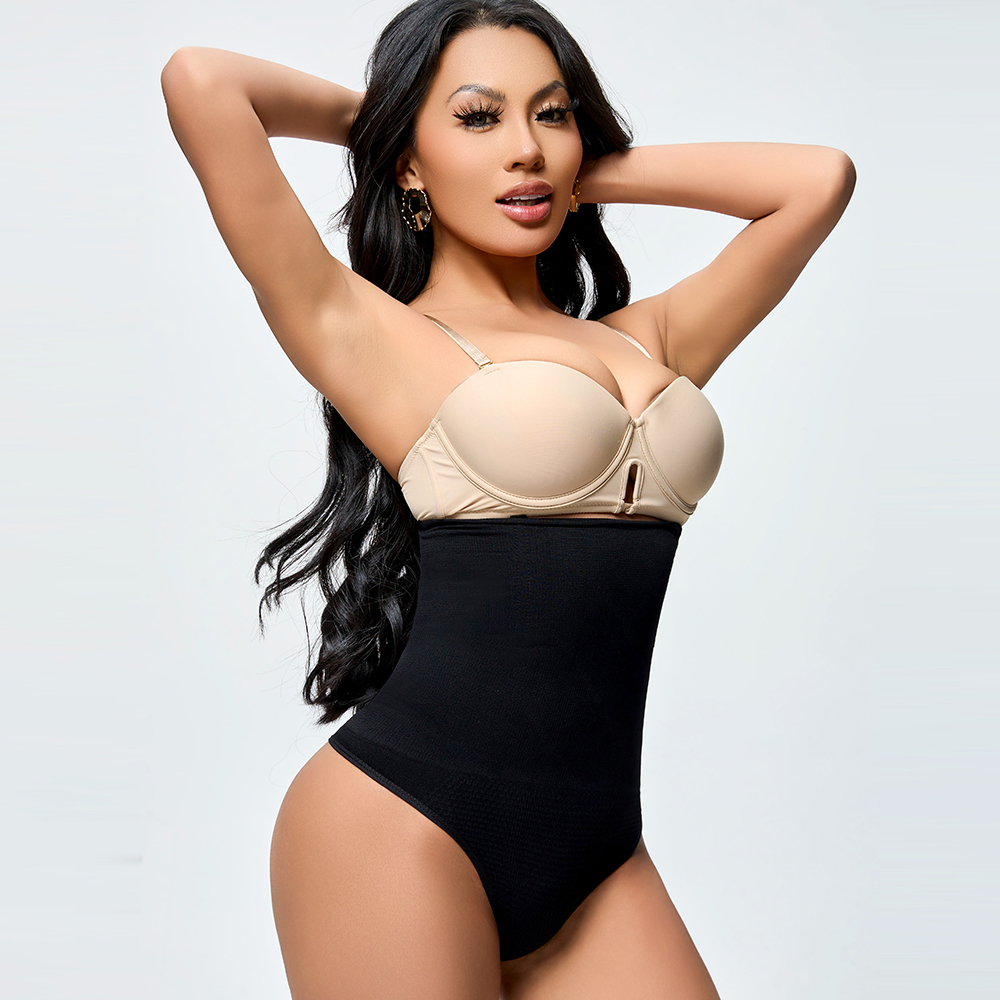
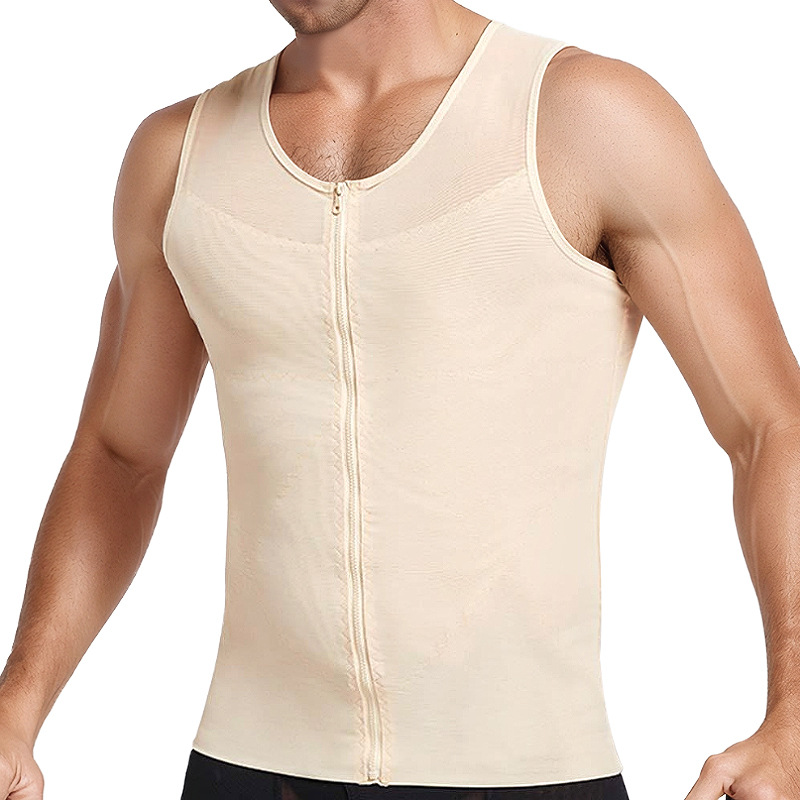
High compression shapewear is engineered to deliver significantly greater pressure than standard or moderate alternatives—typically 25 to 40 mmHg or more. In contrast, standard shapewear provides light smoothing (often below 15 mmHg), while moderate garments range from 15 to 25 mmHg. This elevated pressure relies on advanced fabric blends—commonly 30–40% elastane—and multilayered, non-stretching panels that maintain consistent tension over time. Unlike moderate options, high compression garments restrict soft tissue movement through precisely targeted zones, simultaneously compressing the abdomen, waist, and hips. The result is instantaneous, visible contouring that standard or moderate shapewear cannot achieve—making it ideal for dramatic silhouette refinement under form-fitting clothing.
The effectiveness of high compression shapewear hinges on precise, graduated pressure gradients measured in millimeters of mercury (mmHg). While medical compression standards classify 20–30 mmHg as moderate—suitable for mild support and recovery—high compression shapewear operates in the 30–40 mmHg band. At this level, pressure actively redistributes soft tissue and promotes temporary fat displacement, particularly when applied with a lower-to-upper body gradient: strongest at the lower abdomen and tapering upward. This design encourages fluid movement away from the waistline, enhancing smoothness. Research in textile engineering shows that consistent 35 mmHg compression can reduce waist circumference by 1–3 inches during wear—but only when pressure is uniform across the garment. That’s why top manufacturers use seamless construction and graduated knit patterns to prevent edge bulging and ensure even force distribution. Understanding these ranges helps users match compression intensity to their functional and aesthetic goals.
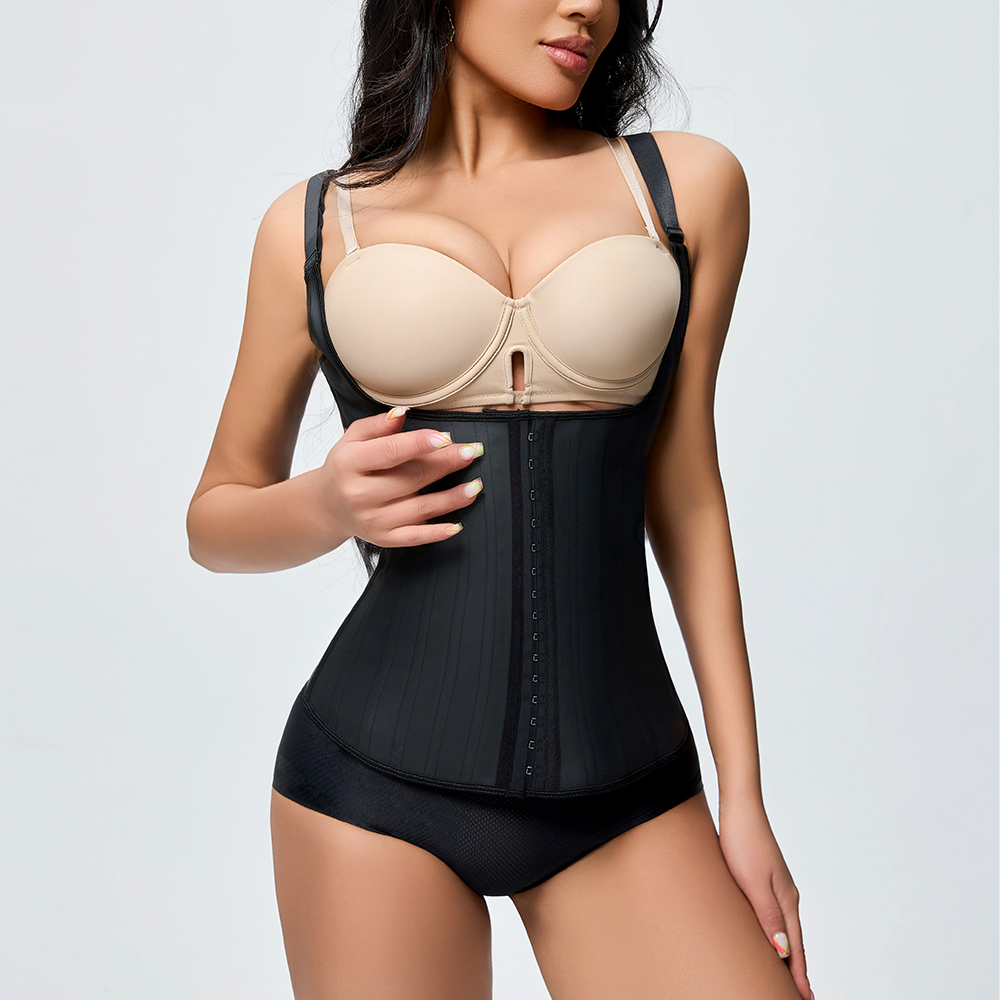
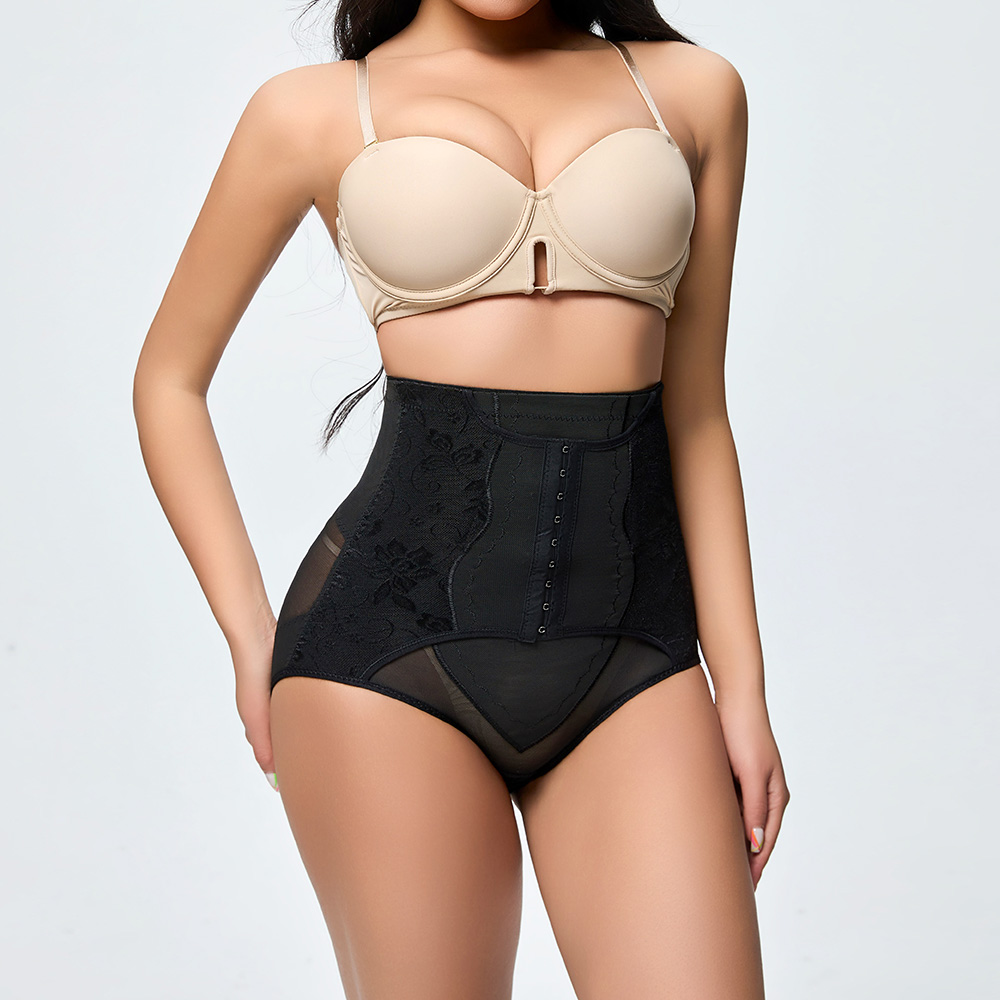
High compression shapewear delivers immediate, visible contouring by applying firm, controlled pressure to the midsection. Its engineered panels create targeted compression zones—especially dense at the lower abdomen and waist—that flatten the stomach and define the waistline without compromising comfort. Unlike standard shapewear, which applies uniform pressure, high compression designs use graduated tension to draw in soft tissue while preserving healthy blood flow. The result is an instantly smoother, more sculpted silhouette under clothing. This effect is most pronounced where fabric density and panel layering are greatest. Additionally, the gentle resistance supports postural alignment, subtly encouraging upright posture and reduced sway.
Beyond aesthetics, high compression shapewear offers measurable biomechanical benefits. The garment’s resistance prompts active engagement of core stabilizers—including the transverse abdominis and erector spinae—during everyday standing and seated activities. Electromyography (EMG) studies confirm increased muscle activation under compression, supporting improved spinal alignment and reduced lower back strain over time. Wearers often report less fatigue during long workdays or extended standing, suggesting sustained neuromuscular feedback contributes to both comfort and functional posture correction. These findings position high compression shapewear not just as a cosmetic tool, but as a supportive adjunct for daily physical wellness.
Effective high compression shapewear requires a precise elastane (spandex) ratio—typically 25% to 40% of total fabric weight. This threshold delivers sufficient tensile strength for sculpting while retaining breathability and long-term durability. Premium shapers use high-recovery fibers designed to rebound after repeated wear, unlike budget alternatives that rapidly lose shape and compression. The table below highlights key distinctions between entry-level and premium construction:
| Feature Category | Budget Shapers ($20–$40) | Premium Shapers ($70–$110) |
|---|---|---|
| Fabric Technology | Basic nylon/spandex, low airflow | Proprietary blend, advanced moisture management |
| Structural Longevity | Stretches out quickly, loses compression | High-recovery fibers, retains shape over time |
| Comfort & Wearability | Holds heat, can cause chafing and roll-up | Breathable, zoned compression, tall-length stability |
Elastane content alone isn’t enough—the real differentiator lies in recovery performance. Advanced blends with moisture-wicking properties further enhance all-day wearability by minimizing heat buildup and skin irritation.
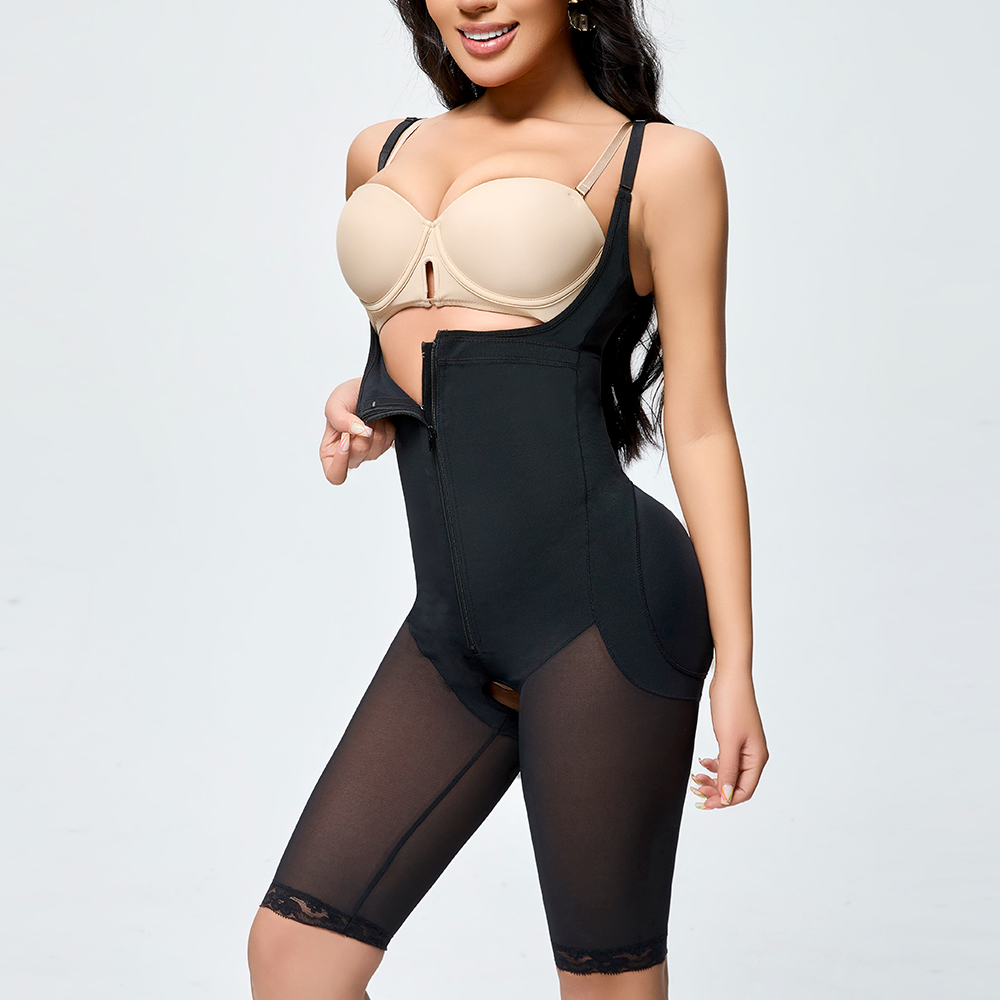
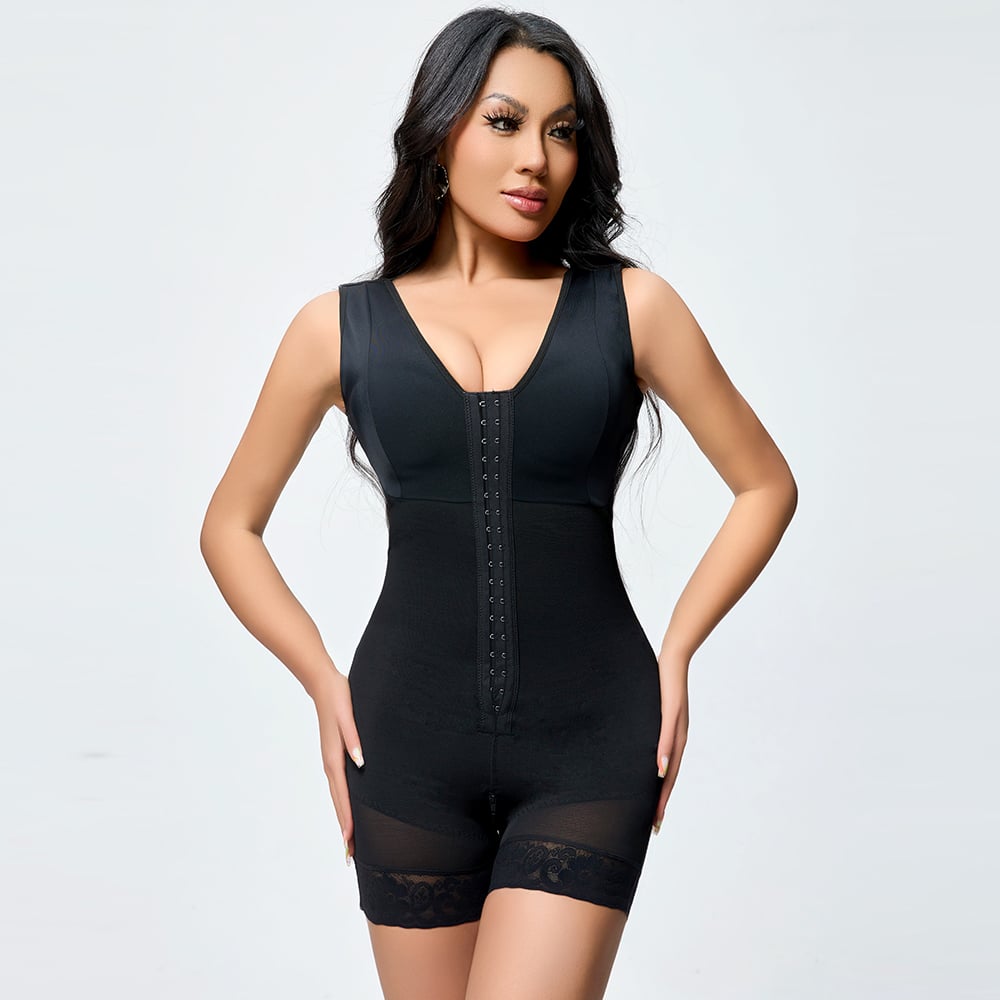
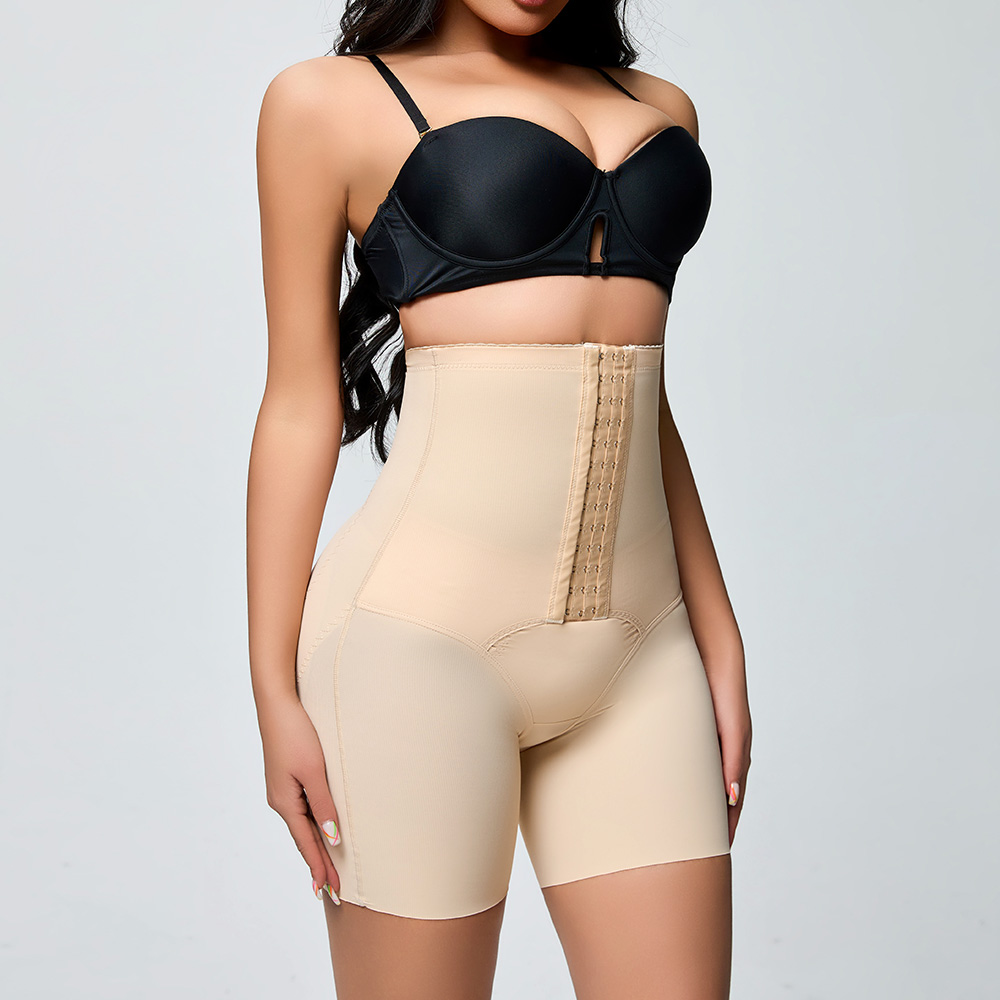
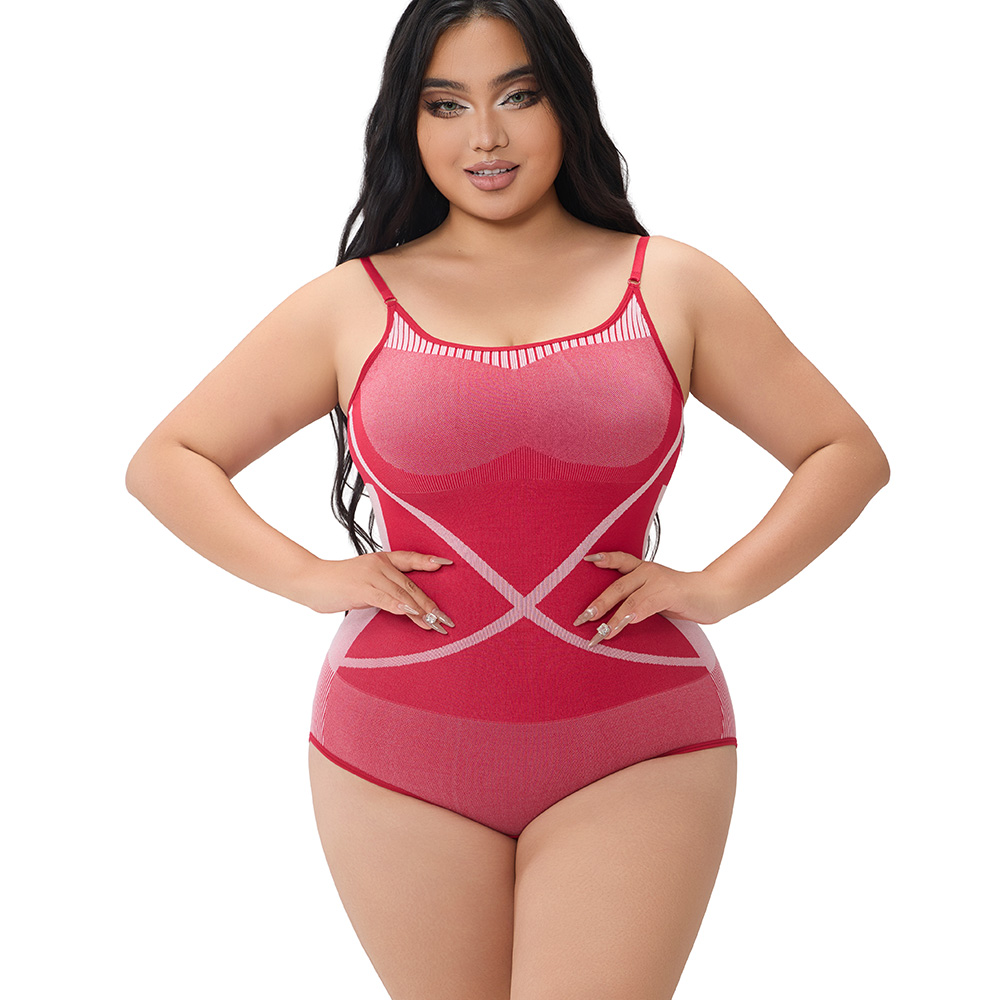
Fabric composition sets the foundation—but strategic panel placement and seaming determine how effectively compression translates into body-specific shaping. A single-layer fabric applies uniform tension; overlays—like power mesh at the lower abdomen—add secondary layers of targeted force exactly where needed. Seams are deliberately positioned to follow anatomical curves, guiding fabric around the waist and hips to smooth without restricting movement. This zoned architecture ensures firm control where it matters most, while allowing flexibility and comfort elsewhere—a clear advantage over uniform compression, which often leads to pinching, rolling, or uneven shaping.
Proper fit is essential for safety and efficacy. Numbness or tingling signals nerve compression or compromised circulation—remove the garment immediately. Waistband rolling creates inconsistent pressure that digs into skin and undermines sculpting. Breathing restriction indicates dangerous diaphragm constriction; full respiratory capacity must always be preserved. Dermatologists advise that persistent red marks lasting longer than 30 minutes after removal reflect excessive pressure. Other warning signs include dizziness, digestive discomfort, or restricted mobility. Prioritize comfort over extreme compression: ill-fitting garments increase thrombosis risk by 40% compared to properly sized alternatives, according to the Journal of Vascular Health (2023).
Limit daily use of high compression shapewear to 8–12 hours maximum. Cardiologists strongly recommend removing garments before sleep to restore natural circulation and reduce clotting risk. Begin gradually—start with 2–3 hour sessions before special events—to allow your body to acclimatize. Dermatological research shows exceeding 12 hours daily increases fungal infection risk by 65% in humid conditions due to trapped moisture (Clinical Dermatology Review, 2023). Avoid wearing during intense exercise or meals. Individuals with hypertension, diabetes, or pregnancy should consult a physician before use. Incorporate at least one compression-free day per week to support skin integrity, muscle tone, and long-term comfort.
High compression shapewear is designed to apply significant pressure (25–40 mmHg or more) to sculpt and contour the body, using advanced fabric blends and targeted compression zones.
Standard shapewear provides light smoothing (less than 15 mmHg), while high compression garments deliver instantaneous, visible contouring through firmer, graduated pressure.
Yes, but wear should be limited to 8–12 hours per day for safety. Avoid wearing during sleep, exercise, or meals, and consult a physician if you have underlying medical conditions.
Benefits include immediate tummy and waist contouring, posture support, and muscle engagement, as well as improved aesthetics under form-fitting clothing.
Ensure the garment fits comfortably without causing numbness, rolling, or breathing restriction. Consult size charts and prioritize comfort over extreme compression.

 EN
EN