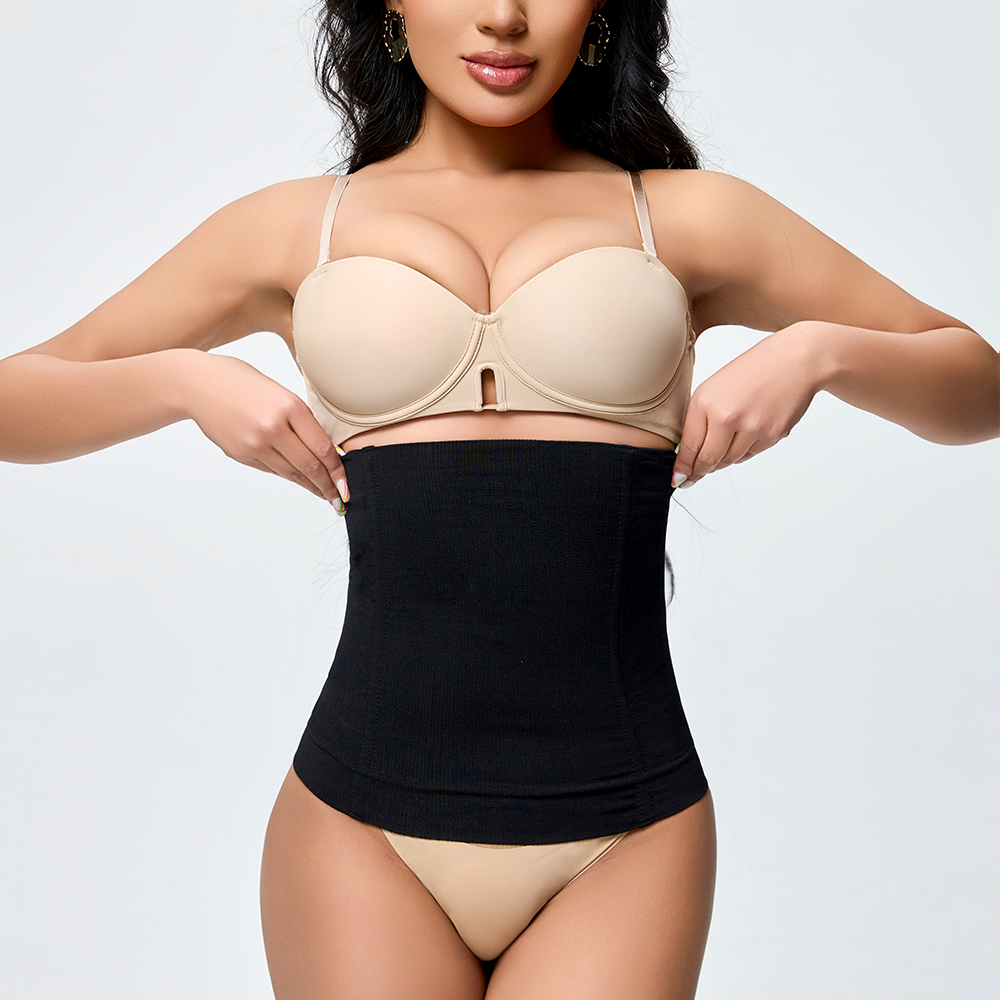
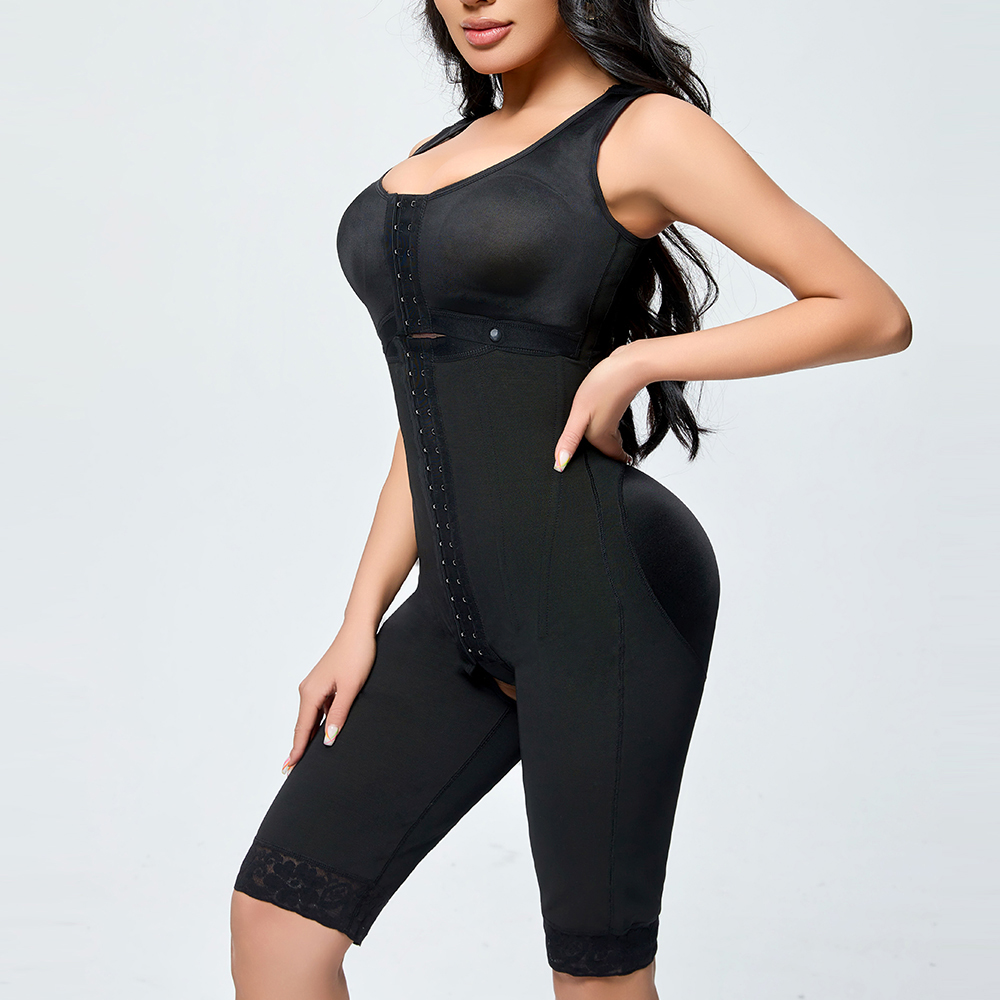
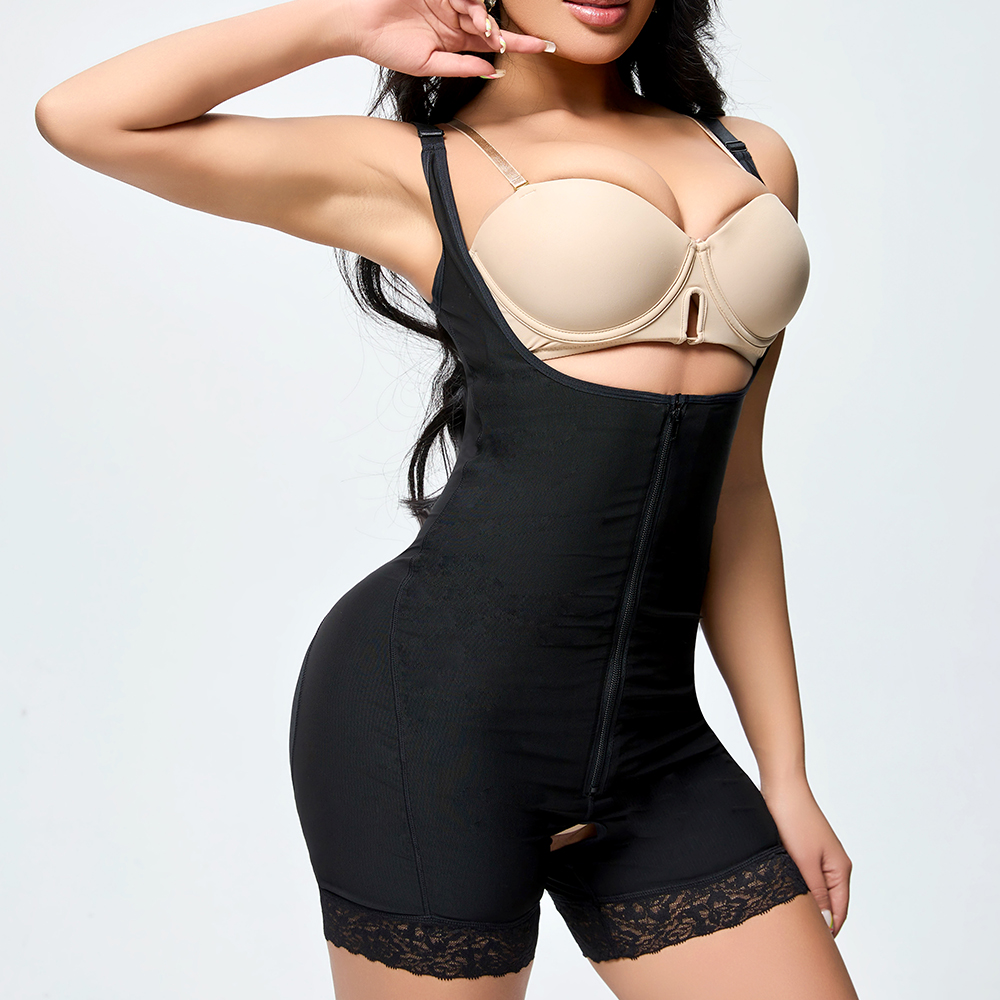
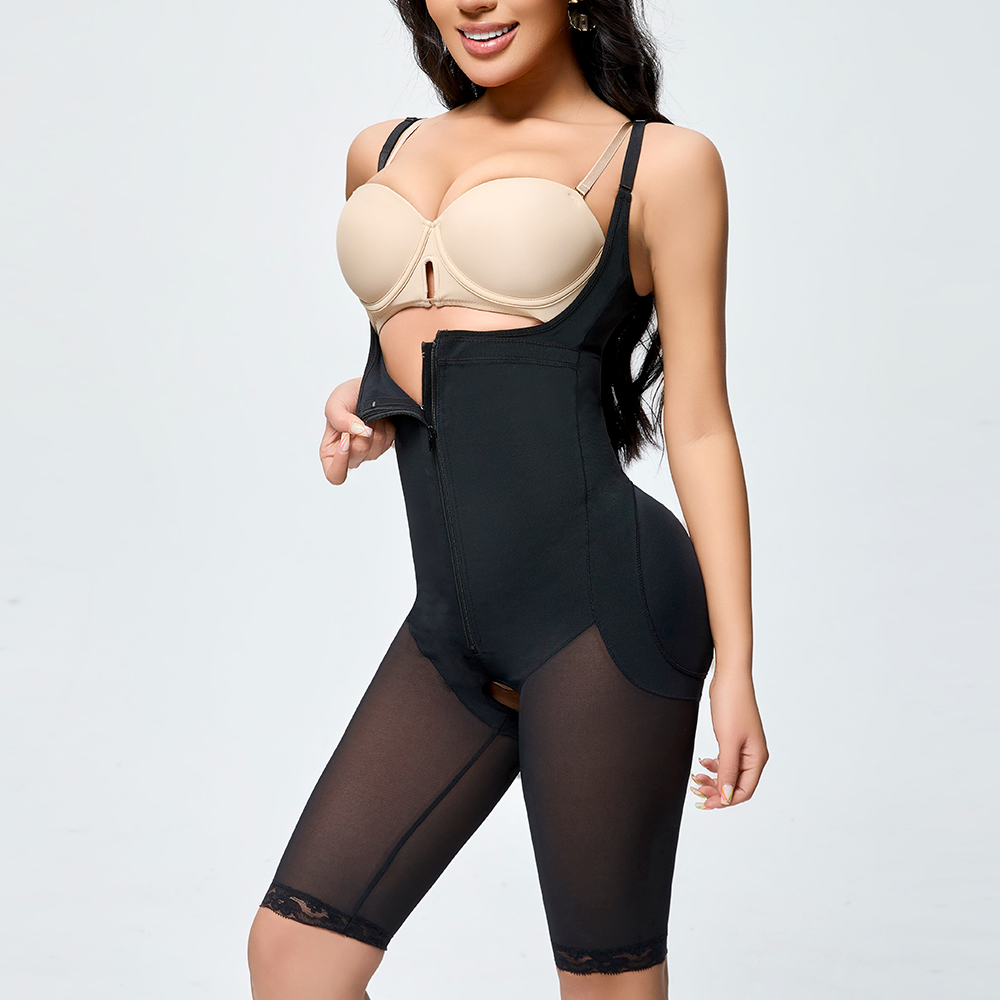
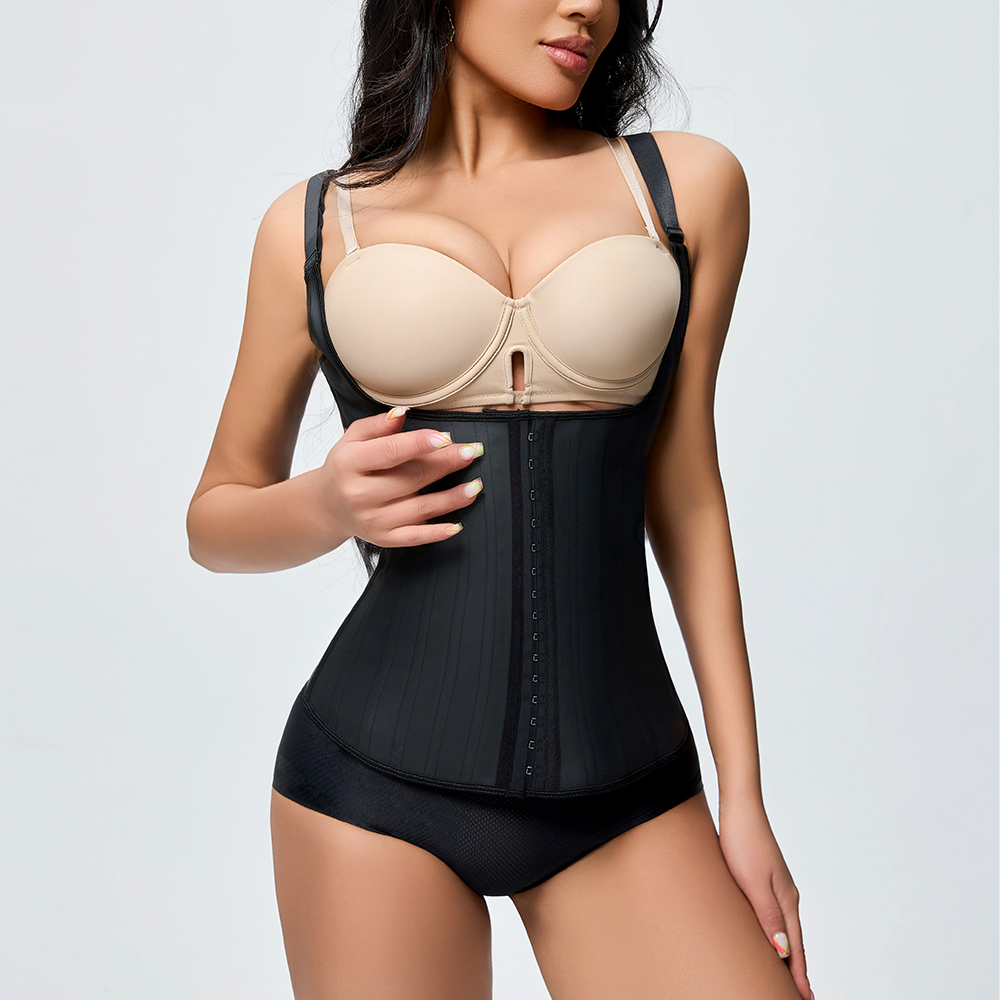
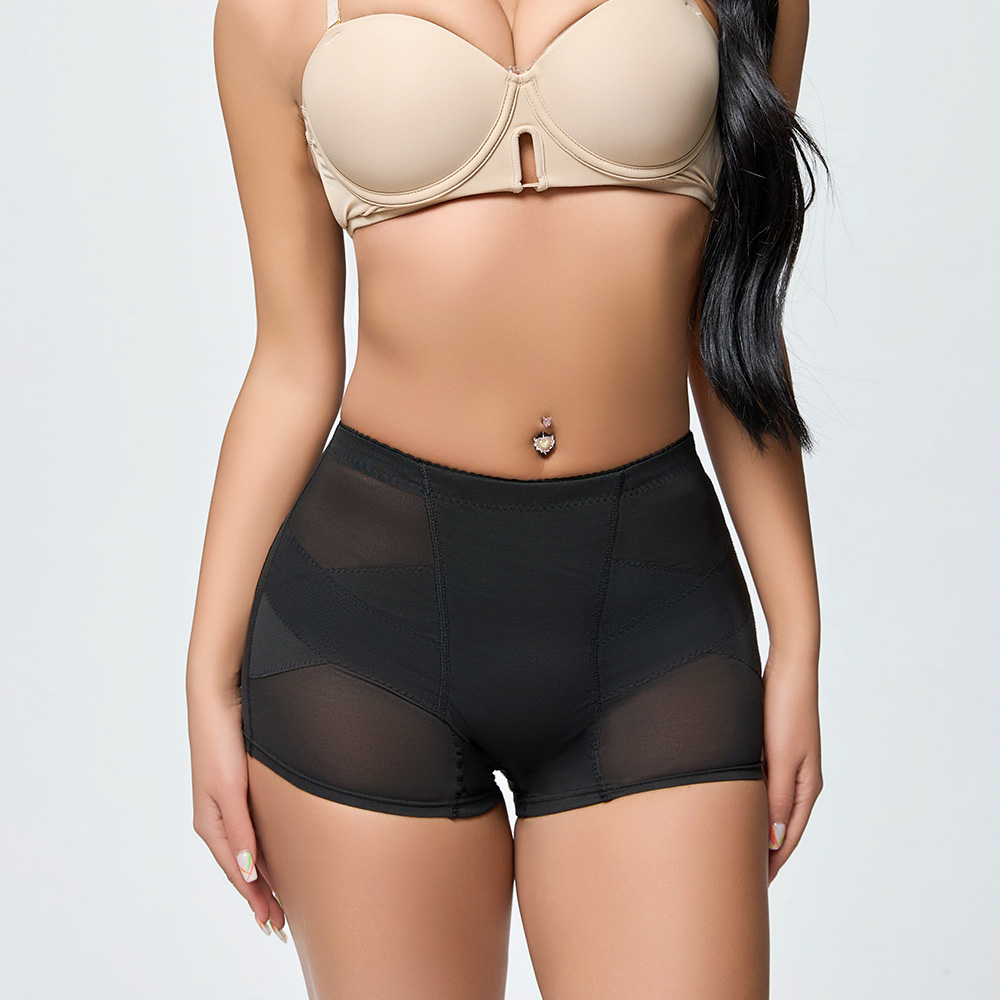
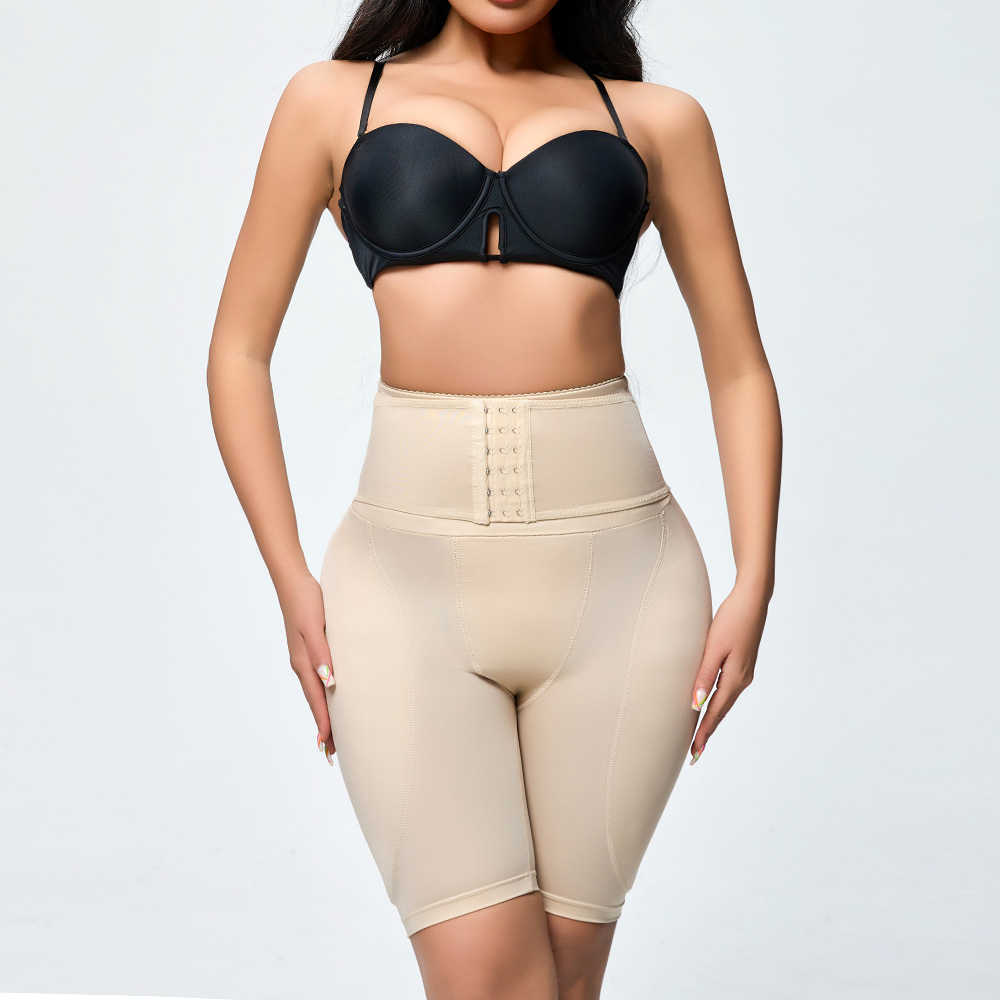
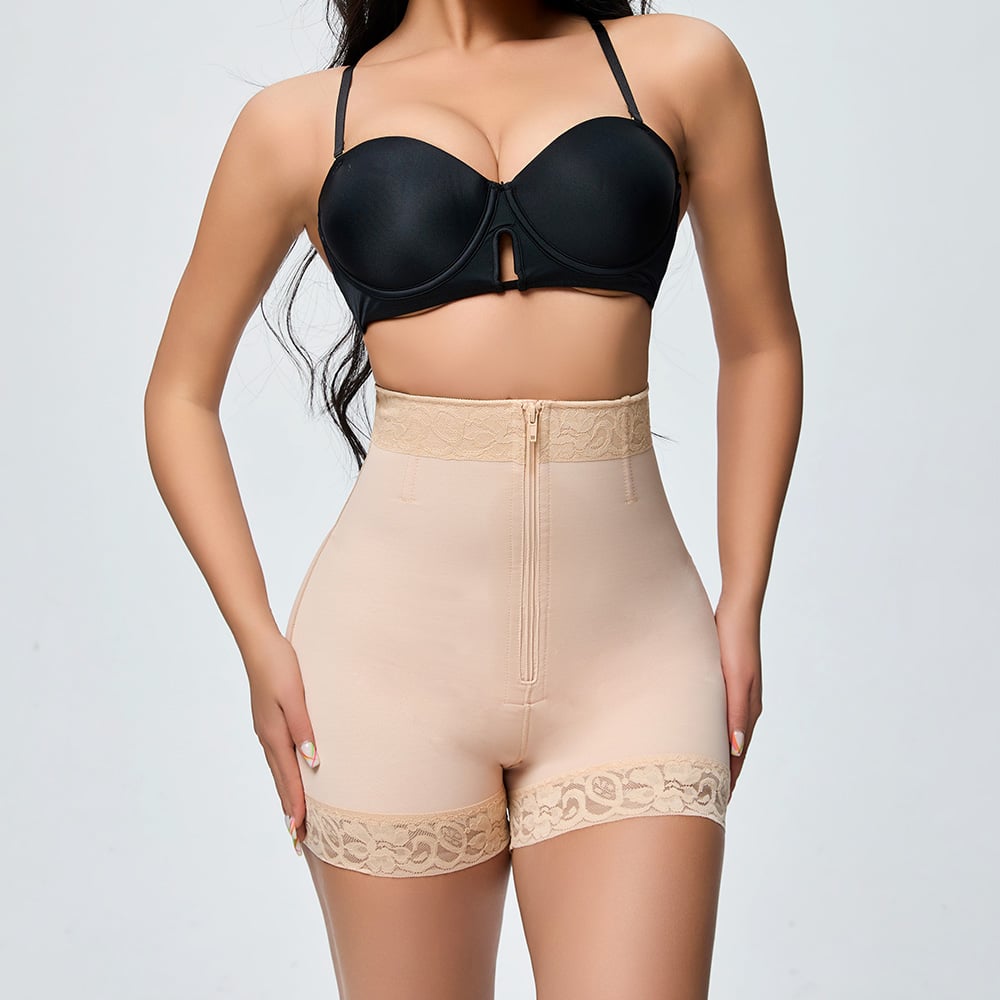
Body shapewear is a modern undergarment category designed for temporary contouring—not permanent reshaping. It uses high-performance compression materials like spandex, elastane, and nylon to gently smooth and redistribute soft tissue. Unlike traditional apparel, which prioritizes coverage and basic fit, shapewear features engineered compression zones that create a streamlined silhouette under clothing. Designed for versatility, it supports use cases ranging from daily wear to formal events—emphasizing breathability, lightweight comfort, and invisible layering. Importantly, it makes no waist-training claims; its function is instant, comfortable enhancement—not restriction.
The core distinction lies in intent and construction. Traditional underwear or trousers offer uniform coverage with minimal structural support. Body shapewear, by contrast, deploys strategic panels and gradient compression to lift, flatten, or cinch specific areas—abdomen, hips, thighs—without compromising mobility. This requires advanced elasticity recovery, seamless seams, and moisture-wicking fabrics—features rarely found in standard apparel. Where everyday garments prioritize loose ease, shapewear balances comfort with intentional hold, delivering a sculpted effect that conventional clothing simply cannot achieve.
Modern body shapewear leverages next-generation fabric blends—nylon, spandex, and Lycra—to deliver responsive compression without stiffness. These materials wick moisture efficiently and promote airflow, keeping skin dry during extended wear. Microfiber variants enhance this further, offering featherlight weight alongside consistent, even pressure. Central to today’s performance is 4D recovery elasticity: the fabric stretches in four directions and rebounds fully after each wear, resisting sagging and maintaining shape wash after wash. This innovation transforms shapewear from a restrictive accessory into a reliable, all-day layer.
Construction is just as critical as fabric. Laser-cut edges eliminate raw hems, preventing roll-down and creating smooth, skin-hugging finishes. Bonded seams replace traditional stitching—reducing friction, eliminating visible lines, and enhancing flexibility. This seamless science ensures shapewear stays invisible under everything from sheer knits to form-fitting leggings. The result is a true second-skin feel: discreet, adaptable, and movement-friendly—making it practical for everyday use, not just special occasions.
Modern shapewear breaks decisively from historical corsetry, which imposed rigid, often harmful compression. Today’s supportive designs use graduated pressure and flexible boning to encourage natural spinal alignment and improved posture—without restricting breathing or blood flow. As noted in a 2022 ergonomics study published in the Journal of Occupational Health, moderate compression garments increased core muscle activation by 12% during seated tasks—contributing to reduced lower-back strain. Rather than enforcing a static shape, contemporary shapewear works with movement, supporting physiological function while delivering aesthetic benefits.
The most meaningful evolution is philosophical: shapewear is no longer positioned as corrective. Leading brands now offer extended size ranges—from XXS to 6XL—and calibrate compression intensity by anatomical zone, honoring diverse body shapes and personal comfort thresholds. This shift reflects a broader commitment to body autonomy—where shapewear serves as a tool for confidence and self-expression, not conformity. Whether worn for a wedding or a workday, it empowers users to engage with their bodies on their own terms.
Choosing between body shapewear and traditional apparel depends on context and intention. For daily wear—especially with form-fitting dresses, tailored trousers, or lightweight knits—shapewear provides subtle smoothing and postural support without bulk. Its seamless, breathable construction makes it ideal for situations where polish and discretion matter. In contrast, high-intensity workouts demand purpose-built fitness apparel: moisture-wicking leggings, supportive sports bras, and ventilated tops engineered for thermoregulation and unrestricted motion. While the athleisure trend has introduced hybrid pieces—like high-compression leggings that double as streetwear—the functional priorities remain distinct. Opt for shapewear when your goal is aesthetic refinement and quiet confidence; choose performance-driven activewear when movement, breathability, and endurance are paramount.
Body shapewear is designed for temporary contouring to create a streamlined silhouette under clothing. It enhances comfort and aesthetic appearance without permanent reshaping.
Unlike corsetry, modern shapewear offers supportive designs using flexible materials that encourage natural movement and posture without restricting breathing or circulation.
Yes, modern shapewear is designed for all-day use, thanks to moisture-wicking, breathable fabrics and seamless construction that provide comfort and flexibility.
Yes, leading brands offer a wide range of sizes, from XXS to 6XL, to accommodate different body shapes and preferences.
4D recovery elasticity refers to fabric that stretches in four directions and rebounds fully, maintaining its shape after repeated use and washes.

 EN
EN