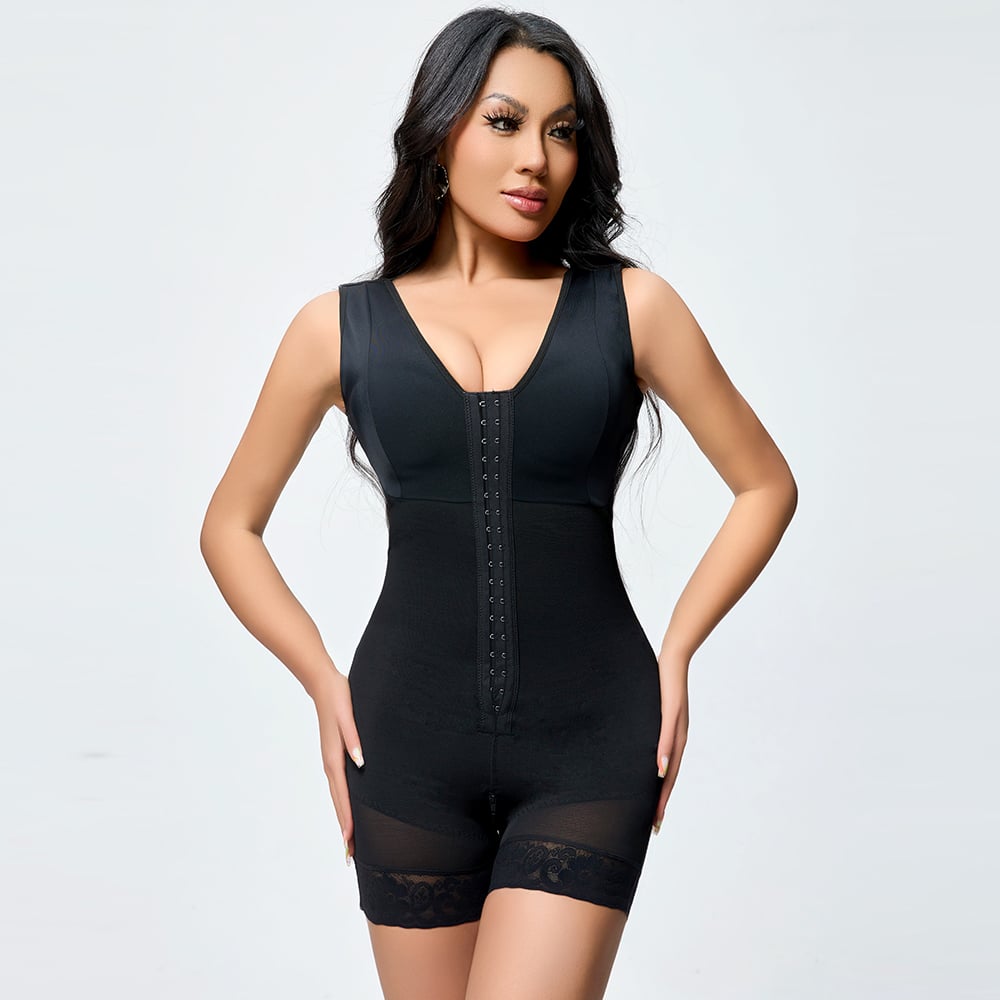
A postnatal corset is engineered as a functional recovery tool—not a fashion accessory. It applies graduated compression to stabilize weakened abdominal muscles and support the pelvic region after childbirth, redistributing intra-abdominal pressure to reduce strain on the linea alba, the connective tissue commonly stretched or separated during pregnancy. Medical-grade postnatal corsets incorporate vertical boning and a low back panel to promote spinal alignment and offload the sacrum. This targeted support enhances muscle activation, improves circulation, and reduces swelling—working with the body’s natural healing process rather than overriding it with uniform compression.
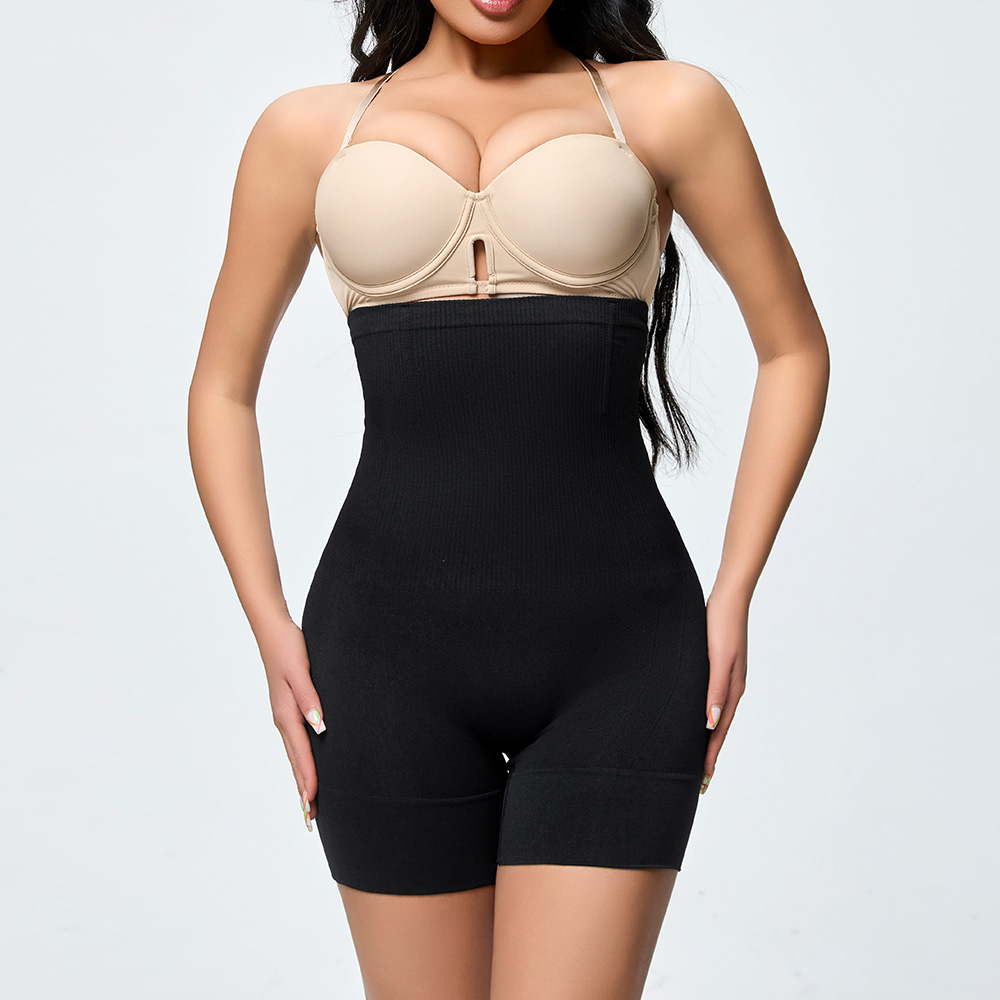
Cosmetic shapewear prioritizes visual slimming and surface-level firming. It applies uniform, often excessive compression that can restrict diaphragmatic breathing and impede pelvic floor re-education. Unlike therapeutic corsets, shapewear lacks zone-specific engineering for postpartum physiology. Key differences include:
| Feature | Postnatal Corset | Cosmetic Shapewear |
|---|---|---|
| Primary goal | Therapeutic recovery | Aesthetic smoothing |
| Compression type | Graduated, target zones | Uniform, high tension |
| Medical oversight | FDA-listed as a Class I medical device | No medical regulation |
Wearing shapewear too early may strain healing tissues and increase downward pressure on the pelvic floor. For new mothers, selecting a garment designed for clinical intent—not appearance—supports safer, more effective recovery.
Postnatal corsets deliver measurable physiological benefits grounded in rehabilitation science—not just anecdotal claims. Their design directly supports evidence-informed outcomes in abdominal and pelvic floor recovery.
Therapeutic postnatal corsets apply consistent, medical-grade compression to the midline, supporting fascial approximation during early healing. This gentle, sustained pressure encourages functional closure of diastasis recti by reducing mechanical strain on the linea alba—without compromising diaphragmatic mobility or visceral function. A 2023 review in OB/GYN Clinical Reports found that structured abdominal support during the first eight weeks postpartum was associated with up to 50% faster reduction in inter-recti distance compared to unsupported recovery in clinically monitored cohorts.
By containing intra-abdominal contents, postnatal corsets shift gravitational load away from the pelvic floor—particularly valuable during infant lifting, sit-to-stand transitions, and extended upright activity. This redistribution may help mitigate urgency symptoms and support conservative prolapse management. Simultaneously, lumbo-pelvic stabilization reduces compensatory muscle firing patterns linked to postpartum low-back pain. In a randomized cohort study published in the Journal of Maternal Health (2022), participants using postnatal corsets as part of a multidisciplinary recovery program reported a 72% average reduction in self-reported low-back pain scores over six weeks.
The first two weeks postpartum represent an acute healing phase. During this time, medical-grade binders or soft postnatal corsets provide light-to-moderate compression (15–20 mmHg) to support tissue edema, stabilize the core, and accommodate rapid fluctuations in waist size—without adding pressure to cesarean incisions or perineal trauma. Designed with breathable, hypoallergenic fabrics and adjustable closures, these garments promote circulation while allowing uterine involution and early neuromuscular re-engagement. As noted by board-certified pelvic health physical therapists, gentle compression at this stage complements—not overrides—the body’s innate repair mechanisms. Use should always follow provider clearance, especially after surgical delivery.
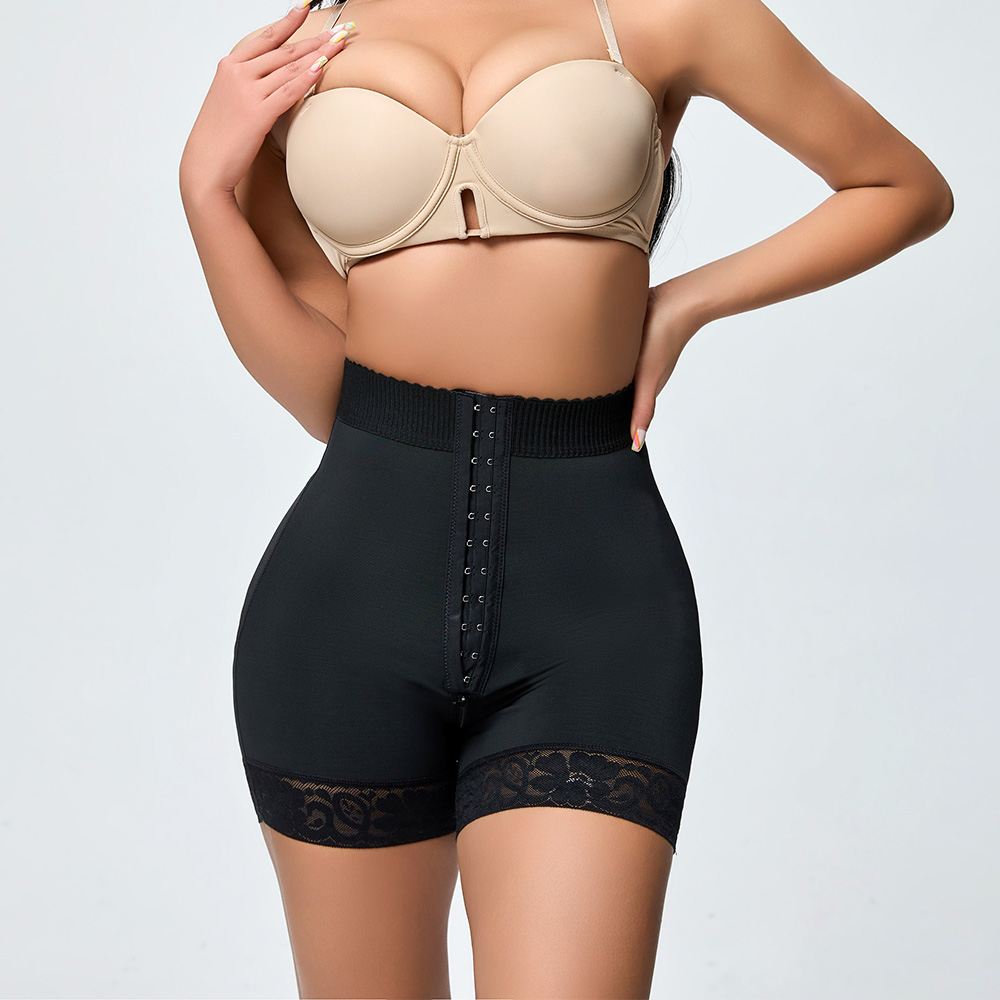
As healing advances, many individuals transition to a structured postnatal corset delivering firmer, zone-targeted support (20–30 mmHg). These garments emphasize lower abdominal and pelvic containment to manage intra-abdominal pressure during increasing functional demands—such as carrying toddlers, returning to work, or resuming light exercise. Reinforced panels or flexible boning maintain upright posture and prevent compensatory slouching. Crucially, this transition should be guided by objective recovery milestones—not arbitrary timelines—including reduced pain, improved voluntary core activation, and formal clearance from a pelvic floor therapist. When aligned with active rehabilitation, structured corset use supports progressive strengthening of deep core musculature without fostering dependency.
Therapeutic postnatal corsets are regulated as Class I medical devices by the U.S. Food and Drug Administration (FDA), requiring validated performance data on compression consistency, material biocompatibility, and biomechanical safety. These standards ensure garments maintain therapeutic pressure over time without deforming, slipping, or creating hazardous pressure points. In contrast, cosmetic shapewear carries no such oversight—and prolonged use of non-medical compression has been linked to peripheral nerve irritation, compromised lymphatic flow, and impaired respiratory mechanics. Clinically appropriate long-term use of a postnatal corset is both safe and supported when integrated into a personalized recovery plan under the guidance of a pelvic health specialist.
The main difference is their purpose. A postnatal corset is designed for therapeutic recovery by providing graduated compression to support abdominal and pelvic regions, whereas cosmetic shapewear prioritizes aesthetic slimming and applies uniform compression.
Yes, but only after consulting your healthcare professional. During the first two weeks postpartum, opt for medical-grade binders or soft corsets with light-to-moderate compression to avoid adding undue pressure to healing incisions or tissues.
It is not recommended for new mothers to wear cosmetic shapewear during the early recovery period as it lacks the therapeutic design necessary for postpartum healing and could strain healing tissues.
The timeline varies based on individual recovery milestones. Typically, most mothers transition to structured corsets between 3 to 12 weeks postpartum, under the guidance of a pelvic floor or health specialist.
Yes, therapeutic postnatal corsets are regulated as Class I medical devices by the FDA, ensuring they meet high standards for compression consistency, material safety, and biomechanical effectiveness.






 EN
EN