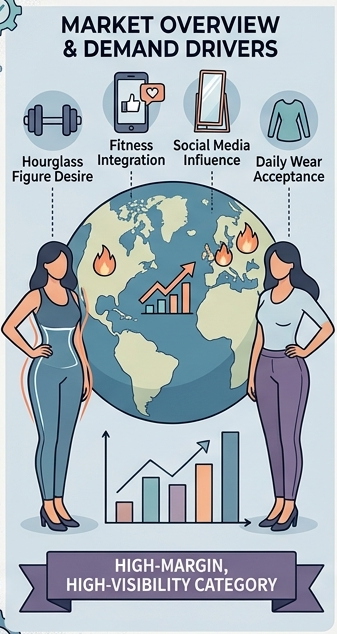
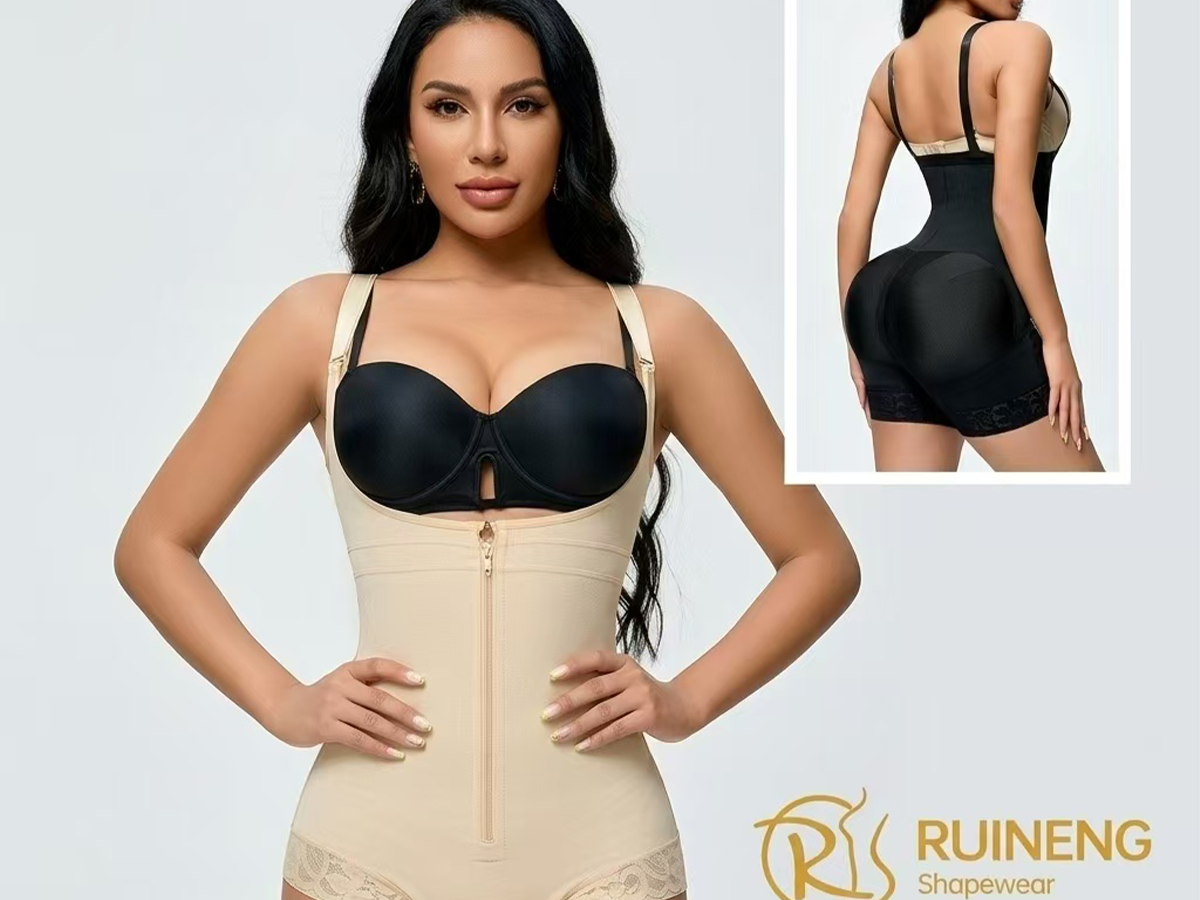
As the global shapewear industry continues to expand, Europe and North America remain the most influential and profitable markets for wholesalers, distributors, and private-label brands.
For B2B buyers, understanding which types of shapewear are in demand—and why— is essential for selecting the right product mix, reducing inventory risk, and maximizing profit margins.
This article provides a data-driven breakdown of shapewear demand by category, helping you make smarter sourcing decisions for your business.
North America currently leads the global shapewear market, accounting for around 35–38% of total demand, while Europe contributes approximately 25–27% of the global share.
North America: High daily usage, strong e-commerce penetration
Europe: Mature, premium-driven, quality-focused market
In North America, over 70% of consumers wear shapewear regularly, not just for special occasions, indicating stable repeat demand.
In Europe, nearly 48% of women own shapewear, with a growing trend toward everyday use.
→Key insight for buyers:
These are not “trend markets”—they are high-frequency consumption markets, ideal for long-term wholesale business.

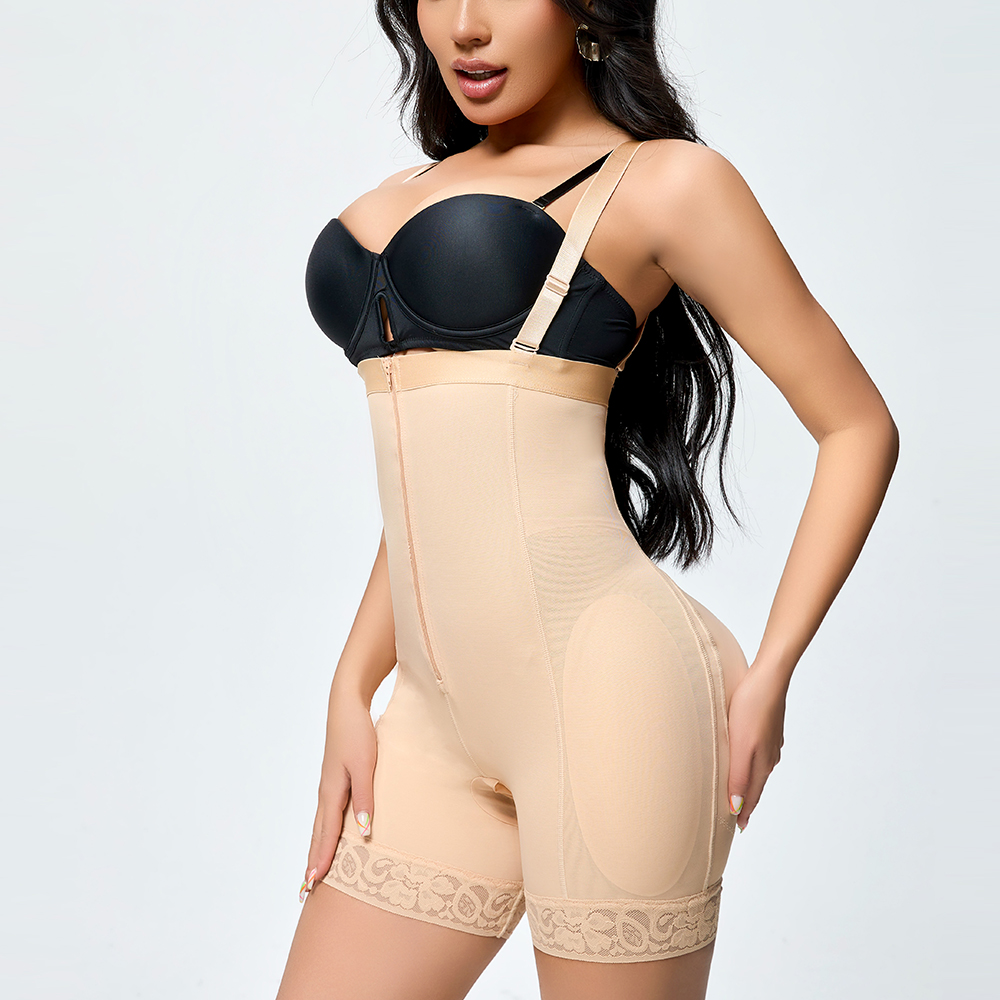
Dominates sales in both North America and Europe
Represents a large share of daily-wear shapewear
Popular for both fashion layering and body contouring
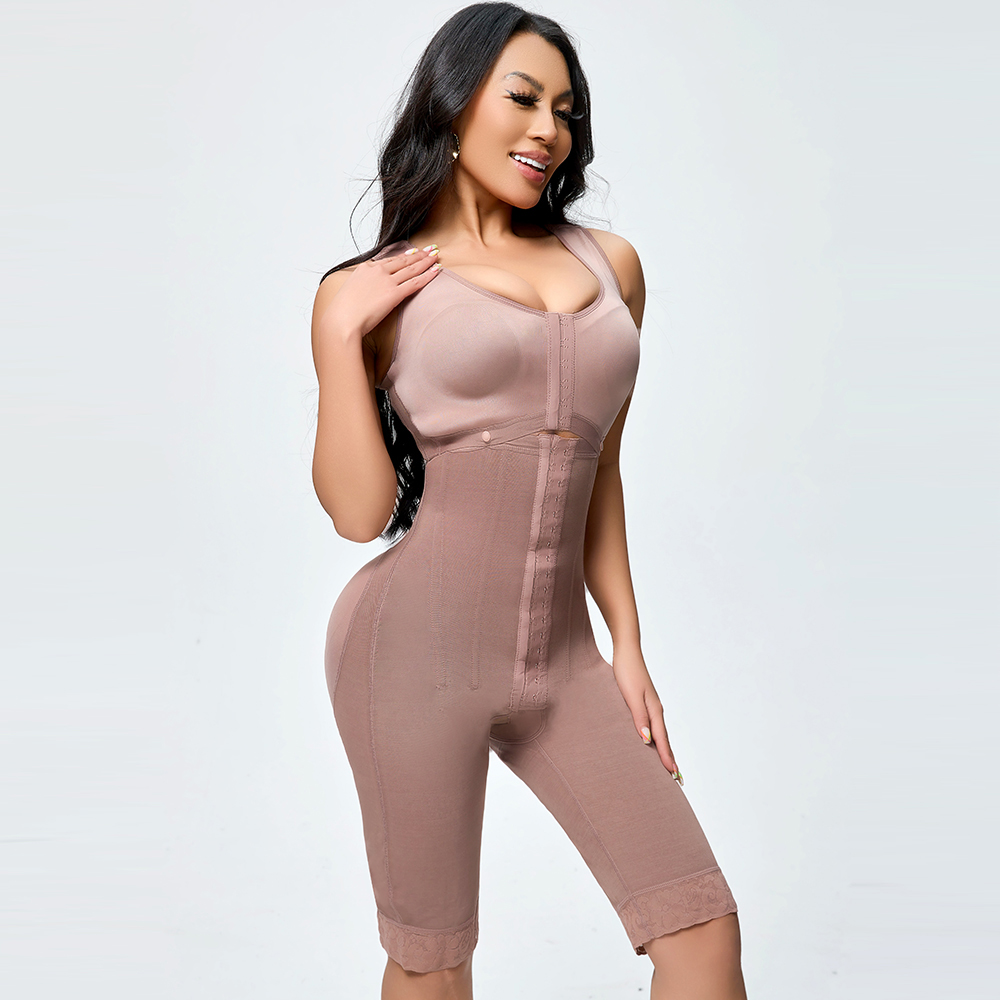
In North America, bodysuits and waist cinchers together account for over 60% of purchases.
Full-body shaping effect
Suitable for daily wear and fashion styling
Strong demand in e-commerce channels
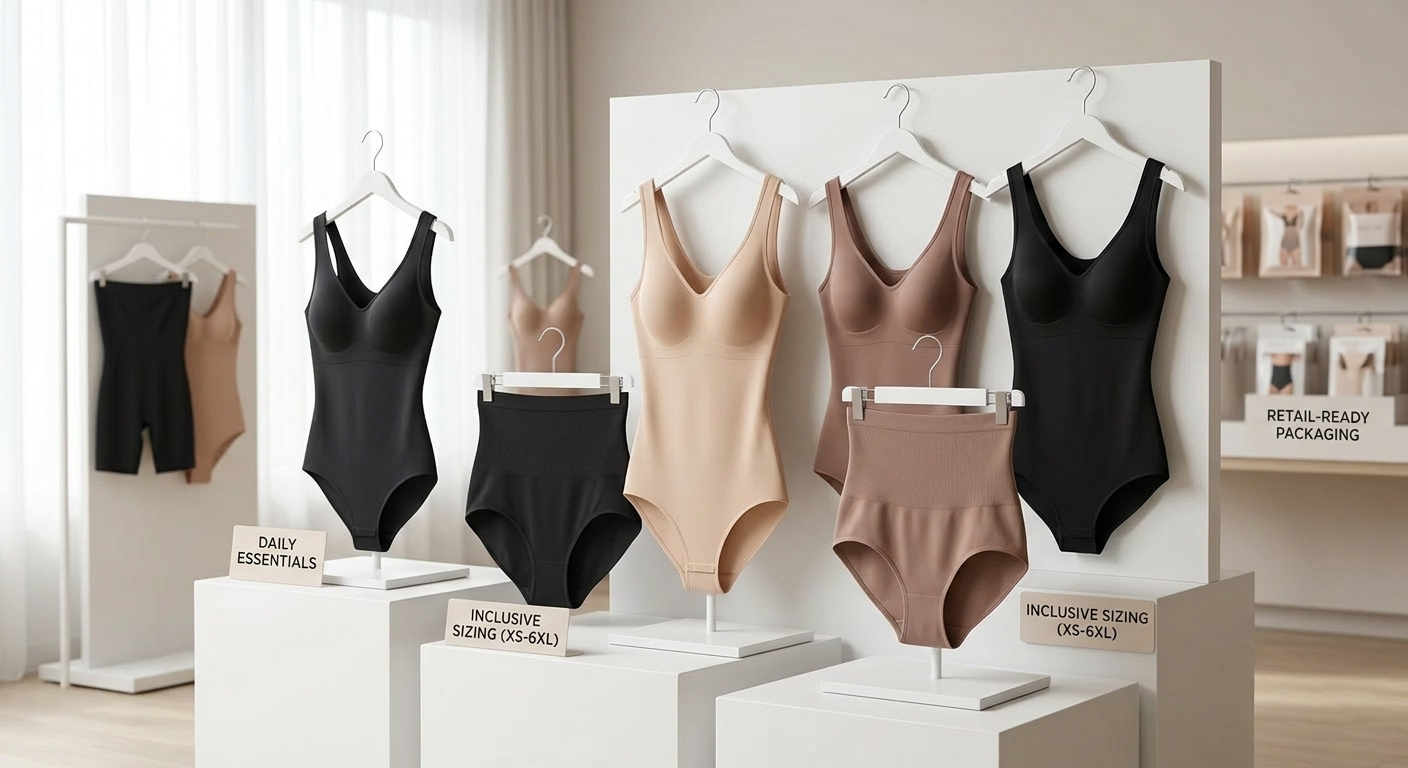
Always stock basic seamless bodysuits
Offer inclusive sizing (especially plus-size)
Focus on neutral colors (black, nude, brown tones)
→This category should be your core SKU foundation.
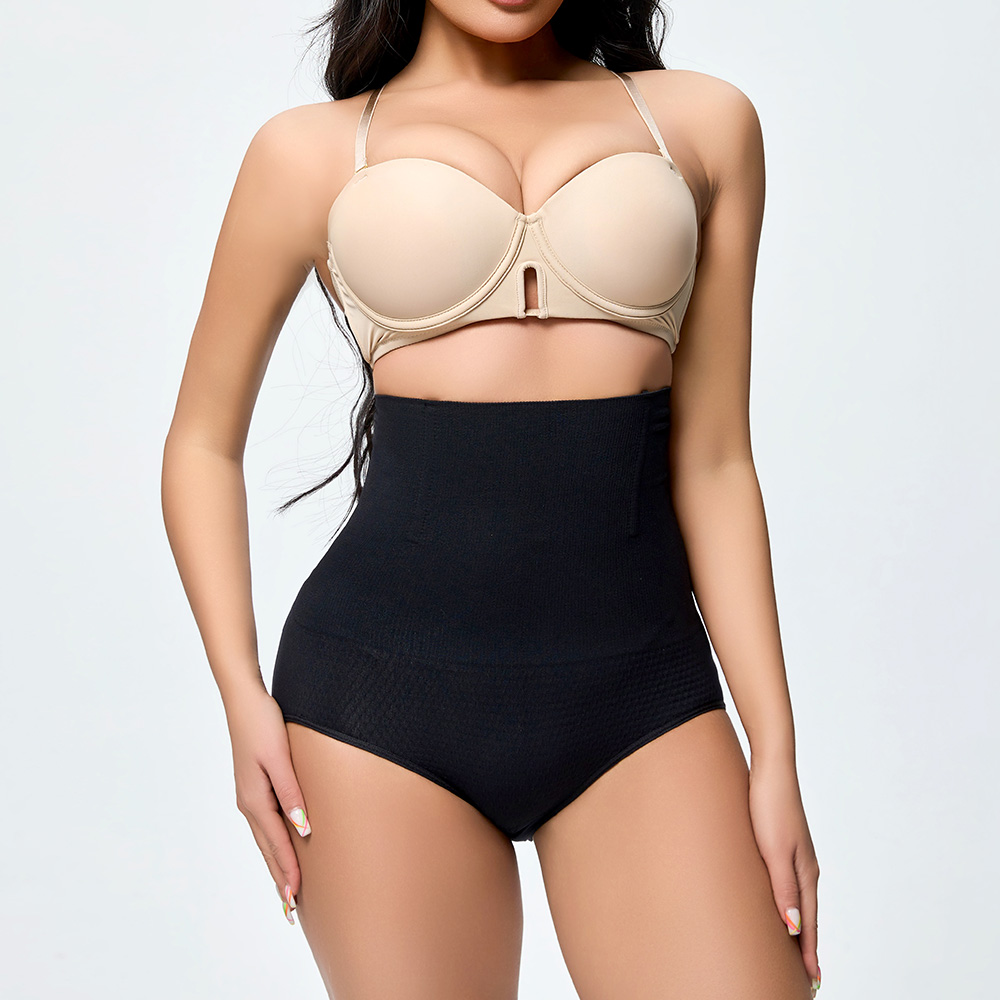
High demand in both regions, especially for comfort-driven users
Strong growth in “light shaping” products
Mid-compression shapewear now accounts for nearly 48% of total demand, surpassing high-compression products.
Comfortable for long wear
Invisible under clothing
Ideal for everyday use
Focus on seamless and breathable fabrics
Promote as “daily essential shapewear”
Bundle with bodysuits for upselling
→This is a high-repeat purchase category.
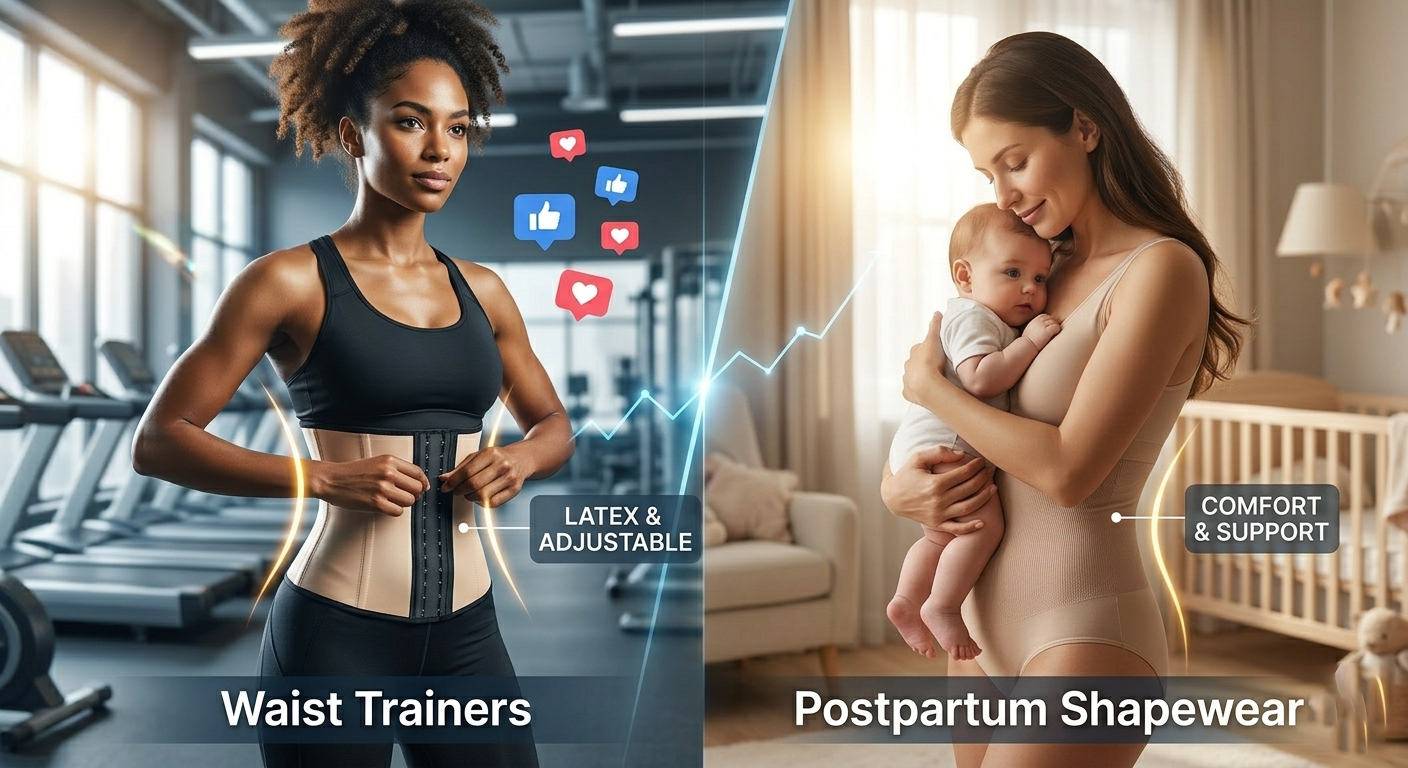
Particularly strong in North America and Latin-influenced markets
Driven by fitness culture and social media
Fitness-related shapewear now represents over 30% of product offerings in North America.
Instant waist shaping effect
Popular in gym and lifestyle content
Strong influencer marketing push
Offer latex and adjustable styles
Target fitness influencers and social media sellers
Highlight “hourglass shaping” benefits
→This category is high-margin but trend-sensitive.
Growing rapidly in both Europe and North America
Supported by medical and maternity markets
Post-surgical and recovery shapewear demand continues to rise, especially in Europe where medical usage is a key driver.
Functional + health-oriented product
Strong demand from maternity consumers
Often recommended by professionals
Focus on comfort + support + breathability
Include abdominal compression designs
Market as “recovery essential”
→This is a stable and less price-sensitive category.
Plus-size shapewear accounts for over 40% of demand
Online sales exceed 50% of purchases
Strong demand for breathable, moisture-wicking fabrics
Around 63% of consumers prefer eco-friendly materials
Premium quality and durability are top priorities
Offline retail still dominates (~63%)
Europe → premium + sustainable positioning
North America → inclusive + comfort + online-focused
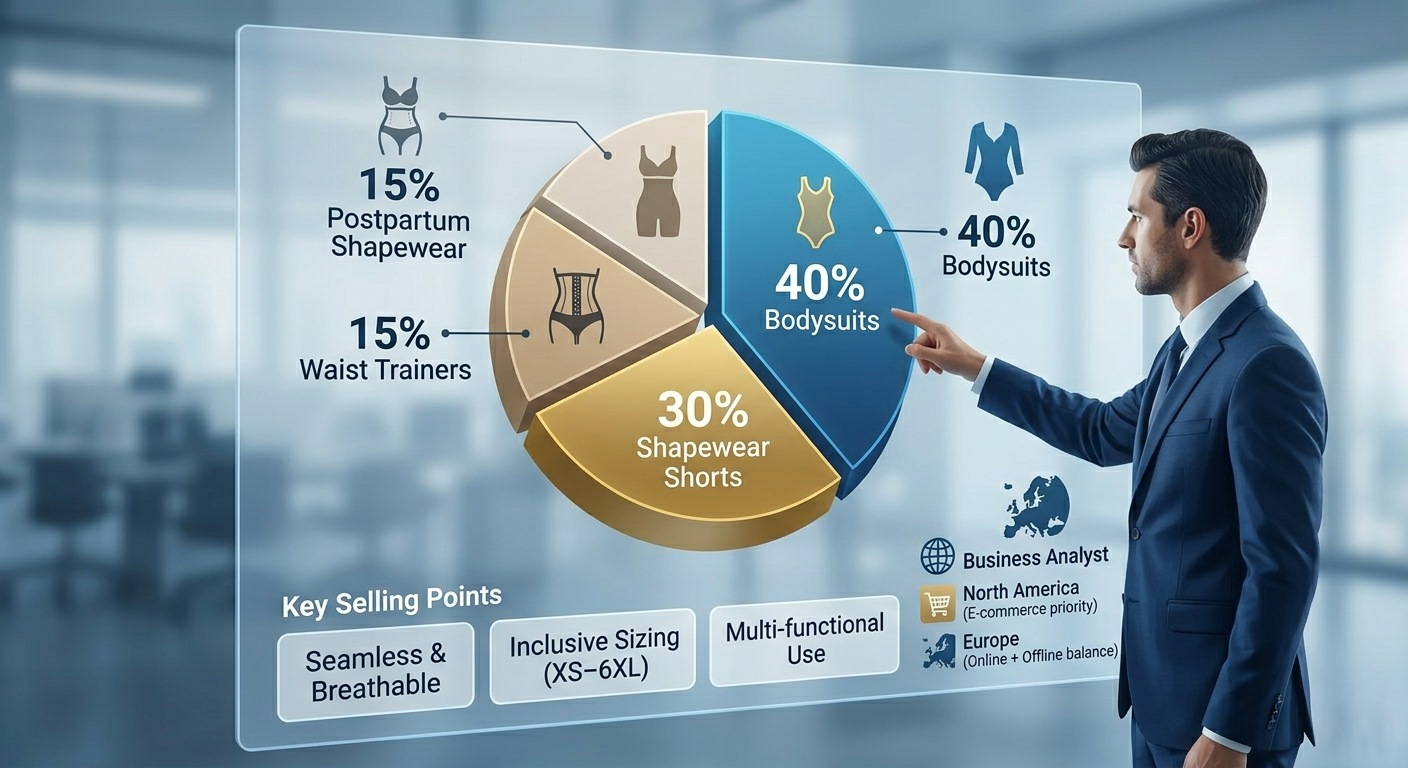
If you are sourcing shapewear for Europe and North America, your product strategy should look like this:
40% Bodysuits
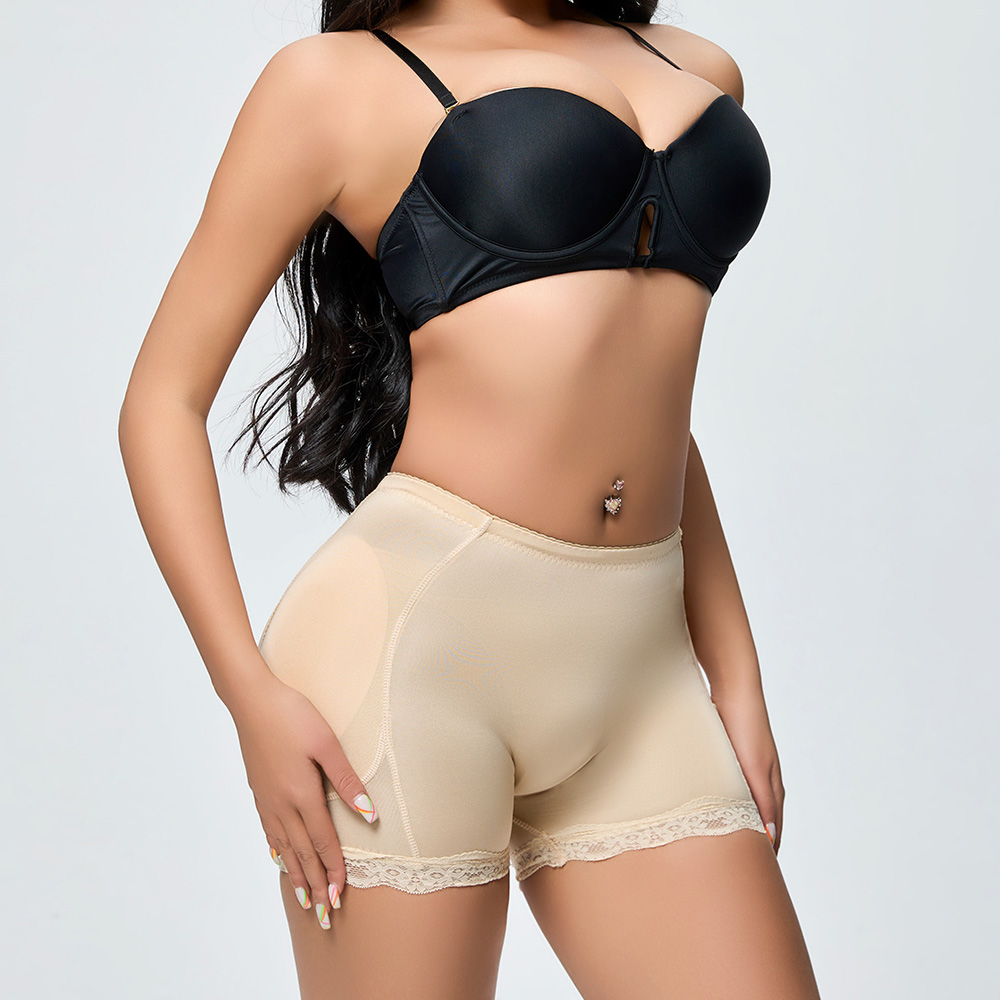
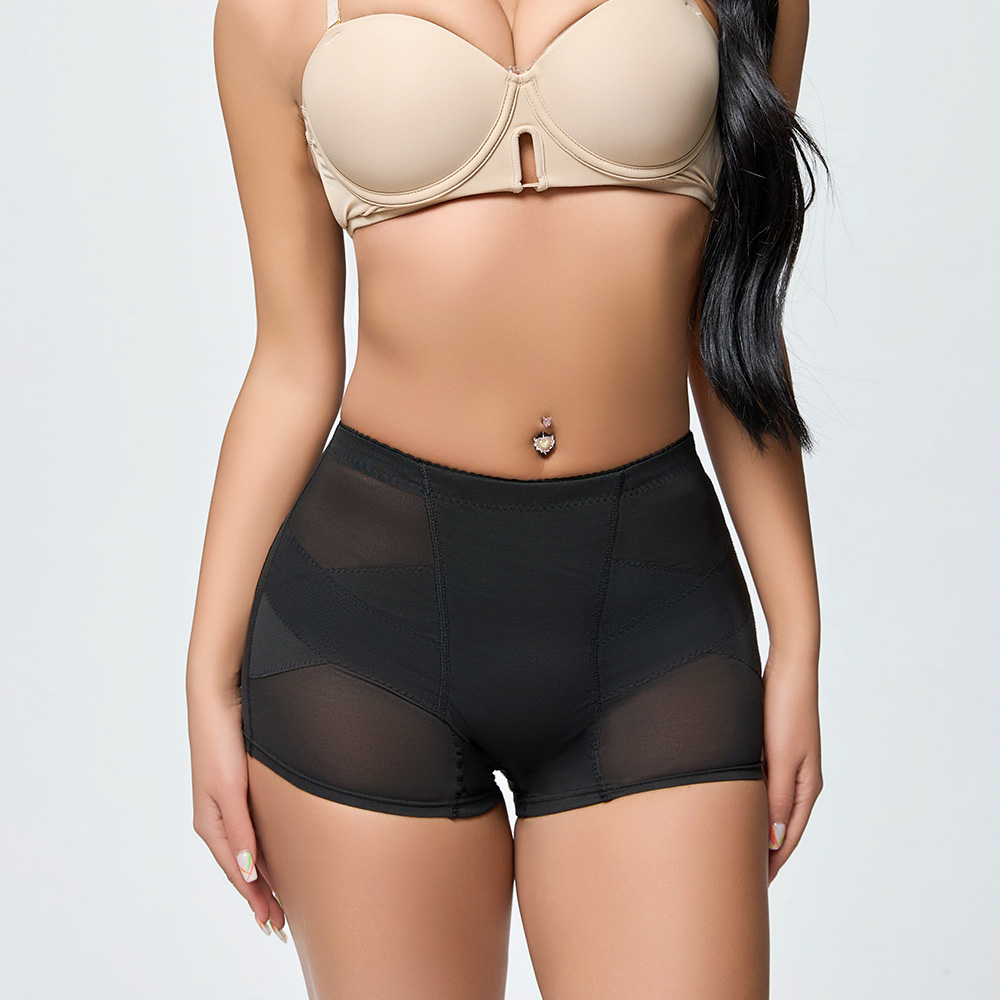
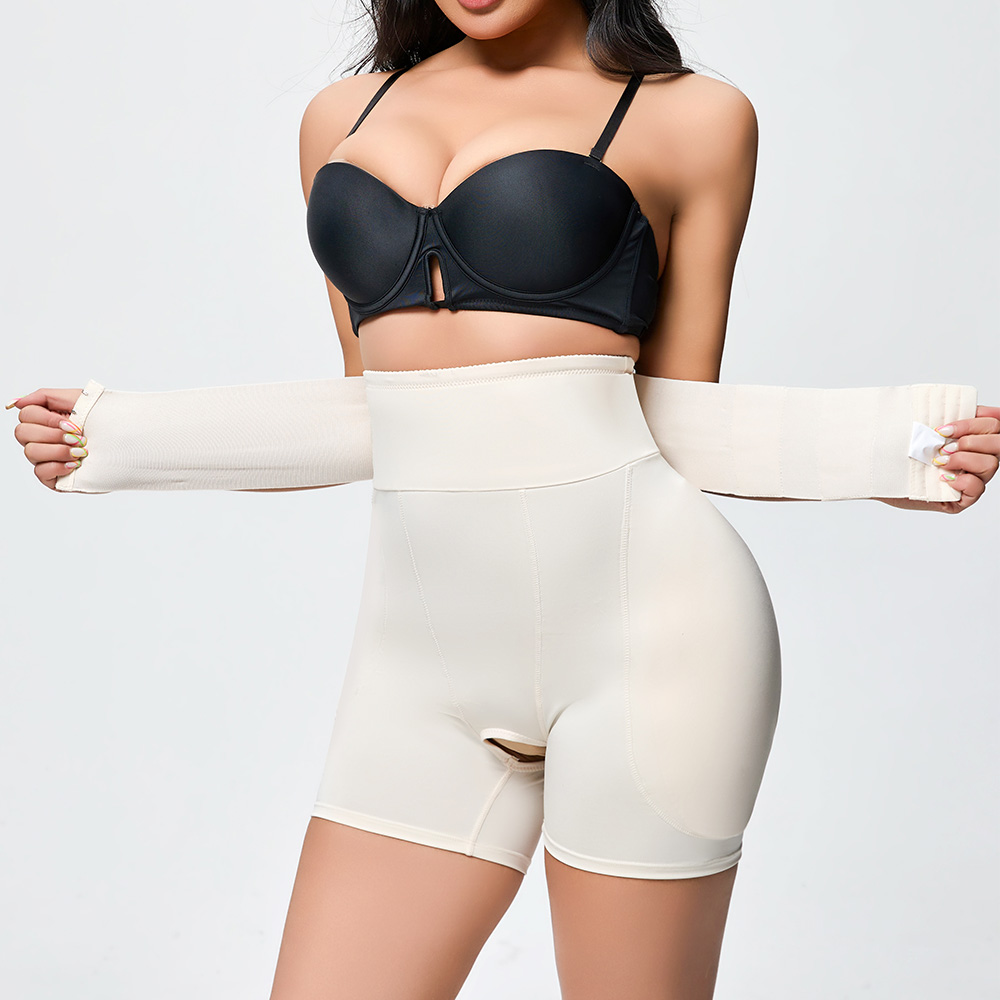
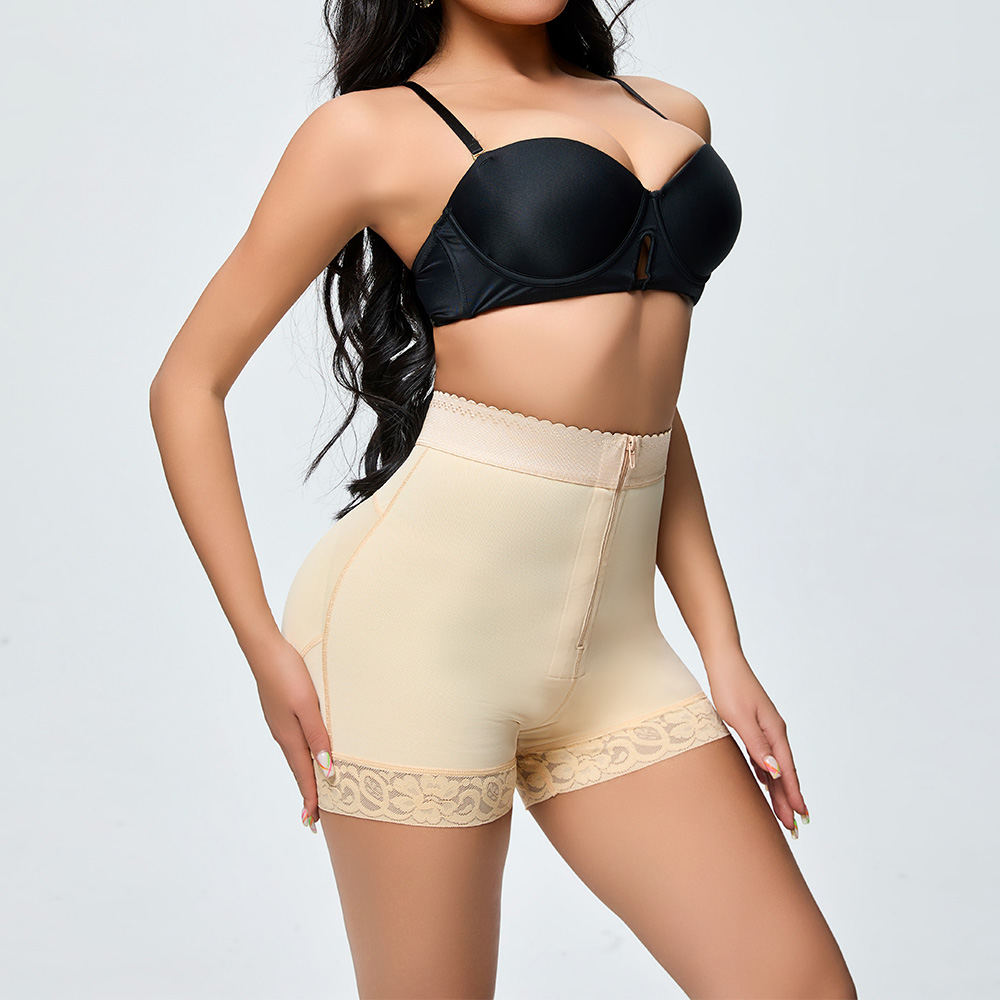
30% Shapewear Shorts
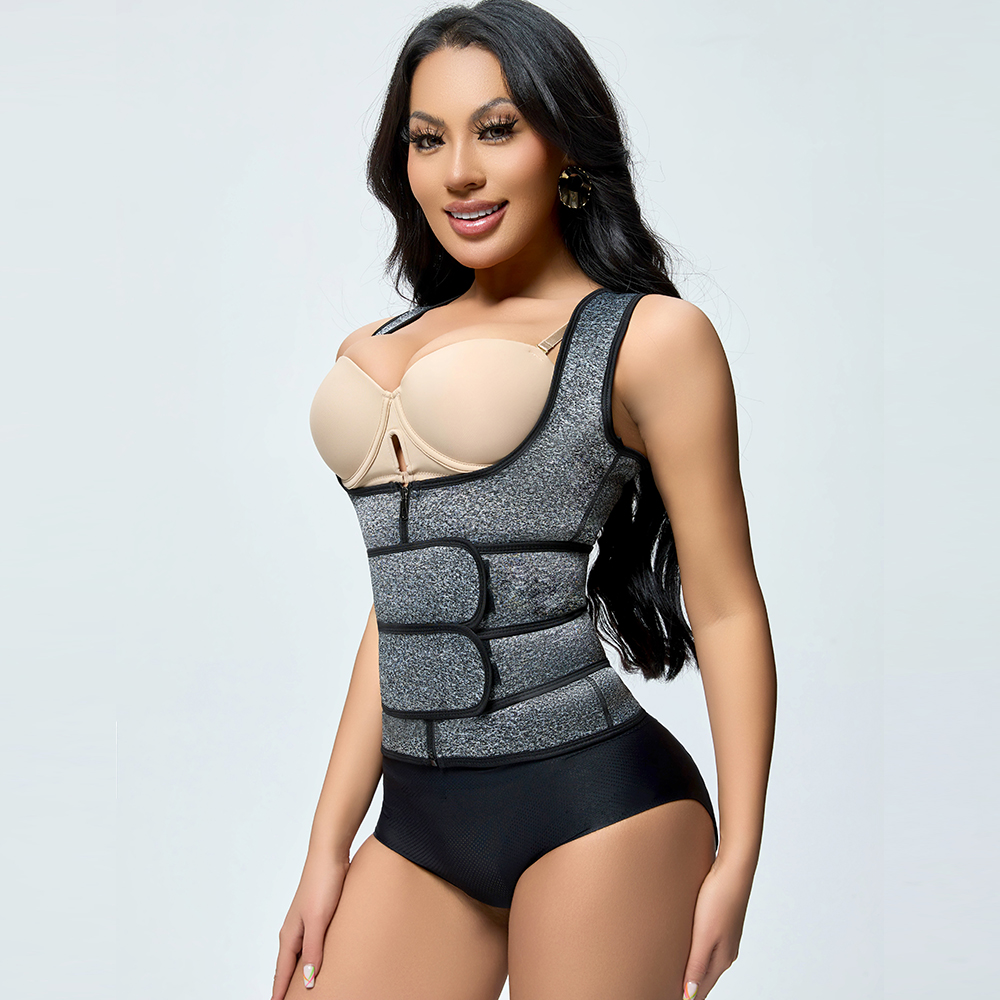
15% Waist Trainers
15% Postpartum Shapewear
Seamless & breathable fabrics
Inclusive sizing (XS–6XL)
Multi-functional use (daily + fitness + recovery)
North America → prioritize e-commerce & DTC
Europe → balance online + offline retail
The shapewear market in Europe and North America has reached a stage of maturity and stability, and it is also highly profitable. However, whether a business can achieve success in this market is contingent upon the selection of the appropriate product categories.
When we look at the different types of shapewear, it becomes evident that bodysuits and shapewear shorts play a crucial role in driving sales volume. These products have a broad appeal and are popular among consumers who seek to enhance their body shape for various occasions. On the other hand, waist trainers have emerged as a trendy option, bringing in profits that are based on the current fashion trends. They cater to individuals who are looking for a more defined waistline and are willing to invest in products that promise quick results. Additionally, postpartum shapewear provides an opportunity for long - term stability in the market. This type of shapewear is specifically designed to meet the needs of women who have recently given birth and are looking to regain their pre - pregnancy body shape.
For wholesalers, distributors, and private - label brands operating in the shapewear industry, the real opportunity lies in constructing a well - balanced product portfolio. This portfolio should be in line with the regional demand patterns that exist within Europe and North America. Each region may have its own unique preferences when it comes to shapewear, and understanding these preferences is essential for success.
In conclusion, the right product mix is the key to expanding your shapewear business on a global scale. By carefully selecting the appropriate product categories and aligning them with the demands of different regions, businesses can position themselves for growth and profitability in the highly competitive shapewear market. It is not just about offering a wide range of products, but rather about offering the right products that meet the specific needs and preferences of consumers in each market. Only then can a shapewear business truly thrive and achieve sustainable success worldwide.

 EN
EN