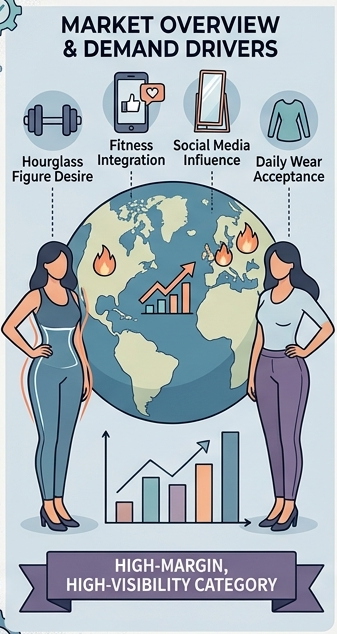
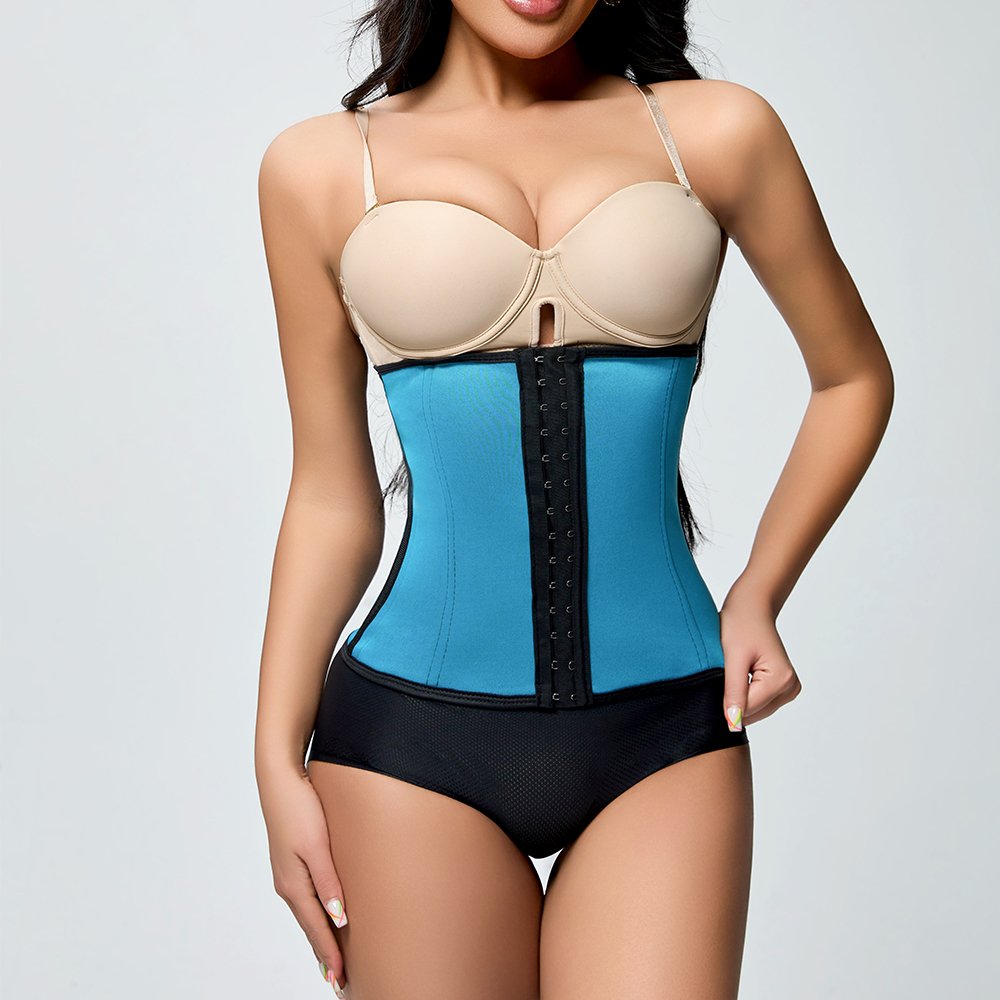
Waist trainers have become one of the most recognizable and profitable categories in the shapewear industry, especially in Europe and North America.
Driven by fitness culture, social media influence, and body contouring trends, waist trainers continue to generate strong demand across multiple sales channels.
For wholesalers, distributors, and private-label brands, the key question is:
Should you focus on online sales, offline retail, or a hybrid strategy?
This article breaks down the sales potential of waist trainers across online and offline channels, helping you choose the most effective distribution model.
In North America, waist trainers are heavily influenced by fitness and lifestyle trends, making them a staple product in both e-commerce and influencer-driven sales.
In Europe, the category is more quality-driven, with consumers prioritizing durability, comfort, and discreet design.
Desire for an “hourglass figure”
Integration with fitness routines
Strong presence in social media marketing
Increasing acceptance of daily shapewear use
B2B Insight:
Waist trainers are not just a trend—they are a high-margin, high-visibility product category with strong branding potential.
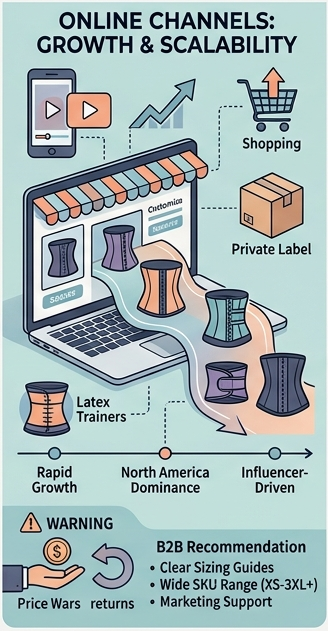
Dominant in North America
Rapid growth across Europe
Driven by Shopify stores, Amazon sellers, and social media brands
In North America, over 50% of shapewear purchases happen online, making digital channels the primary growth engine.
1.Visual Transformation Sells
Waist trainers are highly visual products.
Before/after comparisons
Body contouring demonstrations
Fitness-related content
These formats perform extremely well on platforms like Instagram, TikTok, and YouTube.
2. Influencer & Social Media Driven
Fitness influencers promote waist trainers as part of workouts
Lifestyle creators integrate them into daily routines
Viral content drives impulse purchases
This makes waist trainers one of the best products for social commerce.
3. Low Barrier to Entry for Sellers
Easy to launch under private label
Strong dropshipping and DTC potential
Flexible pricing strategies
High competition
Price wars
Return rates due to sizing issues
Offer multiple sizes (XS–3XL or more)
Provide clear sizing guides to reduce returns
Support clients with marketing materials (images/videos)
Focus on trend-driven designs (latex, adjustable, gym styles)
Online is ideal for fast growth and brand building.
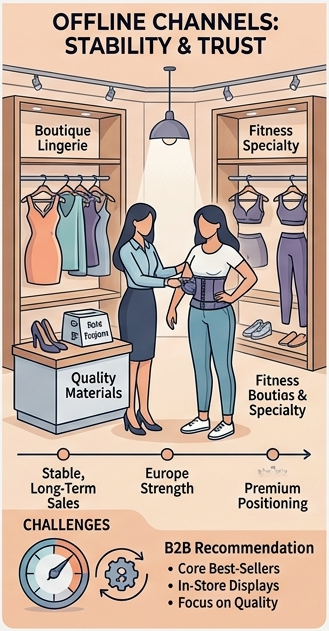
Strong in Europe
Still relevant in North America
Includes lingerie stores, fitness shops, and specialty boutiques
In Europe, offline retail still accounts for a significant portion of shapewear sales, especially in premium segments.
1. Try-Before-You-Buy Advantage
Customers can test fit and compression level
Reduces return rates
Builds confidence in purchase
2. Premium Positioning
Offline stores often sell:
Higher-quality waist trainers
Better materials and finishes
Higher price points
3. Trust & Customer Experience
Personalized recommendations
Physical interaction with the product
Stronger brand credibility
Slower inventory turnover
Higher operational costs
Limited product display space
Focus on premium quality waist trainers
Offer core best-selling sizes and colors
Provide in-store display support
Emphasize comfort and durability over trendiness
Offline is ideal for stable, long-term sales and higher margins per unit.
|
Factor |
Online Channels |
Offline Channels |
|
Growth Speed |
Very fast |
Moderate |
|
Profit Margin |
Medium–High |
High |
|
Customer Trust |
Medium |
High |
|
Return Rate |
Higher |
Lower |
|
Marketing Style |
Social media & ads |
In-store experience |
|
Best Region |
North America |
Europe |
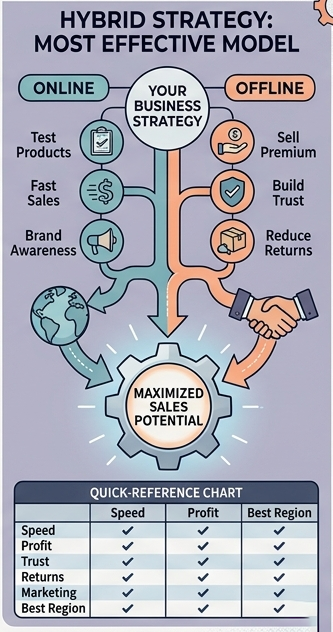
For most wholesalers and distributors, the best approach is a hybrid model:
Use online channels to:
Test new products
Generate fast sales
Build brand awareness
Use offline channels to:
Sell premium products
Build long-term customer trust
Reduce return rates
To maximize waist trainer sales in Europe and North America:
Combine trend-driven (online) + premium (offline) products
Offer adjustable and comfortable designs
Maintain consistent quality across batches
North America → social media + fitness-driven sales
Europe → quality + comfort + retail experience
Online: wider SKU range
Offline: focused best-sellers
Waist trainers remain a highly promising and lucrative category within the shapewear industry throughout Europe and North America. These regions consistently demonstrate strong consumer interest and purchasing power for waist trainers, making them an attractive segment for businesses.
Online channels present remarkable opportunities for rapid expansion and growth. They allow brands to scale up quickly and offer powerful marketing tools to reach a vast audience. E-commerce platforms, social media, and digital advertising provide dynamic ways to engage with customers and build brand awareness in real-time.
On the other hand, offline channels bring a sense of stability, reliability, and foster greater consumer trust. Brick-and-mortar stores enable customers to physically experience the product, which often leads to higher-value sales. The tangible nature of in-store shopping provides assurance and confidence in the purchase decision.
For B2B buyers, the secret to achieving success does not lie in selecting one channel over the other. Instead, it involves strategically utilizing both online and offline avenues to their fullest potential. By doing so, businesses can cater to diverse customer preferences and maximize their market reach.
Aligning your product offerings and channel strategies with the specific demands of each region is crucial. Understanding regional preferences, cultural nuances, and consumer behavior allows you to tailor your approach effectively. This alignment enables you to tap into the complete sales potential of waist trainers across global markets, ensuring sustained growth and profitability.




 EN
EN