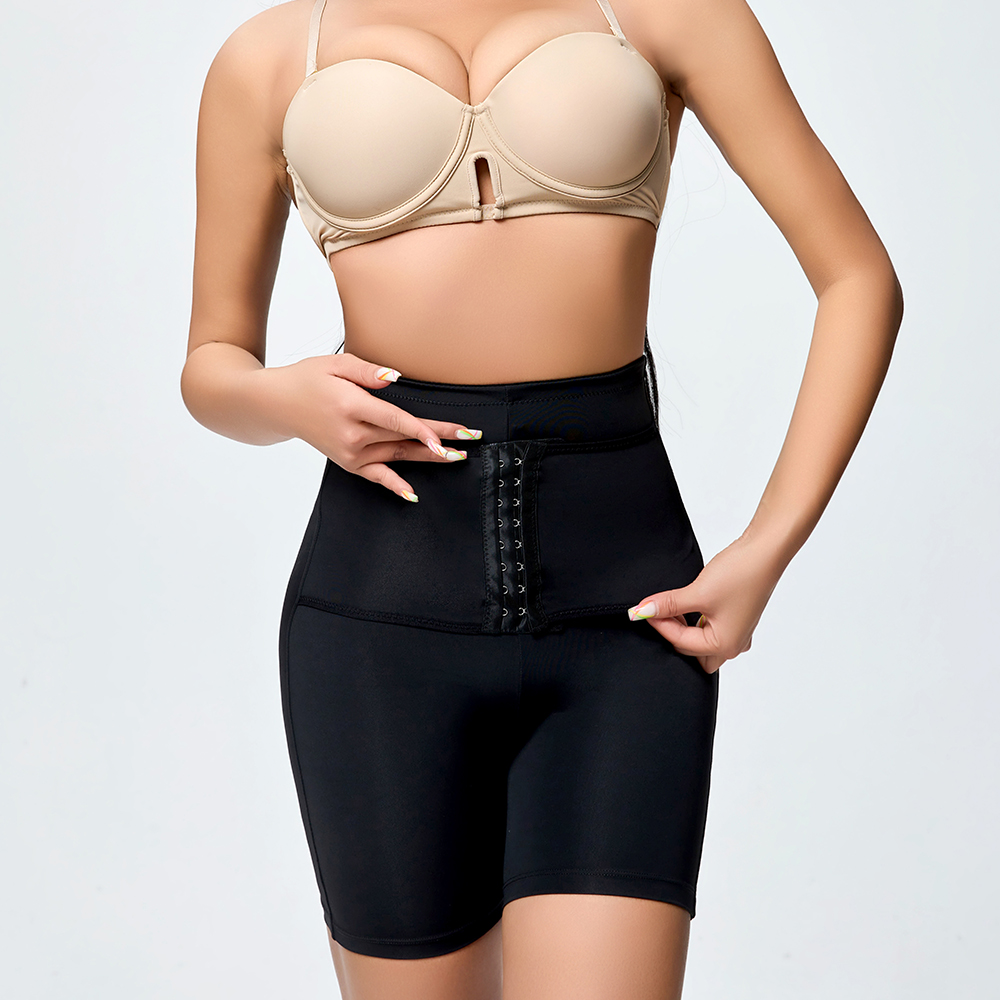
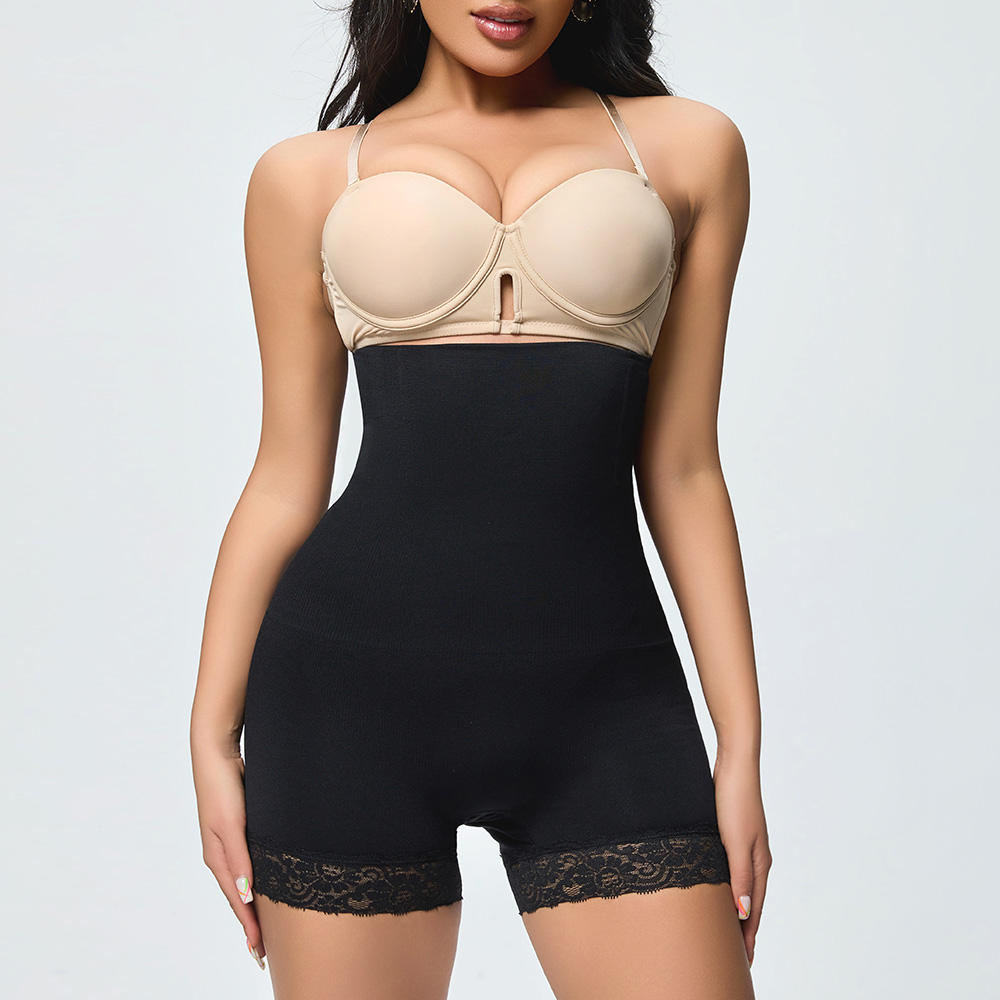
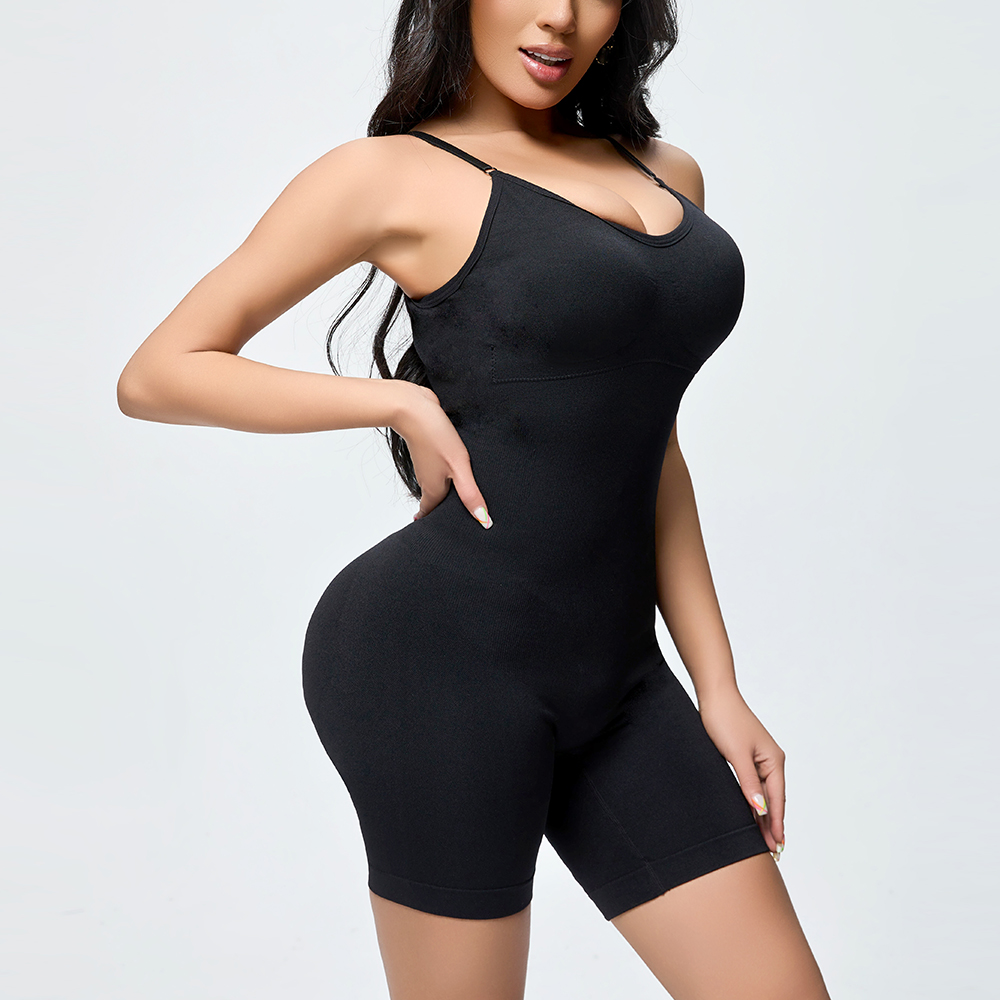
Seamless bodysuits have quickly become the fastest-growing core category in women’s fashion. They solve three major wardrobe frustrations that cause 68% of undergarment returns: visible lines, poor fit, and lack of versatility. For B2B wholesalers, retailers, and OEM brand partners, this means a high-turnover, low-return product line with outstanding profit margins. Our premium double-layered bodysuit collection uses seam-free bonded construction to eliminate panty lines and prevent fabric bunching. This creates an invisible, VPL-free foundation under everything from silk blouses to bodycon dresses. Unlike restrictive traditional shapewear, our double-layered bodysuit fabric offers full coverage without uncomfortable pressure—essential for all-day comfort, a top priority for 72% of global consumers.
This technical design delivers clear business benefits for your brand: stay-put wearability that moves with the body, preventing roll-down or slippage; streamlined silhouettes that reduce torso bulk from tucked-in tops; and transitional utility that works under office blazers and evening gowns alike. The lack of stitched seams also improves product durability by 40% compared to traditional garments, as bonded edges resist repeated washing while maintaining elasticity. For your customers, this reliability means one seamless bodysuit can anchor multiple outfits, encouraging repeat purchases and brand loyalty. By solving core fit and function challenges, these pieces become the essential foundation of a capsule wardrobe built on confidence—making them an indispensable addition to your apparel catalog.
Seamless bodysuit fit is the most critical factor in lowering return rates and increasing customer satisfaction. Our manufacturing expertise sets us apart in this key area. Our seamless bodysuits revolutionize wardrobe foundations by delivering exceptional fit and coverage through advanced 3D body-mapping technology. Unlike traditional cut-and-sew garments, our precision-knit design adapts to individual curves, eliminating gaps or tightness for a custom-like feel across sizes XS to 6XL. This innovation solves common consumer frustrations such as shifting or bunching, providing all-day comfort and a smooth silhouette. As a result, our B2B partners see 32% lower return rates.
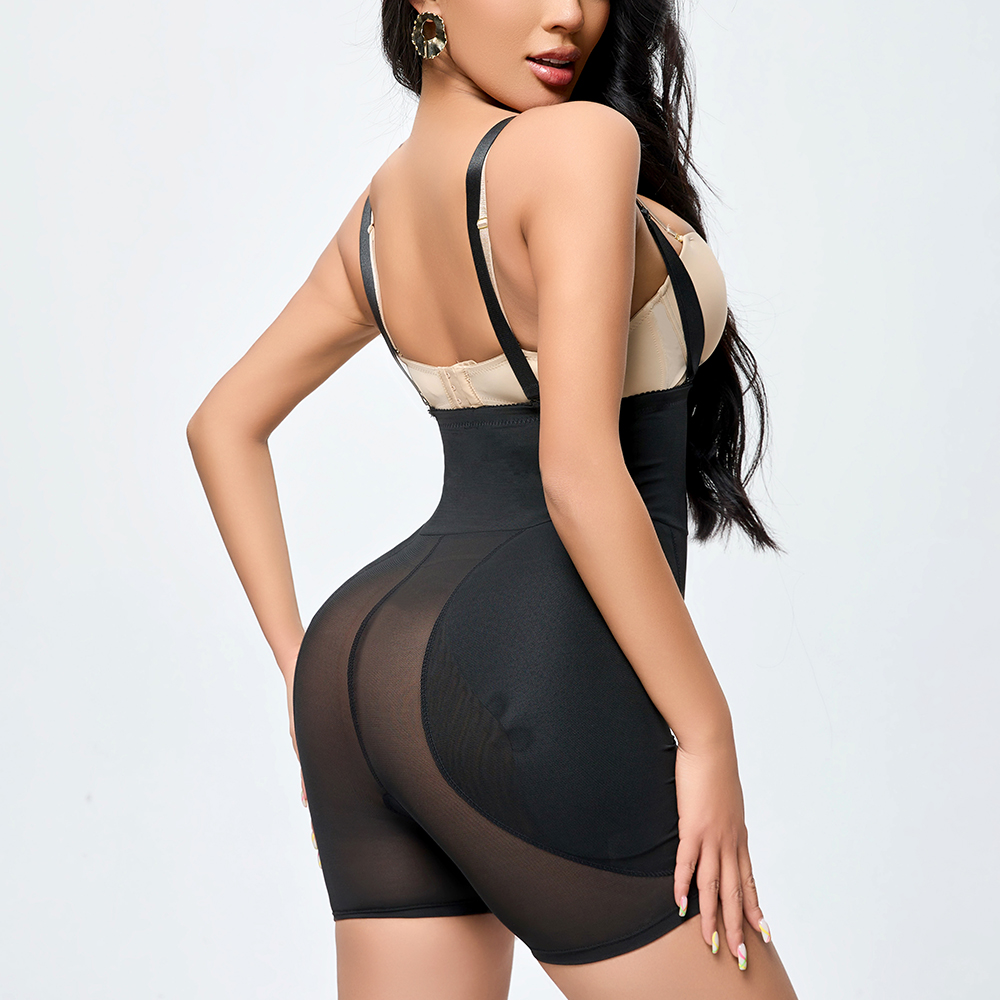
Our signature double-layered bodysuit design—knitted or bonded without any stitched seams—creates a second-skin effect that removes Visible Panty Lines (VPL) by eliminating bulky edges. This seamless approach prevents imprints under even the thinnest clothing, ensuring a flawless look for your customers. The dual layers improve opacity, blocking show-through even with sheer fabrics or bright lighting, while breathable nylon-elastane blends maintain all-day comfort. Independent wearability tests show our high-compact substrates reduce chafing by 80%, offering durable, invisible support that users often forget they are wearing. For B2B partners, this means a product that consistently keeps its promises, driving positive reviews and word-of-mouth referrals.
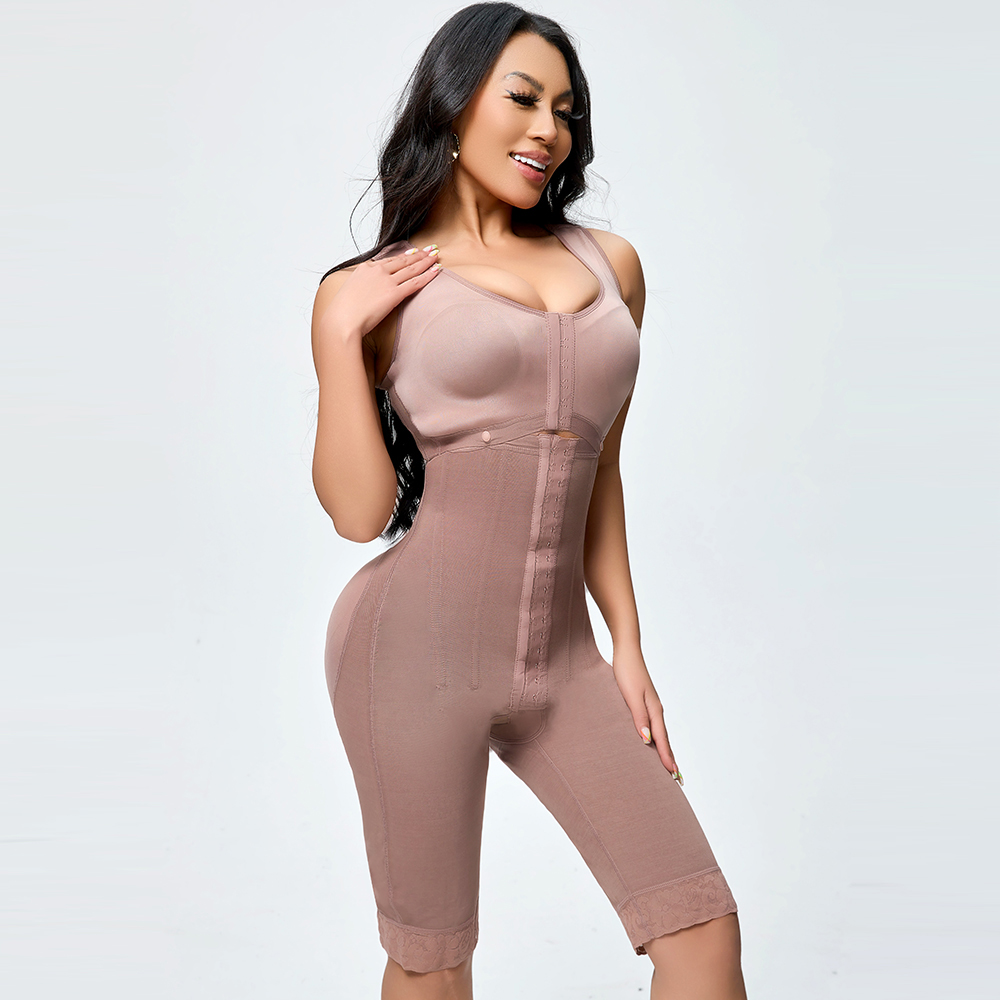
Slippage, tucking struggles, and fabric bunching are the top complaints that hurt the value of low-quality seamless bodysuits. Our product line directly addresses these challenges by matching construction to body type and textile properties, ensuring an optimal seamless bodysuit fit for every customer segment. Petite frames often face shoulder strap slippage due to narrower torsos—our adjustable convertible strap and racerback designs secure the garment without sacrificing comfort. For athletic builds, low-rise hip-hugging cuts paired with reinforced side panels prevent waistband rolling during movement.
|
Frame Type |
Common Consumer Challenge |
Our Fabric Solution |
Our Structural Fix |
|
Curvy |
Mid-thigh ride-up |
Heavyweight nylon-spandex blends |
Internal silicone grip tape |
|
Straight-Silhouette |
Waist gaping |
Ribbed stretch knits |
Contoured darting |
|
Tall |
Torso tension |
4-way stretch fabrics |
Extended torso length options |
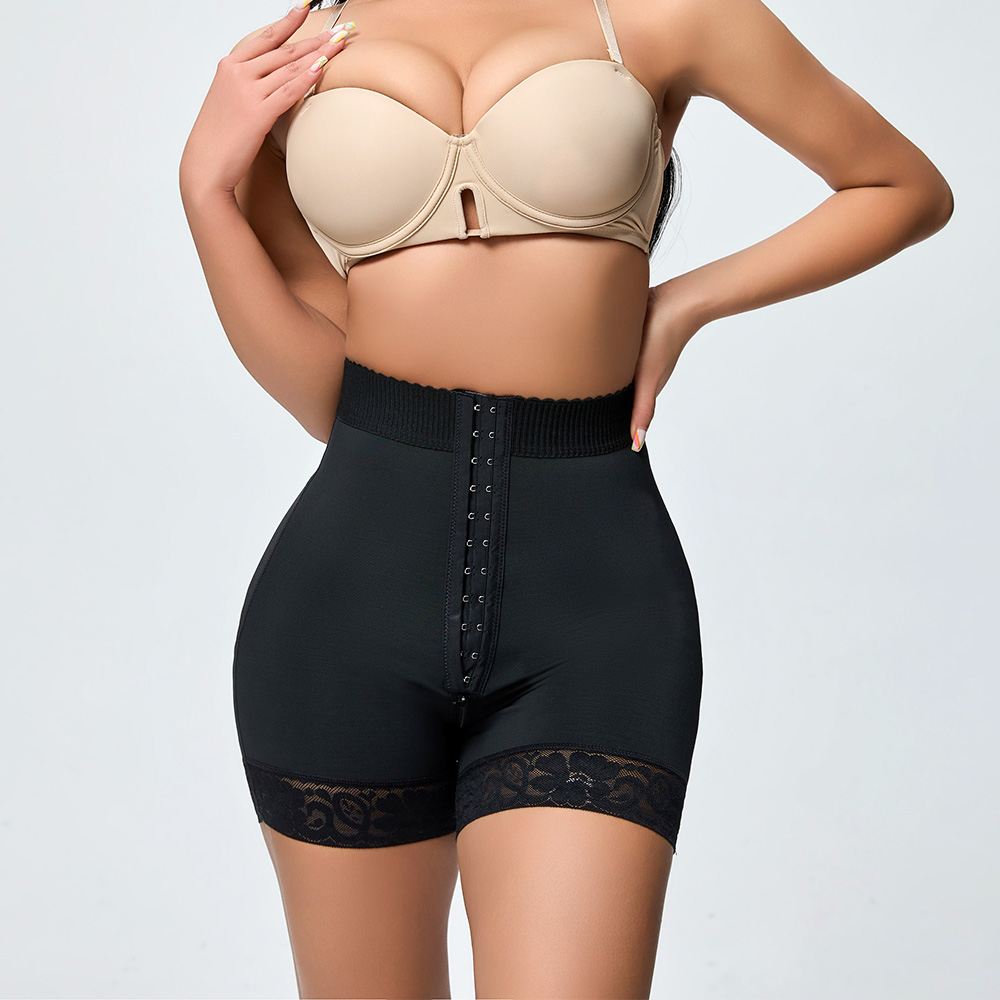
Fabric composition directly affects bunching and durability. Thinner micro-mesh textiles work well under fitted garments but risk wrinkling at seated bends—our double-layered bodysuit designs add targeted reinforcement in high-stress zones to solve this issue. When tucking into high-waisted bottoms, our strategically placed snap closures below the natural waistline avoid pressure points, while wider gusset designs accommodate fuller hips without distortion. For thicker sculpting knits, our precision hip-to-waist ratio engineering eliminates fabric pooling. Mastering these adjustments turns seamless bodysuits into a true second-skin foundation for every body type, expanding your customer reach and reducing returns.
Offset printing uses an indirect transfer method—distinct from direct printing—where ink travels from plate to rubber blanket, then to substrate. A photosensitive plate is imaged so that image areas attract oil-based ink while non-image areas retain water. Ink rollers apply pigment only to the ink-receptive zones. Rather than transferring directly to paper, the inked image first moves to a flexible rubber blanket cylinder. This intermediary step protects the delicate plate from wear and allows precise, high-fidelity reproduction on diverse materials—from textured uncoated stock to rigid packaging. Finally, the impression cylinder presses the substrate against the inked blanket, completing the offset transfer.
The separation of imaging (plate) and impression (substrate) enables exceptional mechanical stability across long runs. Because the plate never contacts the substrate, it remains intact through millions of impressions—preserving sharpness and registration integrity. Automated dampening systems maintain precise ink–water balance, ensuring uniform color density sheet after sheet. According to the 2023 Print Production Reports, offset achieves 30% higher throughput consistency than digital alternatives for runs exceeding 10,000 units. Its mechanical registration stability minimizes drift during extended operation—critical for multi-page publications or branded collateral requiring perfect alignment. As confirmed in the 2024 Packaging Technology Review, lithographic presses maintain ±0.1mm accuracy in 98% of long-run jobs.
Indium Gallium Arsenide (InGaAs) photodiode arrays are the dominant sensor technology for SWIR imaging. This semiconductor delivers high quantum efficiency (70–80%) across 0.9–1.7 µm, with extended variants now covering up to 2.5 µm. Its low dark current (<100 pA/cm² at 300K) supports strong signal-to-noise performance even under low-light conditions. Crucially, InGaAs sensors operate effectively at thermoelectrically cooled or near-room temperatures—unlike mercury cadmium telluride (MCT) or quantum-well infrared photodetectors (QWIPs), which require cryogenic cooling. This eliminates bulky, power-intensive refrigeration systems, reducing overall system complexity and power consumption by over 60% compared to cooled MWIR alternatives (Future Markets 2023). That balance of sensitivity, spectral coverage, and operational practicality makes InGaAs the foundational technology for industrial SWIR cameras.


 EN
EN