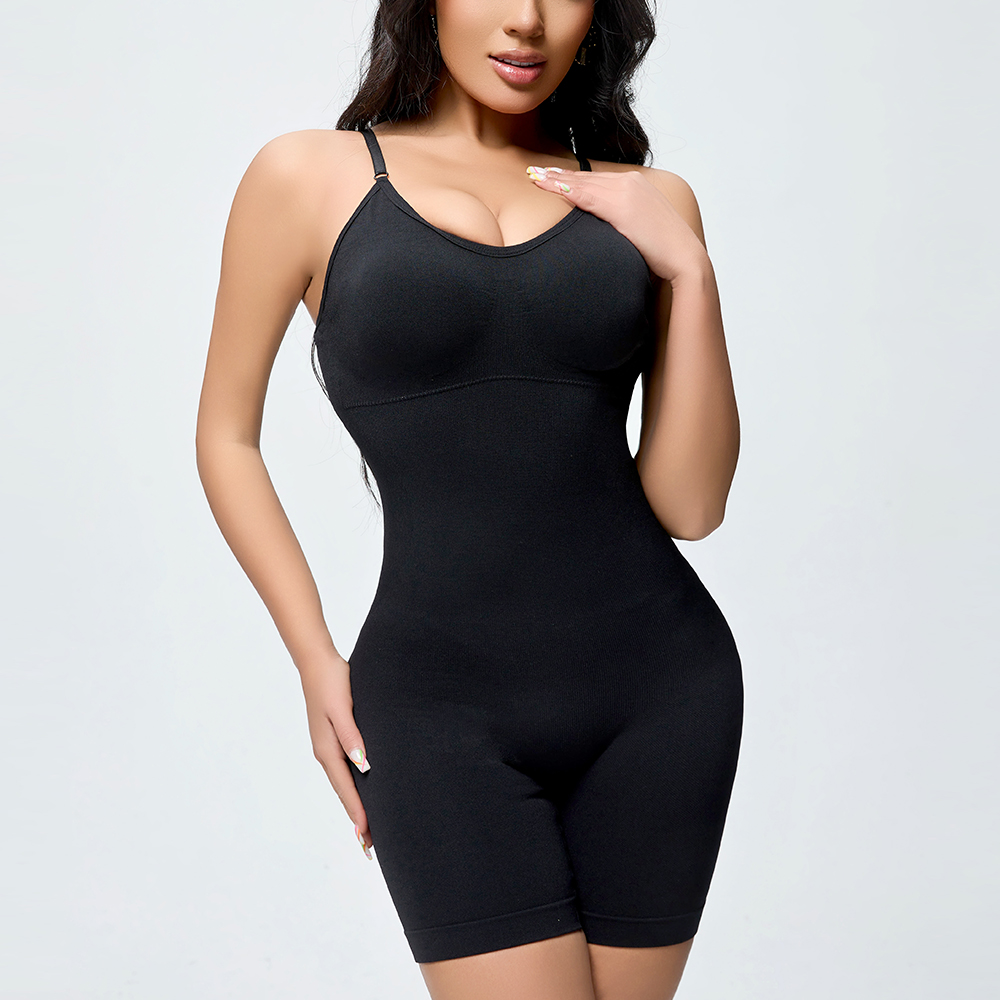
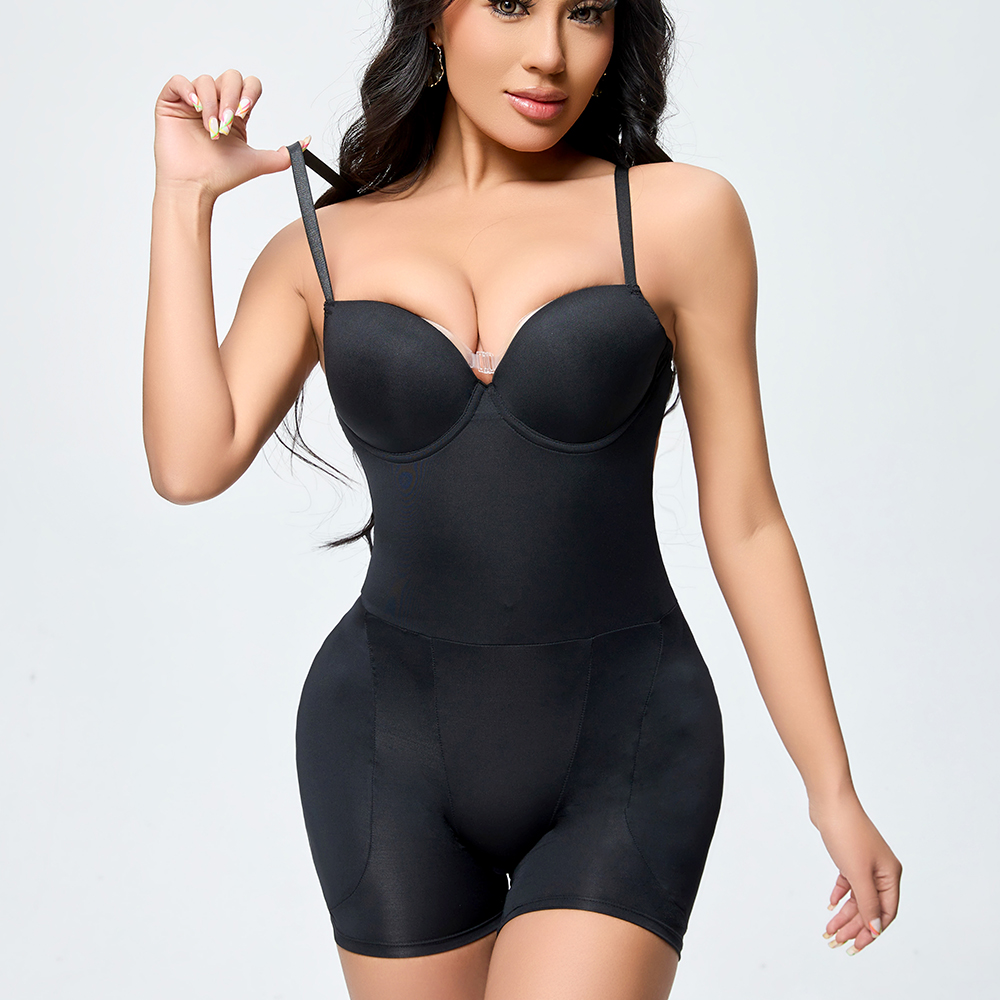
Comfortable shapewear relies on specialized elastic fibers—like spandex and elastane—to deliver targeted, adaptive compression. These high-performance materials endure significant mechanical stress during daily wear, and improper care accelerates fiber fatigue. Research published in the Textile Research Journal (2023) found that aggressive washing cycles can degrade elasticity by up to 40% within just 10 washes. This breakdown directly impairs the garment’s ability to maintain its original supportive contour, transforming effective shapewear into a loose, ineffective underlayer. Because compression and comfort are inseparable from material integrity, once elasticity is compromised, neither function can be restored.
Material composition dictates care requirements—and consequences of mismanagement. Latex-based shapewear loses 50% more tensile strength when exposed to heat than synthetic alternatives (Polymer Testing, 2024). Nylon-spandex blends, while more machine-wash tolerant, face distinct vulnerabilities:
| Material Type | Primary Degradation Risk | Preventive Care Measure |
|---|---|---|
| Latex | Heat damage & oxidation | Cold water only; no direct sunlight |
| Synthetic Blends | Pilling & fiber breakage | Inside-out washing; no fabric softeners |
Non-latex options also suffer disproportionately from chlorine exposure—common with swimwear contact. Crucially, all shapewear types sustain permanent distortion when wrung or twisted during washing, as these actions disrupt engineered tension zones. Understanding these material-specific risks enables precise, confidence-backed care decisions that preserve both fit and comfort over time.
Hand washing remains the most effective method for preserving the elasticity of comfortable shapewear. Using cool water and gentle agitation protects compression integrity without subjecting fibers to mechanical strain. Fill a basin with lukewarm water and a mild, pH-neutral detergent formulated for delicates; submerge the garment for 10 minutes, then gently squeeze soap through the fibers—never twist or wring. Rinse thoroughly until water runs clear. According to the Textile Care Journal (2023), hand-washed shapewear retains 92% of its original compression after 50 washes.
Machine washing is acceptable when necessary—but only with strict safeguards. Always place garments in a breathable mesh laundry bag and select a cold-water delicate cycle with the shortest spin duration possible. A 2023 study confirmed that protected machine washing preserves 85% of elasticity, compared to just 63% without bag protection. Fabric softeners must be avoided entirely—their residue coats elastic fibers, reducing stretch recovery by up to 40% over repeated use. And always consult the care label: some manufacturers void warranties for machine-washed items, underscoring the importance of following brand-specific guidance.
Avoid these three common errors to significantly extend your shapewear’s functional lifespan:
Hot Water Exposure: Temperatures above 30°C (86°F) rapidly degrade elastane bonds.
Aggressive Detergents: Alkaline or enzyme-heavy cleansers break down spandex at the molecular level.
Overcrowded Loads: Friction from multiple garments causes pilling, snags, and uneven stretching.
When followed consistently, these practices help garments retain sculpting efficacy—and studies on intimate apparel longevity show properly cared-for pieces last up to three times longer.
Heat is the primary enemy of elastic recovery. Repeated exposure to high-heat drying degrades fiber resilience, cutting stretch recovery by as much as 40% (Textile Engineering Journal, 2022). Instead, gently press excess water from the garment using a clean, dry towel—never wring or twist. Lay flat on a mesh drying rack to maintain even tension across all panels and prevent gravity-induced sagging. Avoid hanging, which creates asymmetrical stress points and leads to permanent distortion. Keep garments away from direct sunlight, radiators, and HVAC vents; ideal drying occurs below 75°F (24°C) in well-ventilated areas. Allow 12–24 hours for full air drying before storage—this prevents moisture retention, microbial growth, and weakening of bonded seams. These steps actively support the fabric’s “recovery memory,” ensuring consistent compression wear after wear.
The way you handle your shapewear every day directly affects how long it will hold its compression and fit. Small, intentional routines—like rotating between at least three pieces—give elastic fibers critical recovery time between wears, minimizing permanent elongation and extending functional life.
Putting on and taking off shapewear should be deliberate—not rushed. Aggressive pulling, pinching, or gripping strains delicate elastic strands and invites micro-tears that compound into irreversible sagging. Instead, gently roll the garment upward or downward, guiding it with open palms and fingertips rather than grasping tightly. Ensure hands are dry and free of rings, watches, or rough-textured lotions that could snag or abrade the surface. Taking an extra 10–15 seconds to ease the piece on and off preserves structural fidelity across seams, panels, and bonded edges—keeping your shapewear both reliable and comfortable for far more wears.
Comfortable shapewear that sags after a few washes destroys customer trust. Without proper shapewear care education and high‑quality construction, even the best comfortable shapewear fails to maintain compression. Our comfortable shapewear is engineered with premium elastane blends that retain 92% compression after 50 washes when cared for correctly. We provide shapewear care guides with every wholesale order to help your customers maintain compression and enjoy longer product life.
We are a direct manufacturer with 15 years of experience in comfortable shapewear production. Our garments are OEKO‑TEX® certified, available in sizes XS–5XL, and tested for 100+ washes. We offer low MOQ (500 pieces), fast 15‑day shipping to Europe, Africa, Saudi Arabia, UAE, Jordan, Kuwait, Qatar, and Iraq, plus custom branding and one‑to‑one service.
Contact us today for a free sample of our best‑selling comfortable shapewear and a no‑obligation bulk quote. Let’s build a comfortable shapewear line that your customers will love — and keep loving — wear after wear.
Specialized care is essential because the high-performance elastic fibers used in shapewear, such as spandex and elastane, are vulnerable to mechanical and chemical stress. Proper care extends the lifespan of these fibers, ensuring they maintain their compression and comfort over time.
Yes, but only with precautions. Use a breathable mesh laundry bag, select a cold-water delicate cycle, and avoid fabric softeners. Machine washing can still reduce elasticity compared to hand washing, but using safeguards helps mitigate damage.
Common mistakes include exposing shapewear to hot water, using aggressive detergents, and overcrowding washing machines. These errors can significantly degrade the elasticity and structural integrity of the garment.
Shapewear should be air-dried on a flat, mesh drying rack in a well-ventilated area at temperatures below 75°F (24°C). Avoid direct sunlight, heat sources, and hanging to prevent fiber damage and distortion.
Use a gentle, deliberate rolling technique guided by your palms and fingertips. Avoid pulling, pinching, or gripping the fabric tightly, as this can strain the elastic fibers and lead to permanent damage.

 EN
EN