Introduction
As the global shapewear market continues to expand, buyers and distributors are increasingly faced with a critical sourcing decision: Should you focus on fast fashion shapewear or functional shapewear?
Each category serves different consumer needs, price segments, and retail channels. For wholesalers, retail chains, and private label brands, understanding the differences is essential for maximizing profit, minimizing risk, and building a scalable product portfolio.
This article provides a comprehensive comparison to help B2B buyers make informed sourcing decisions.
1. What is Fast Fashion Shapewear?
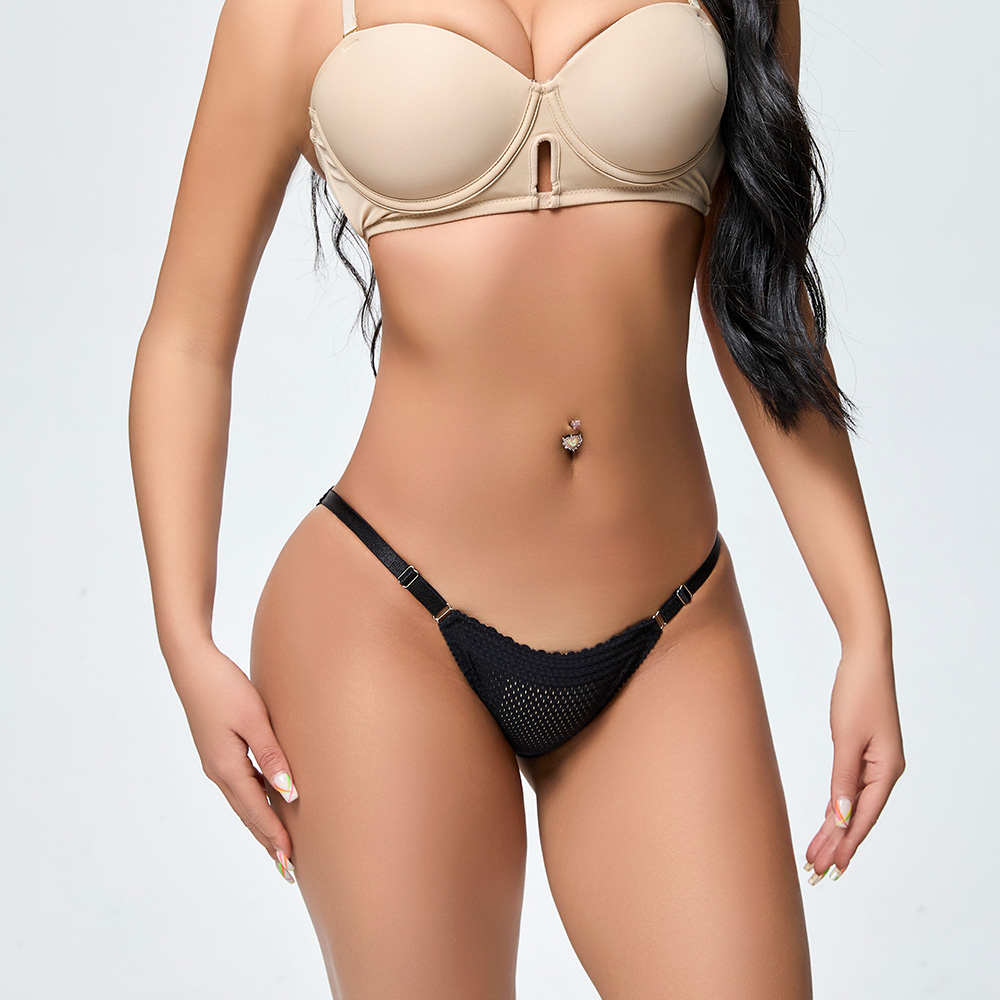
Fast fashion shapewear refers to products designed with a strong focus on:
- Trend-driven styles
- Rapid production cycles
- Lower price points
- Visual appeal over long-term functionality
Key Characteristics:
- Lightweight compression
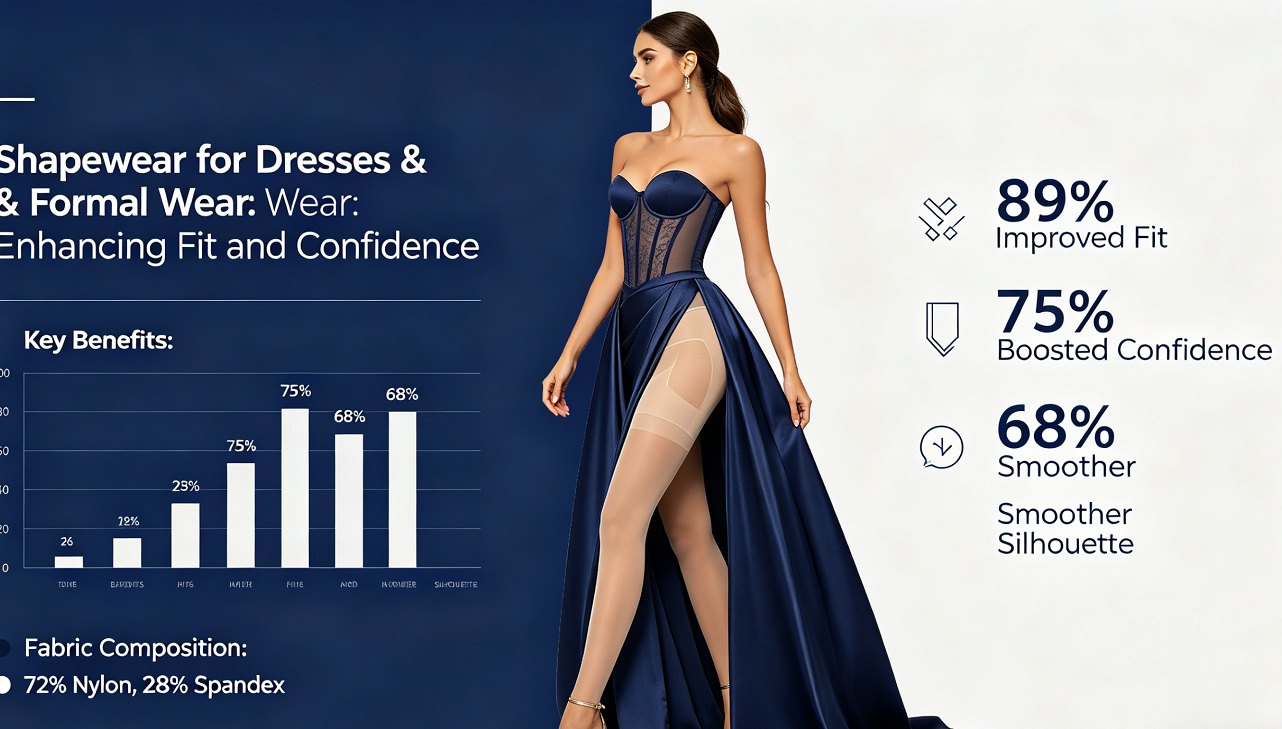
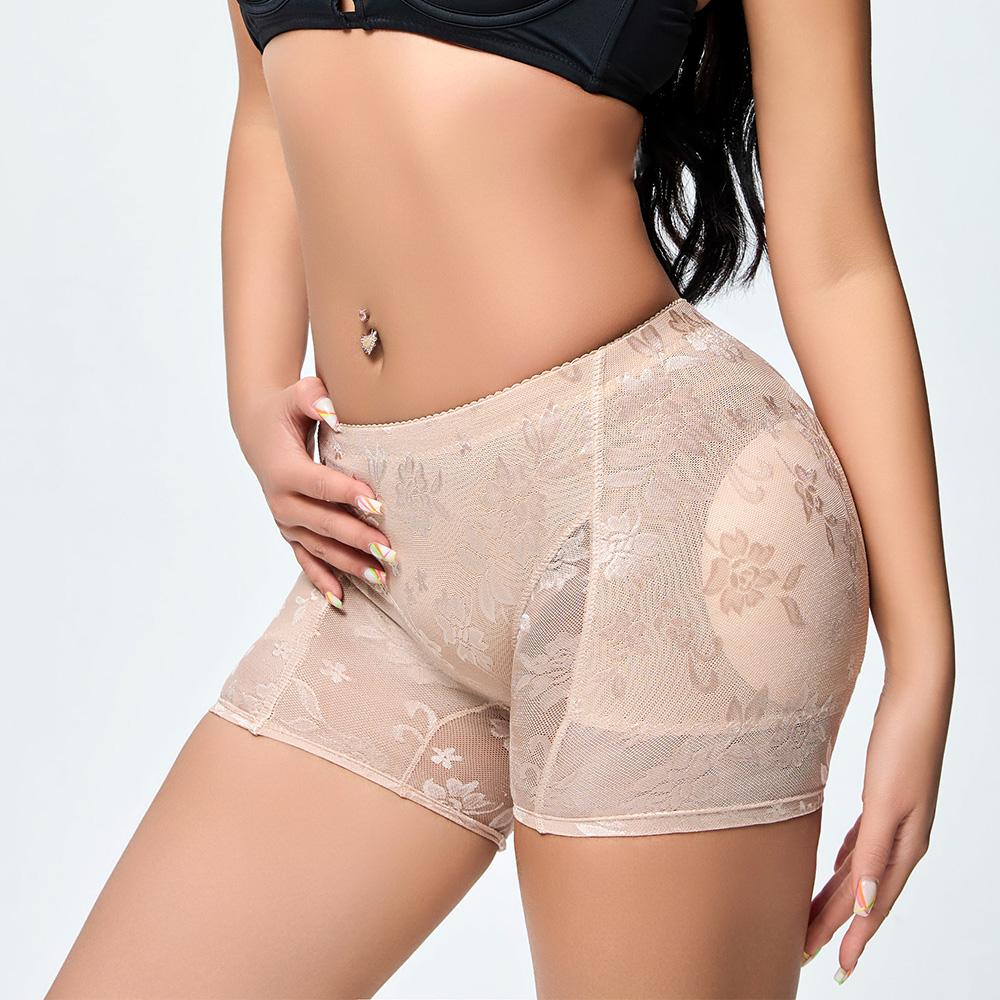
- Fashion-oriented designs (lace, colors, seasonal styles)
- Short product lifecycle
- High turnover in retail
Typical Sales Channels:
- Fashion retail chains
- Online fast fashion platforms
- Social media-driven brands
👉 Buyer Insight:
Fast fashion shapewear is ideal for high-volume, trend-sensitive markets, but requires frequent inventory updates.
2. What is Functional Shapewear?
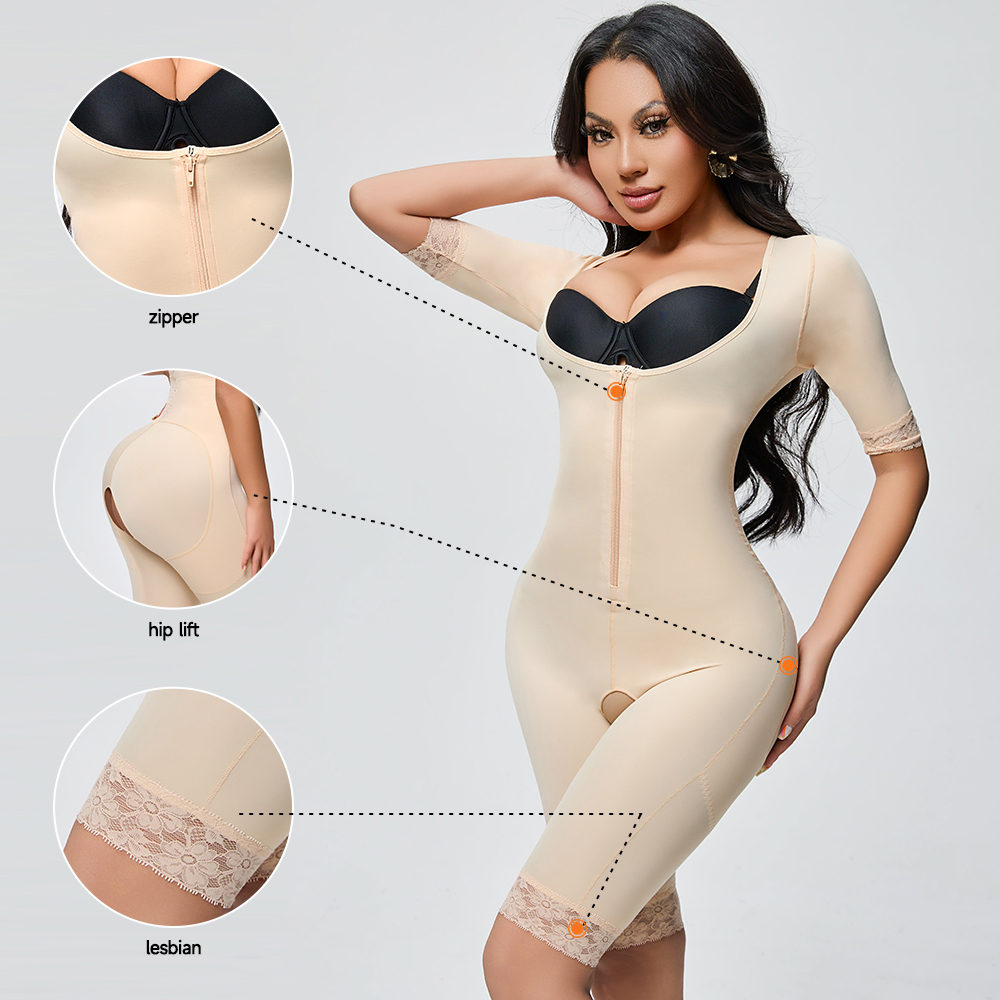
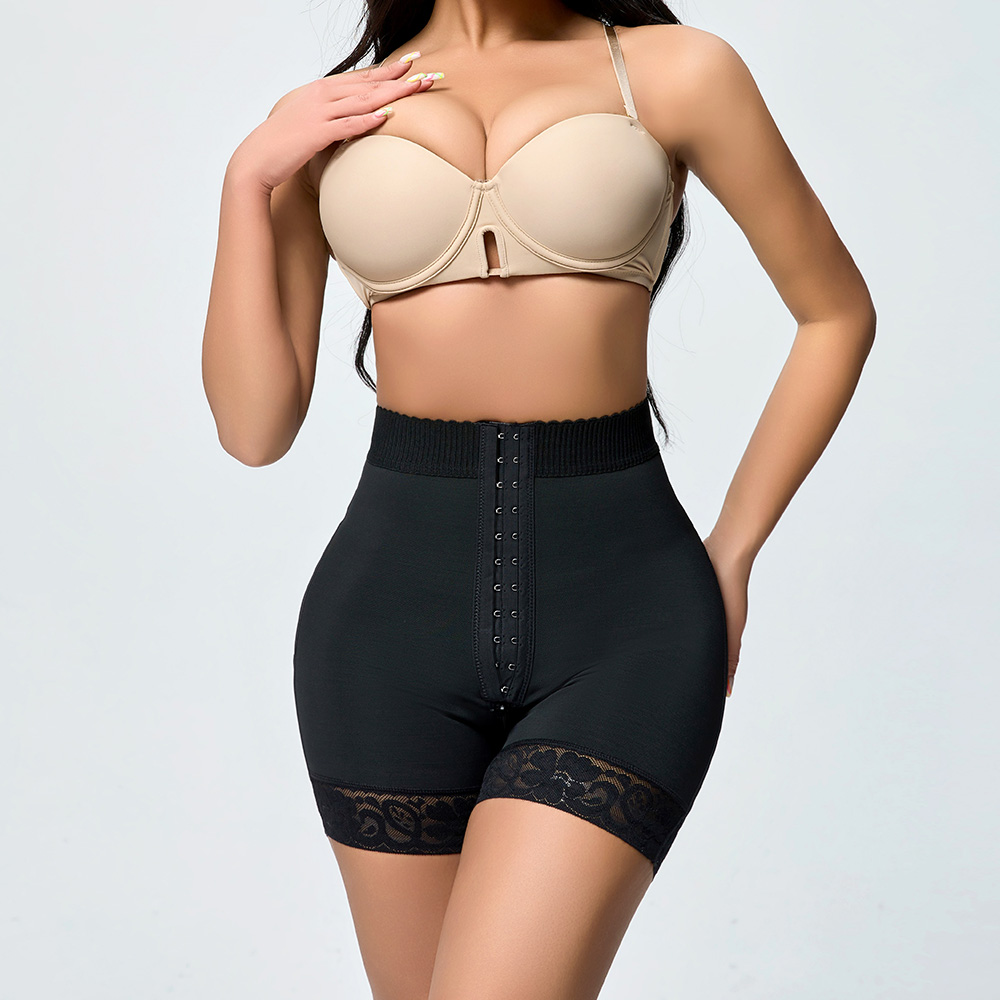
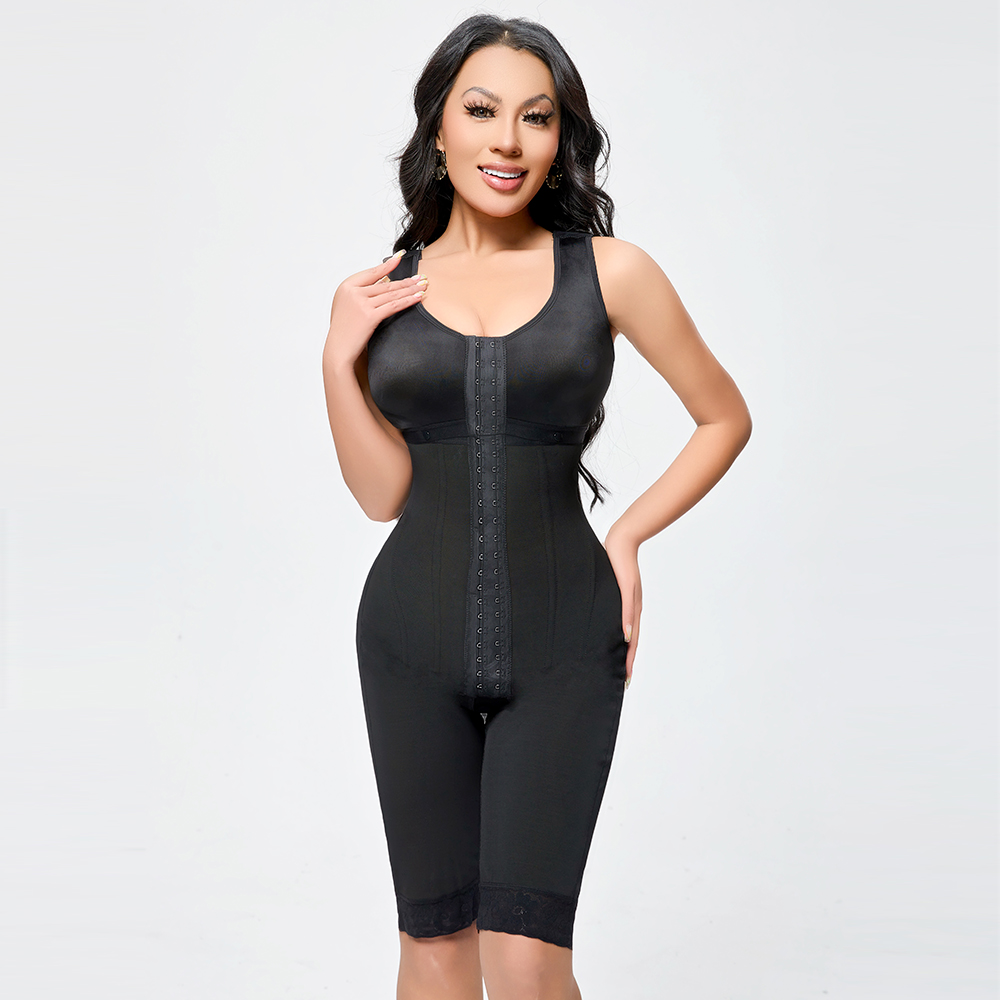
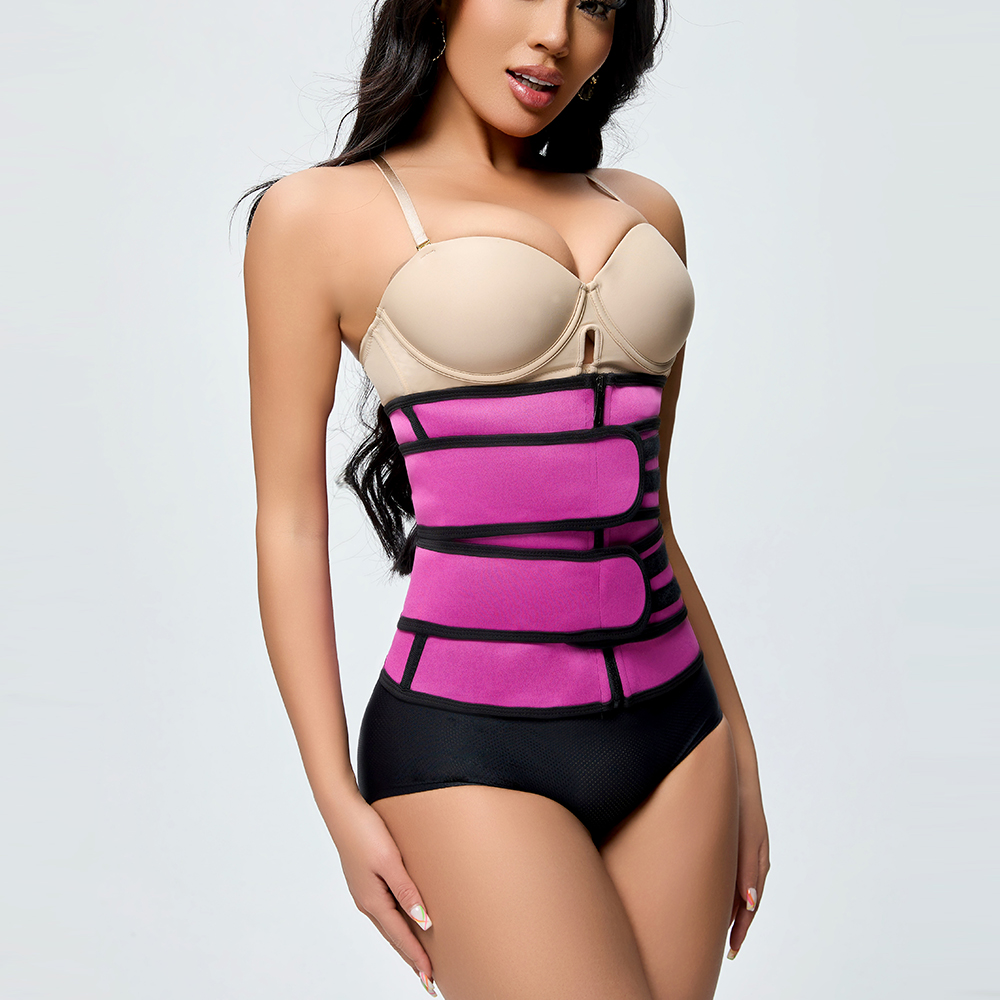
Functional shapewear is designed with performance, comfort, and durability as the primary focus.
Key Characteristics:
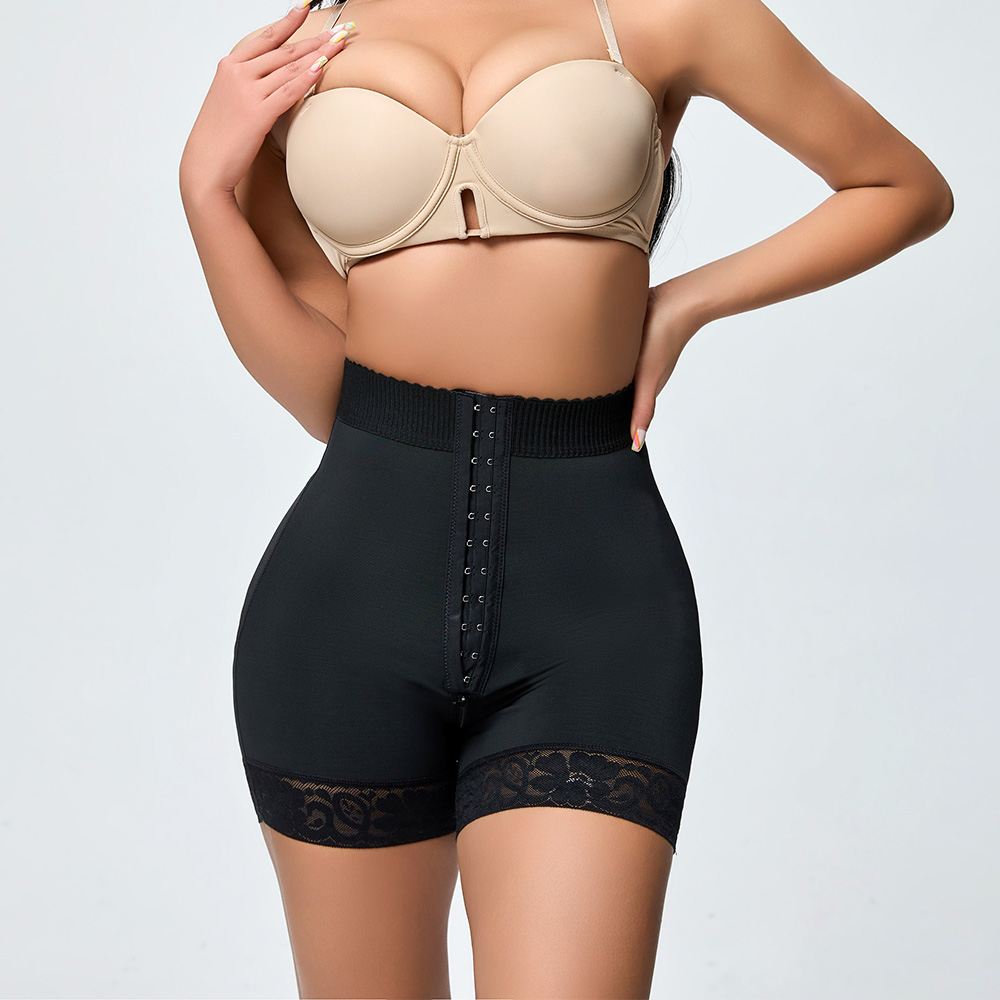
- High compression and shaping performance
- Ergonomic design for long-term wear
- Breathable, skin-friendly fabrics
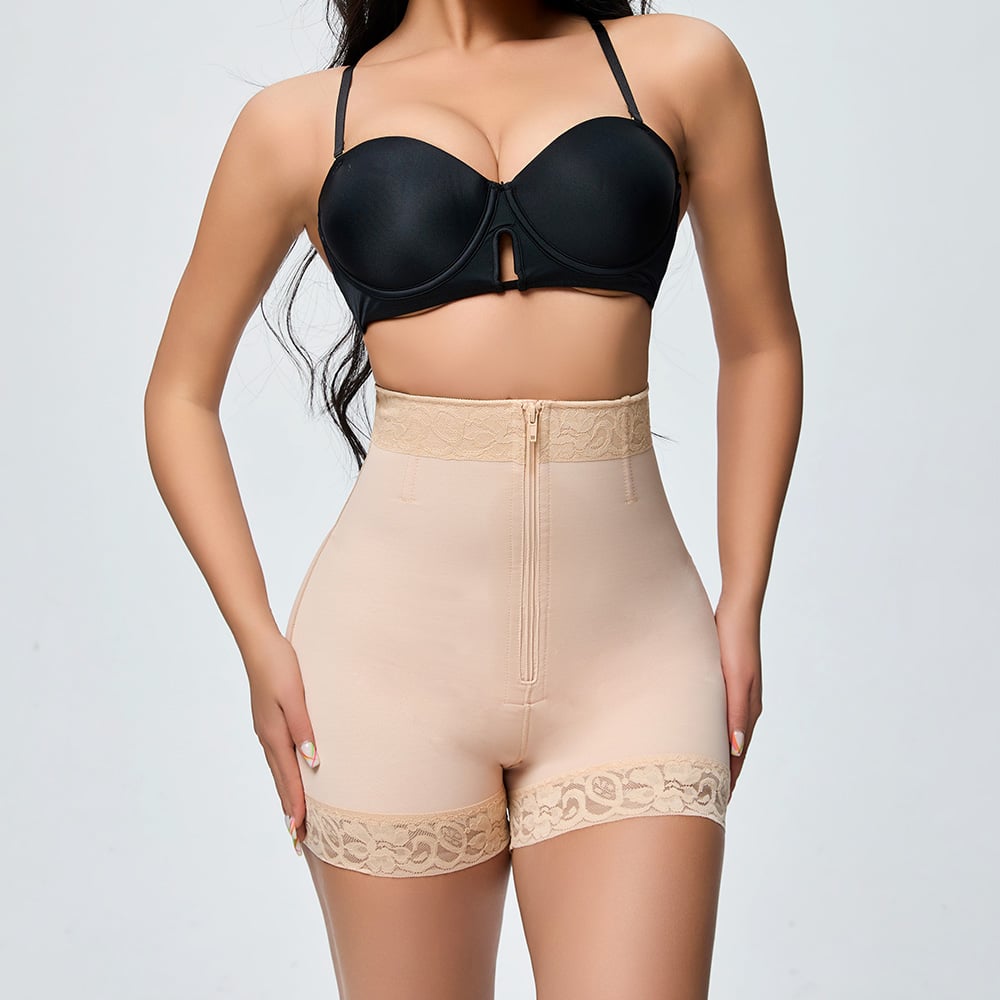
- Reinforced structure (boning, panels, support zones)
Typical Applications:
- Postpartum recovery
- Body shaping and contouring
- Daily wear with comfort focus
Typical Sales Channels:
- Specialty stores
- Medical-related retailers
- Premium e-commerce brands
- Private label programs
👉 Buyer Insight:
Functional shapewear offers higher margins, lower return rates, and stronger brand loyalty.
3. Key Differences for B2B Buyers
3.1 Product Lifecycle
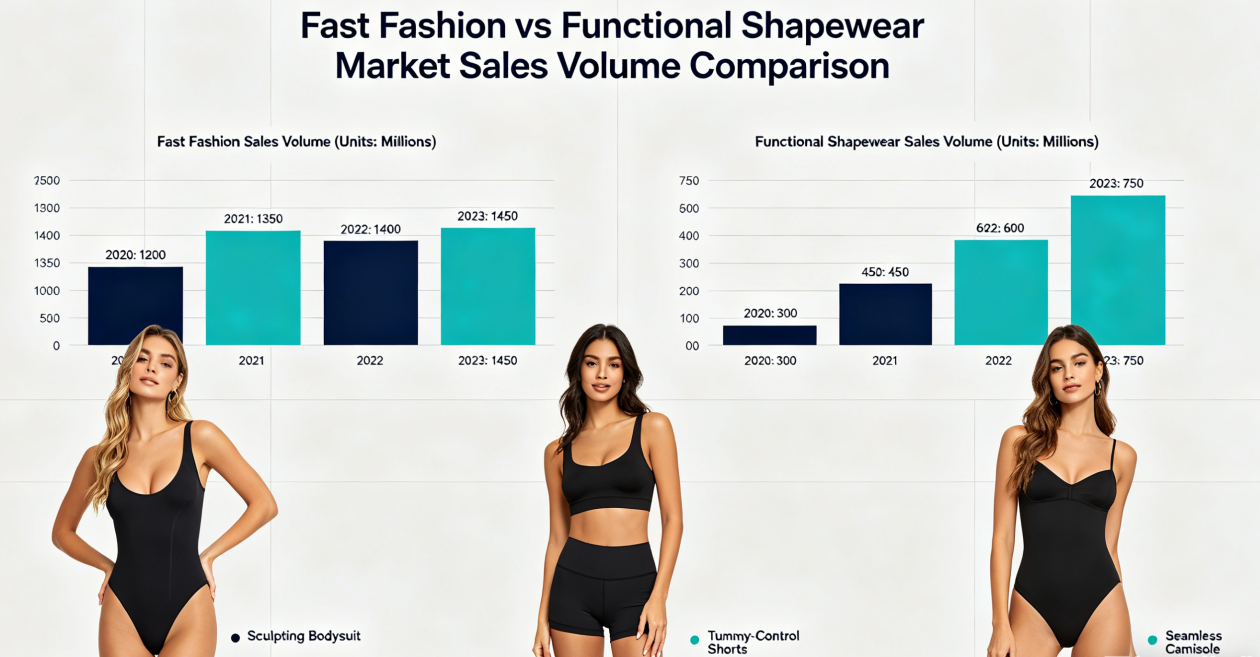
- Fast Fashion: Short lifecycle (2–6 months)
- Functional: Long lifecycle (1–3 years)
👉 Buyers must decide between rapid turnover vs stable long-term sales
3.2 Pricing & Margins
- Fast Fashion: Lower unit price, thinner margins
- Functional: Higher unit price, stronger margins
👉 Functional products often deliver better profitability per unit
3.3 Inventory Risk
- Fast Fashion: High risk (trend-dependent)
- Functional: Lower risk (consistent demand)
👉 Overstock is a major concern in fast fashion sourcing
3.4 Customer Retention
- Fast Fashion: Low repeat purchase loyalty
- Functional: High repeat purchase potential
👉 Functional shapewear supports brand building and long-term growth
3.5 Quality Expectations
- Fast Fashion: Acceptable quality for short-term use
- Functional: Strict quality and performance requirements
👉 Buyers sourcing functional products must prioritize supplier capability
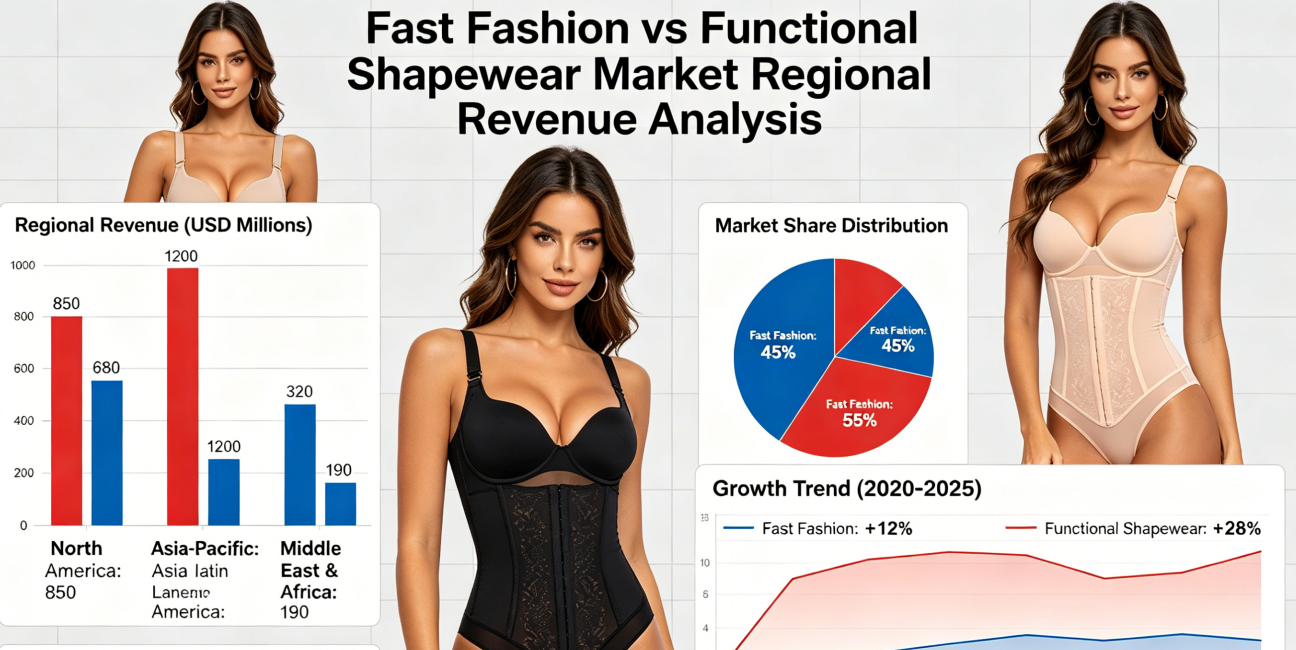
4. Market Demand by Region
North America & Europe
- Strong demand for functional shapewear
- Consumers prioritize comfort, performance, and durability
- Premium segment is growing
Southeast Asia
- Balanced demand between fashion and affordability
- Fast fashion shapewear performs well in e-commerce
Middle East
- Preference for functional and discreet products
- Cultural factors favor practical, non-revealing designs
Latin America
- High demand for high-compression shapewear
- Functional products dominate
👉 Key takeaway:
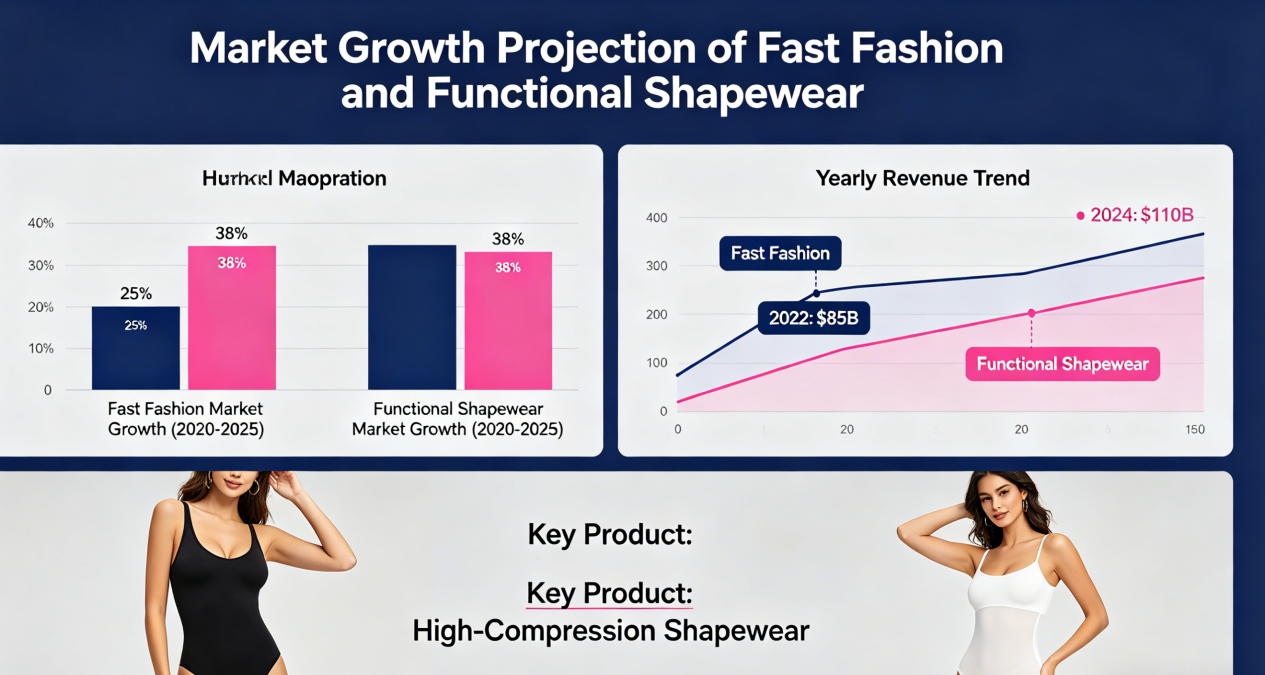
Functional shapewear has broader global consistency, while fast fashion is more region-sensitive.
5. Sourcing Strategy for Distributors and Retail Chains
When to Choose Fast Fashion Shapewear:
- You operate in trend-driven retail
- You need quick inventory turnover
- Your customers prioritize price and style
- You have strong supply chain flexibility
When to Choose Functional Shapewear:
- You focus on long-term product lines
- You target premium or mid-to-high-end markets
- You want higher margins and brand value
- You are building a private label brand
6. Hybrid Strategy: The Best of Both Worlds
Many successful distributors adopt a hybrid sourcing strategy:
- Core products: Functional shapewear (stable revenue)
- Seasonal products: Fast fashion shapewear (traffic and variety)
👉 This approach allows buyers to:
- Reduce risk
- Increase product diversity
- Capture multiple customer segments
Conclusion
-
-
The choice between fast fashion and functional shapewear is not simply about product type—it is a strategic decision that affects inventory risk, profit margins, and long-term business growth.
For most B2B buyers, functional shapewear offers greater stability and profitability, while fast fashion provides flexibility and trend-driven sales opportunities.
The most effective strategy is often a balanced approach that leverages the strengths of both categories.

 EN
EN