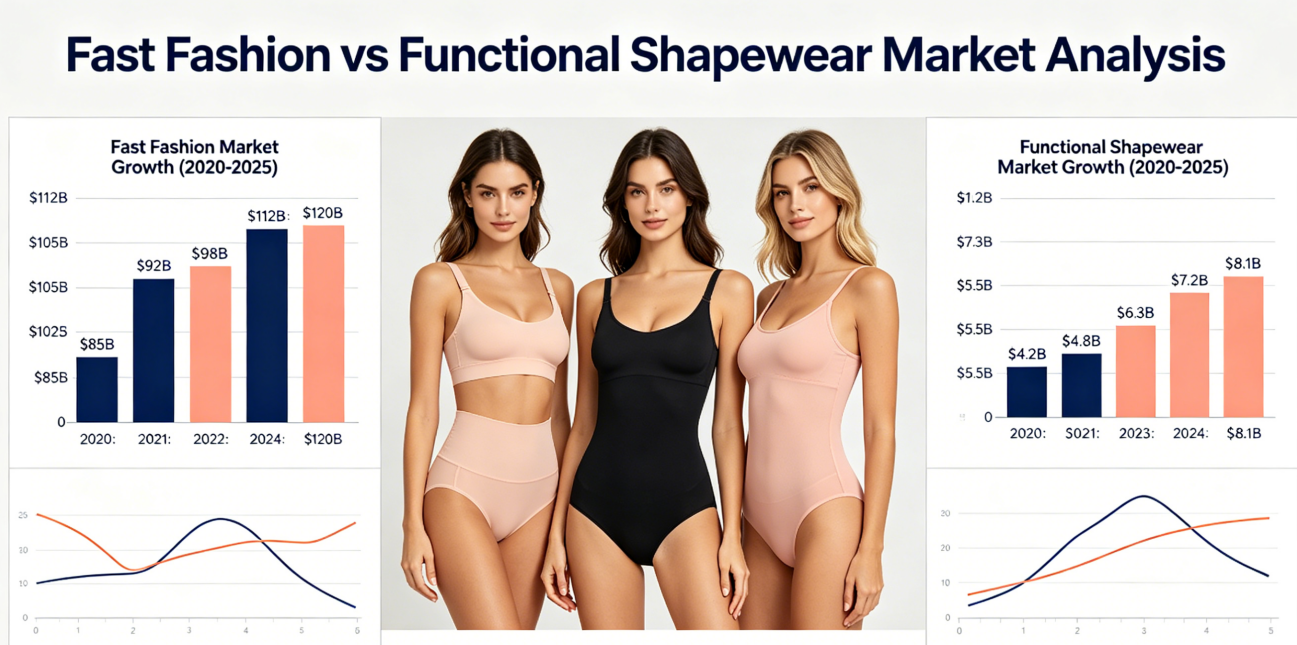
With the rapid growth of the global shapewear market, more wholesalers, retailers, and eCommerce brands are entering this category. However, one of the biggest challenges is finding a reliable supplier who can consistently deliver quality products, stable pricing, and scalable production.
Choosing the right shapewear supplier is not just about cost. It directly impacts your brand reputation, customer satisfaction, and long-term profitability. This guide outlines the key factors buyers should evaluate before making a sourcing decision.
Product quality is the foundation of your business. Poor-quality shapewear leads to high return rates and negative customer feedback.
When assessing quality, pay attention to:
Request samples and test them under real usage conditions before placing bulk orders.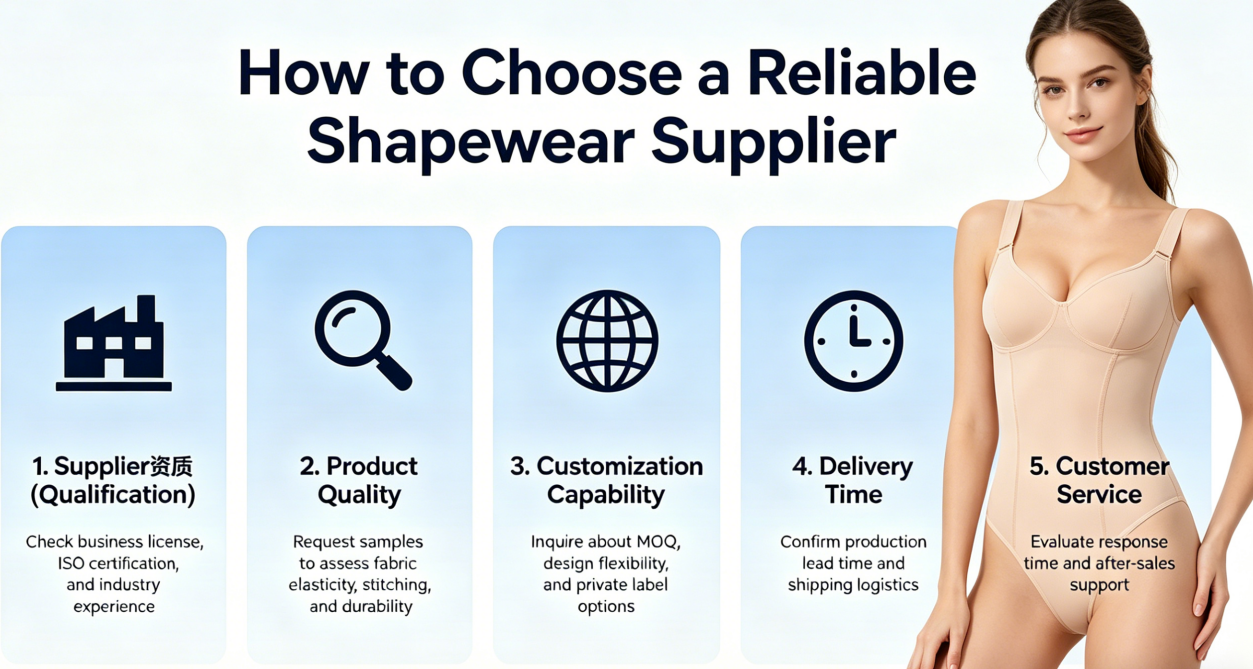
A reliable supplier should have stable production capacity and professional manufacturing processes.
Key aspects to verify:
Suppliers with strong manufacturing capability are more likely to deliver consistent quality over time.
Minimum order quantity (MOQ) and pricing are critical for your business planning.
Look for suppliers who:
Balancing MOQ and cost helps reduce inventory risk while maintaining healthy margins.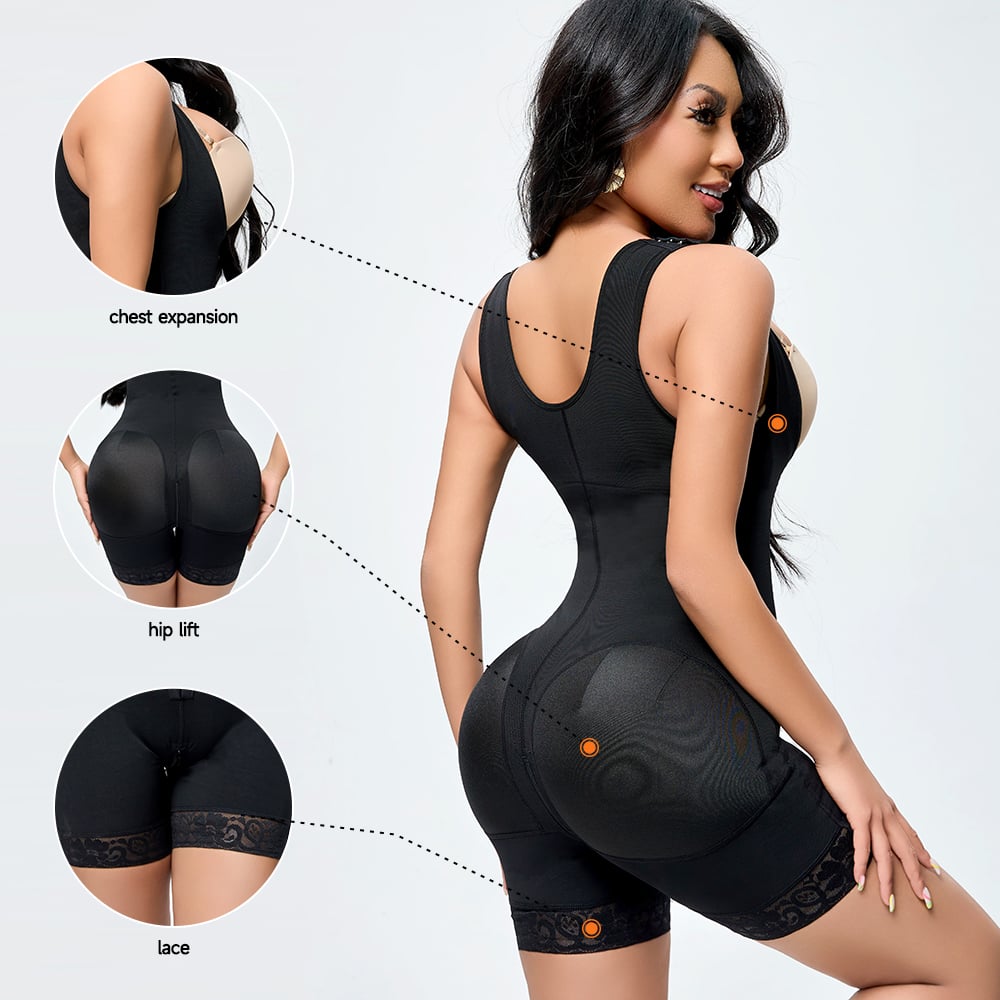
If you plan to build your own brand, customization capability is essential.
Check whether the supplier can provide:
A supplier with strong private label support can help you scale faster in competitive markets.
Communication is often overlooked but extremely important.
A reliable supplier should:
Poor communication can lead to delays, misunderstandings, and costly mistakes.
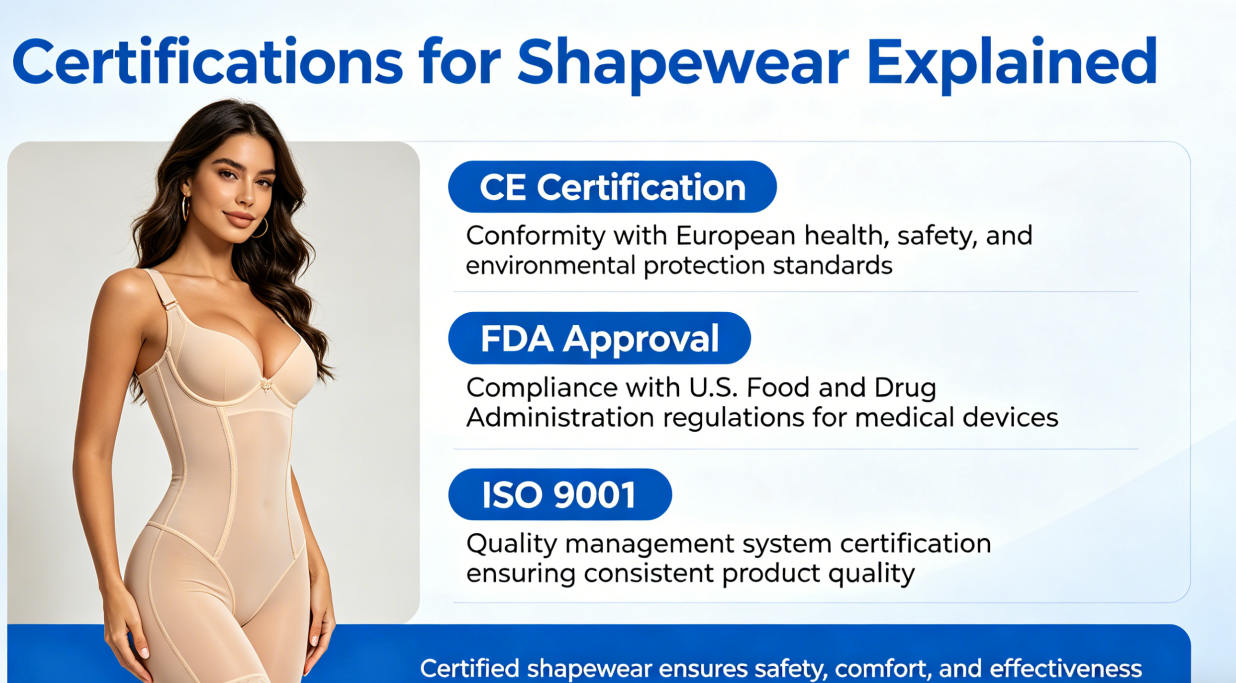
Shapewear products come into direct contact with skin, so safety and compliance matter.
Depending on your target market, check for:
Working with compliant suppliers reduces legal and regulatory risks.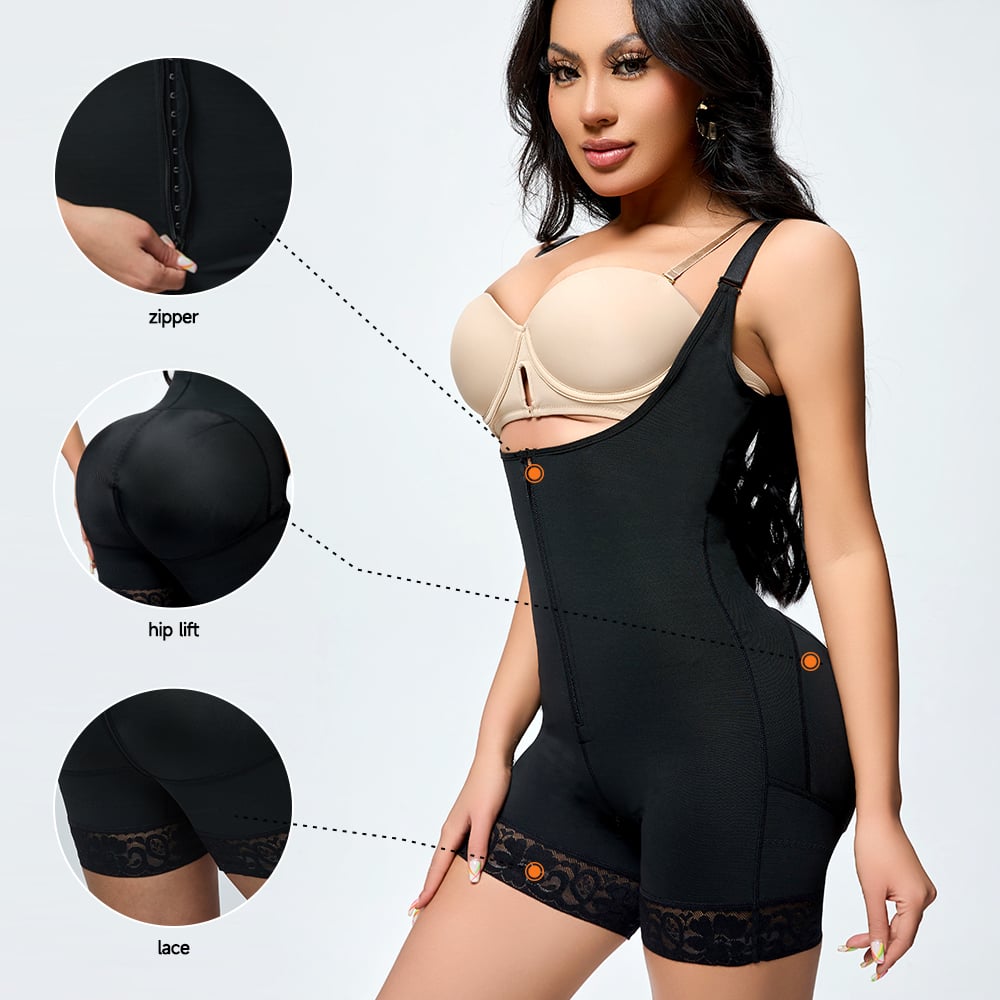
Choosing a reliable shapewear supplier requires careful evaluation of product quality, manufacturing capability, communication, and customization options. While price is important, it should never be the only deciding factor.
By following a structured sourcing process and testing suppliers before scaling, you can reduce risk and build a strong foundation for long-term success in the shapewear market.

 EN
EN