Introduction
The global shapewear market continues to expand, with products evolving to meet the diverse needs of consumers. Among the most notable distinctions is the segmentation between fitness shapewear and casual shapewear. Understanding the market shares of these segments is crucial for international distributors, retailers, and B2B buyers seeking to align their product portfolios with global trends.
1.Fitness Shapewear Market Overview
Fitness shapewear, designed to support active lifestyles, combines body shaping with functional benefits such as posture support, compression, and moisture-wicking properties. The segment has grown rapidly due to the increasing global interest in health, wellness, and athleisure trends.
Key trends:
● Strong demand in North America and Southeast Asia.
● Products often integrated with activewear collections in retail stores.
● High-value segment due to premium materials and performance-oriented design.
Market share insight:
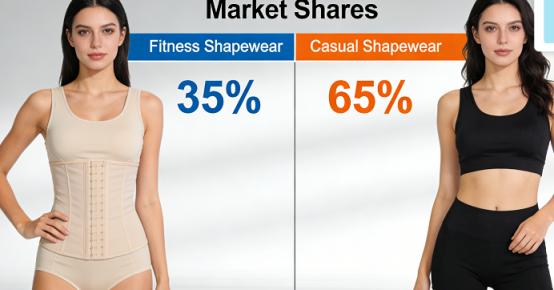
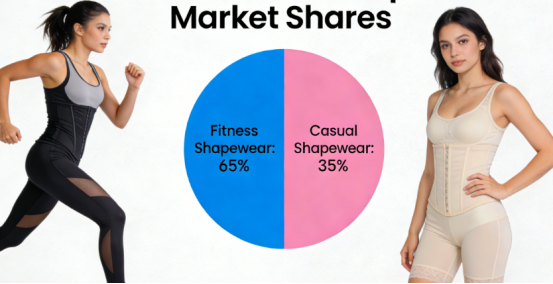
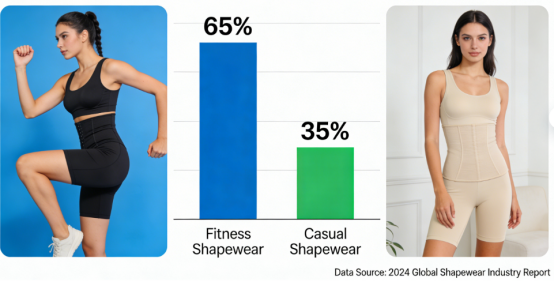
Fitness shapewear currently accounts for approximately 35–40% of the global shapewear market, reflecting the growing consumer preference for versatile, functional apparel.
2. Casual Shapewear Market Overview
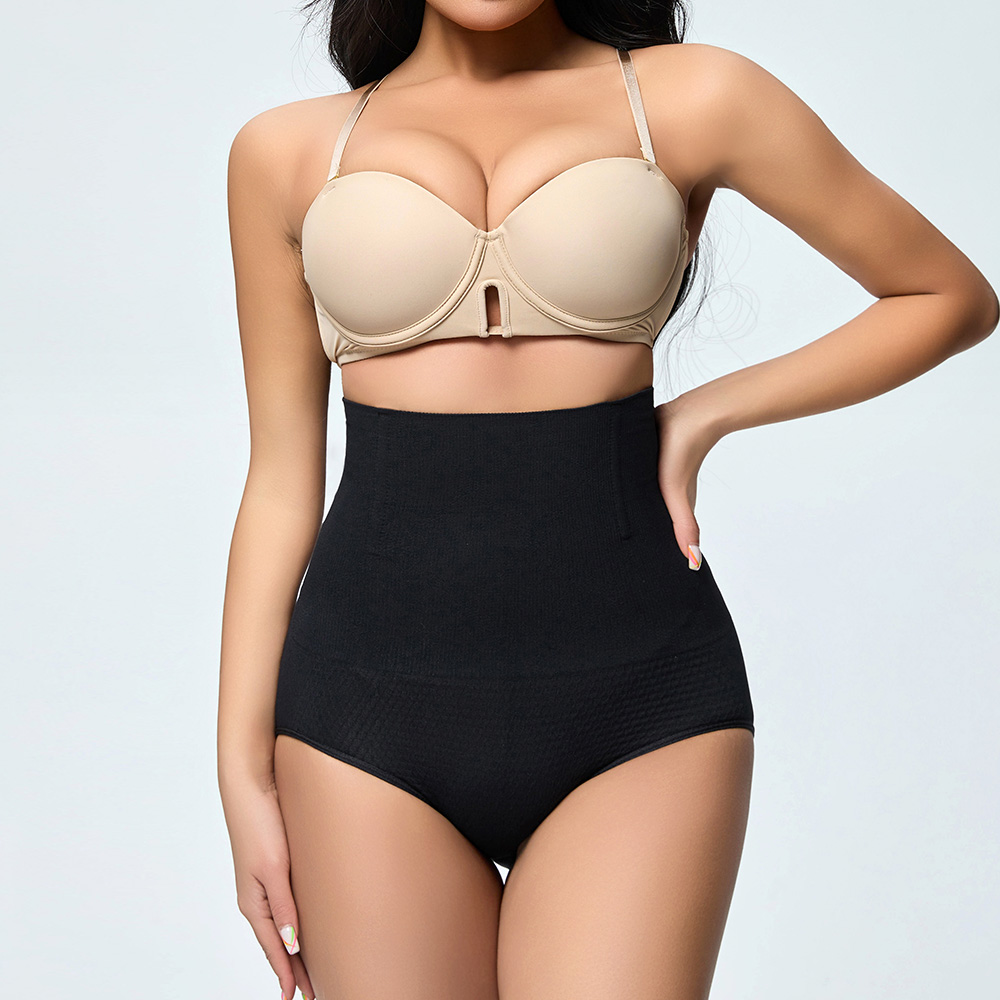
Casual shapewear focuses on everyday comfort and aesthetic appeal. These products are designed for seamless wear under office attire, casual outfits, or formal wear, prioritizing comfort and discretion over athletic performance.
Key trends:
● Dominates markets in Europe and North America for daily wear.
● Products are often stocked in department stores, multi-brand lifestyle stores, and online fashion retailers.
● Growth driven by the demand for all-day wearability and inclusivity across body sizes.
Market share insight:
Casual shapewear holds a slightly larger portion of the market, estimated at 50–55% globally, highlighting its status as the foundation of shapewear demand.
3. Regional Differences
● North America: Casual shapewear remains dominant in retail, but fitness shapewear is rapidly growing, especially among millennials and Gen Z.
● Europe: Casual shapewear leads, with eco-friendly and seamless designs gaining traction.
● Southeast Asia: Fitness shapewear shows strong growth potential, driven by athleisure trends and e-commerce adoption.
● Middle East: Casual shapewear dominates, with luxury and modesty-conscious designs appealing to local consumers.
● Latin America: Fitness shapewear is emerging alongside increasing health and fitness awareness.
4. B2B Insights for Distributors and Retailers
● Diversify Product Offerings: Stock both casual and fitness shapewear to cater to different consumer needs.
● Focus on Materials and Functionality: Fitness shapewear should highlight compression, stretchability, and moisture management; casual shapewear should prioritize comfort, seamless design, and size inclusivity.
● Targeted Marketing for Retail Channels:
oFitness shapewear → sporting goods stores, gyms, online fitness platforms
oCasual shapewear → department stores, lifestyle shops, e-commerce fashion platforms
● Bundle and Private Label Opportunities: Offering bundles of casual and fitness shapewear or customized private label options can boost wholesale sales.
● Monitor Emerging Trends: Keep an eye on sustainability, plus-size, and gender-inclusive shapewear, which can impact both fitness and casual segments.
5. Market Growth Outlook for 2026
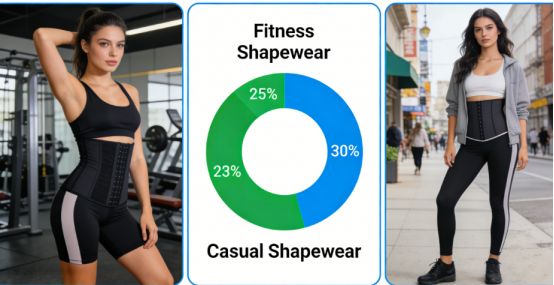
● Fitness shapewear is expected to grow at a CAGR of 7–8%, driven by health-conscious lifestyles and athleisure trends.
● Casual shapewear is projected to maintain steady growth, around 5–6% CAGR, as it continues to meet daily wardrobe needs.
● Overall, the global shapewear market is estimated to exceed $6 billion by 2026, providing ample opportunity for B2B buyers to secure high-demand products for international distribution.
6. Future Opportunities and Strategic Recommendations
Looking ahead, B2B buyers should focus on innovation, customization, and regional alignment. For example:
● Offering eco-friendly or sustainable shapewear can appeal to environmentally conscious retailers.
● Developing private label solutions for casual and fitness segments can strengthen long-term distributor relationships.
● Analyzing regional consumer preferences allows buyers to stock products that resonate with specific markets, such as luxury fitness shapewear in North America or modest casual shapewear in the Middle East.
By strategically aligning inventory with these insights, distributors and retailers can maximize market share, increase repeat orders, and position themselves as preferred partners in the global shapewear industry.
Conclusion
Both fitness and casual shapewear hold significant market shares, but they serve different consumer priorities. Fitness shapewear appeals to active lifestyles and performance needs, while casual shapewear dominates daily wear and comfort-driven markets. For international distributors, retailers, and B2B buyers, understanding these distinctions is key to making informed procurement decisions and maximizing market potential.
By balancing your inventory with both segments, highlighting functional benefits and comfort, and aligning with regional consumer preferences, you can secure a competitive position in the rapidly growing global shapewear market.

 EN
EN
![Sustainable Shapewear Manufacturing for B2B Buyers [2024 Trends]](https://shopcdnalpha.grainajz.com/category/481175/5115/8cb60bfb3f67cf6923d9211ede4cc5a1/%E5%9B%BE3.png)