Introduction
The global shapewear industry is undergoing a major transformation driven by sustainability demands from retailers, supermarkets, and private label brands. As international buyers in North America, Europe, the Middle East, South America, and Southeast Asia increase their focus on environmental responsibility, sustainability is no longer optional—it has become a core purchasing standard.
Today’s wholesale buyers, including large retail chains, e-commerce private labels, and fashion distributors, are actively evaluating not only product performance and pricing, but also material sourcing, production ethics, recyclability, and long-term environmental impact.
1.Shift Toward Recycled Fabrics in Bulk Production
One of the most important trends in shapewear manufacturing is the adoption of recycled materials such as recycled nylon and recycled polyester. These materials help reduce landfill waste and decrease dependency on virgin petrochemical fibers.
For wholesalers and distributors, this shift is especially important because many retail chains now require sustainability documentation in their supplier approval process. Recycled fabrics allow brands to maintain compression performance while aligning with ESG goals.
2. Rise of Eco-Friendly Fiber Blends (Bamboo, Organic Cotton, Bio-Based Materials)
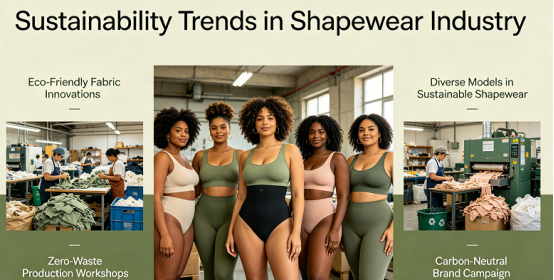
Shapewear manufacturers are increasingly exploring natural and semi-natural fibers such as bamboo viscose and organic cotton blends. These materials are valued for being softer, more breathable, and more environmentally conscious compared to traditional synthetic fibers.
For buyers such as supermarket chains and department stores, these eco-friendly blends provide a strong marketing advantage, allowing them to position products as “conscious fashion” or “green essentials” within their private label collections.
3. Circular Fashion and Product Lifecycle Thinking
Circular fashion is becoming a key requirement in global textile procurement. Instead of a “produce–sell–discard” model, brands are now encouraged to design shapewear products that can be reused, recycled, or repurposed at the end of their lifecycle.
Large retail groups and e-commerce platforms are beginning to evaluate suppliers based on product durability and recyclability, not just price and aesthetics. This shift is pushing manufacturers to develop longer-lasting shapewear with improved fabric recovery and structural integrity.
4.Reduction of Water, Energy, and Chemical Usage in Production
Sustainable shapewear production is not limited to materials. Factories are also optimizing dyeing processes, reducing water consumption, and minimizing chemical usage.
Advanced manufacturing systems now focus on:
● Low-water dyeing technologies
● Energy-efficient production lines
● Waste reduction in cutting and sewing processes
These improvements are particularly important for international buyers who must comply with environmental audits and supplier sustainability scoring systems.
5. Growth of Certifications and Compliance Standards
Global buyers increasingly require verified certifications such as OEKO-TEX, GRS (Global Recycled Standard), and BSCI compliance. These certifications help ensure that products meet both environmental and ethical manufacturing standards.
For wholesalers and distributors, certified suppliers are significantly more competitive in tender processes, especially when working with supermarkets, chain stores, and institutional buyers.
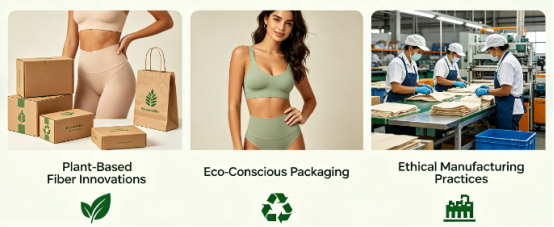
6. Packaging Sustainability and Retail Requirements
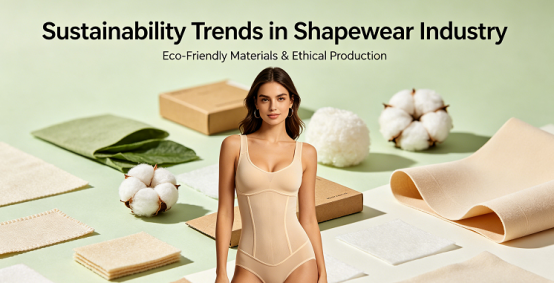
Sustainability now extends beyond the product itself. Retailers are requesting eco-friendly packaging solutions such as:
● Recyclable cardboard packaging
● Reduced plastic usage
● Biodegradable shipping materials
This is especially relevant for supermarket and e-commerce private label buyers who manage large-scale distribution networks and require standardized sustainable packaging systems.
Conclusion
Sustainability in the shapewear industry is evolving from a marketing trend into a global procurement standard. For wholesale buyers, distributors, and private label brands, choosing sustainable shapewear suppliers is no longer just about environmental responsibility—it is also about market competitiveness, regulatory compliance, and long-term brand positioning.
Manufacturers who invest early in eco-friendly materials, ethical production, and transparent supply chains will be best positioned to capture the next generation of global shapewear demand.




 EN
EN