Every successful shapewear product begins with market research and consumer analysis. Before production starts, manufacturers study current fashion trends, customer preferences, target markets, and retail requirements to determine the best product direction.
Different regions have different expectations for shapewear products. Some markets focus on strong compression and body sculpting effects, while others prioritize lightweight fabrics, seamless construction, and all-day comfort. Professional manufacturers analyze these factors to create products suitable for different customer groups, including women looking for tummy control, waist shaping, hip enhancement, posture support, and overall body contouring.
For brands and retailers, understanding market demand at the beginning of the process helps create products with stronger sales potential and better customer satisfaction.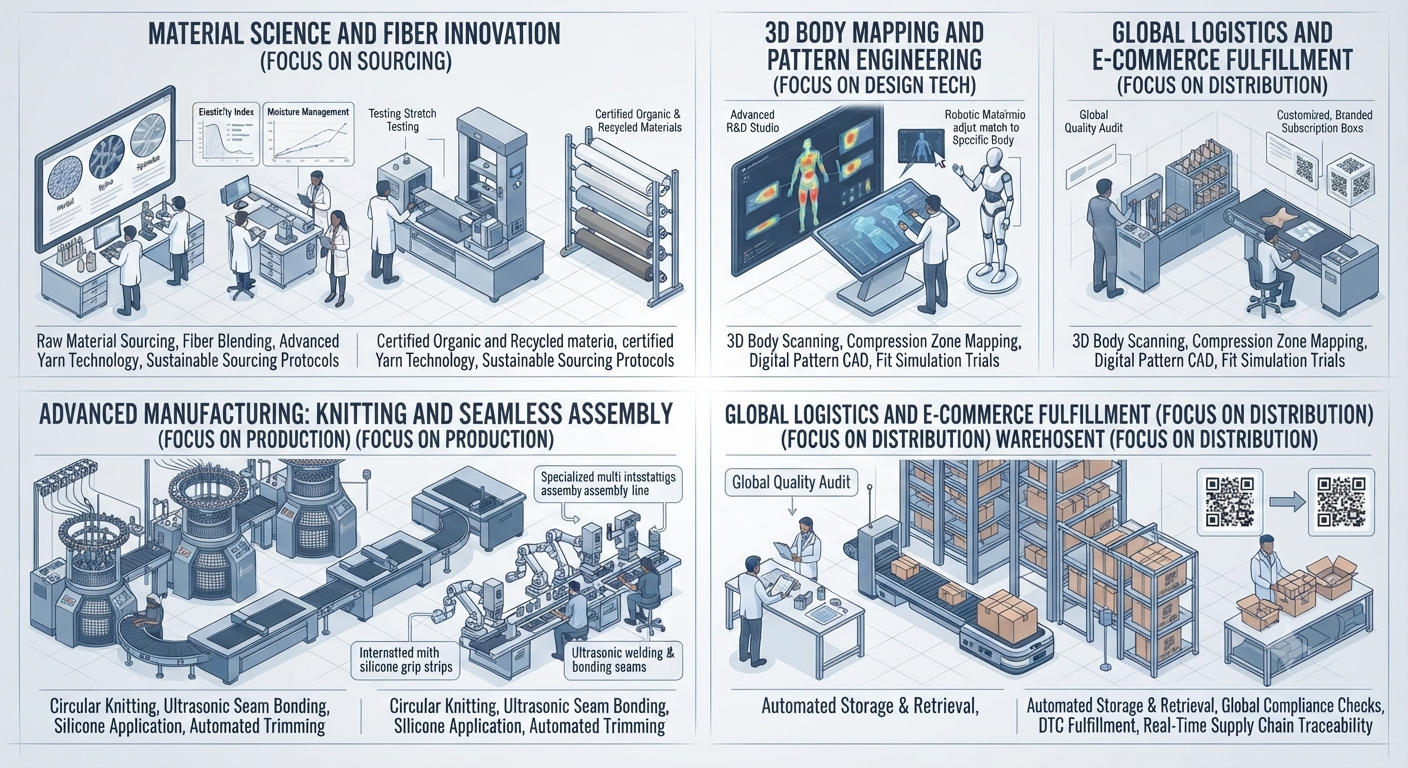
After confirming the product concept, manufacturers begin the design and development stage. This process includes product structure planning, pattern creation, fabric selection, size grading, and prototype development.
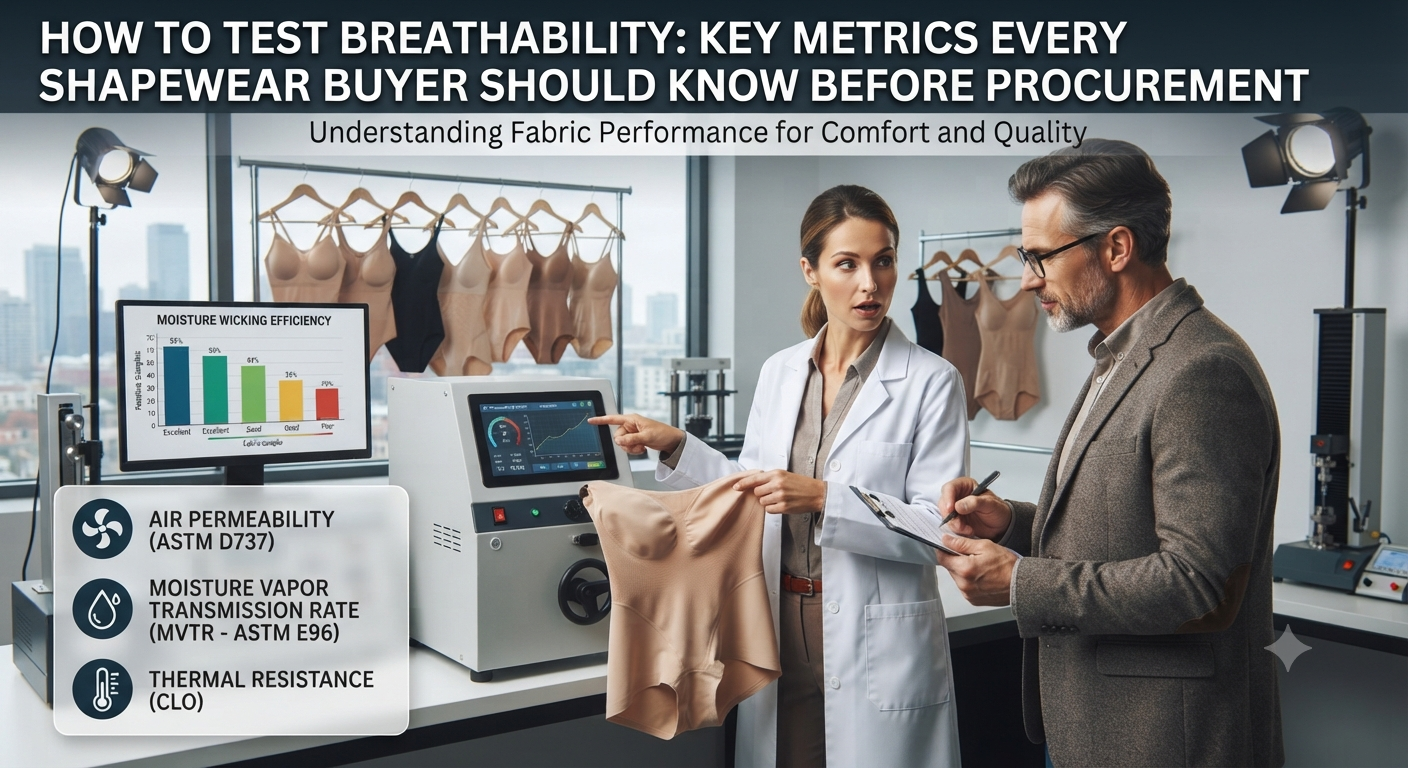
Professional shapewear designers consider multiple factors during development, including compression zones, body support areas, elasticity, breathability, and wearing comfort. The goal is to create shapewear that provides effective shaping results while allowing users to move naturally.
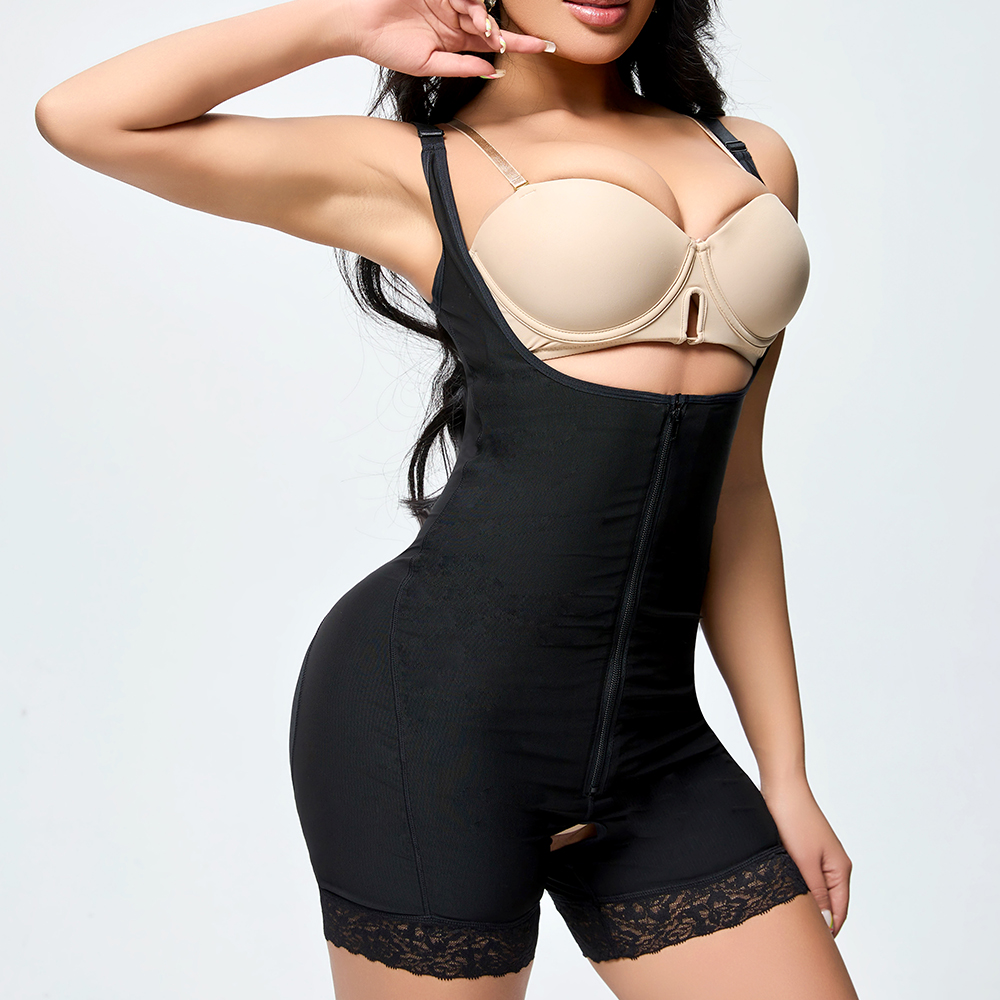
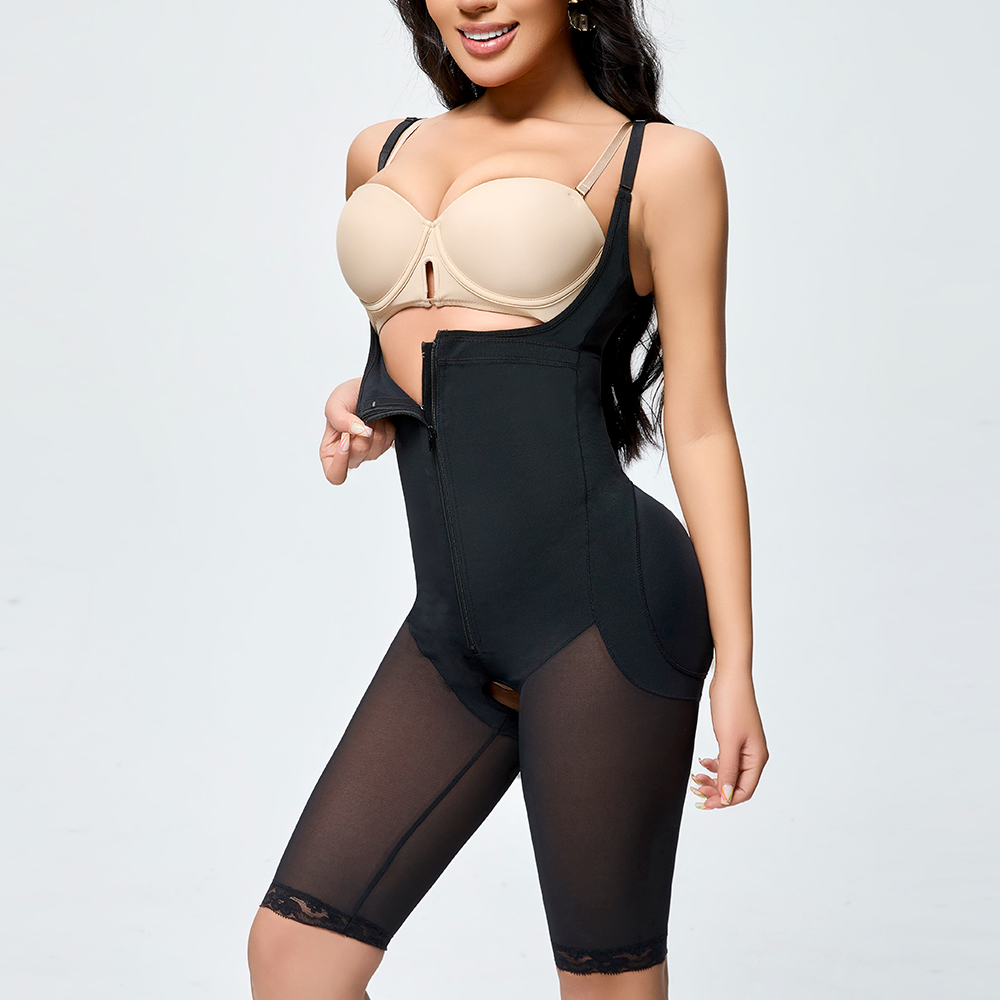
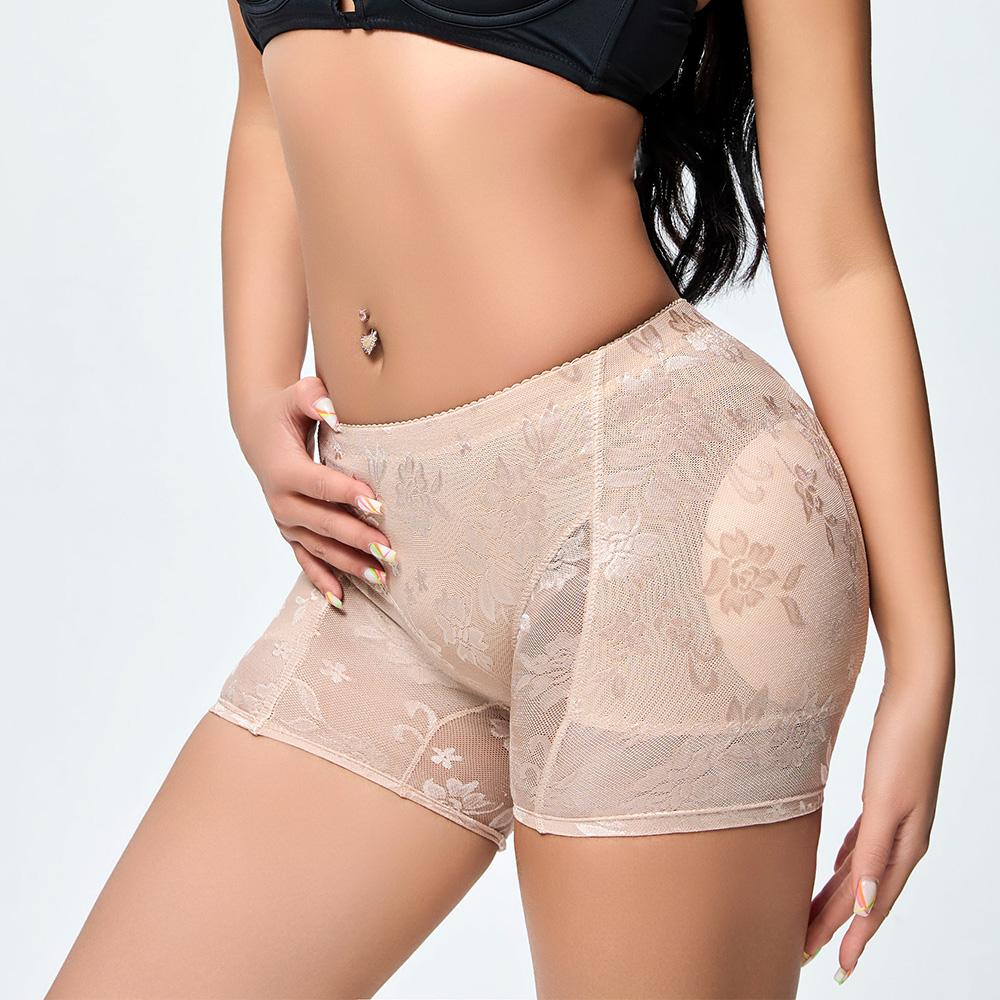
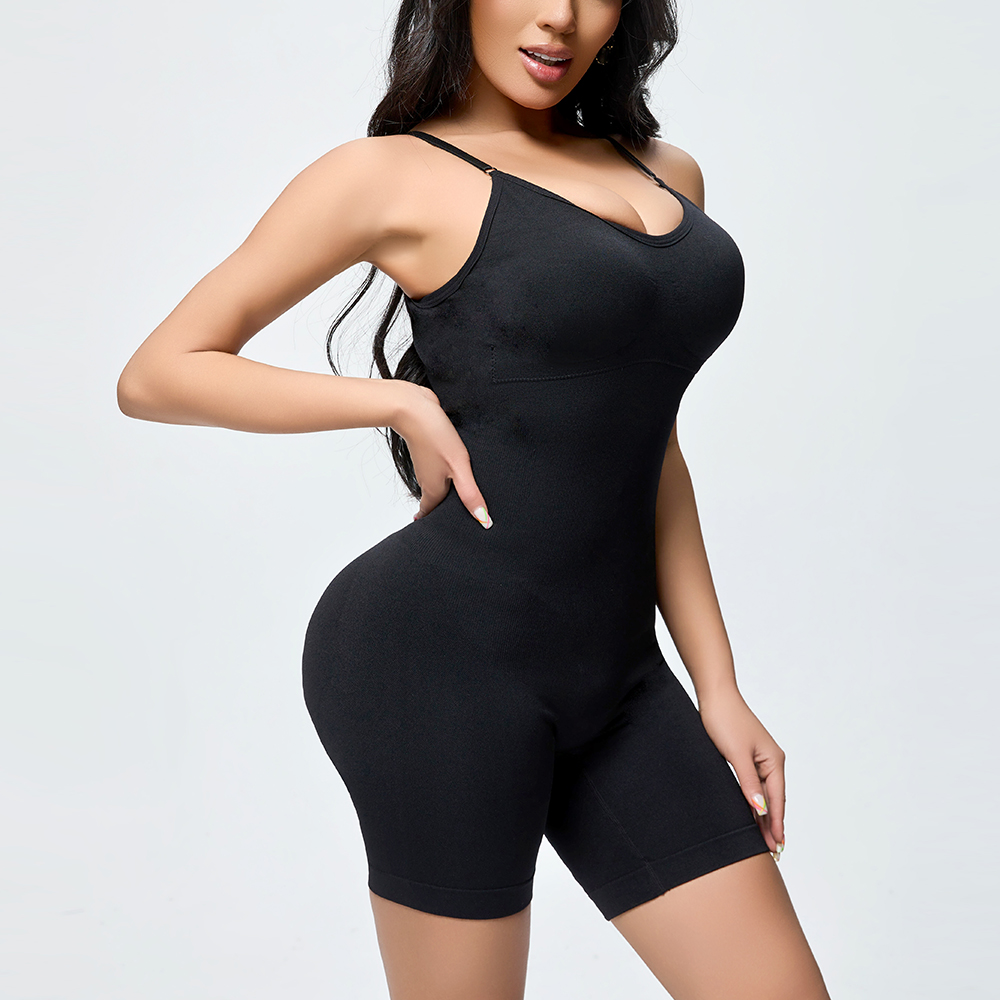
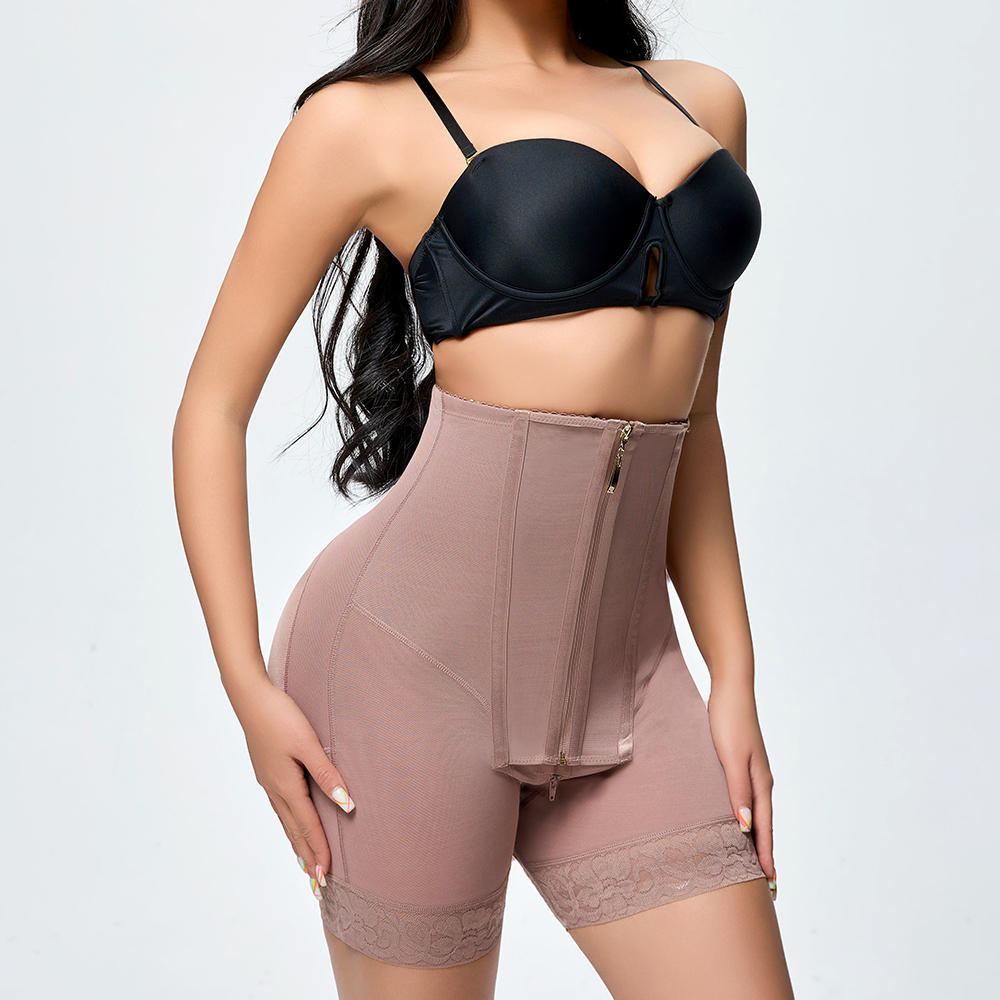
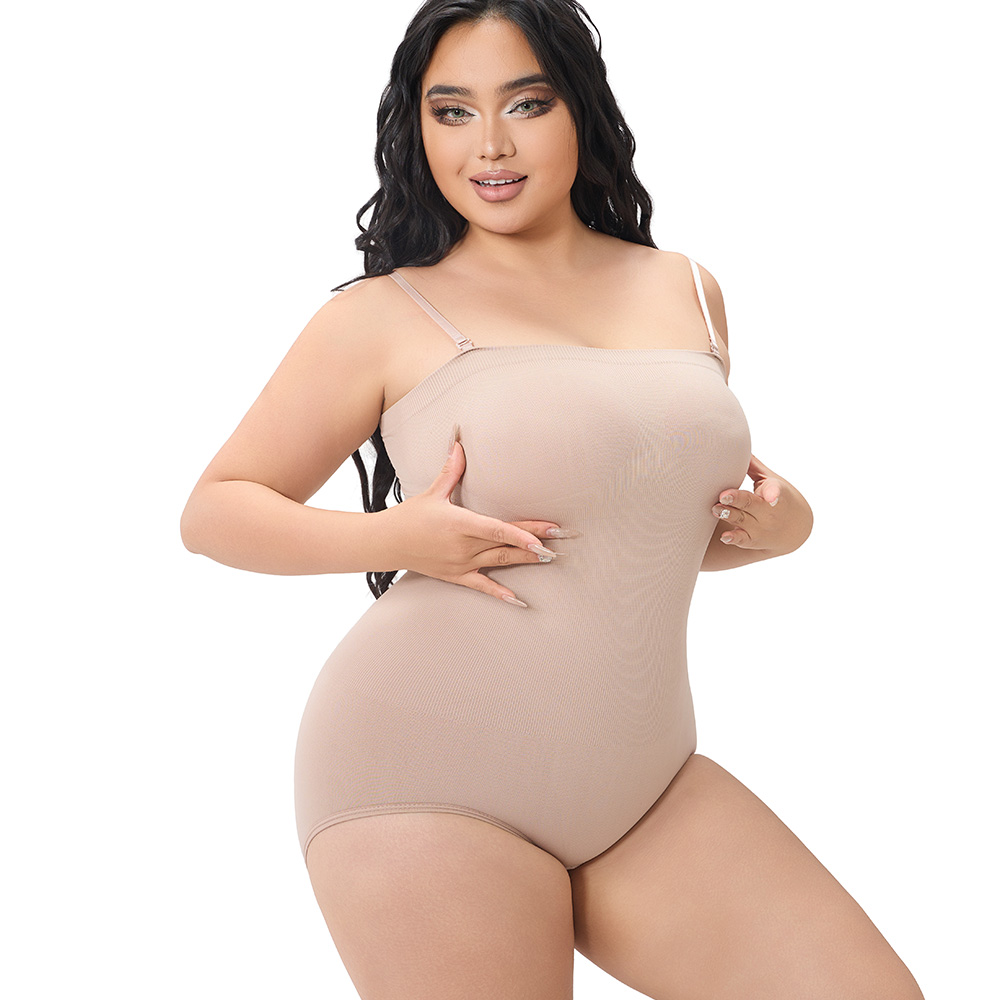
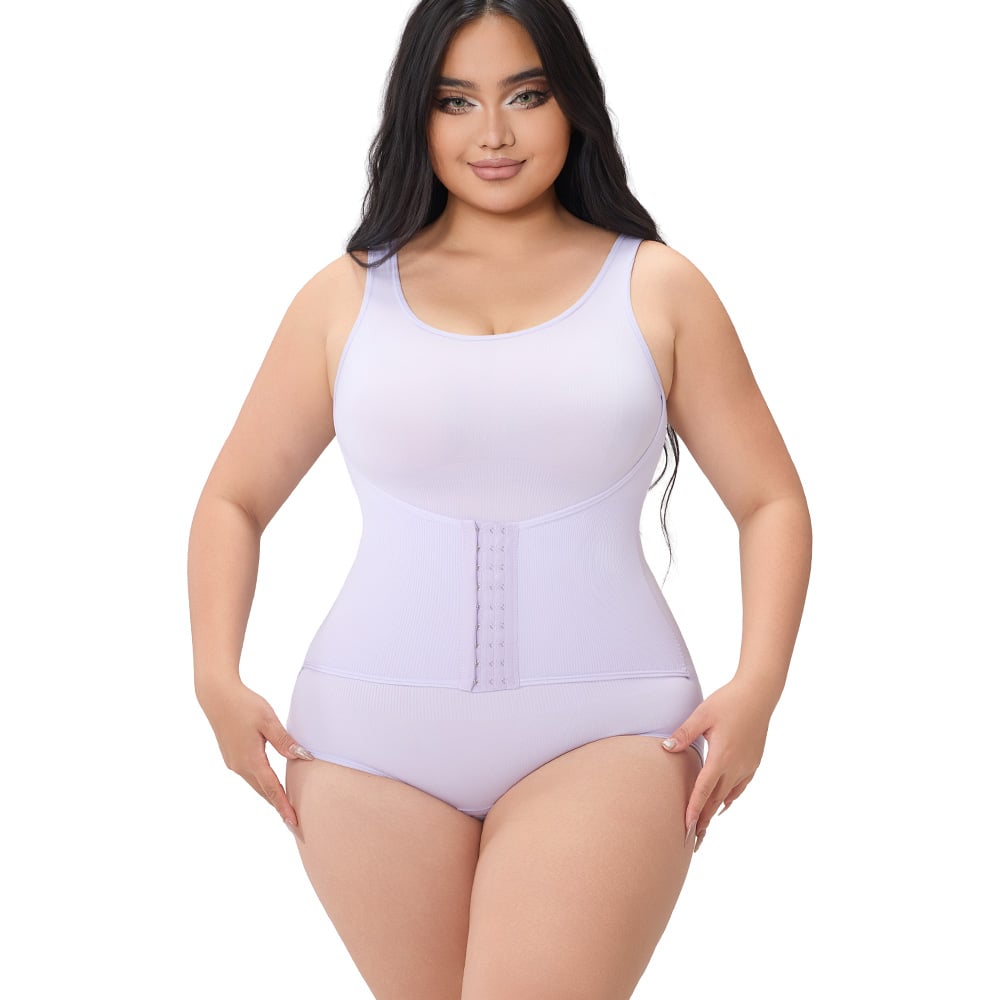
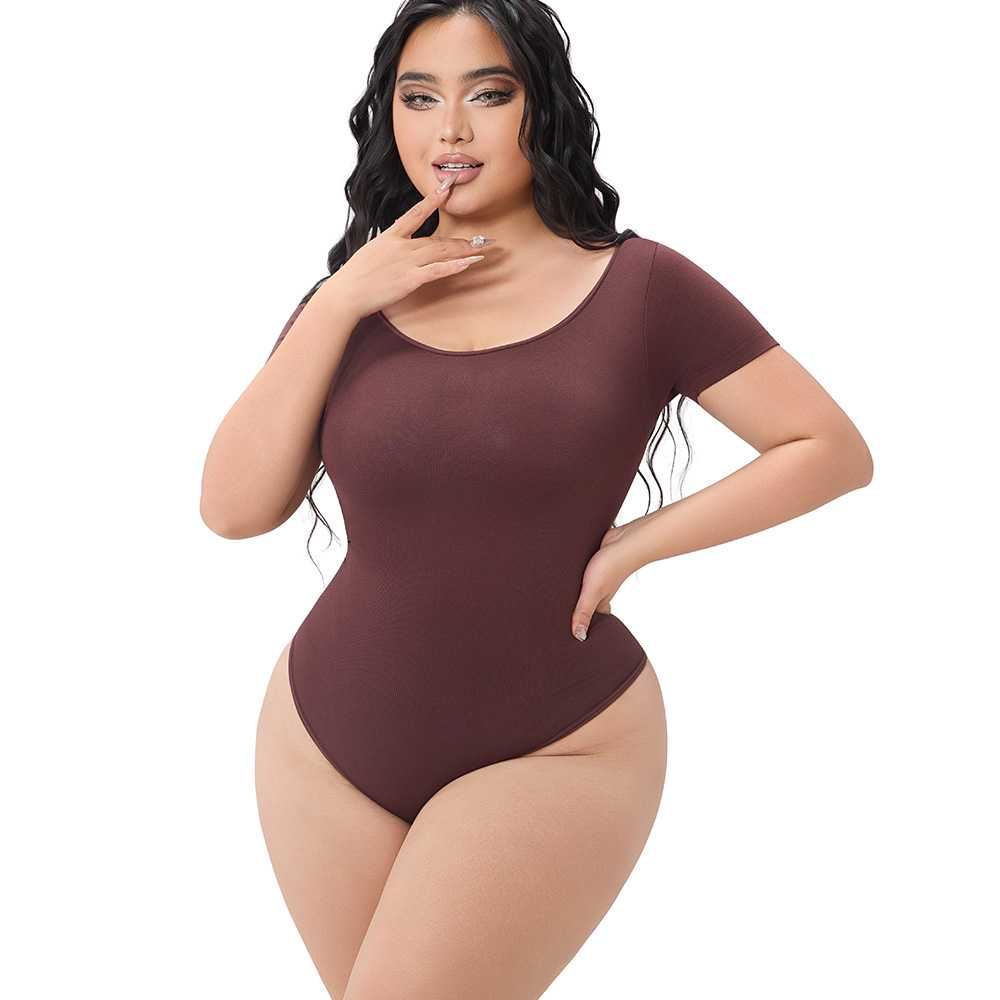
Advanced design techniques also help manufacturers develop different product categories, such as seamless bodysuits, waist trainers, tummy control shorts, shaping leggings, compression tops, and plus size shapewear solutions.
Material selection plays a critical role in determining the quality and performance of shapewear products. High-quality fabrics must provide excellent elasticity, durability, recovery ability, and skin-friendly comfort.
Common materials used in modern shapewear production include nylon, spandex, polyester blends, and innovative seamless fabrics. These materials are carefully selected based on product positioning and target market requirements.
For example, high-compression shapewear requires fabrics with strong recovery performance, while everyday shaping garments may focus more on softness, breathability, and lightweight comfort.
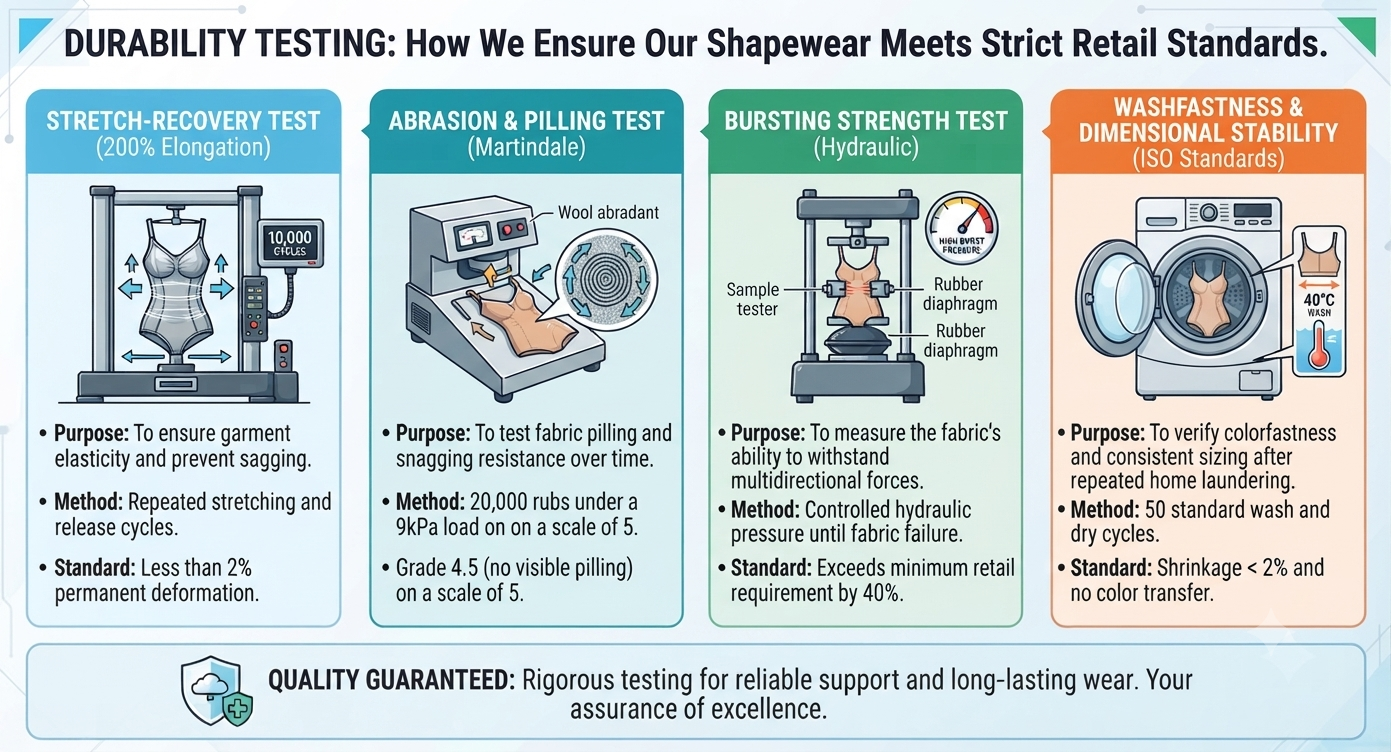
Reliable manufacturers conduct material evaluations to ensure that fabrics maintain their shaping effect after repeated use and washing.
Before entering mass production, professional factories create prototypes for evaluation and improvement. Sample testing allows manufacturers and brands to identify potential issues and optimize product performance.
During the testing stage, products are evaluated for:
This stage is essential for reducing production problems and ensuring that the final bulk order meets quality expectations.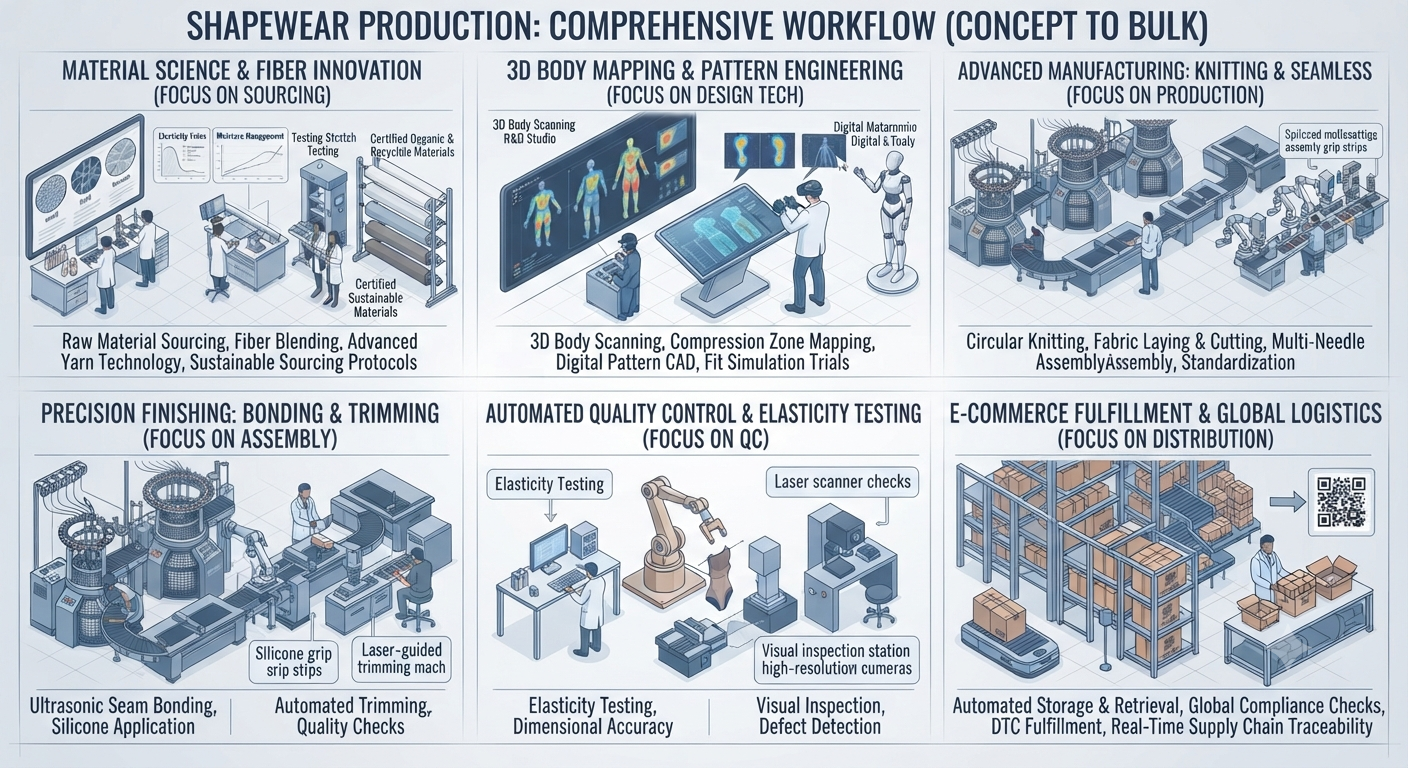
Once the final sample is approved, the product moves into the bulk manufacturing stage. Standardized production systems allow manufacturers to maintain consistency across thousands of units.
The production process usually includes:
Experienced factories use advanced equipment and skilled production teams to improve efficiency while maintaining strict quality standards.
For international buyers, standardized manufacturing provides confidence that every shipment will maintain the same product specifications, appearance, and performance.
Quality control is one of the most important parts of professional shapewear production. A reliable supplier does not only inspect finished products but also monitors quality throughout every manufacturing stage.
Quality management includes checking raw materials, production processes, measurements, stitching details, packaging, and final product appearance.
By implementing strict inspection procedures, manufacturers can reduce defects, improve customer satisfaction, and help brands establish a strong reputation in competitive markets.
Many global brands and retailers are looking for customized shapewear solutions to differentiate themselves in the market. Professional manufacturers provide OEM and ODM services that allow businesses to develop unique products under their own brands.
Customization options may include:
These flexible solutions allow retailers, e-commerce brands, and distributors to create products that match their target customers and brand positioning.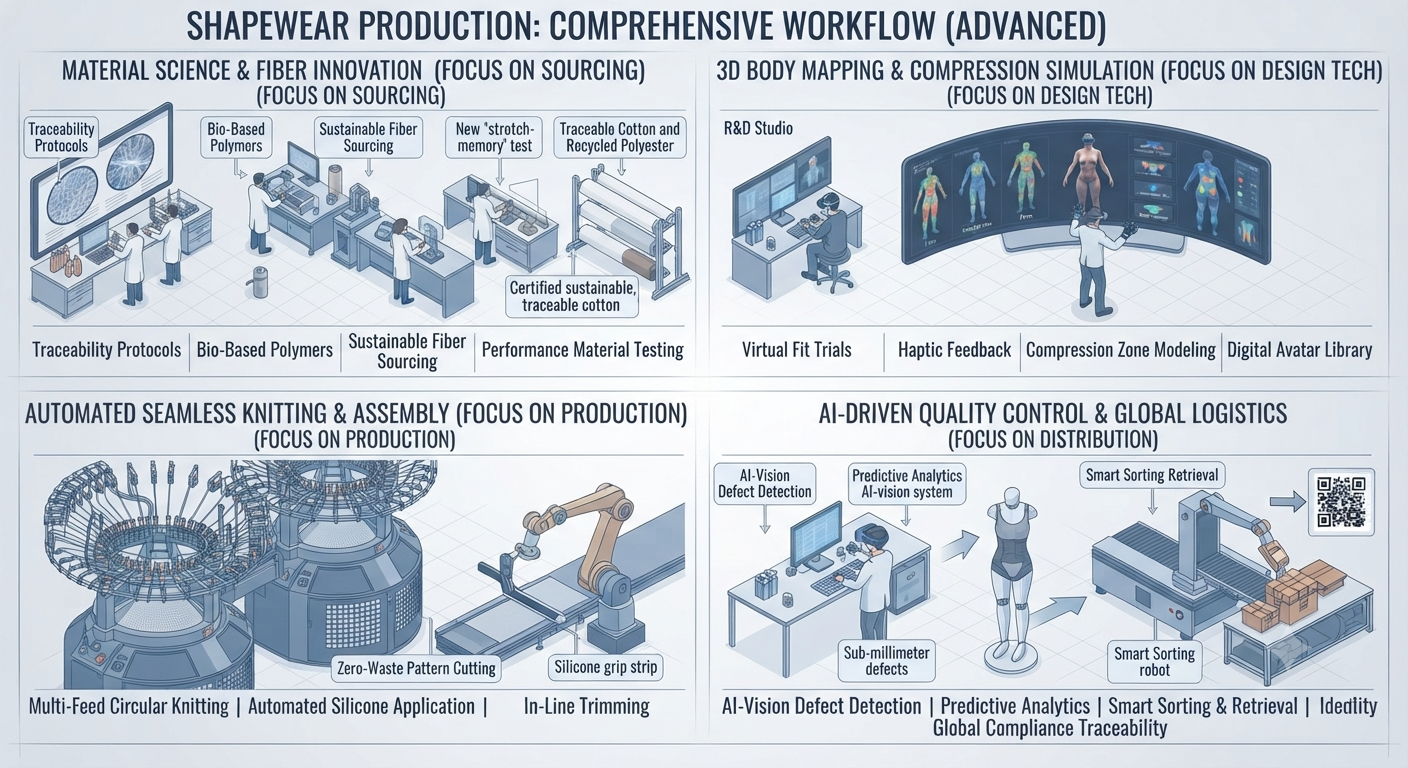
After production and inspection are completed, products move into packaging and international shipment preparation.
Professional suppliers understand the importance of export packaging, product protection, and efficient logistics management. Proper packaging helps maintain product quality during transportation while supporting professional retail presentation.
For international buyers, a stable supply chain is essential for maintaining inventory levels and meeting market demand. Experienced shapewear manufacturers help customers manage production schedules, bulk orders, and worldwide distribution efficiently.
For wholesalers, retailers, and brand owners, choosing a manufacturer with a standardized production system provides several advantages:
In the competitive global shapewear market, manufacturing capability directly influences product success. A supplier with strong production management can help businesses launch high-quality products and build long-term market growth.
From concept development to bulk production, standardized shapewear manufacturing combines design expertise, advanced materials, production technology, and strict quality management.
For global brands, wholesalers, and distributors, working with an experienced shapewear manufacturer creates opportunities to develop competitive products, maintain reliable supply, and respond quickly to changing consumer demands.

 EN
EN