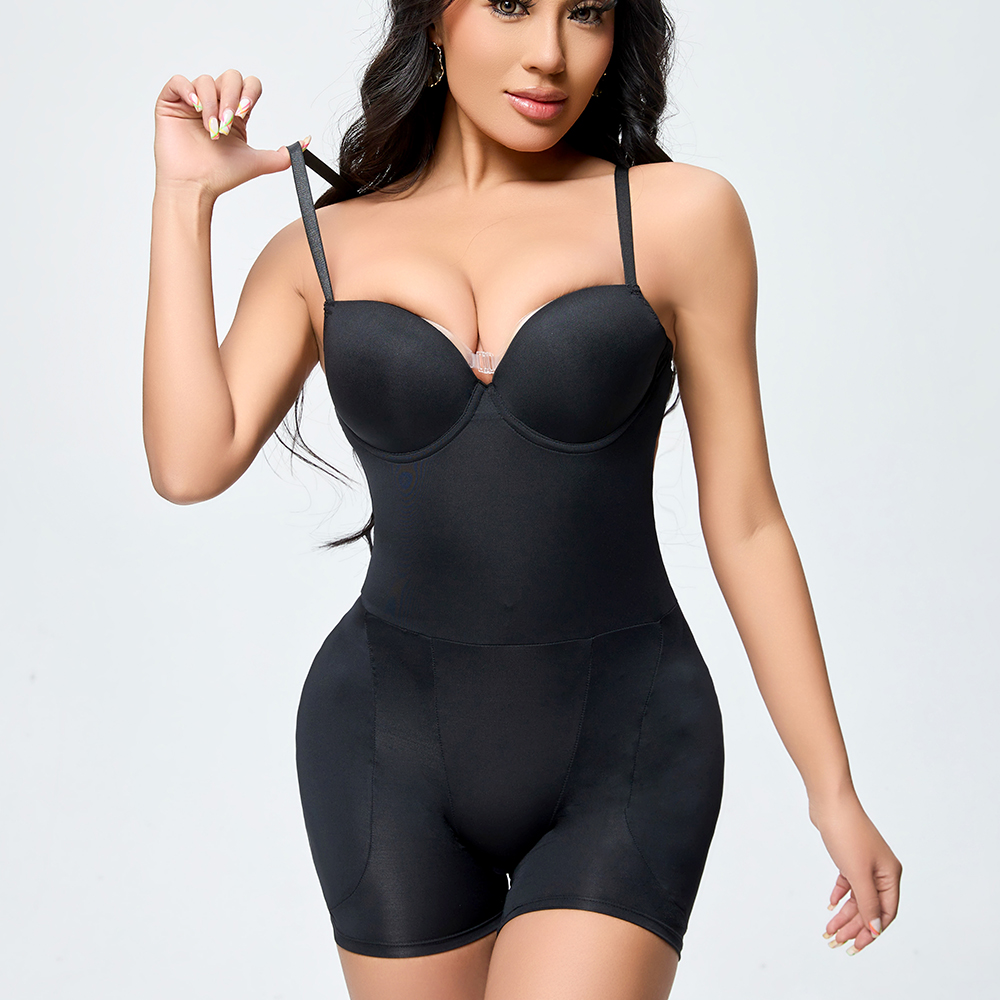
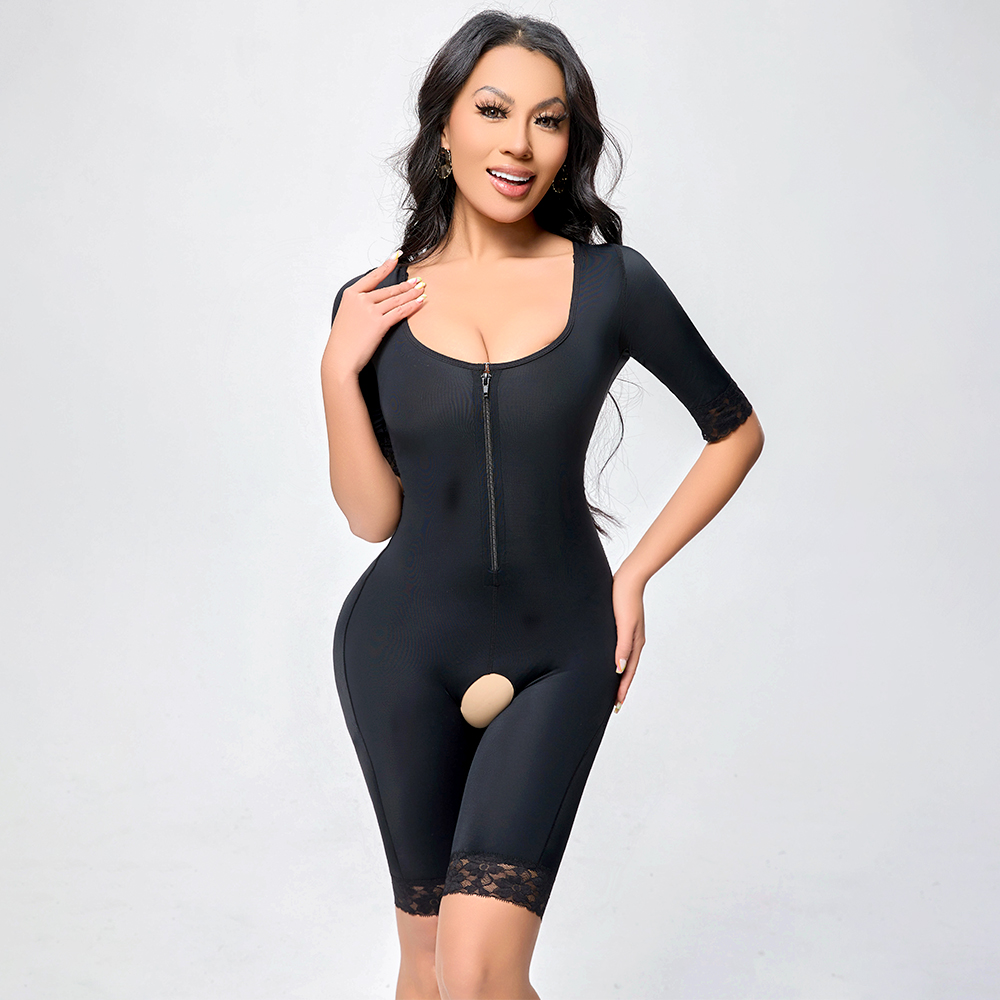
Male body slimming vests apply graduated pressure to the torso, calibrated to support distinct functional goals. Light compression (15–20 mmHg) gently reinforces spinal alignment during daily activities—ideal for desk-based work or prolonged standing. Medium compression (20–25 mmHg) delivers balanced shaping for social or professional settings without compromising mobility. For athletic recovery or intentional contouring, firm compression (25–30 mmHg) enhances lymphatic flow and stabilizes soft tissue, reducing post-exercise soreness and muscle oscillation by up to 40%, per a 2023 Journal of Sports Science study. Selecting the appropriate level ensures physiological benefit while preserving comfort and safety.
Beyond mechanical shaping, these vests engage the nervous system through sustained tactile input—stimulating cutaneous mechanoreceptors to heighten proprioception. This “kinesthetic reminder” prompts subconscious postural corrections and increases activation of deep core muscles, particularly the transverse abdominis. EMG data from a 2022 European Journal of Applied Physiology trial confirmed a 27% rise in transversus abdominis recruitment during stability exercises when wearing targeted compression. The effect is most pronounced during dynamic movement, making the vest a functional tool—not just aesthetic—for improving movement efficiency and form awareness.
A properly fitted male body slimming vest delivers immediate, non-invasive abdominal flattening and midsection smoothing—enhancing silhouette definition under clothing. For men with gynecomastia, firm, even chest compression helps minimize visual prominence and supports confident dressing in fitted apparel. User-reported outcomes consistently highlight reduced visibility of love handles, improved V-taper balance, and heightened self-assurance in professional or social contexts. While results are temporary and not a substitute for long-term lifestyle change, consistent daily use may support gradual neuromuscular retraining and posture-driven contouring over time—offering a conservative, non-surgical option for cosmetic refinement.
The structural design—especially vests with X-shaped posterior panels—gently repositions the scapulae and encourages thoracic extension, counteracting slouching common in sedentary lifestyles. This biomechanical support reduces compensatory strain on the lumbar spine and improves sitting endurance. During physical activity, compression enhances core stability, lowers perceived exertion, and improves circulation—contributing to faster recovery and reduced delayed-onset muscle soreness. Athletes report sharper kinesthetic focus and better lift execution, corroborated by studies linking compression wear to improved motor control and movement economy. As an ergonomic adjunct—not a replacement for strength training—the vest offers low-risk, context-aware support for both desk work and structured exercise.
Improper fit is the leading cause of discontinuation. A vest that’s too tight can impede diaphragmatic expansion, resulting in shallow breathing, fatigue, or lightheadedness—particularly during bending or seated activity. Prolonged over-compression may also cause ribcage bruising, skin chafing, or intertrigo due to heat and moisture retention. Conversely, an ill-fitting loose garment shifts unpredictably, creating friction points and negating intended support. To mitigate risk, users should measure chest and waist precisely and select a size allowing full rib cage expansion during inhalation and forward flexion. Starting with 1–2 hours of daily wear—and gradually increasing—supports physiological adaptation and early detection of discomfort.
Compression vests are contraindicated in several medical conditions without prior physician evaluation. Uncontrolled hypertension poses risk, as abdominal pressure can elevate systemic vascular resistance and blood pressure. Individuals with inguinal, umbilical, or hiatal hernias face potential worsening of protrusion under external force. Tight torso compression also exacerbates gastroesophageal reflux disease (GERD) by increasing intra-abdominal pressure and promoting acid reflux. Additional red flags include recent abdominal surgery, pregnancy, and chronic respiratory conditions like asthma or COPD—where restricted chest wall mobility could compromise ventilation. Even for healthy users, limiting wear to 8–10 waking hours and avoiding overnight use aligns with clinical safety guidance.
Selecting the right male body slimming vest begins with matching its design and compression level to your primary use case. For everyday office wear, prioritize light-to-medium compression (15–25 mmHg), seamless construction, and breathable, moisture-wicking fabric to ensure invisibility and all-day comfort. For posture reinforcement during prolonged sitting, choose models with integrated back-support panels—ideally with adjustable tension. For workout integration, opt for firm, multi-zone compression that targets both abdominal and thoracic regions without restricting shoulder mobility. Accurate chest and waist measurements are non-negotiable: the vest should feel snug but allow unrestricted breathing, bending, and full rib expansion. Hand wash with mild detergent and air dry to preserve elasticity, hygiene, and garment longevity.
Male body slimming vests provide abdominal contouring, posture support, and workout enhancement. They help improve silhouette definition and boost confidence while supporting muscle recovery and better movement efficiency.
Yes, risks include improper fit leading to shallow breathing, ribcage bruising, skin irritation, or exacerbating medical conditions like hypertension, hernias, and GERD. It’s crucial to consult a physician if you have pre-existing health issues.
Light compression (15–20 mmHg) is for daily posture support, medium compression (20–25 mmHg) is ideal for shaping, and firm compression (25–30 mmHg) works best for recovery and athletic purposes.
Wash the vest by hand using mild detergent and air dry to preserve its elasticity and hygiene. Follow the manufacturer’s care instructions for optimal maintenance.
They should not be worn if you have uncontrolled hypertension, hernias, GERD, recent abdominal surgery, or respiratory conditions like asthma or COPD without consulting a healthcare professional.

 EN
EN