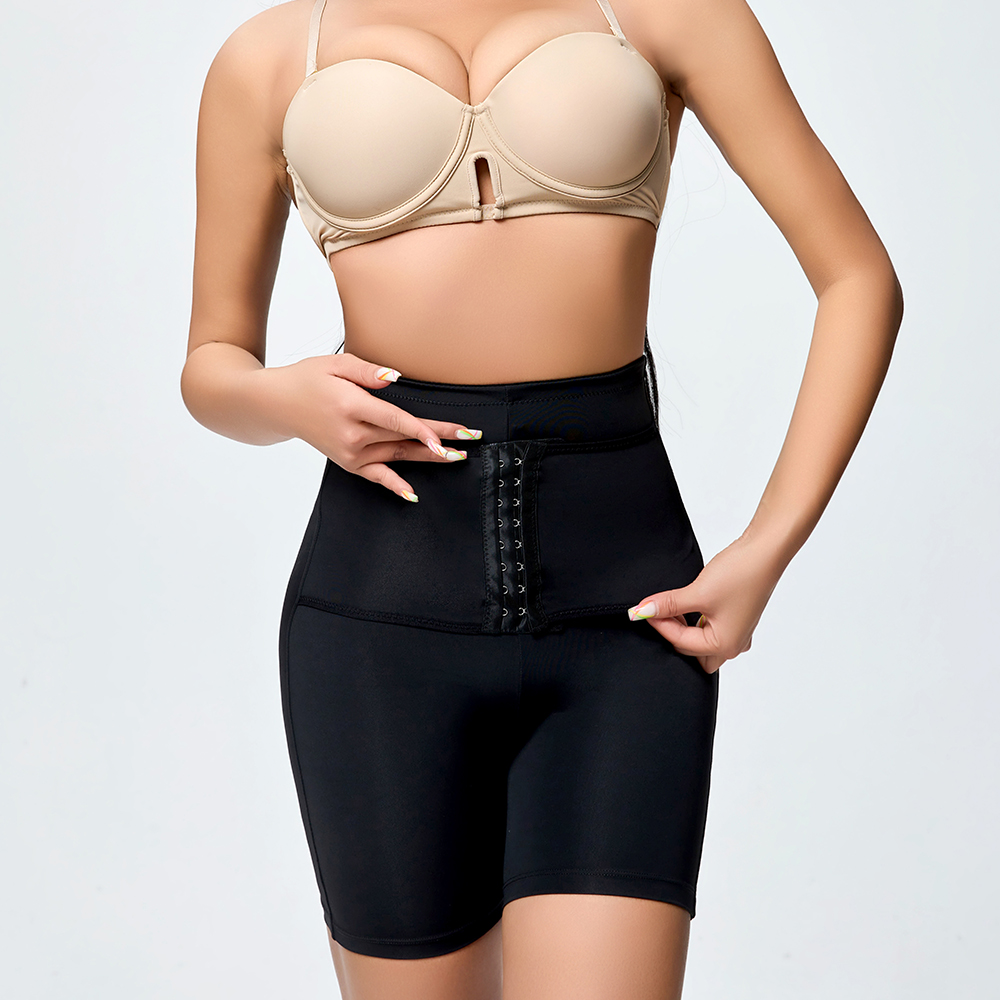
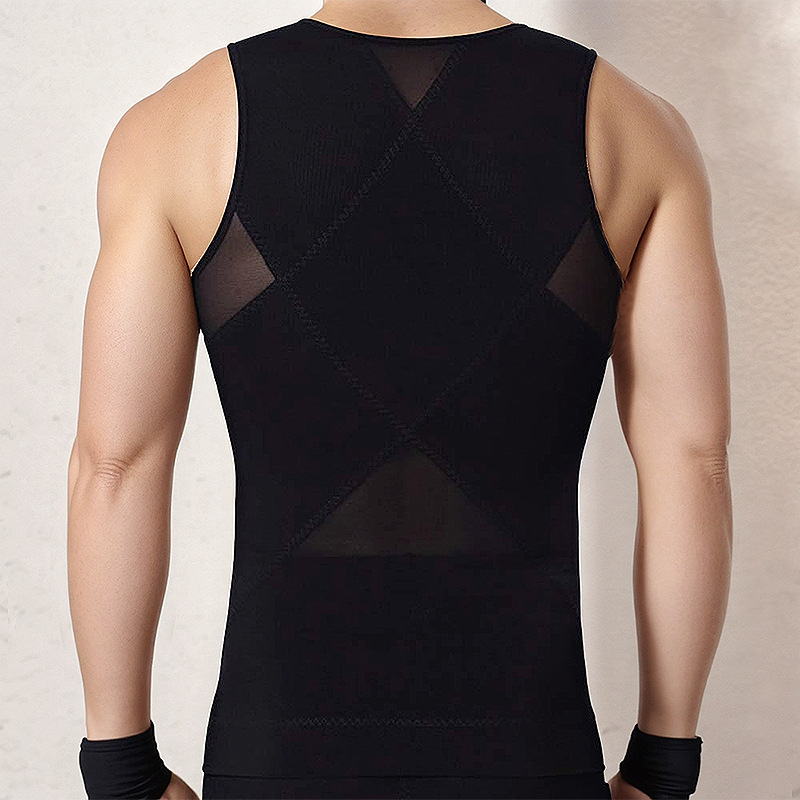
Control bodysuits enhance posture through targeted compression mechanics that activate neuromuscular feedback loops. This gentle, consistent pressure stimulates mechanoreceptors in the skin and underlying tissues—particularly across the thoracolumbar junction, lower abdomen, and pelvic girdle—triggering reflexive engagement of deep core stabilizers like the transversus abdominis and multifidus. The result is subtle, continuous biofeedback that encourages maintenance of neutral spinal alignment during everyday movement and static tasks. Peer-reviewed biomechanical studies show this mechanism reduces slouching tendencies by up to 27% during sedentary work and lowers compressive loading on lumbar intervertebral discs by 41% during weight-bearing activities—key factors in preventing cumulative postural strain.
The science behind posture improvement lies in how calibrated compression interacts with the body’s sensory-motor system. Unlike passive support devices, control bodysuits function as dynamic proprioceptive trainers: their elastic architecture applies graded resistance precisely where postural deviations commonly originate. This stimulates cutaneous and fascial mechanoreceptors, which relay signals via spinal reflex arcs to prompt immediate, low-threshold muscle activation—especially in the deep stabilizing musculature surrounding the spine and pelvis. With regular use, this closed-loop system fosters improved neuromuscular coordination, gradually reducing reliance on external input while reinforcing optimal alignment patterns.
Research published in the Journal of Electromyography and Kinesiology found that participants wearing medium-compression bodysuits experienced 34% less lower back fatigue during prolonged standing compared to controls—evidence of reduced compensatory muscle overactivity and more efficient postural control.
Motion capture and force-plate analyses confirm that well-fitted control bodysuits deliver measurable, real-time postural correction without restricting natural movement. As shown in controlled laboratory studies using Vicon motion analysis systems:
| Posture Metric | Improvement Rate | Activity Context |
|---|---|---|
| Thoracic Curvature | 22% reduction in excessive kyphosis | Desk work sessions |
| Lumbar Support | 41% decrease in disc pressure | Weight-bearing tasks |
| Pelvic Tilt | 19° improvement toward neutral | Dynamic movement |
These outcomes reflect adaptive support—not rigid immobilization. The flexible, zone-specific compression allows full range of motion while discouraging harmful deviations such as anterior pelvic tilt or thoracic rounding. Critically, longitudinal data indicate wearers develop enhanced intrinsic proprioception: after eight weeks of consistent use (5+ days/week), subjects maintained 68% of postural gains even when unassisted—demonstrating durable neuromuscular adaptation rooted in sensorimotor learning.
Beyond visual contouring, control bodysuits serve as functional tools for movement education and postural retraining. Their internal structure—particularly seam placement, fabric modulus, and panel orientation—guides neuromuscular behavior by reinforcing anatomically appropriate alignment cues during activity. This makes them valuable not only for daily wear but also as adjuncts in rehabilitation and ergonomic practice, especially for individuals recovering from low back pain or managing chronic postural stress.
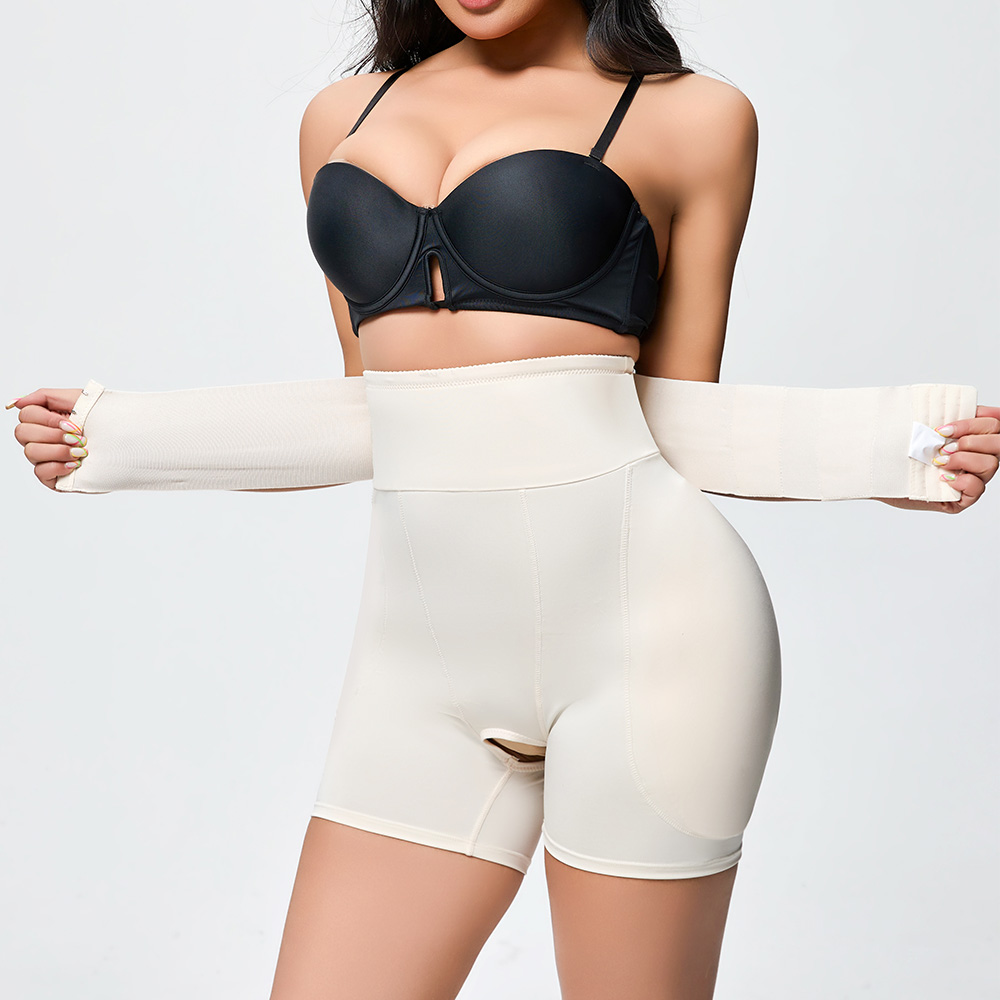
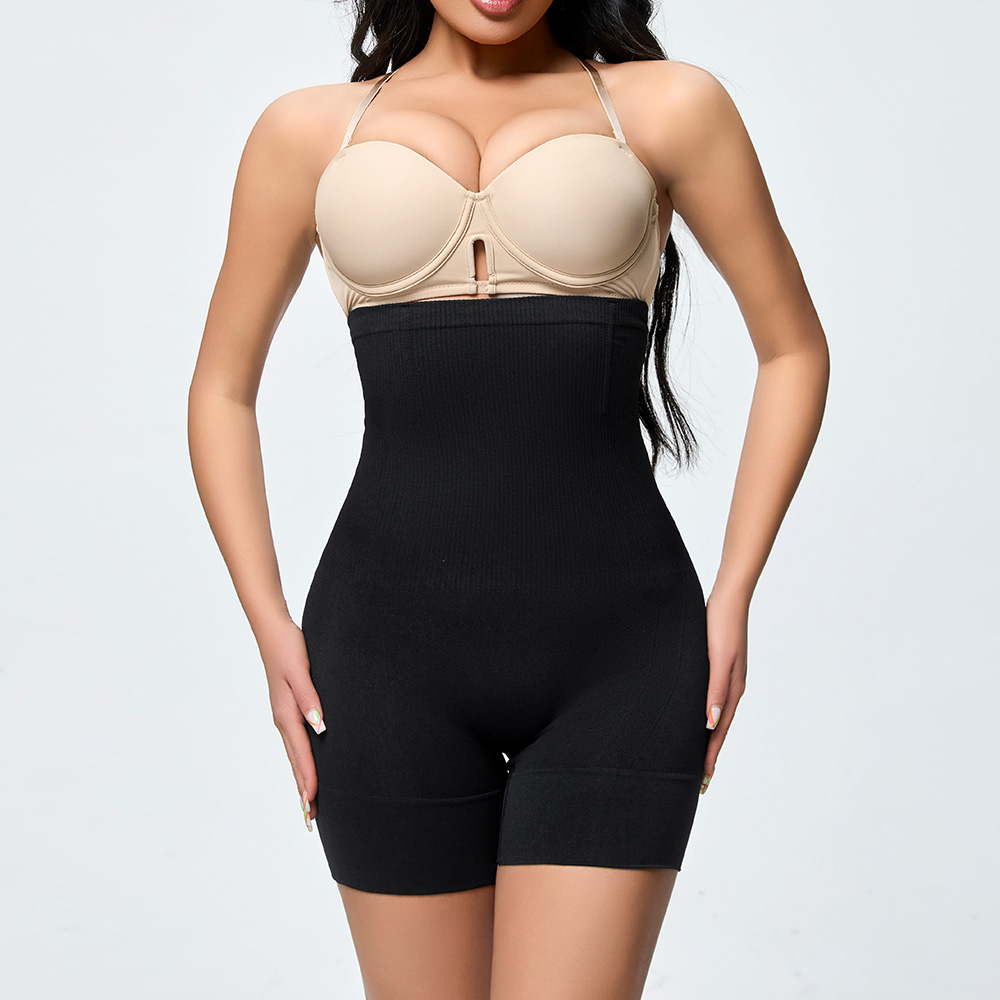
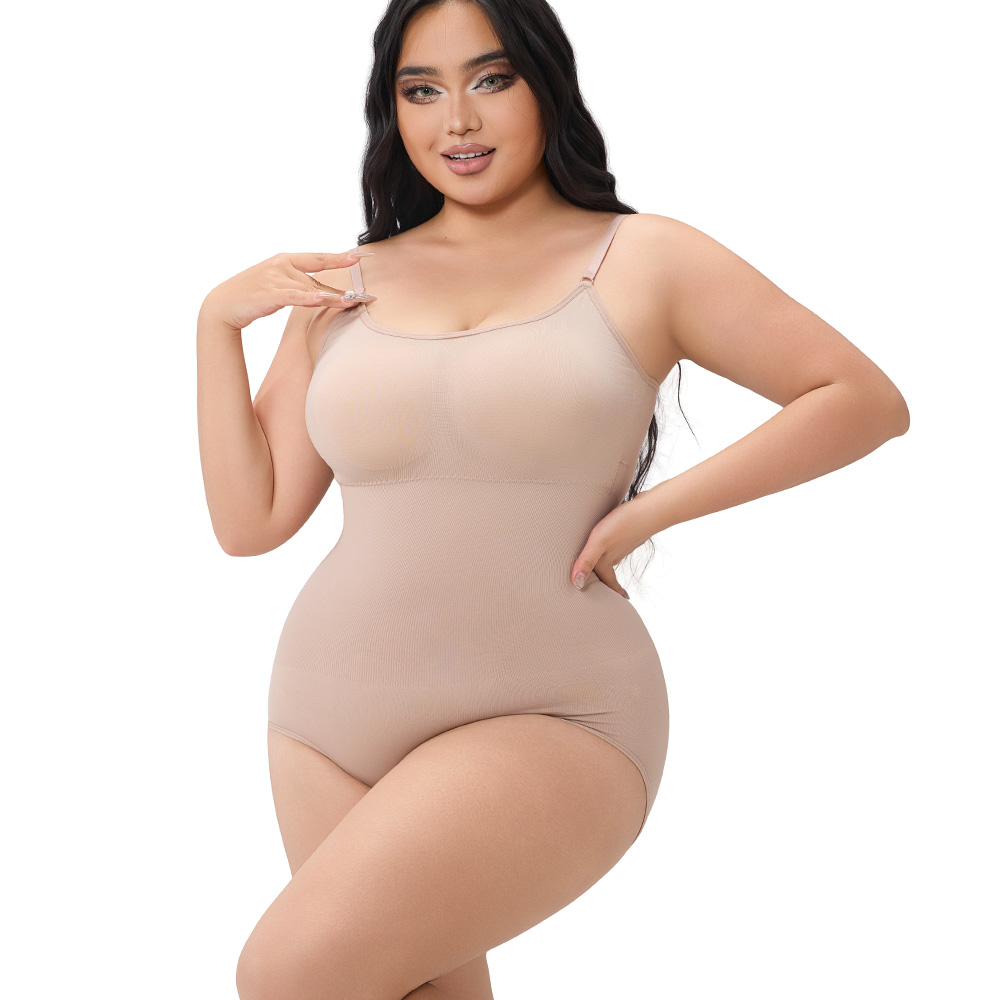
The structural design of a control bodysuit directly influences its functional impact on pelvic and core stability. A sculpting brief style provides contiguous compression across the gluteal region, sacrum, and lower abdomen—creating a stabilizing “cradle” that supports the posterior pelvic ring and encourages co-activation of the pelvic floor and transversus abdominis. This integrated pressure field enhances proprioceptive signaling to the lumbopelvic complex, promoting upright alignment during standing, walking, and lifting. Clinical observation and patient-reported outcomes suggest consistent use correlates with improved core endurance and reduced incidence of mechanical low back discomfort.
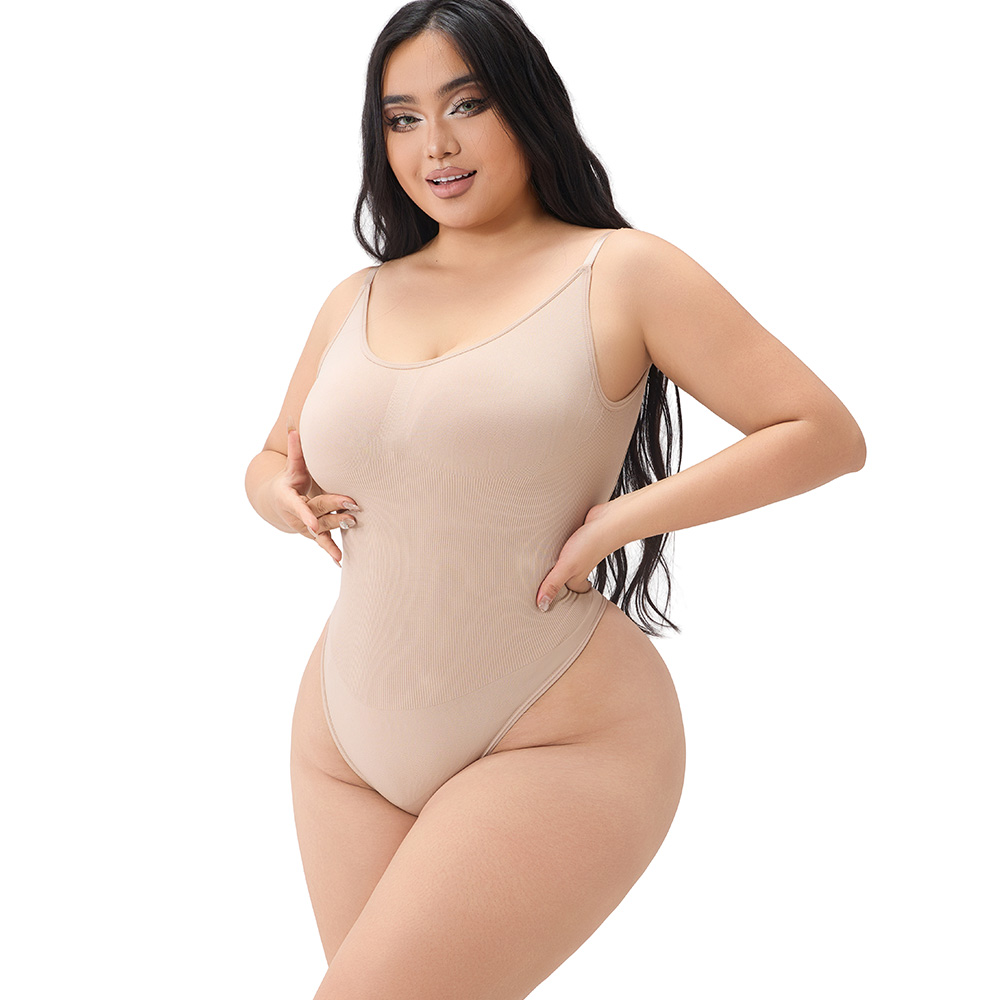
In contrast, thong-style designs eliminate coverage—and thus compressive input—over the glutes and sacral base. While beneficial for eliminating visible lines under form-fitting clothing, this design inherently limits the surface area available for proprioceptive stimulation and pelvic stabilization. Without compressive resistance across the posterior pelvis, the feedback loop that primes deep stabilizer recruitment is attenuated, potentially diminishing functional benefits for users seeking postural rehabilitation or long-term neuromuscular re-education.
For those prioritizing biomechanical support over aesthetic discretion, the brief style delivers clinically meaningful advantages in pelvic alignment, core integration, and sustained postural awareness.
Choosing the appropriate compression level is essential to ensure therapeutic benefit without compromising physiological function. Light compression (8–15 mmHg) offers gentle smoothing ideal for all-day wear under casual or professional attire—supporting mild postural awareness without significant muscular demand. Medium compression (15–25 mmHg), aligned with guidelines from the International Compression Club for dynamic support, strikes an optimal balance: it delivers sufficient resistance to reinforce core engagement and spinal alignment during moderate activity—such as extended desk work or light physical tasks—while preserving breathability and circulation.
Firm compression (25–40 mmHg) provides maximal shaping and postural reinforcement but should be reserved for short-duration use—such as high-focus tasks, special events, or supervised rehabilitation protocols—due to increased metabolic demand on underlying musculature. Selection must account for individual physiology: higher BMI or adipose distribution in target zones may necessitate firmer compression for perceptible feedback, whereas leaner builds often respond best to medium-level support. Crucially, the garment must feel securely anchored—not constricting—without impeding diaphragmatic breathing or venous return. Gradual acclimation (starting with 2–3 hours/day and increasing over 7–10 days) supports neural adaptation and minimizes initial discomfort. When matched thoughtfully to need, compression becomes an empowering extension of the body’s own postural control system—not a substitute for it.
Control bodysuit demand is rising among rehab clinics, ergonomic consultants, and corporate wellness programs. Posture correction shapewear backed by biomechanical data (41% less lumbar pressure, 34% less back fatigue) sells itself. Without a reliable compression garment for back support supplier, you risk inconsistent compression and lost credibility.
We are a direct manufacturer with 15 years of experience in control bodysuit, posture correction shapewear, and compression garment for back support production. Our garments are OEKO‑TEX® certified, available in sizes XS–5XL, and tested for 100+ washes. We offer low MOQ (500 pieces), fast 15‑day shipping to Europe, Africa, Saudi Arabia, UAE, Jordan, Kuwait, Qatar, and Iraq, plus custom branding and one‑to‑one service.
Contact us today for a free sample of our best‑selling control bodysuit and a no‑obligation bulk quote. Let’s build a posture correction shapewear line that delivers measurable ROI for your clients.
Control bodysuits enhance posture by providing targeted compression that activates neuromuscular feedback loops, helping maintain neutral spinal alignment and reducing postural strain.
They use calibrated compression to stimulate mechanoreceptors and deep stabilizing muscles, promoting reflexive engagement and better spinal alignment.
Yes, they can be used in rehabilitation and ergonomic practices to support individuals recovering from low back pain or managing chronic postural stress.
Sculpting briefs provide extensive compression across the posterior pelvic region, enhancing proprioceptive stimulation, while thong styles lack posterior coverage and focus on aesthetic discretion.
Compression level should be matched to physiological needs, with light compression for mild awareness, medium for balanced support, and firm for short-duration, high-focus activities or rehabilitation.

 EN
EN