For international buyers in the shapewear industry, negotiating with manufacturers is a critical step in building a stable and profitable supply chain. Whether you are a wholesale distributor, supermarket buyer, private label brand, or e-commerce seller, effective negotiation helps you achieve better pricing, higher product quality, and more reliable long-term cooperation. This article outlines practical negotiation strategies to help you communicate more effectively with shapewear manufacturers and secure better business outcomes.
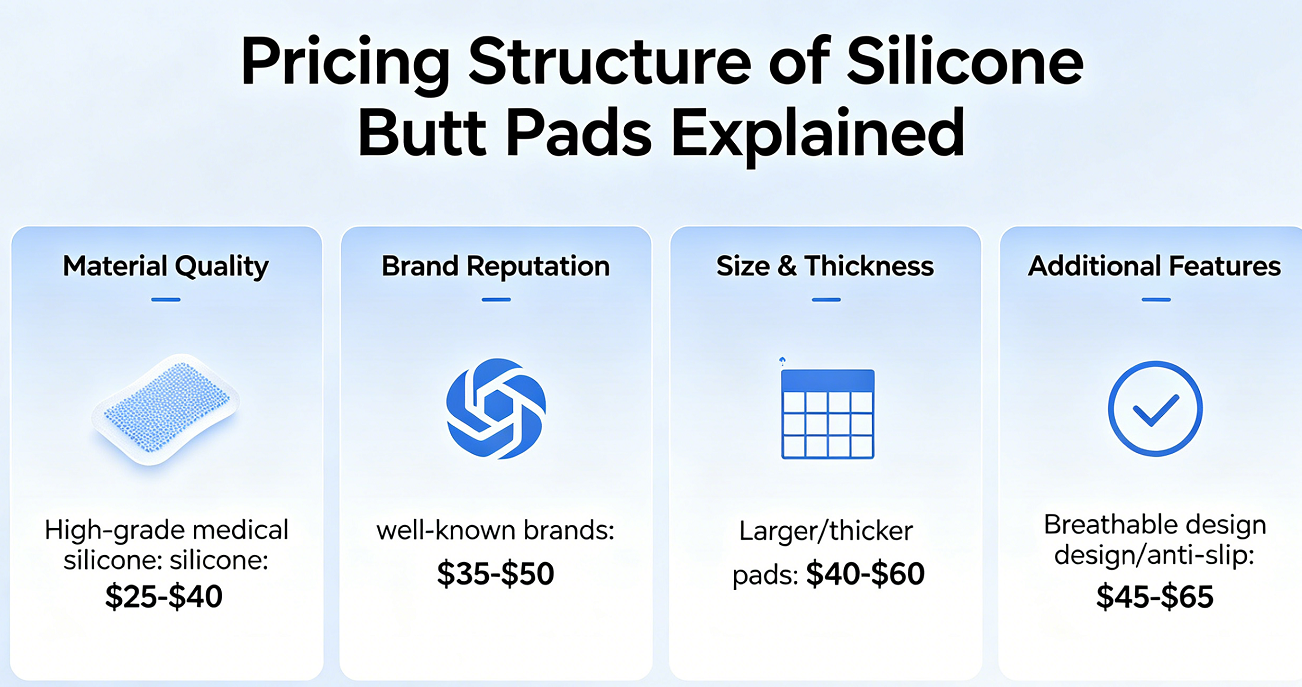
Before entering any negotiation, it is essential to understand what actually contributes to the cost of shapewear. Factors such as fabric quality, compression level, stitching complexity, sizing range, packaging design, and order quantity all influence the final price.
When buyers demonstrate a clear understanding of production costs, manufacturers are more likely to offer transparent pricing and fair negotiation terms.

Instead of accepting a single unit price, request a detailed quotation breakdown. This should include material costs, labor costs, packaging, customization fees, and shipping terms.
A clear cost structure allows you to identify flexible areas for negotiation and understand where savings can realistically be made without affecting product quality.
Manufacturers are more willing to offer competitive pricing when they see long-term or high-volume potential. Rather than focusing only on immediate price reduction, discuss:
This approach often leads to better pricing tiers and priority production scheduling.
In the shapewear industry, the lowest price is not always the best option. Poor quality products can result in high return rates and damage to your brand reputation.
Instead of focusing only on cost reduction, negotiate for:
This ensures long-term profitability and customer satisfaction.
Samples are an important part of negotiation. They allow you to evaluate material quality, elasticity, comfort, and overall craftsmanship.
If adjustments are needed, communicate clearly before mass production begins. Manufacturers often adjust pricing and production details based on finalized sample feedback.
Manufacturers prefer stable, long-term partners over one-time buyers. Building trust can significantly improve your negotiation position over time.
Key ways to build strong relationships include:
Strong partnerships often lead to better pricing and more flexible terms in the long run.
Successful negotiation with shapewear manufacturers is not just about lowering prices—it is about creating a balanced, sustainable partnership. Buyers who understand production costs, focus on value, and build long-term relationships will always have stronger negotiation power in the global market.
By applying these strategies, international buyers can improve product quality, reduce risks, and achieve more stable supply chain performance.




 EN
EN