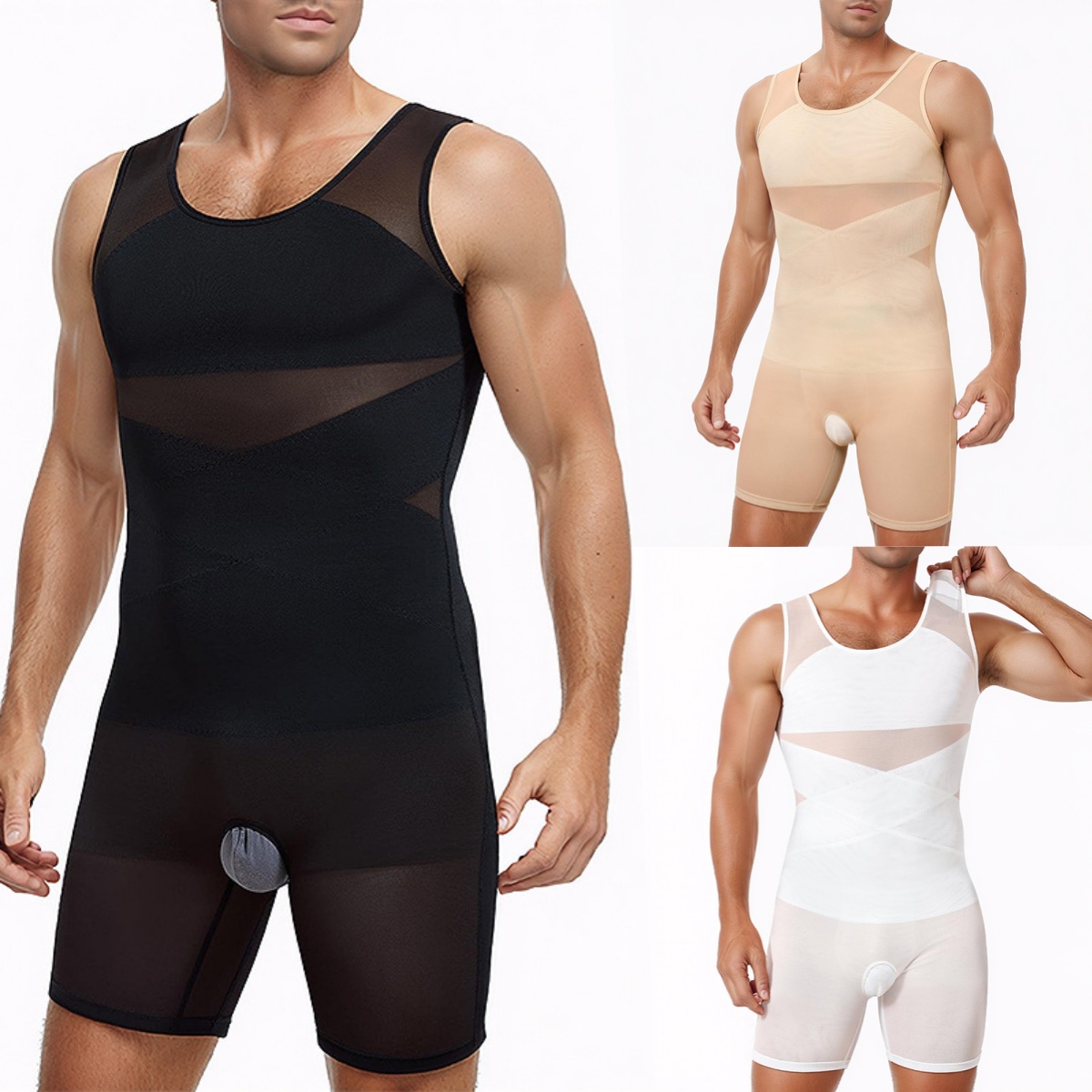
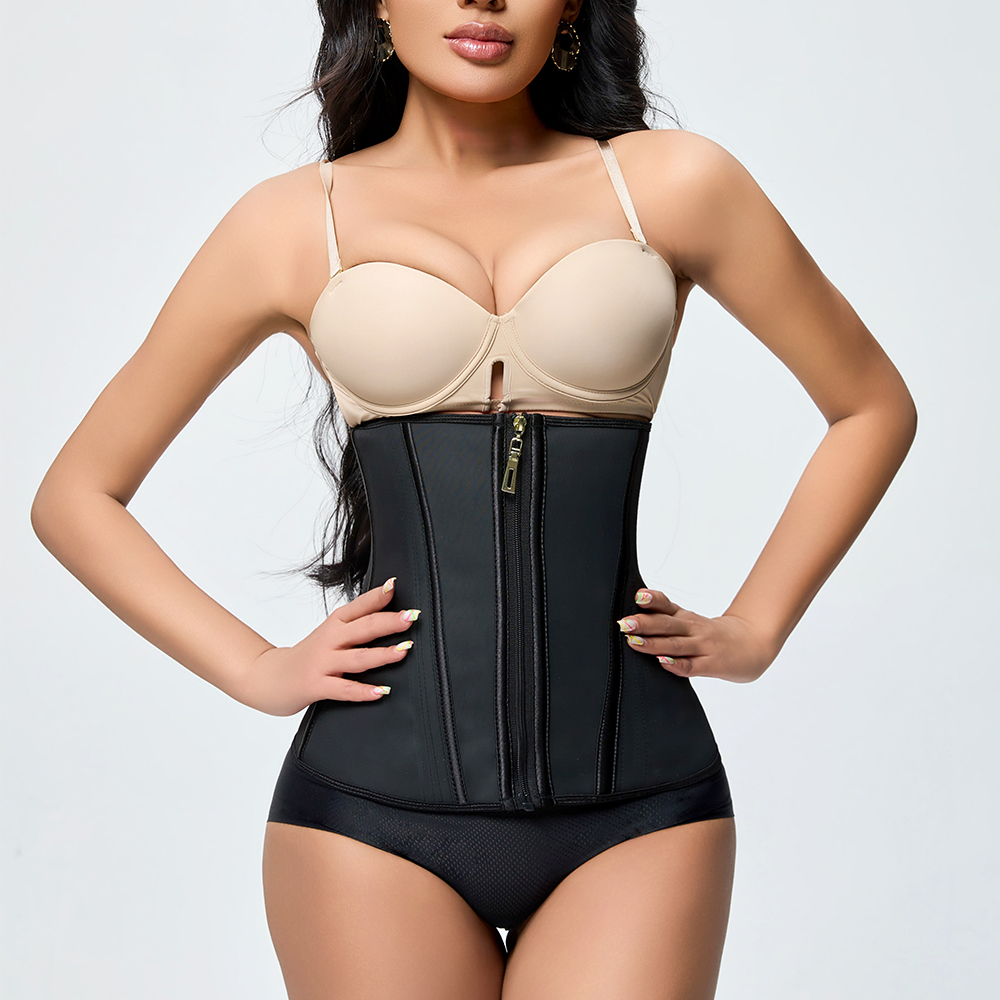
Postpartum shapewear is often marketed to support uterine involution and manage diastasis recti—but clinical evidence for these specific benefits remains limited. While gentle, low-to-moderate compression may help reduce postpartum swelling and provide subjective comfort or mild core stabilization, it does not accelerate uterine shrinkage or meaningfully close abdominal muscle separation on its own. A 2023 review in the Journal of Women's Health Physical Therapy emphasized that external compression can offer temporary support but should never replace physical therapy, targeted exercise, or medical evaluation for persistent diastasis recti. Crucially, only FDA-listed medical-grade compression garments—not cosmetic shapewear—are indicated for therapeutic use. For safe application, choose adjustable pieces with breathable, non-restrictive fabrics, and avoid anything that impedes breathing, circulation, or natural movement. Always consult a healthcare provider before use—especially if you have hypertension, pelvic floor dysfunction, or other underlying conditions.
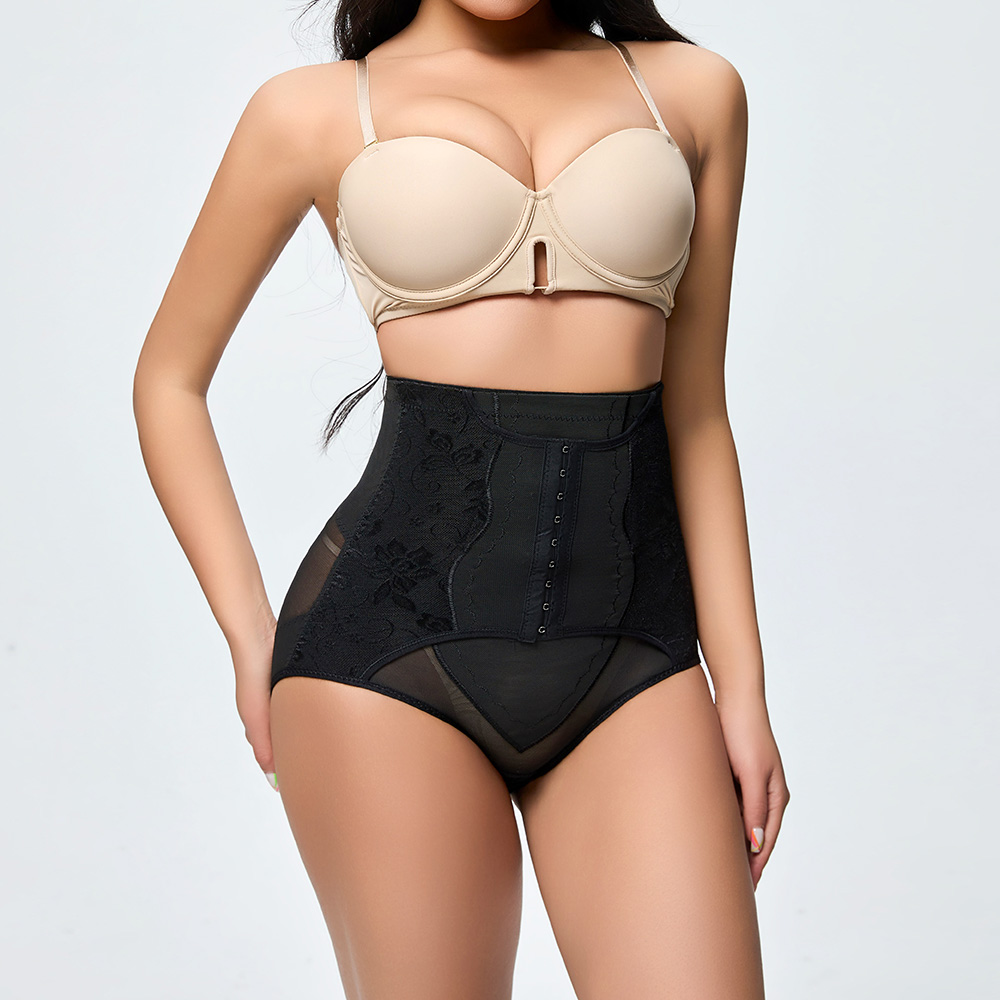
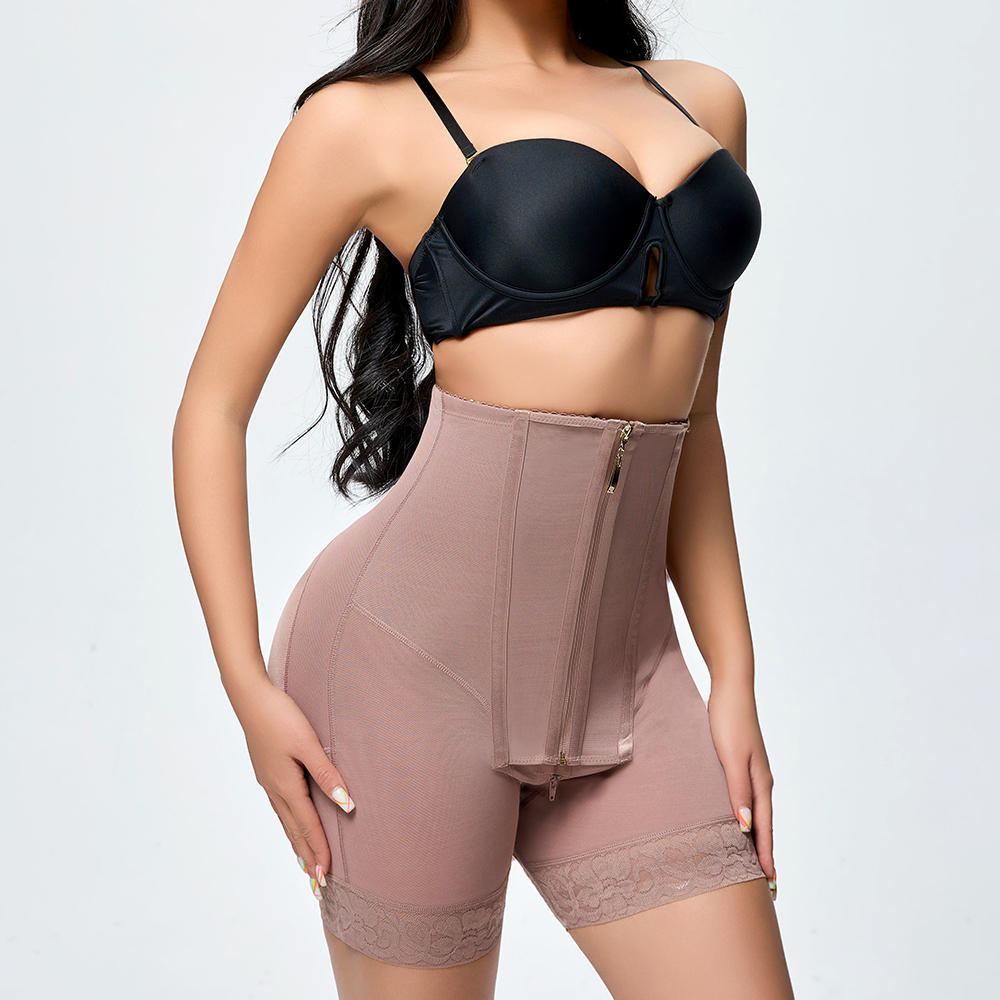
Cesarean delivery introduces unique considerations: while light core support may improve early mobility and comfort, improper compression poses real risks to incision healing. Excessive pressure over the surgical site can compromise blood flow, delay tissue repair, or increase infection risk. Current clinical guidance—including recommendations from the American College of Obstetricians and Gynecologists (ACOG)—advises waiting until the incision is fully epithelialized and sutures or staples are removed, typically at 6–8 weeks postpartum, before introducing any compression garment. When selecting shapewear, prioritize high-waisted, seamless designs that sit above the scar to avoid friction or direct pressure. Breathable, hypoallergenic fabrics (e.g., cotton-spandex blends) and adjustable closures (hooks, snaps, or graduated hook systems) allow for personalized fit as swelling subsides. Never wear shapewear while sleeping, and discontinue immediately if you notice increased pain, redness, warmth, or discharge near the incision.
Robust, peer-reviewed research on consumer-grade postpartum shapewear is notably scarce. Most high-quality studies examine medical-grade compression bandages used acutely in hospital settings—not retail shapewear worn at home for weeks or months. As a result, many commonly advertised claims—such as permanent waist reduction, accelerated uterine involution, or diastasis recti resolution through compression alone—lack rigorous scientific validation. A 2022 review in the International Urogynecology Journal concluded that while compression may improve perceived support and reduce discomfort, no randomized controlled trials demonstrate its impact on long-term anatomical recovery. What is well-supported by evidence is the effectiveness of progressive core rehabilitation, pelvic floor physical therapy, nutritional support, and consistent postpartum follow-up. Shapewear may serve as a short-term comfort aid—but it must be positioned accurately: not as treatment, but as adjunctive support used thoughtfully and temporarily under professional guidance.
Delivery method directly informs safe and effective shapewear selection. After vaginal birth, moderate-compression garments—particularly those with soft, wide bands and minimal seam placement—can support posture and gently engage weakened abdominal musculature without impeding perineal healing. Avoid styles that apply direct pressure to the perineum, especially if recovering from tearing or episiotomy. In contrast, C-section recovery demands scar-conscious design: high-waisted, seamless panels and adjustable closures that anchor above the incision line protect the wound while delivering graded abdominal support. Though some providers may clear patients for gentle compression as early as 2–4 weeks post-op if healing is uncomplicated, the consensus standard remains 6–8 weeks for full incision maturation. Regardless of delivery type, individual readiness—not calendar dates—should guide initiation. Always obtain clearance from your OB-GYN or pelvic health physical therapist first.
Three evidence-informed features distinguish therapeutic postpartum shapewear from purely aesthetic options:
Avoid rigid boning, non-stretch laminates, or synthetic-only weaves that restrict movement or trap moisture. These design elements collectively ensure support evolves with your body—not against it.
Timing and titration are essential to safety and efficacy. Initiation depends on delivery method and individual healing—not marketing timelines. Vaginal birth patients may begin light compression (≤20 mmHg) as early as day 1–2 only with provider approval, whereas C-section patients should generally wait 6–8 weeks. A 2023 clinical study published in the Journal of Maternal-Fetal & Neonatal Medicine found phased protocols improved functional recovery outcomes by 32% compared to immediate high-pressure use. The recommended progression is:
After 12 weeks, shift to aesthetic shaping garments only when objective recovery markers are met:
At this stage, select breathable, adjustable waist-cinchers delivering <15 mmHg pressure—sufficient for subtle contouring but low enough to avoid inhibiting neuromuscular re-education. Discontinue all shapewear by 6 months postpartum to allow full, unassisted re-engagement of deep core musculature. Continued reliance beyond this window may inadvertently delay functional recovery.
The safest type of postpartum shapewear includes adjustable, breathable, and skin-safe fabrics such as cotton-Lycra blends, with gradual compression zones and no rigid boning or synthetic-only materials.
Postpartum shapewear may provide mild subjective support but does not replace physical therapy or targeted exercises for diastasis recti recovery. Consult a healthcare professional for best practices.
C-section patients are typically advised to wait at least 6–8 weeks postpartum, or until the incision has fully healed and sutures are removed, before wearing any compression garment.
Postpartum shapewear should be worn short-term under professional guidance, with phased wear protocols suggesting use for up to 12 weeks. Full cessation is recommended by 6 months postpartum.
Consumer-grade postpartum shapewear has limited clinical evidence; most robust findings apply to medical-grade compression garments. Shapewear is better viewed as adjunctive support, not a treatment.
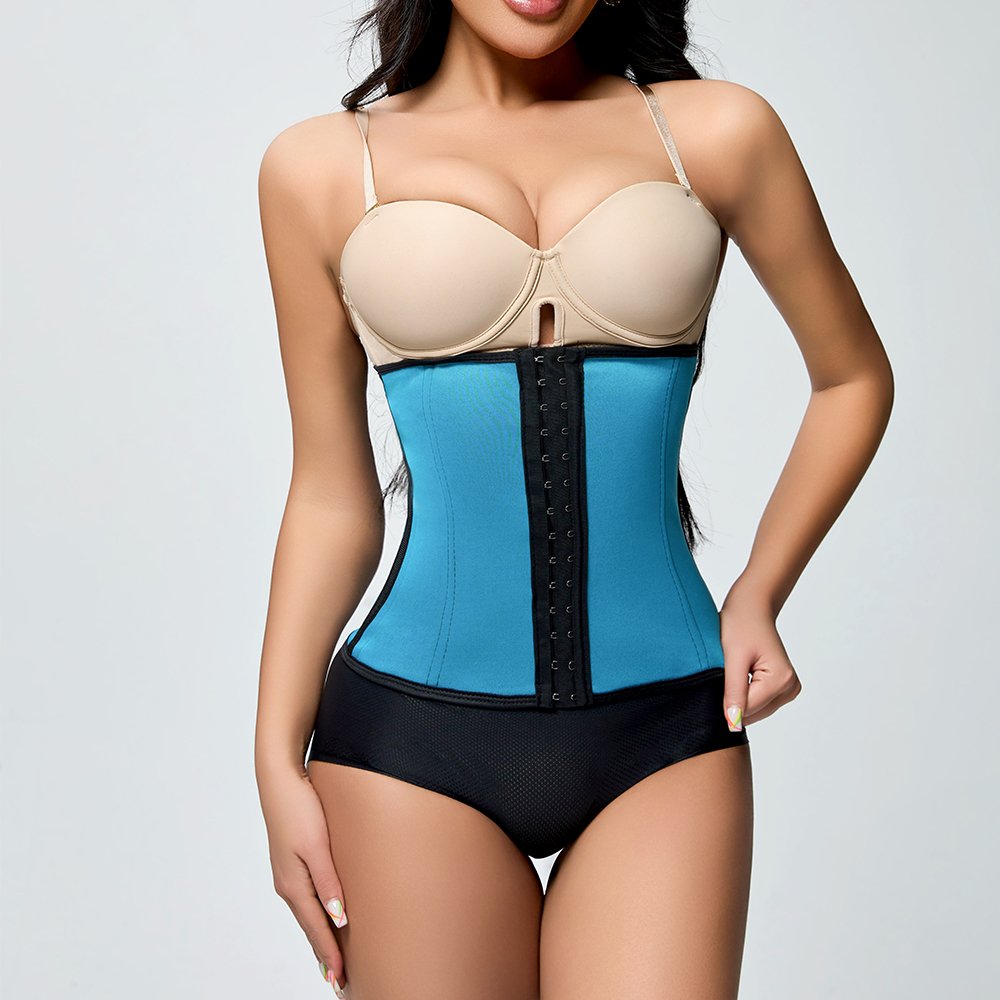
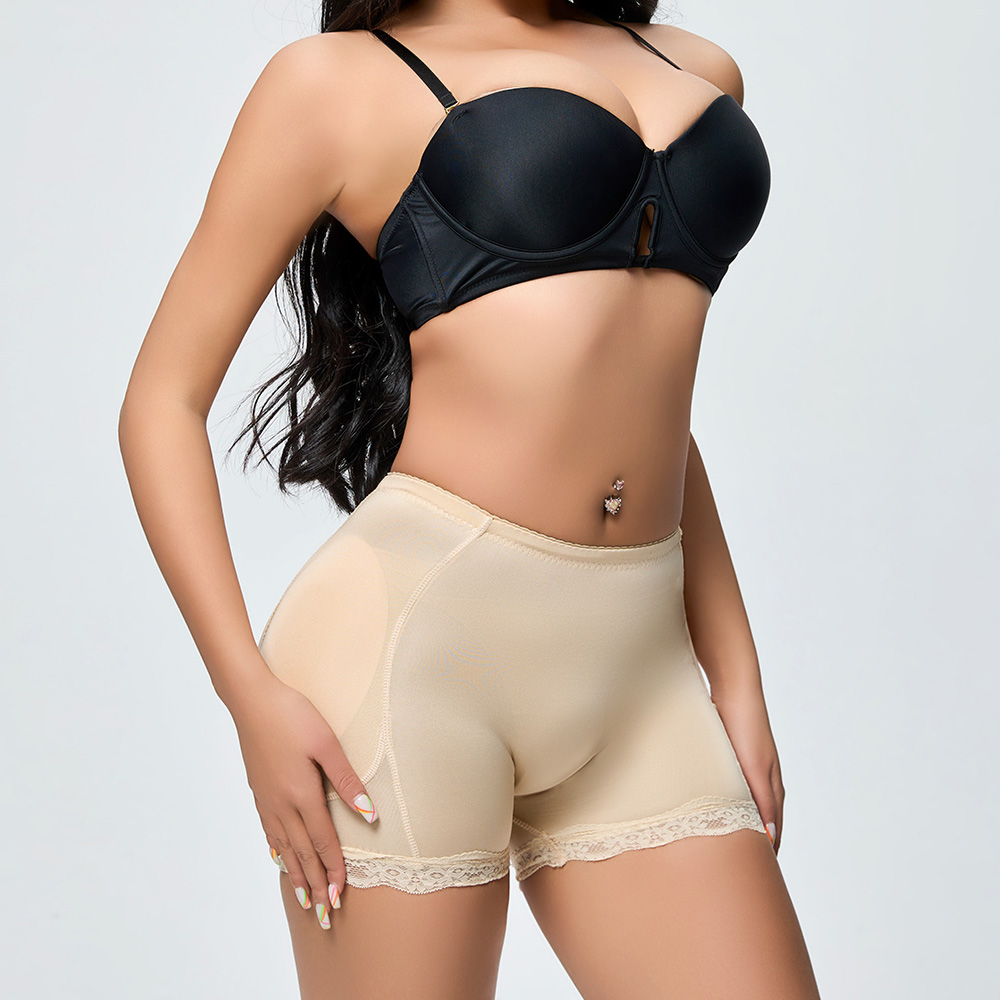


 EN
EN