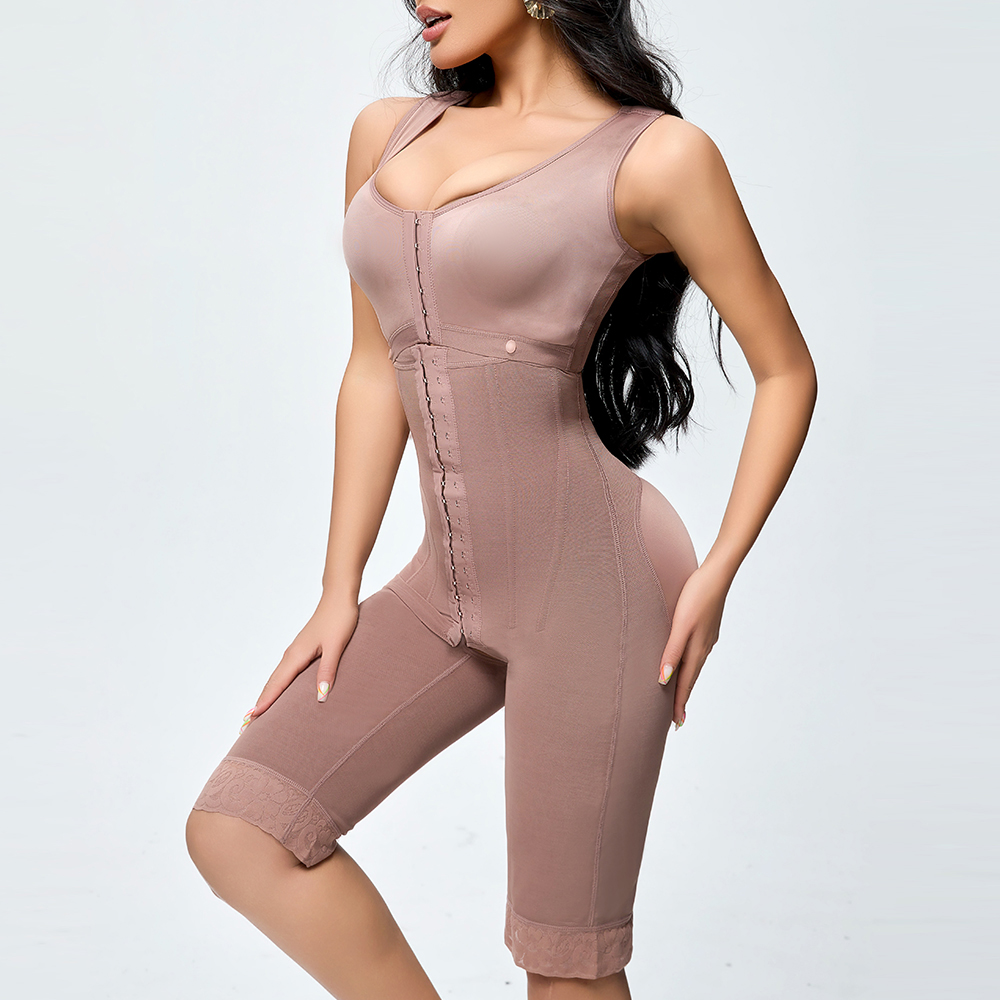
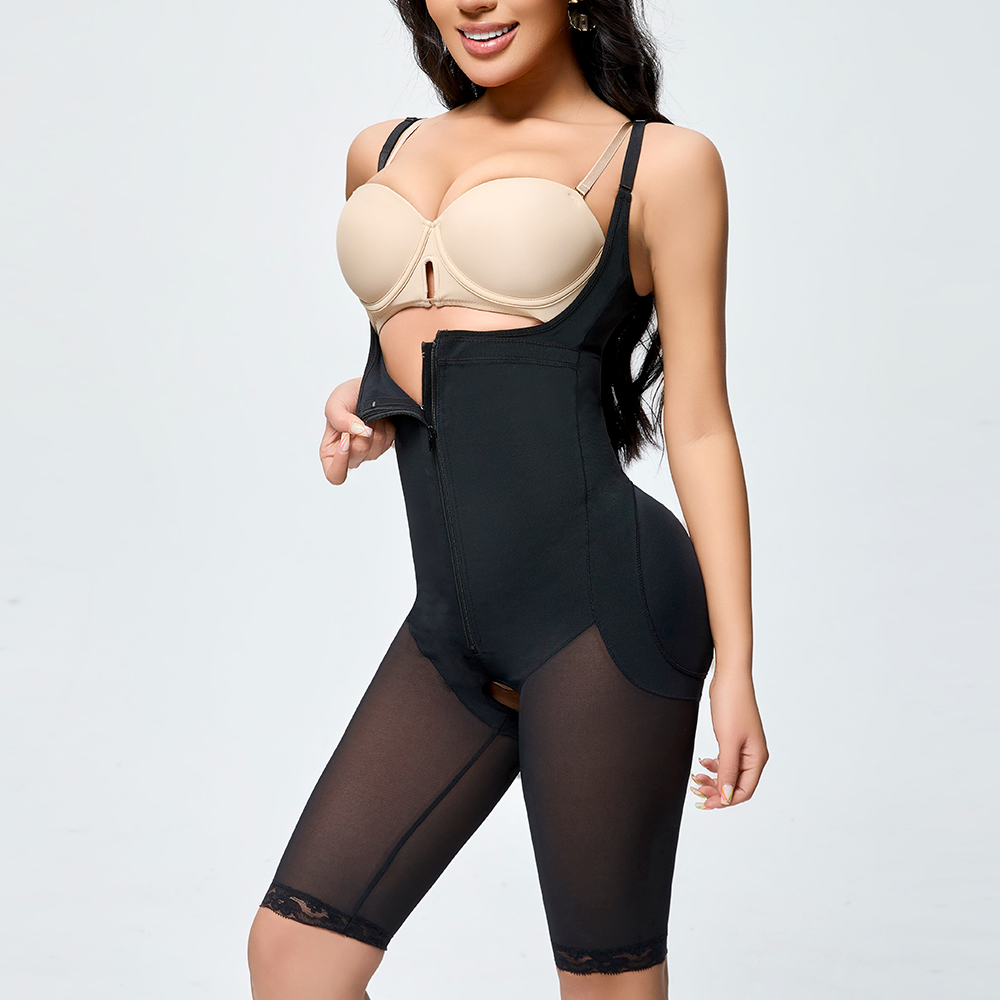
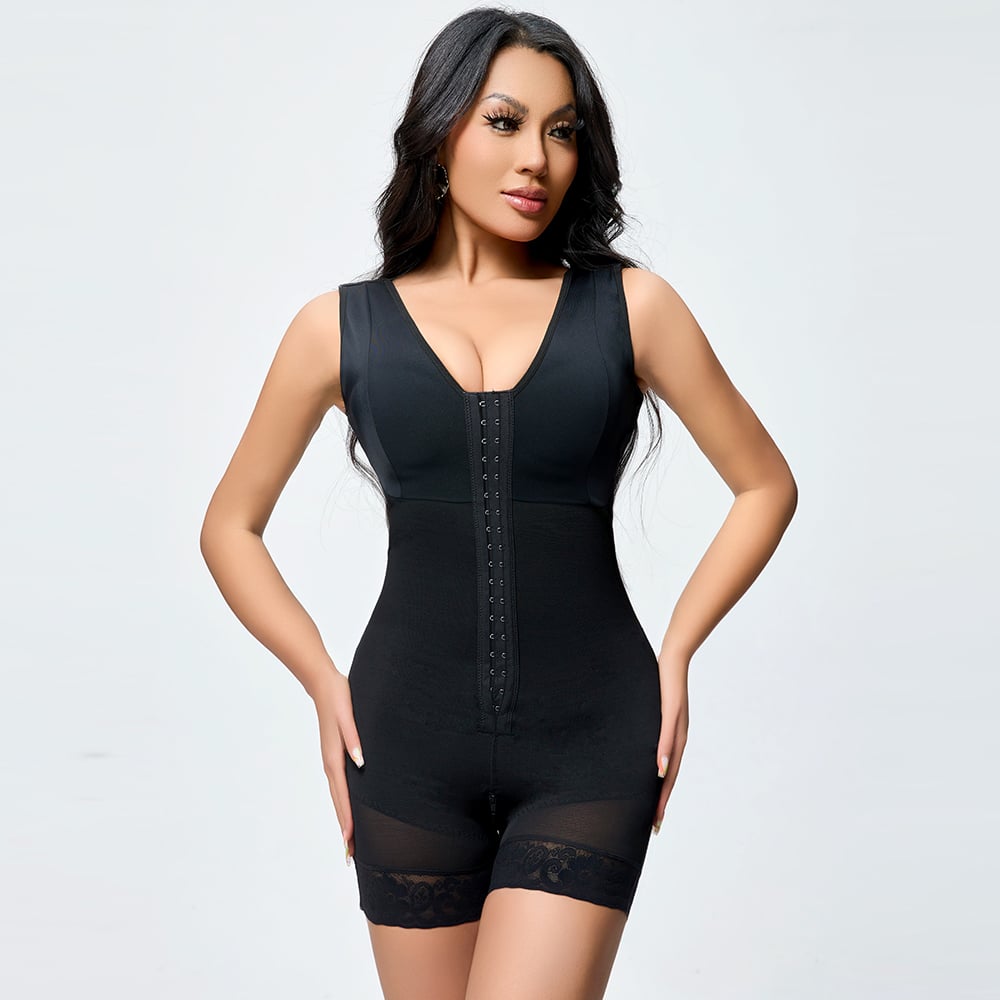
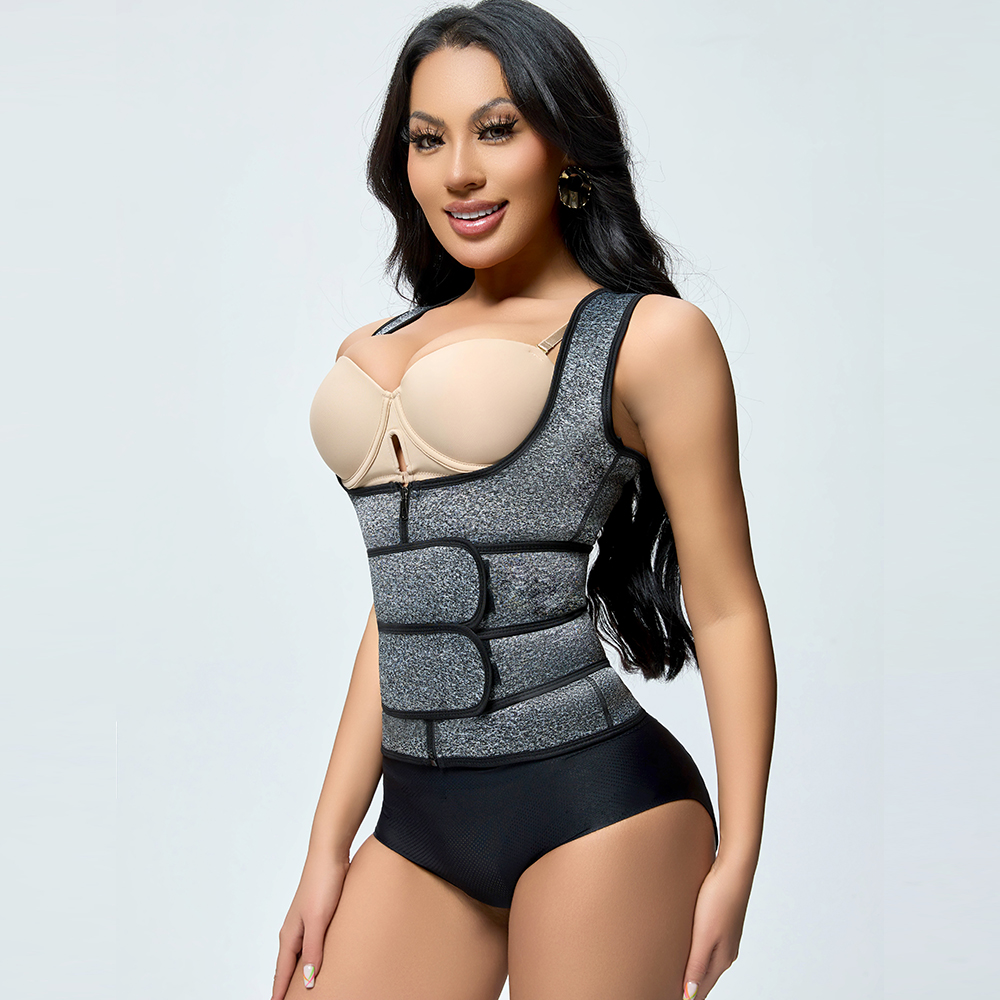
Waist trainers deliver an instant hourglass silhouette through targeted, mechanical compression—not permanent change. By applying firm, consistent pressure around the midsection, they temporarily redistribute soft tissue and reinforce upright posture. Rigid boning supports the lower ribcage while high-compression fabric smooths abdominal contours. Simultaneously, the garment’s thermal properties elevate localized skin temperature, promoting transient fluid loss through sweat. This synergy reshapes appearance within minutes—without altering skeletal structure or fat mass.
The immediate visual effect stems from three integrated mechanisms:
Together, these forces produce measurable waist circumference reductions of 1–3 inches during wear—confirmed in clinical observations . The effect is fully reversible upon removal.
Peer-reviewed studies consistently report temporary waist reductions of 1–3 inches during active wear. This change reflects:
Importantly, no credible evidence links these devices to lasting changes in body composition, organ position, or skeletal geometry. As noted in the Journal of Bodywork and Movement Therapies, “Compression garments induce cosmetic, not anatomical, alteration” (Garcia et al., 2022).
Medical consensus is unequivocal: waist trainers cannot reshape ribs, reposition organs, or remodel muscle architecture. The human skeleton is stabilized by ligaments, cartilage, and muscular attachments designed to resist external deformation—short of surgical intervention or pathological conditions. Similarly, abdominal musculature adapts only to neuromuscular training—not passive compression. Claims suggesting long-term skeletal “retraining” contradict biomechanical principles and lack support in radiographic or longitudinal studies. When removed, the body returns to its natural baseline—no exceptions.
The waist trainer’s slimming effect is optical—not physiological. It masks, rather than modifies: redistributing tissue, improving posture, and inducing transient water loss. None of these equate to fat loss, metabolic change, or structural adaptation. Sustained body transformation requires evidence-based strategies—calorie-matched nutrition, progressive resistance training, and consistent movement patterns—as emphasized by the Academy of Nutrition and Dietetics. Relying on compression as a substitute for foundational health habits undermines long-term progress and risks compensatory behaviors like restrictive eating or overexertion.
When worn correctly, a waist trainer functions as a tactile biofeedback tool—providing gentle, constant pressure that cues users to engage transverse abdominis and maintain neutral spine alignment. This can reduce slouching during desk work or commuting, particularly among those with sedentary lifestyles or early-stage core deconditioning. While it does not replace strength training, research in Physical Therapy suggests externally cued postural support may improve movement awareness and reduce low-grade lumbar strain in the short term (Lee & Kim, 2020). For best results, pair use with daily diaphragmatic breathing and mindful posture checks.
Many users describe heightened body awareness and situational confidence while wearing a waist trainer—a phenomenon documented in qualitative studies on apparel-mediated self-perception. The immediate visual refinement often fosters a sense of control and presence, especially before events or during transitional fitness phases. Though subjective and temporary, this psychological lift can positively influence motivation, social engagement, and adherence to broader wellness goals. Clinicians caution, however, against conflating aesthetic reassurance with self-worth—and recommend anchoring confidence in functional milestones (e.g., improved endurance, lifting capacity, or energy levels) rather than garment-dependent appearance.
Start gradually: new users should wear a properly fitted trainer for no more than 1–2 hours per day, increasing duration only if no discomfort arises. Ensure the garment sits snugly at the natural waistline—neither riding up into the ribs nor slipping down over the hips. Never wear during sleep, high-intensity exercise, or pregnancy. Discontinue immediately if you experience pain, numbness, dizziness, shortness of breath, or gastrointestinal distress.
Three primary safety concerns are well-documented in clinical literature:
The FDA and American Academy of Dermatology both advise against daily, extended wear and emphasize that no regulatory body approves waist trainers for medical or therapeutic reshaping claims . Prioritize function, comfort, and sustainability over rapid aesthetic outcomes.
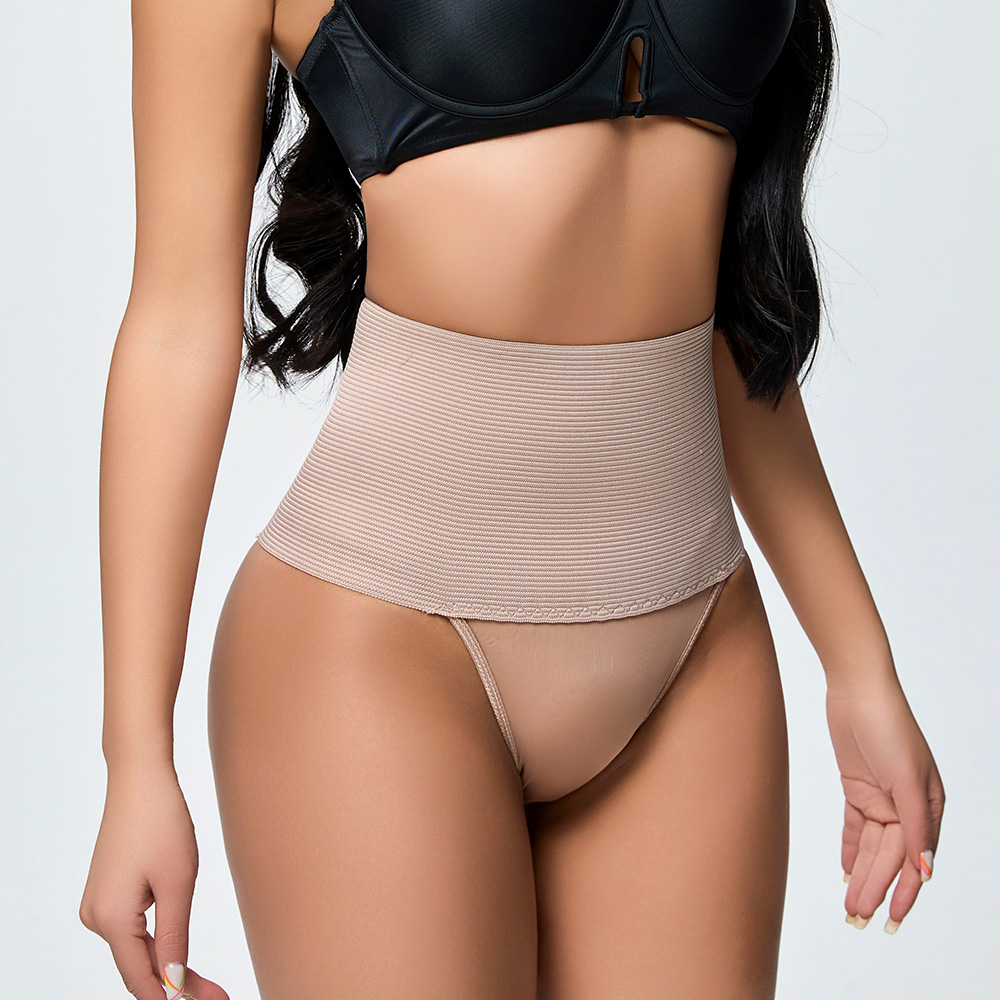
A waist trainer is a compression garment designed to create an instant hourglass silhouette through firm pressure on the midsection.
No, waist trainers provide temporary visual effects and do not cause lasting changes in skeletal structure, organ position, or fat mass.
Daily wear is not recommended as excessive use can lead to health risks such as respiratory restriction, gastrointestinal displacement, and skin irritation.
New users should limit wear to 1–2 hours per day and gradually increase duration only if comfortable.
Benefits include temporary visual shaping, posture support, and improved body awareness and confidence during wear.




 EN
EN