Introduction:
In the global shapewear market, efficient logistics is a critical factor that directly impacts delivery speed, inventory management, and overall customer satisfaction. For international buyers such as chain supermarkets, gift distributors, e-commerce brands, and lifestyle retailers, optimizing logistics is not just about transportation—it’s about building a reliable and scalable supply chain.
With growing demand across Europe, North America, South America, Southeast Asia, and the Middle East, businesses must adopt smarter logistics strategies to remain competitive. This article explores key approaches to optimizing international logistics for shapewear distribution.
1.Choosing the Right Shipping Methods
Selecting the appropriate shipping method is essential for balancing cost and delivery time.
● Air freight: Ideal for urgent orders and fast-moving inventory
● Sea freight: Cost-effective for large-volume wholesale orders
● Rail freight (for Europe/Asia routes): A balanced option between speed and cost
B2B Insight:
Chain stores and large distributors often combine shipping methods—using sea freight for bulk inventory and air freight for replenishment.
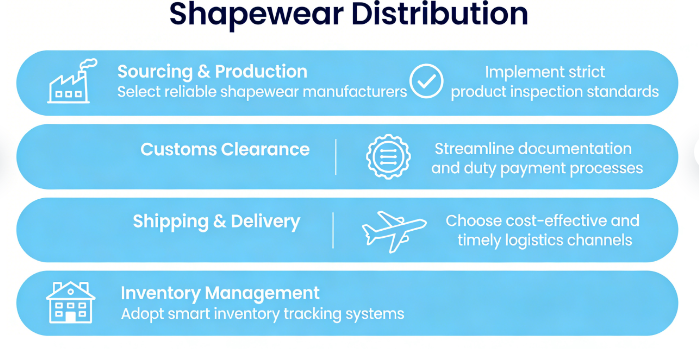
2. Strategic Warehouse Planning
Efficient warehouse placement can significantly reduce delivery times and logistics costs.
● Use regional distribution centers (e.g., Europe or the Middle East hubs)
● Partner with third-party logistics providers (3PL)
● Maintain safety stock for high-demand shapewear products
Benefit:
Faster last-mile delivery improves retailer satisfaction and ensures consistent product availability.
3. Optimizing Packaging for International Shipping
Shapewear is lightweight and flexible, making it ideal for optimized packaging.
● Use compact, vacuum-sealed packaging to reduce shipping volume
● Design durable packaging to prevent deformation
● Offer retail-ready packaging for direct shelf placement
B2B Advantage:
Lower shipping costs and easier handling for distributors and retailers.
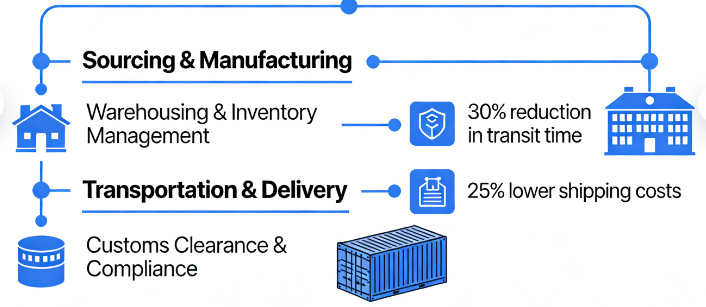
4. Managing Customs and Compliance
Different markets have varying import regulations, labeling requirements, and certification standards.
● Ensure proper documentation (commercial invoice, packing list, certificates)
● Comply with textile labeling laws in target markets
● Work with experienced customs brokers
Key Insight:
Efficient customs clearance reduces delays and avoids unexpected costs.
5. Leveraging Digital Logistics Tools
Technology plays a key role in modern logistics optimization.
● Real-time shipment tracking systems
● Inventory management software
● Demand forecasting tools
Benefit for Buyers:
Greater visibility into the supply chain improves planning and reduces stock shortages
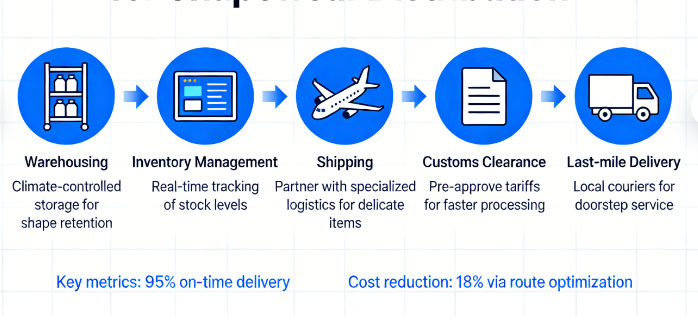
6. Building Reliable Logistics Partnerships
Strong partnerships with freight forwarders and logistics providers are essential.
● Choose partners with global network coverage
● Ensure experience in apparel or textile shipping
● Establish long-term cooperation agreements
Result:
More stable shipping schedules and better negotiation power on freight rates
Conclusion
Optimizing international logistics for shapewear distribution is essential for success in today’s competitive global market. By selecting the right shipping methods, improving warehouse strategies, ensuring compliance, and leveraging digital tools, businesses can create a more efficient and resilient supply chain.
For B2B buyers and distributors, working with suppliers who offer strong logistics capabilities means faster delivery, lower costs, and better inventory control. Ultimately, a well-optimized logistics system not only enhances operational efficiency but also strengthens long-term partnerships and drives sustainable business growth in the global shapewear industry.







 EN
EN