In the global apparel and body-shaping market, waist trainers and shapewear are often grouped together—but they serve different purposes, target different customers, and perform differently in retail environments.
For wholesalers, distributors, and retail buyers, understanding these differences is essential for selecting the right product mix, improving customer satisfaction, and maximizing sales performance.
This guide breaks down the key differences between waist trainers and shapewear from both product and business perspectives.
Waist Trainer
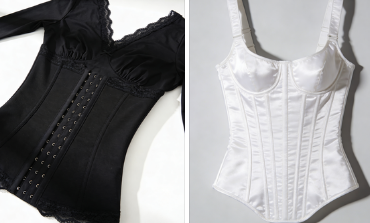
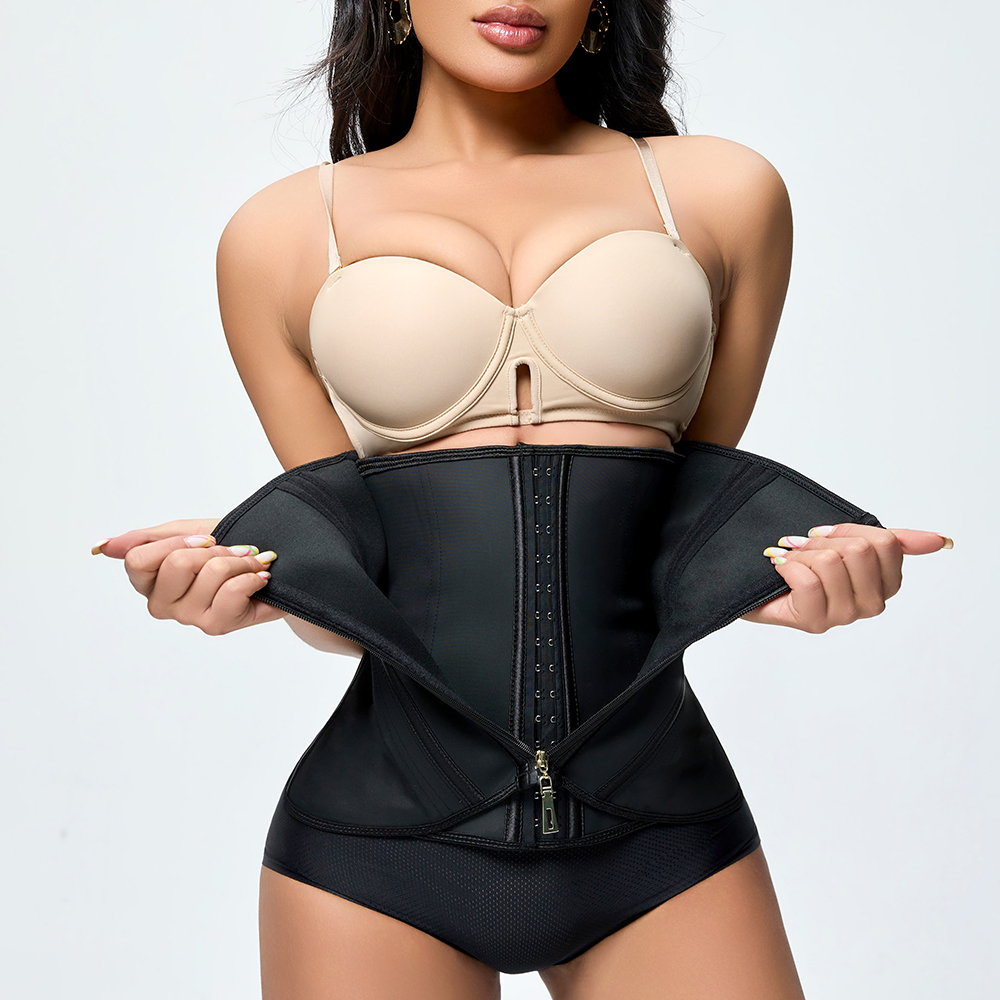
A waist trainer is a high-compression garment designed primarily to shape and reduce the appearance of the waistline. It typically uses firm materials such as latex, combined with boning or steel supports, to create a structured and tight fit.
Shapewear
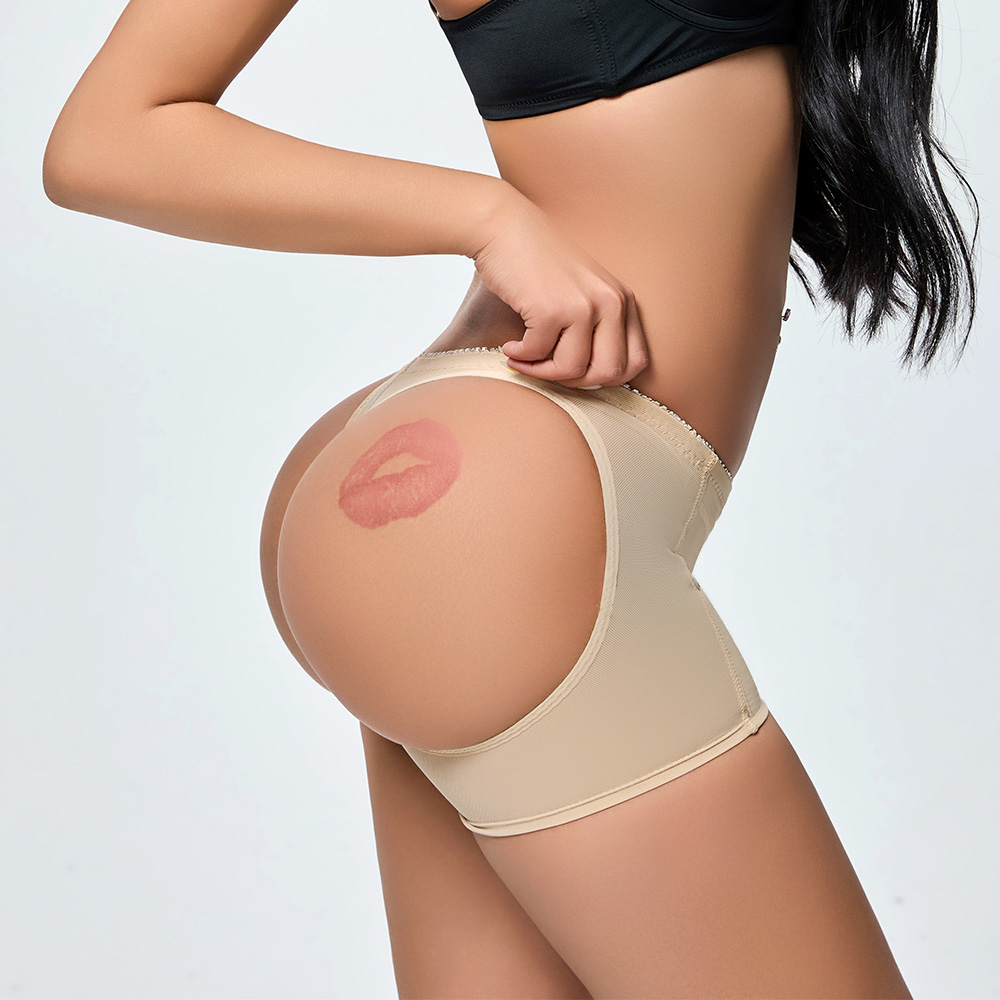
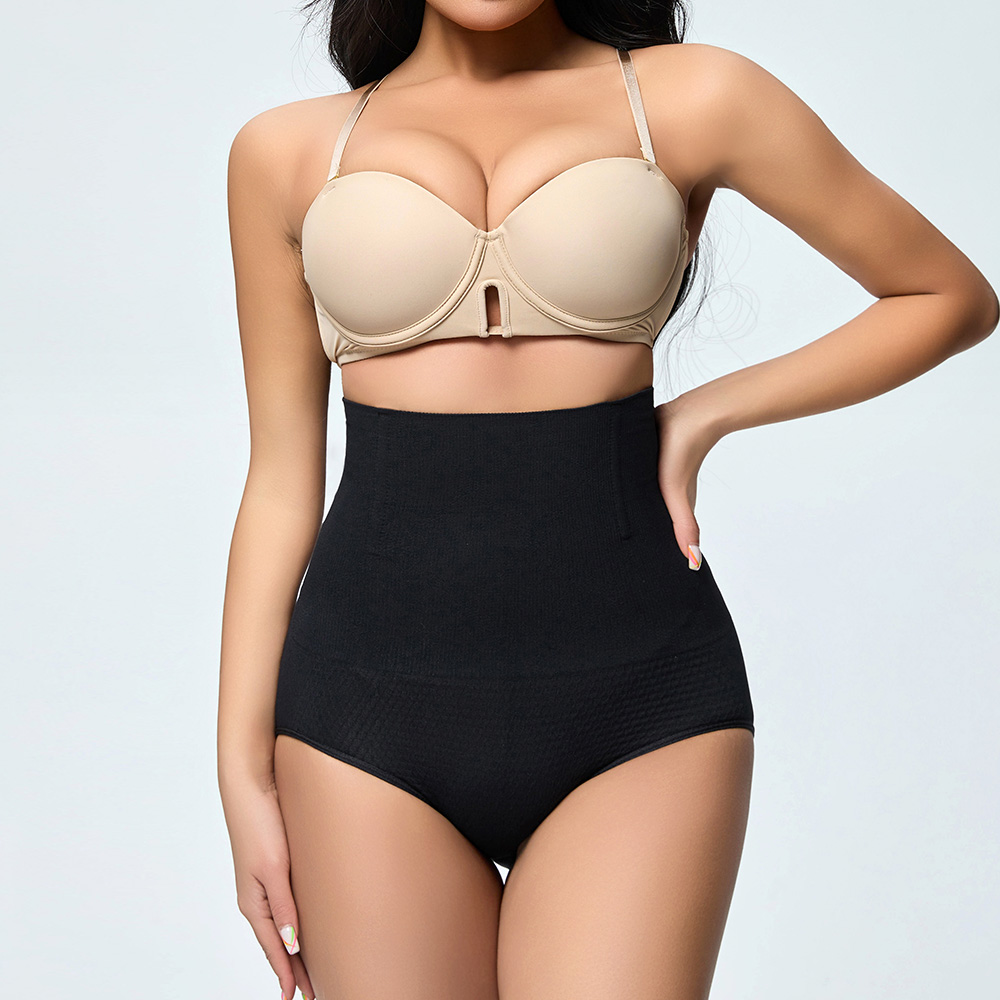
Shapewear is a broader category of body-contouring garments designed to smooth and enhance the overall body silhouette. It focuses on comfort, flexibility, and everyday wearability rather than extreme compression.
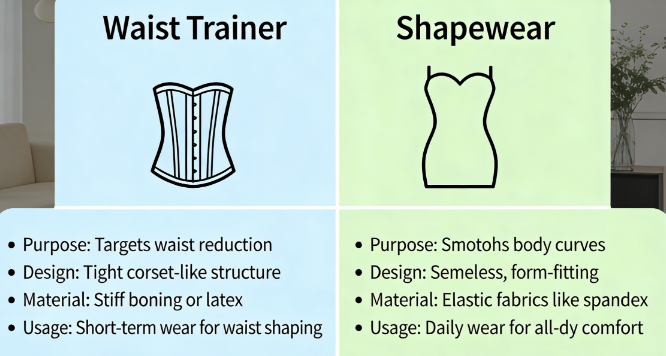
One of the most important differences lies in compression strength.
▪️ Waist trainers provide high compression, targeting the waist area specifically.
▪️ Shapewear offers light to moderate compression, often covering multiple areas such as the abdomen, hips, thighs, or full body.
For buyers:
High compression products often appeal to niche customers, while moderate compression shapewear has wider market acceptance.
Waist Trainers:
▪️ Commonly made from latex, neoprene, or thick elastic fabrics
▪️ Reinforced with steel bones or rigid structures
▪️ Designed for firmness and shaping intensity
Shapewear:
▪️ Made from nylon, spandex, or breathable blends
▪️ Seamless or knitted construction
▪️ Focus on stretch, comfort, and skin-friendly wear
Retail insight:
Shapewear materials are generally more suitable for long-term wear and broader climates, especially in Southeast Asia and Latin America
Waist Trainer:
▪️ Tight, structured, and restrictive
▪️ Typically worn for shorter periods
▪️ May require adjustment during wear
Shapewear:
▪️ Comfortable and flexible
▪️ Suitable for all-day use
▪️ Designed to move naturally with the body
Customer preference trend:
Modern consumers increasingly prefer comfort-driven products, making shapewear more popular in mainstream retail.
Waist Trainers:
▪️ Fitness-focused users
▪️ Postpartum body shaping (specific markets)
▪️ Customers seeking dramatic waist reduction
Shapewear:
▪️ Everyday consumers
▪️ Office wear users
▪️ Fashion-conscious shoppers
▪️ Broad age and size demographics
Business takeaway:
Shapewear offers a larger and more diverse customer base, making it easier to scale in retail channels.
Waist Trainers:
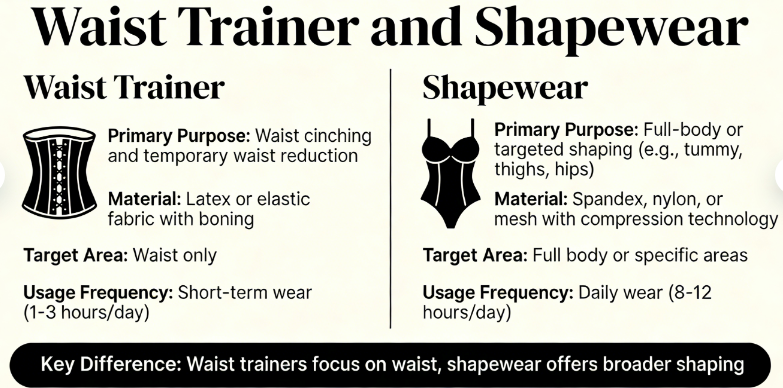
▪️ Waist cinchers
▪️ Corset-style trainers
▪️ Sports waist trainers
Shapewear:
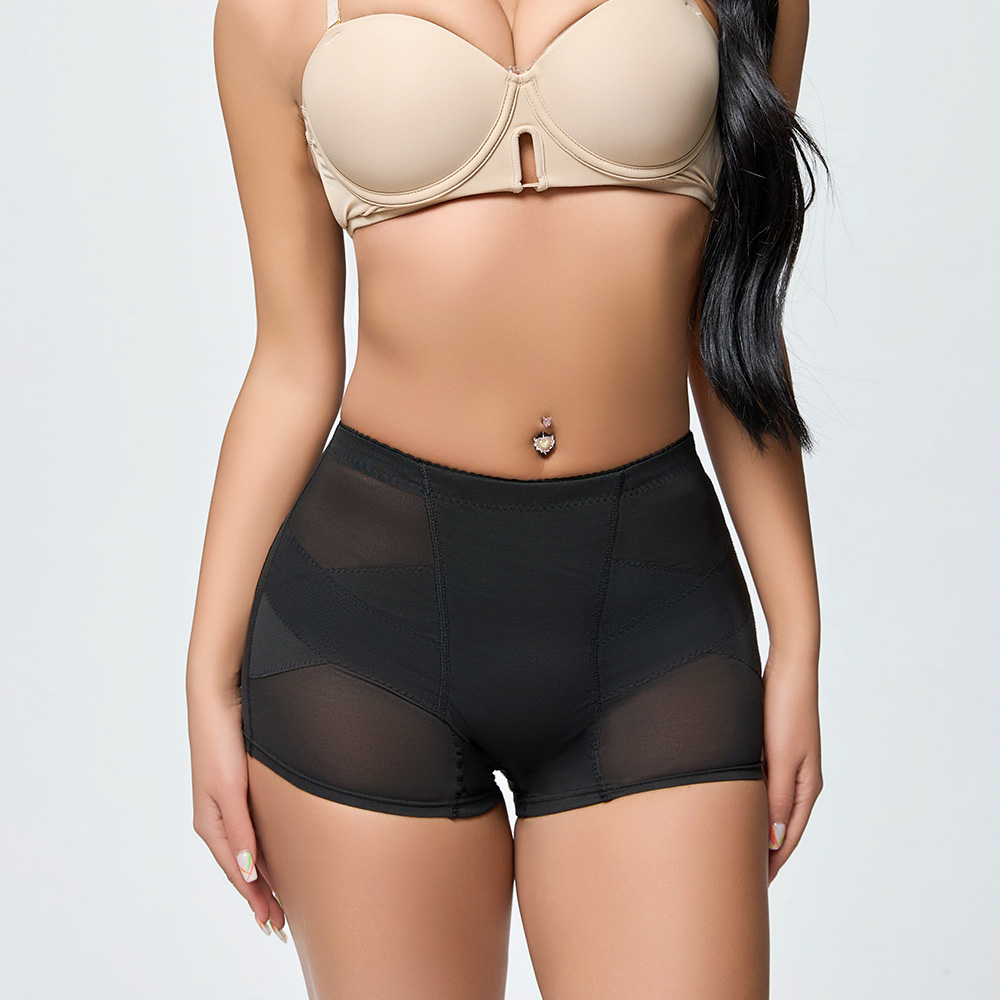
▪️ High-waist briefs
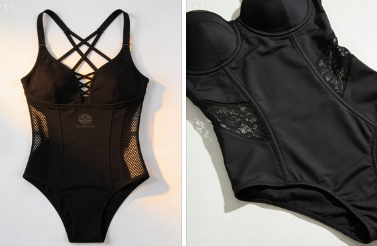
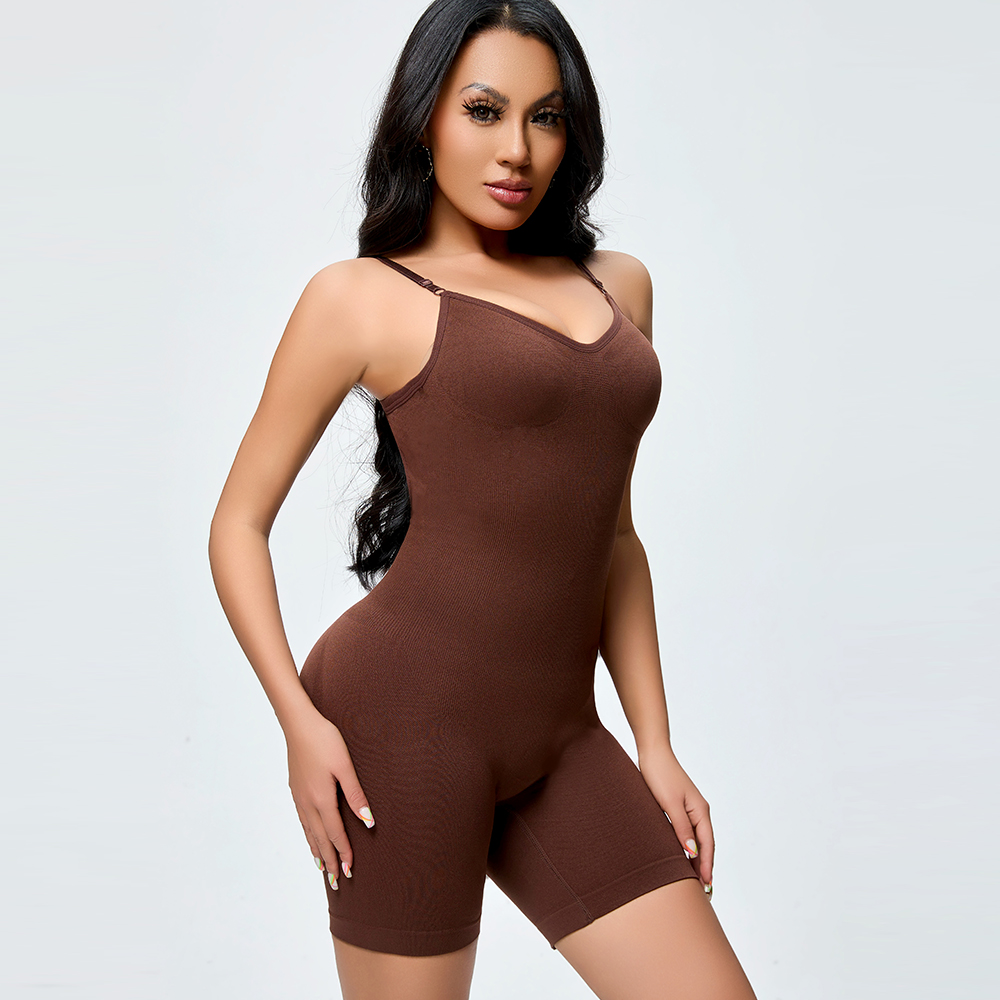
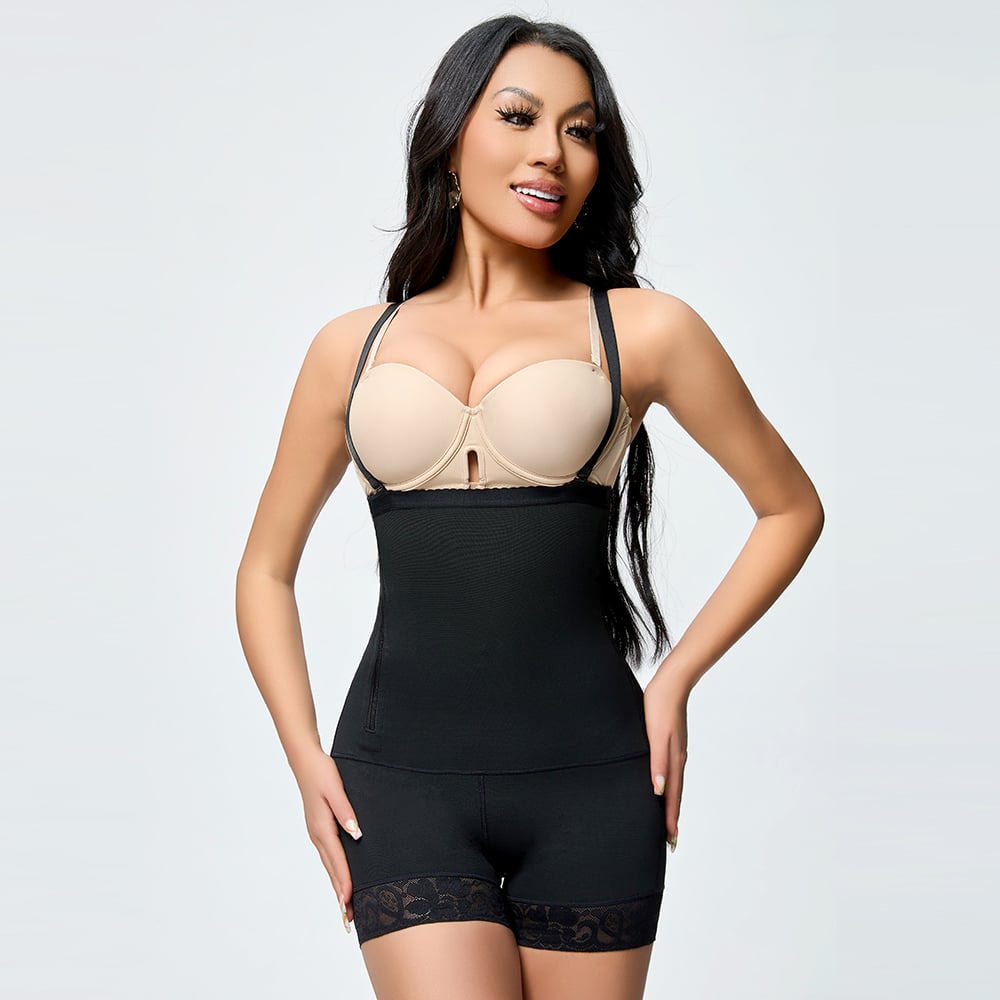
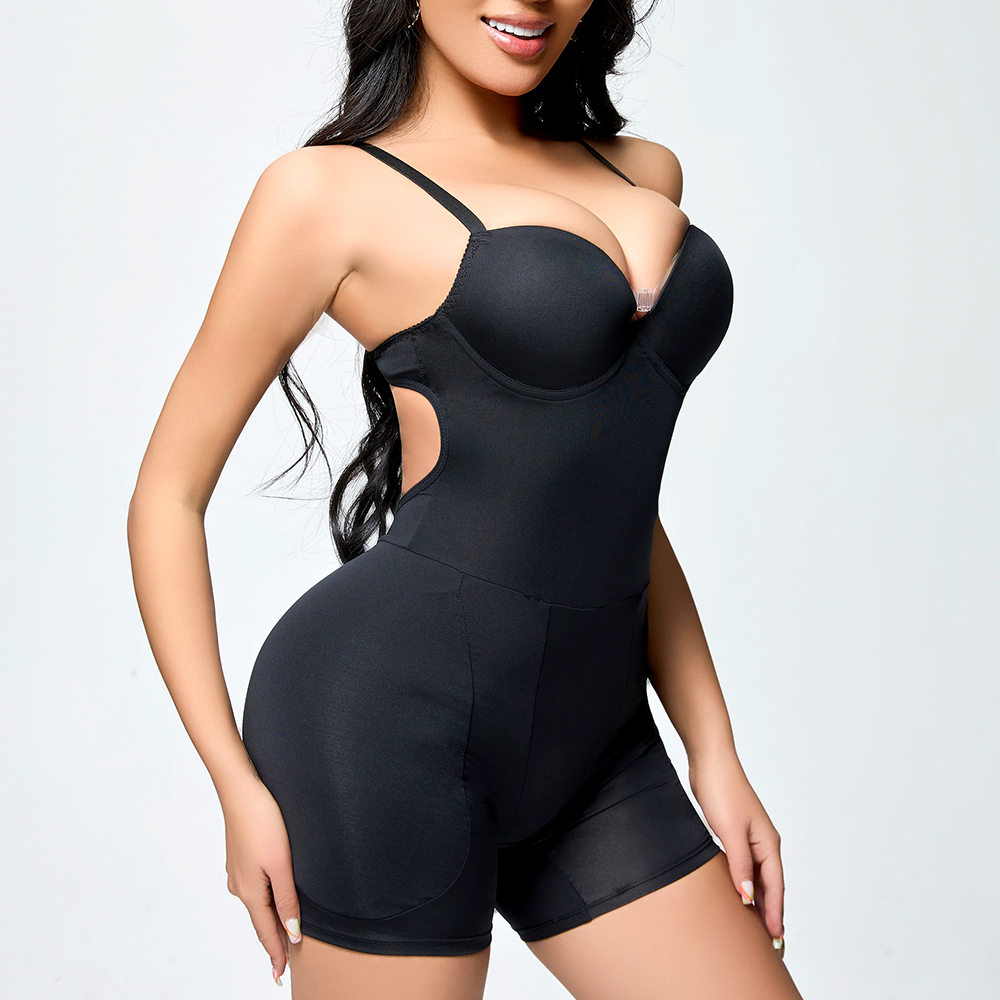
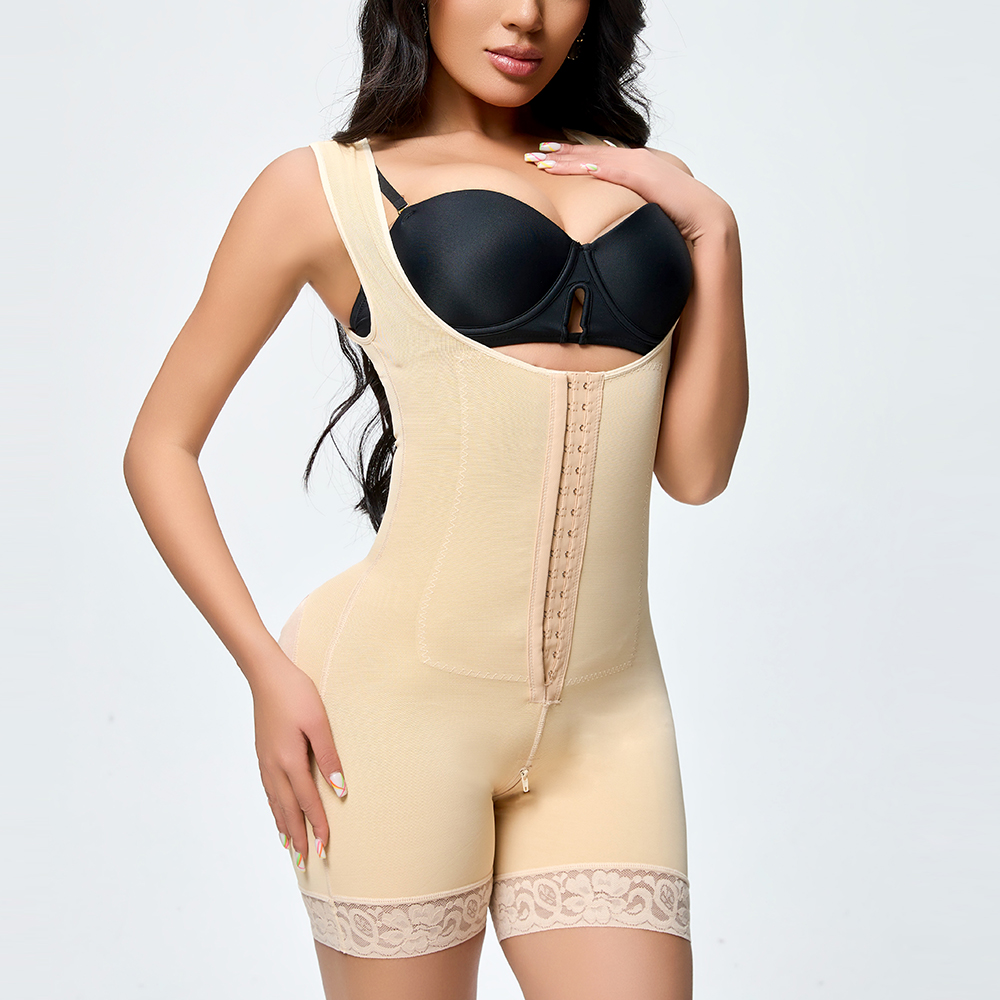
▪️ Bodysuits
▪️ Thigh shapers
▪️ Full-body suits
▪️ Seamless shaping shorts
For distributors:
Shapewear provides more SKU expansion opportunities and cross-selling potential.
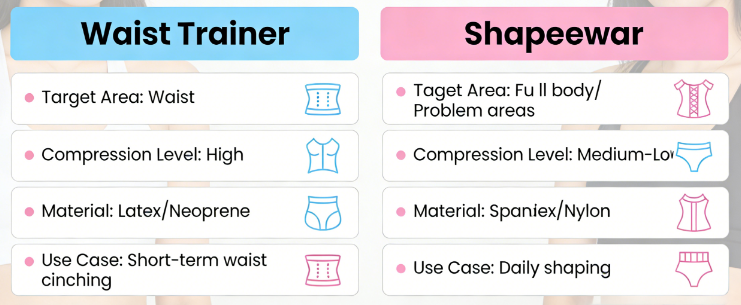
While waist trainers and shapewear are often confused, they serve different roles in the market. Waist trainers focus on intense shaping and niche appeal, while shapewear emphasizes comfort, versatility, and everyday usability.
For distributors, retail buyers, and brand owners, understanding these differences is key to building a profitable product strategy and meeting evolving consumer expectations.

 EN
EN