Introduction
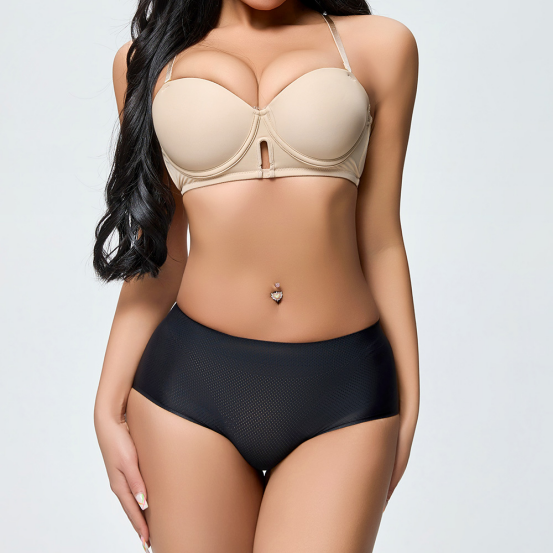
The global apparel market is undergoing a significant shift as consumers move beyond basic functionality and increasingly demand products that combine comfort, aesthetics, and body enhancement. This evolution has brought shapewear into the spotlight, positioning it as a fast-growing alternative to traditional undergarments.
For wholesalers, distributors, and retail buyers, understanding the differences between shapewear and traditional underwear—and the trends shaping their demand—is essential for making informed purchasing decisions and staying competitive in today’s market.
1.What Are Traditional Undergarments?
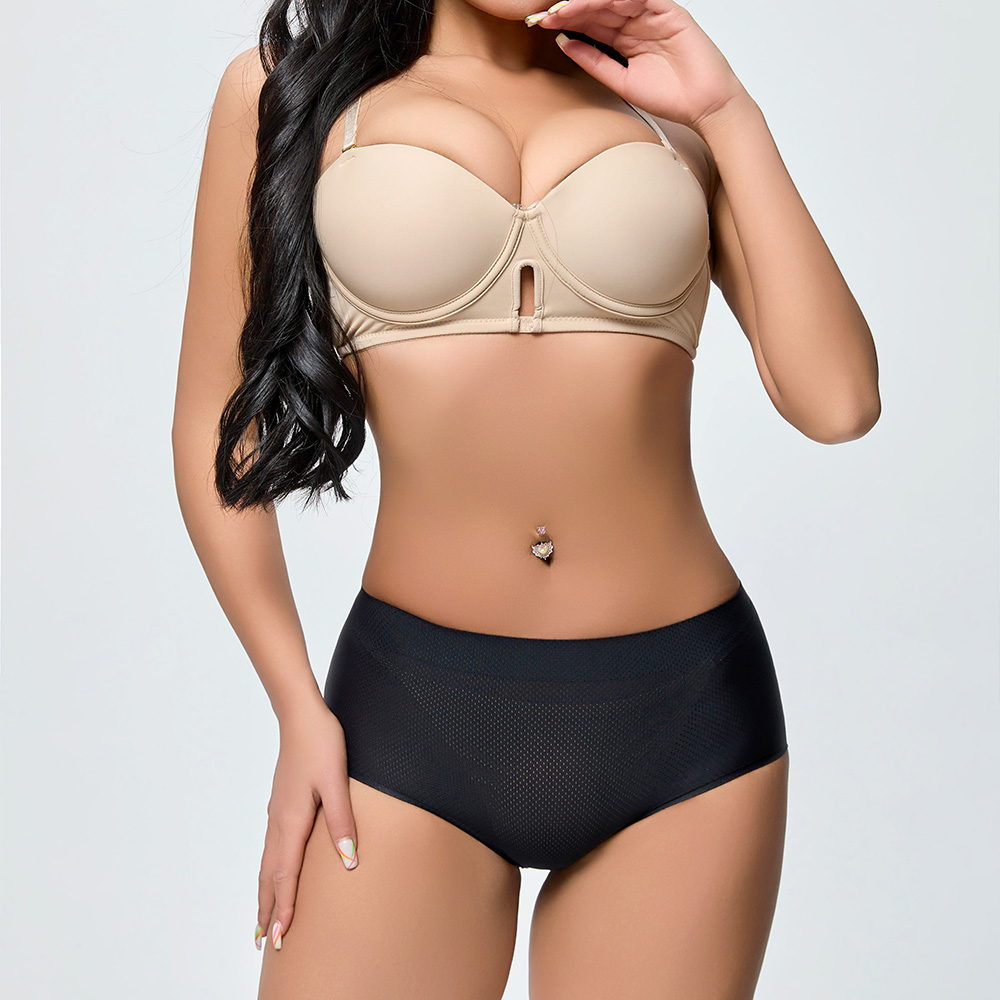
Traditional undergarments include everyday essentials such as:
● Basic bras
● Panties
● Undershirts
● Thermal innerwear
Their primary functions are:
● Hygiene and protection
● Basic comfort
● Support and coverage
While these products remain essential, they are largely functional and standardized, with limited differentiation and relatively lower profit margins in highly competitive retail environments.
2.What Is Shapewear?
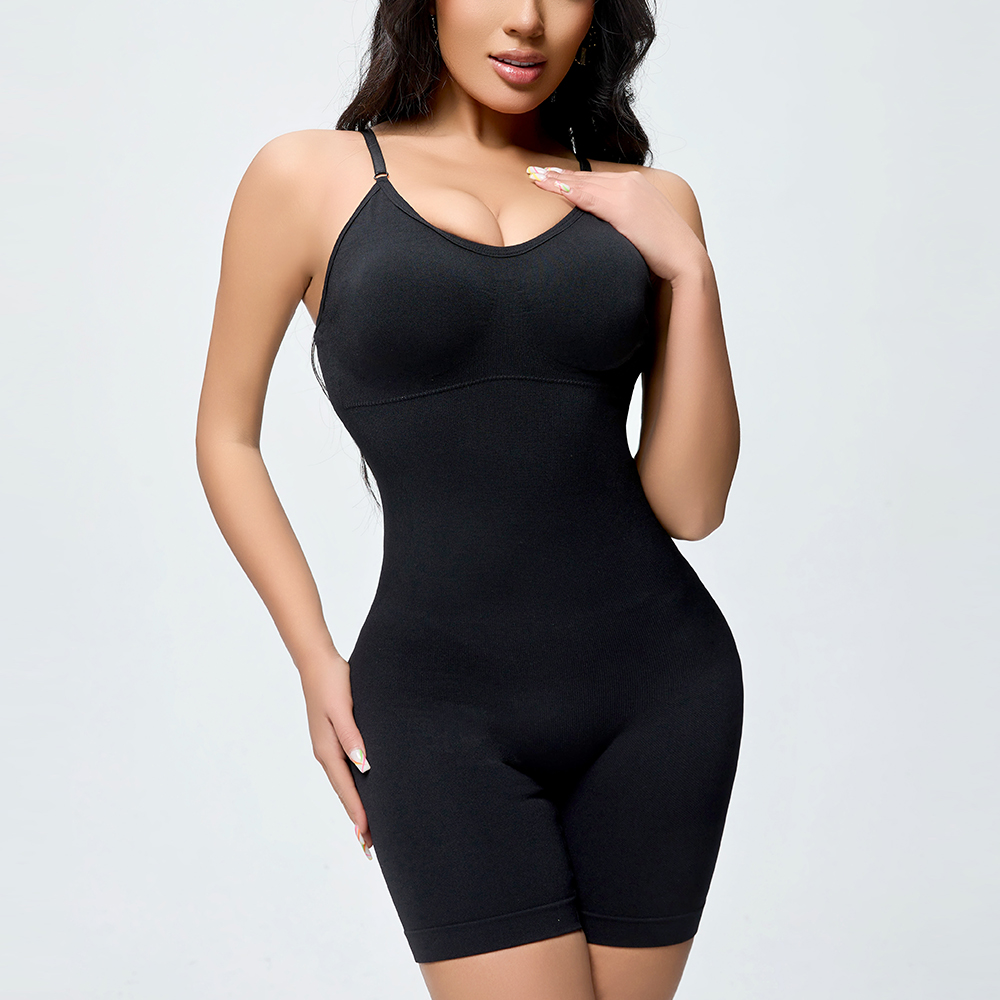
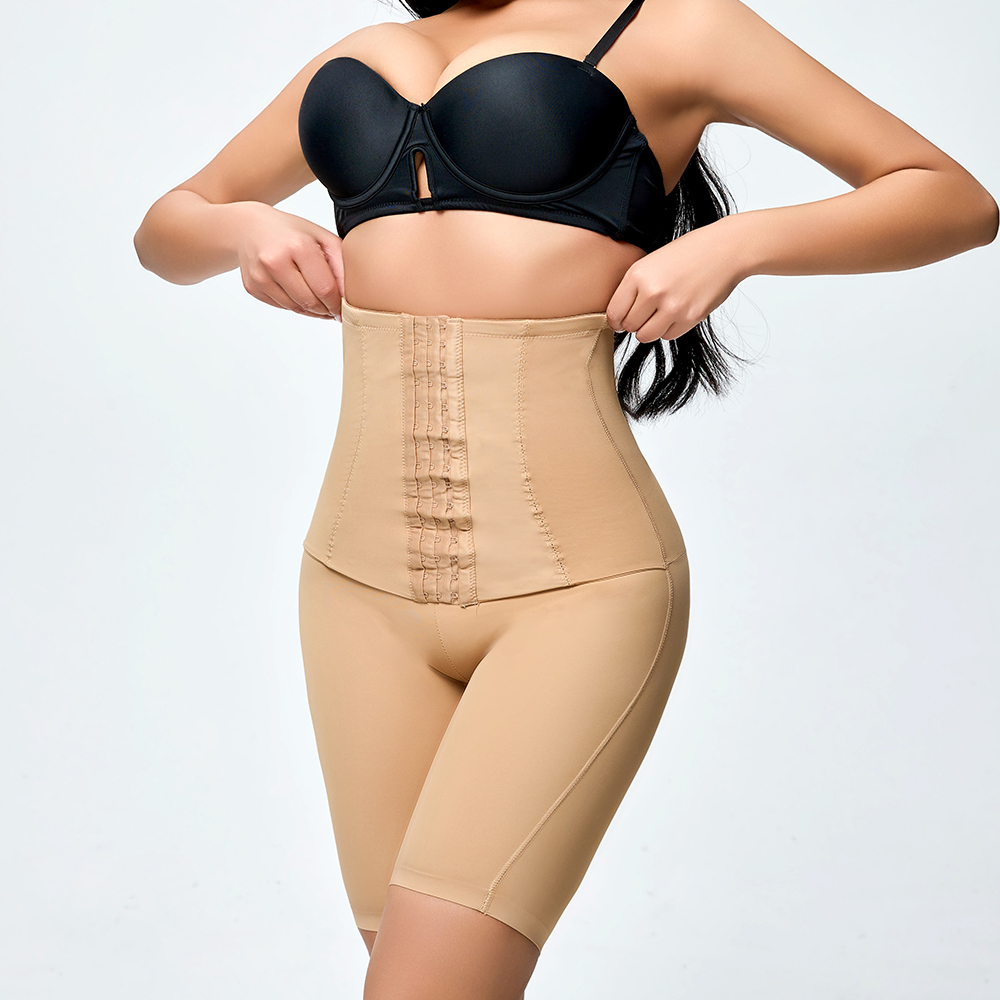
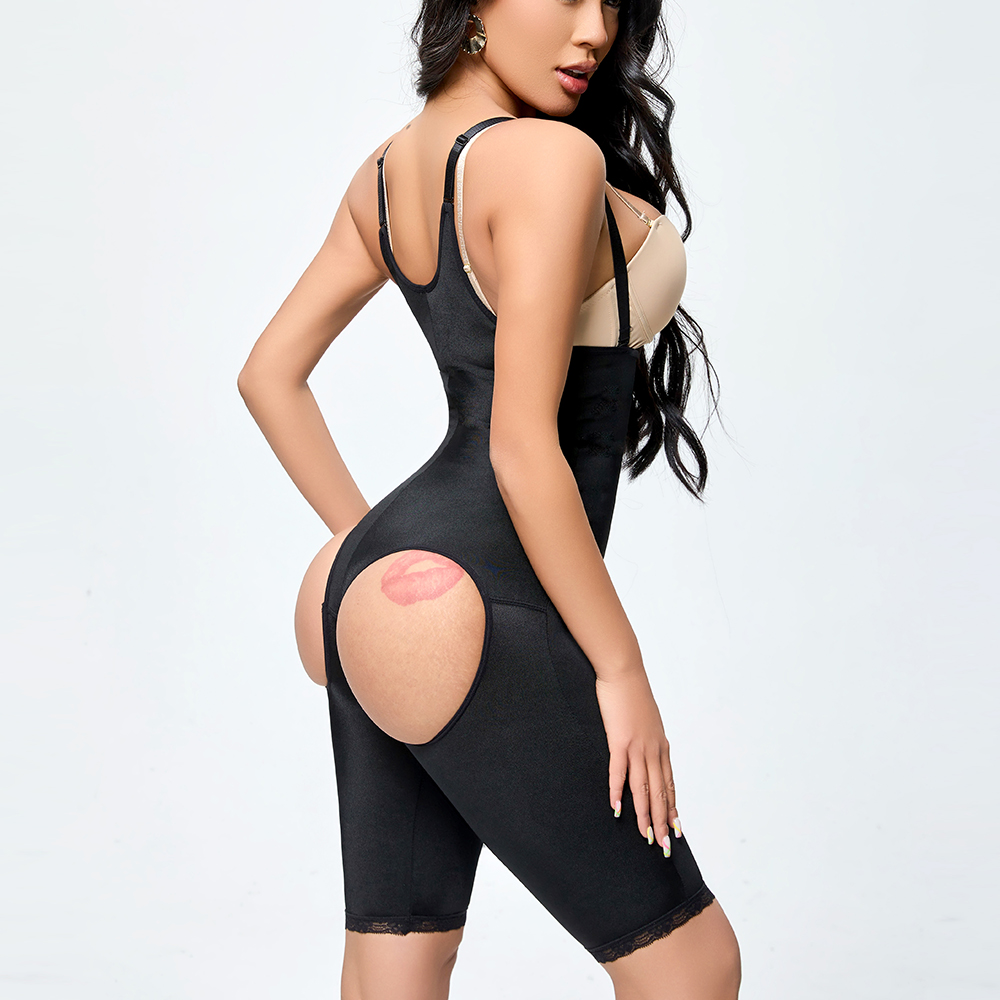
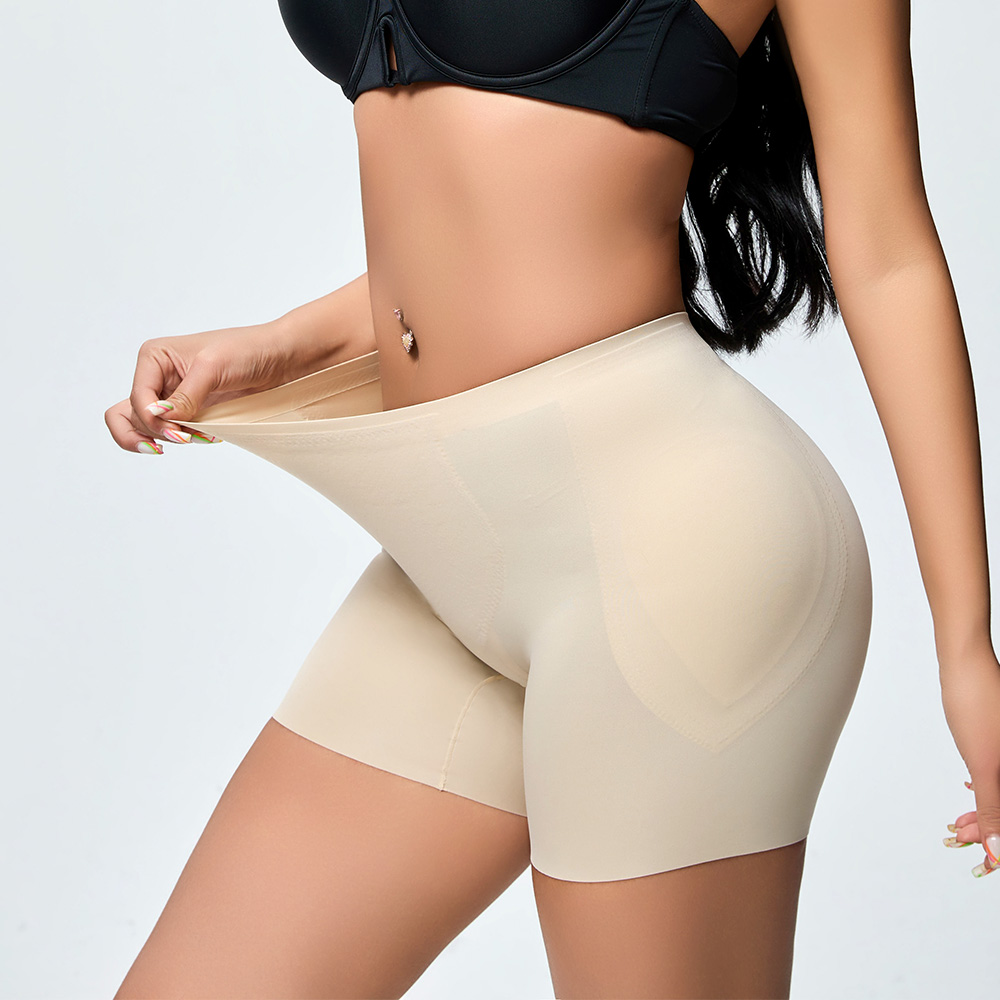
Shapewear is designed not just for coverage, but for body contouring and enhancement. It includes products such as:
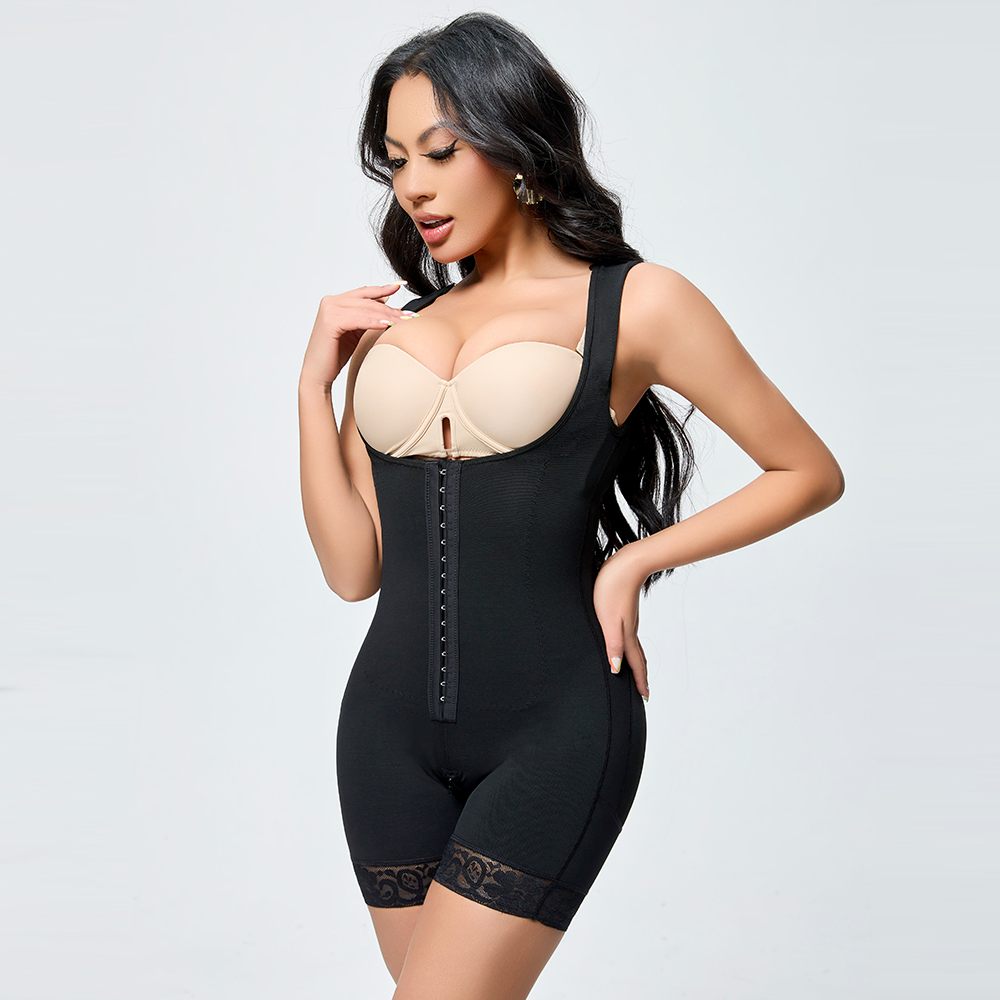
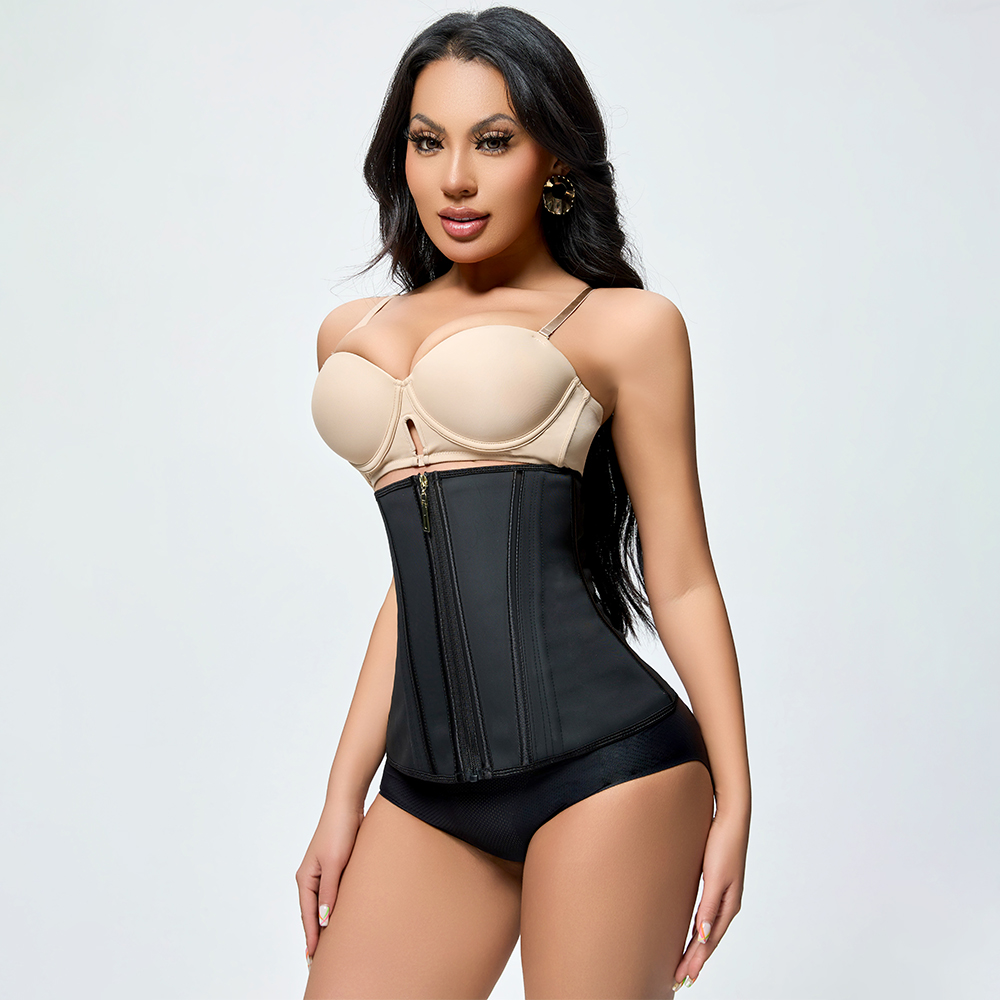
● Waist trainers
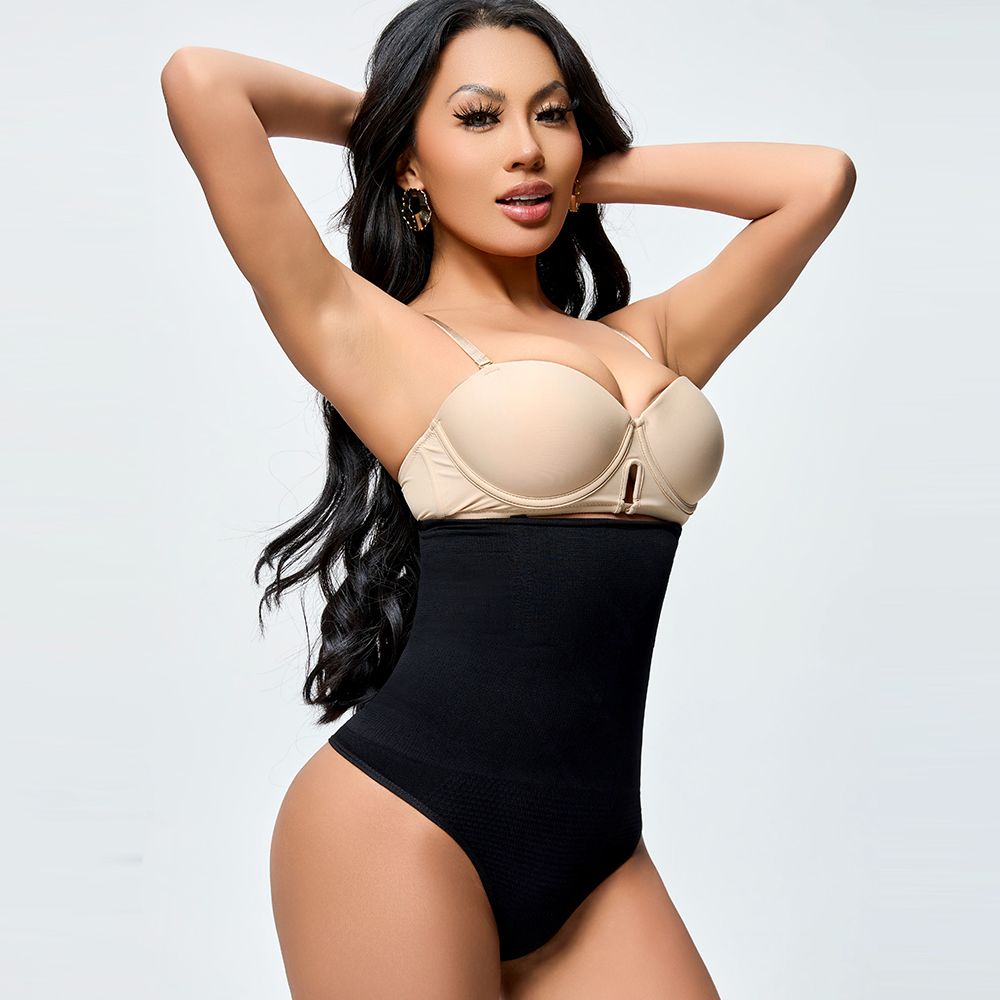
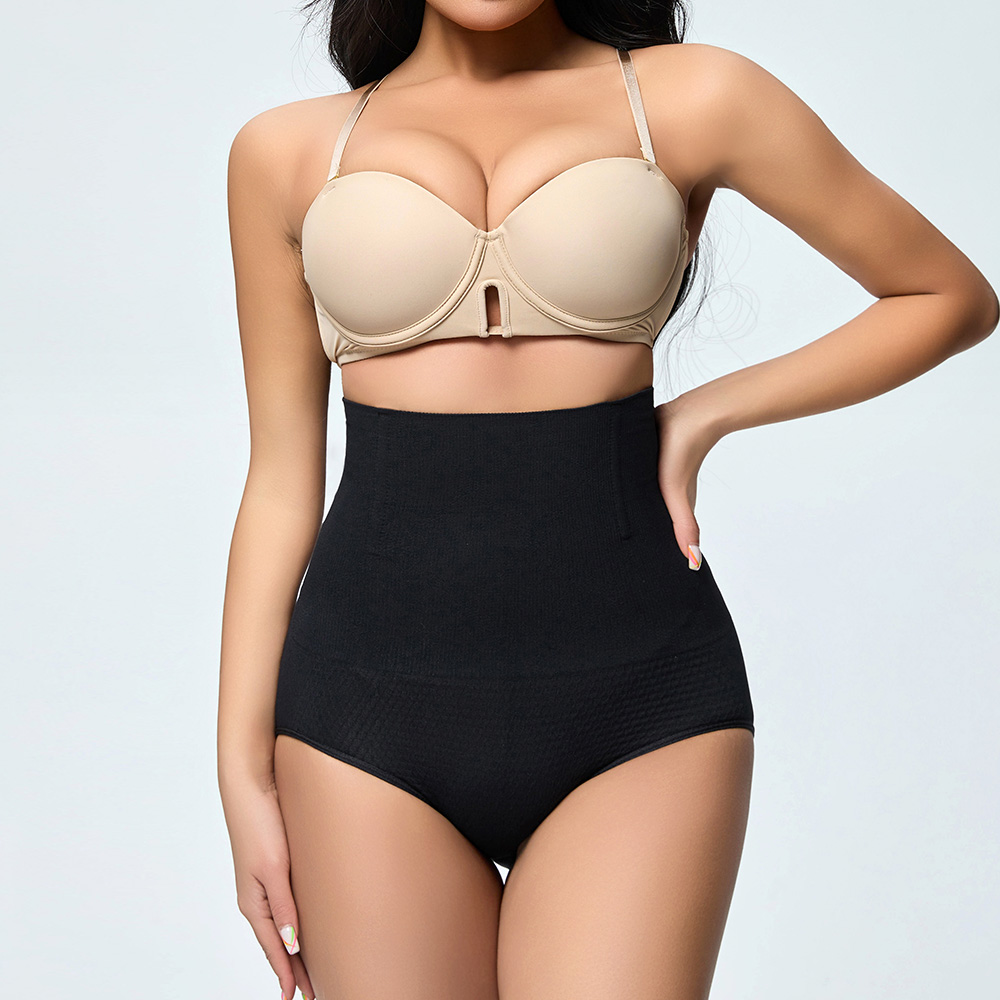
● Tummy control shorts
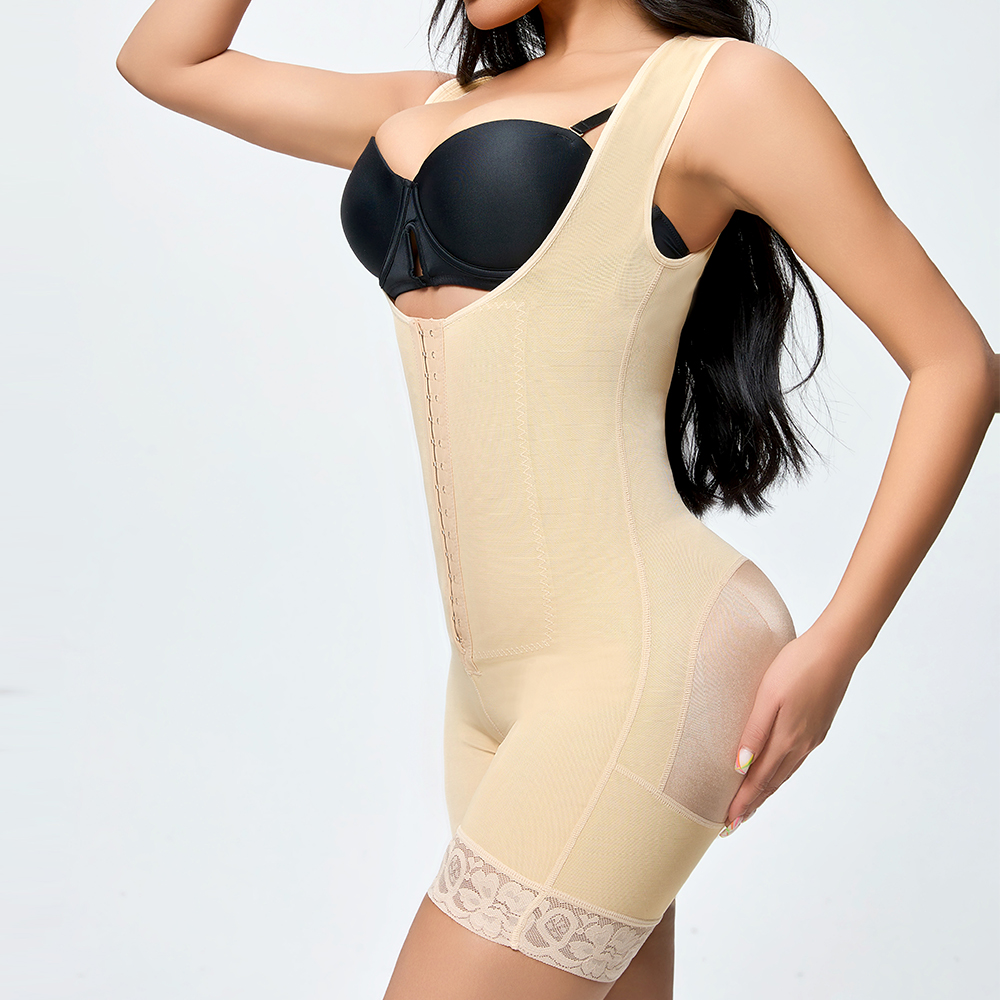
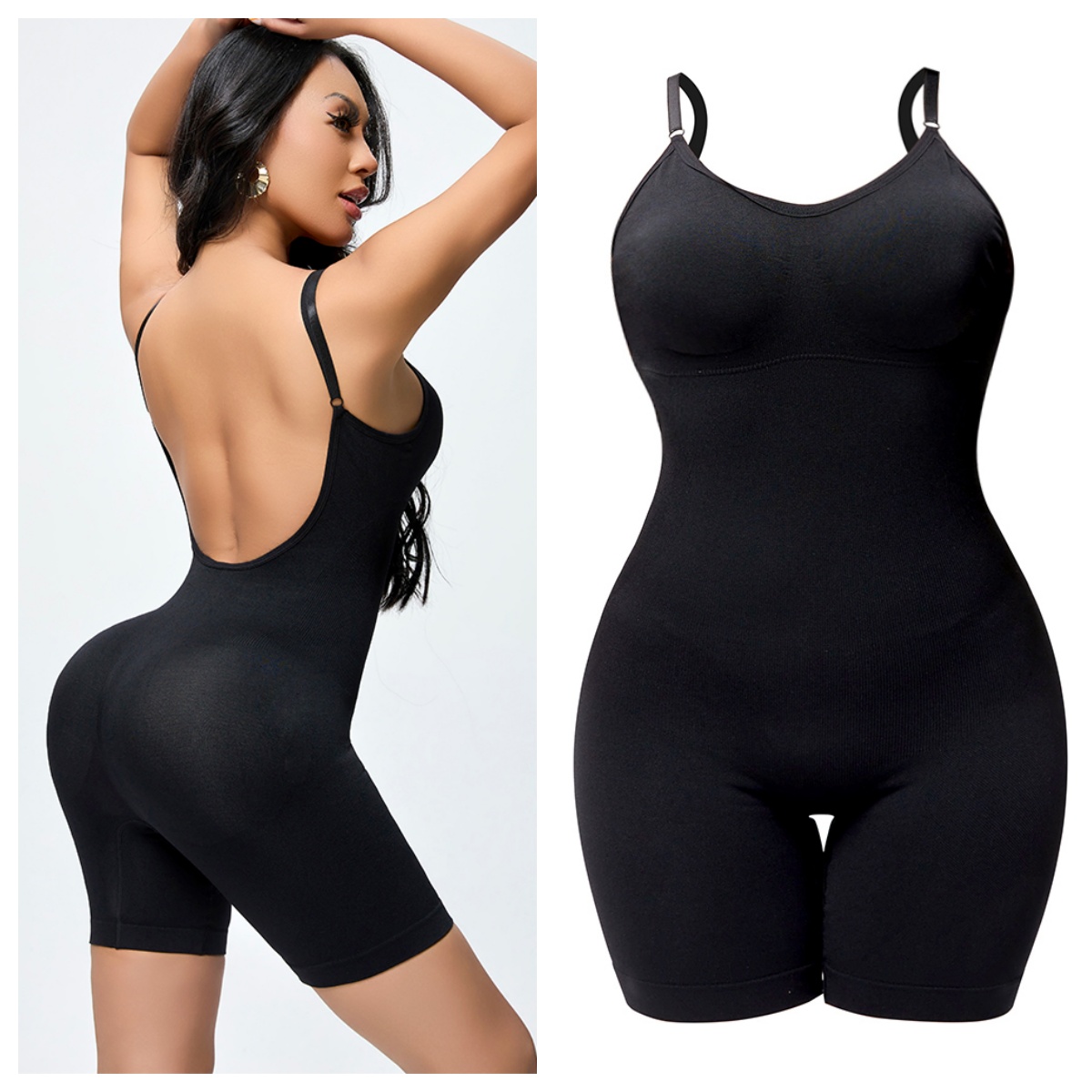
● Full body shapers
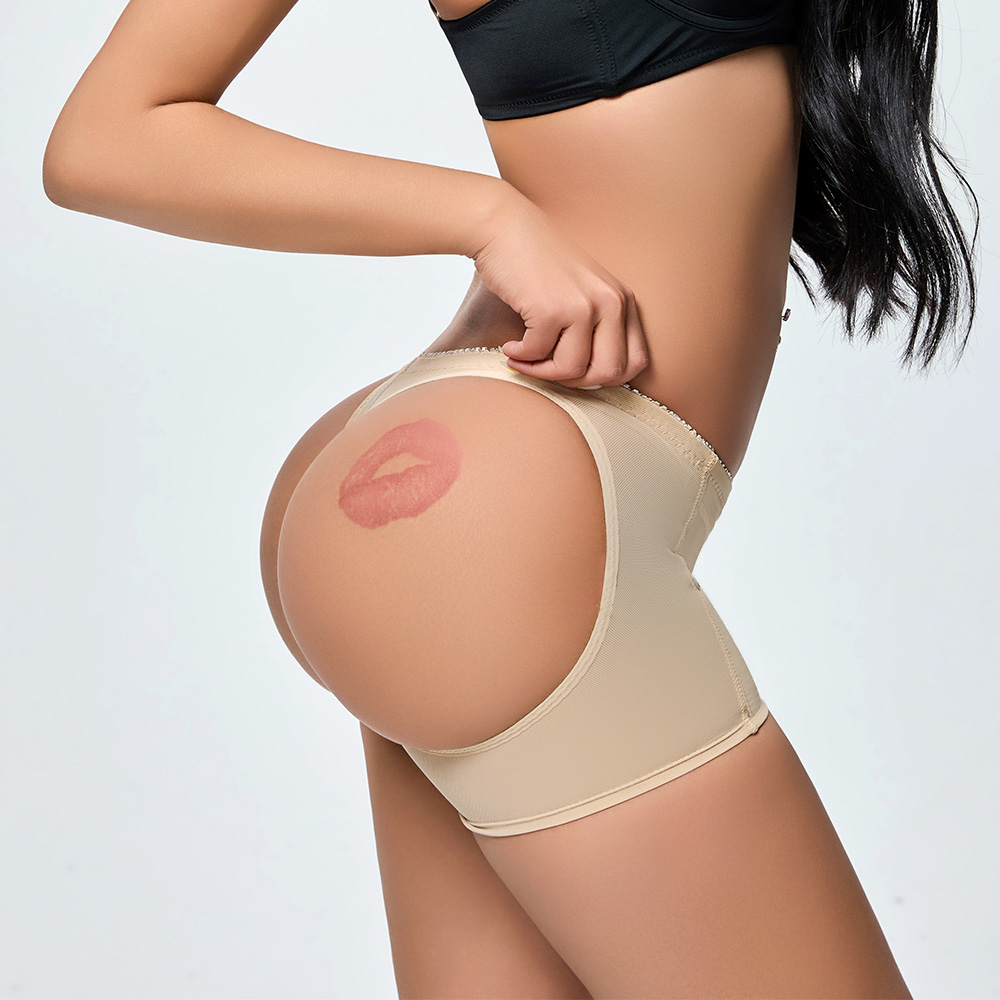
● Butt-lifting shapewear
● Seamless shaping garments
Unlike traditional undergarments, shapewear focuses on:
● Sculpting body lines
● Enhancing curves
● Improving outfit fit
● Boosting confidence
This shift from “basic necessity” to “functional fashion” is a key driver behind its rapid growth.
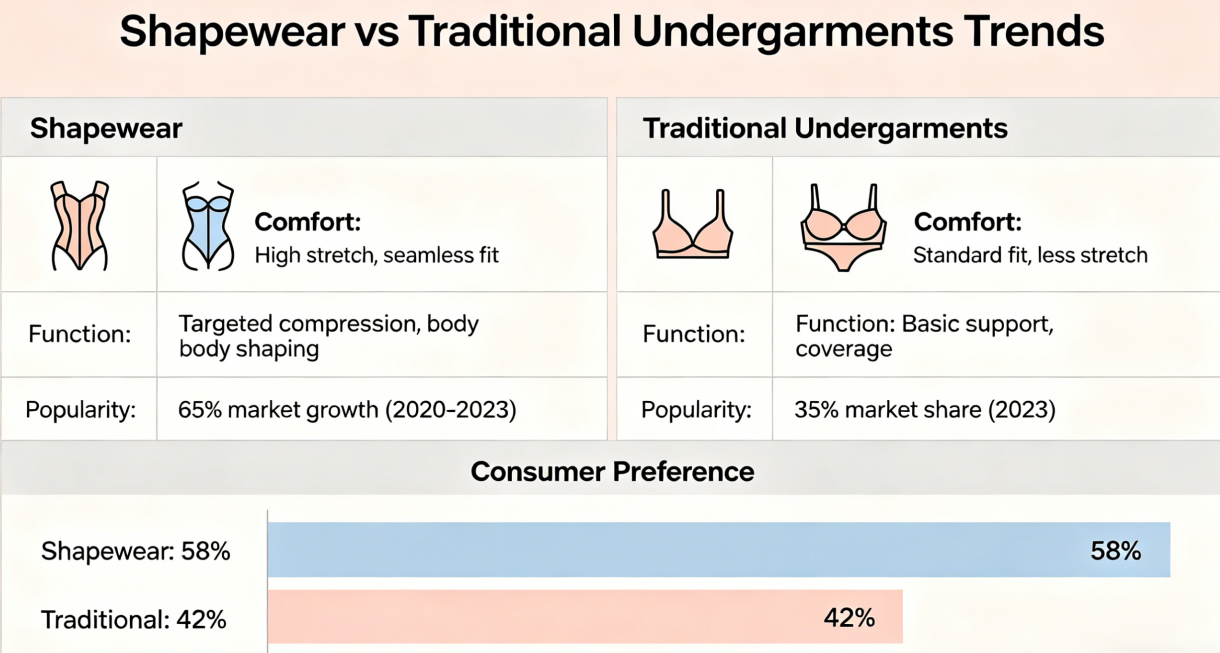
3.Key Differences Between Shapewear and Traditional Undergarments
1.Functionality
● Traditional Undergarments: Basic support and coverage
● Shapewear: Body shaping, contouring, and enhancement
👉 Trend Insight: Consumers are increasingly choosing products that improve appearance, not just provide comfort.
2.Consumer Perception
● Traditional underwear is seen as a daily necessity
● Shapewear is viewed as a confidence-enhancing product
👉 This perception allows shapewear to command higher price points and stronger brand positioning.
3. Price & Profit Margin
● Traditional undergarments: Low to mid margins, high competition
● Shapewear: Medium to high margins, strong differentiation
👉 For B2B buyers, shapewear offers better profitability and upselling opportunities.
4. Product Innovation
Shapewear continues to evolve with:
● Advanced fabrics
● Seamless technology
● Targeted compression zones
● Hybrid designs (comfort + shaping)
Traditional underwear, in comparison, sees slower innovation cycles.
4.Global Market Trends
1.Rising Demand for Body Enhancement
Across North America, South America, Southeast Asia, and the Middle East, consumers are increasingly seeking products that help them achieve a more defined silhouette.
Shapewear aligns perfectly with this demand by offering instant, non-invasive transformation.
2.E-commerce Driving Shapewear Growth
Shapewear performs exceptionally well on:
● Online marketplaces
● Social media platforms
● Direct-to-consumer websites
Visual content and before/after demonstrations significantly boost conversions.
3. Expansion into Mainstream Retail
Shapewear is no longer limited to niche stores. It is now widely found in:
● Supermarkets
● Chain retail stores
● Lifestyle concept shops
● Apparel sections
👉 This creates strong opportunities for large-scale buyers and distributors.
5.How to Balance Both Categories in Your Product Line
While shapewear is growing rapidly, traditional undergarments still play a foundational role.
A balanced strategy could include:
● Core products: Basic underwear for stable sales
● Growth products: Shapewear for higher margins and trend alignment
● Premium line: Advanced shaping solutions
👉 This approach helps buyers maximize both volume and profitability
6.Why Buyers Are Shifting Toward Shapewear
For B2B customers, the shift is driven by several commercial advantages:
✔ Higher Profit Margins
Shapewear products often carry better margins due to perceived value.
✔ Stronger Product Differentiation
More design variations and functional features reduce price competition.
✔ Better Marketing Potential
Visual transformation makes it easier to promote across digital channels.
✔ Cross-Selling Opportunities
Shapewear can be bundled with apparel, lingerie, and accessories.
Conclusion
The shift from traditional undergarments to shapewear reflects a broader change in consumer expectations—from basic functionality to enhanced appearance and confidence.

 EN
EN