Introduction
Shapewear is no longer a niche product—it’s a fast-growing category across retail, e-commerce, and wholesale distribution. If you’re a buyer, distributor, or private label brand exploring this segment, understanding the basics is essential before making sourcing or merchandising decisions.
This guide breaks down everything you need to know about shapewear—from definition and types to materials, market demand, and buying considerations.
1.What Is Shapewear?
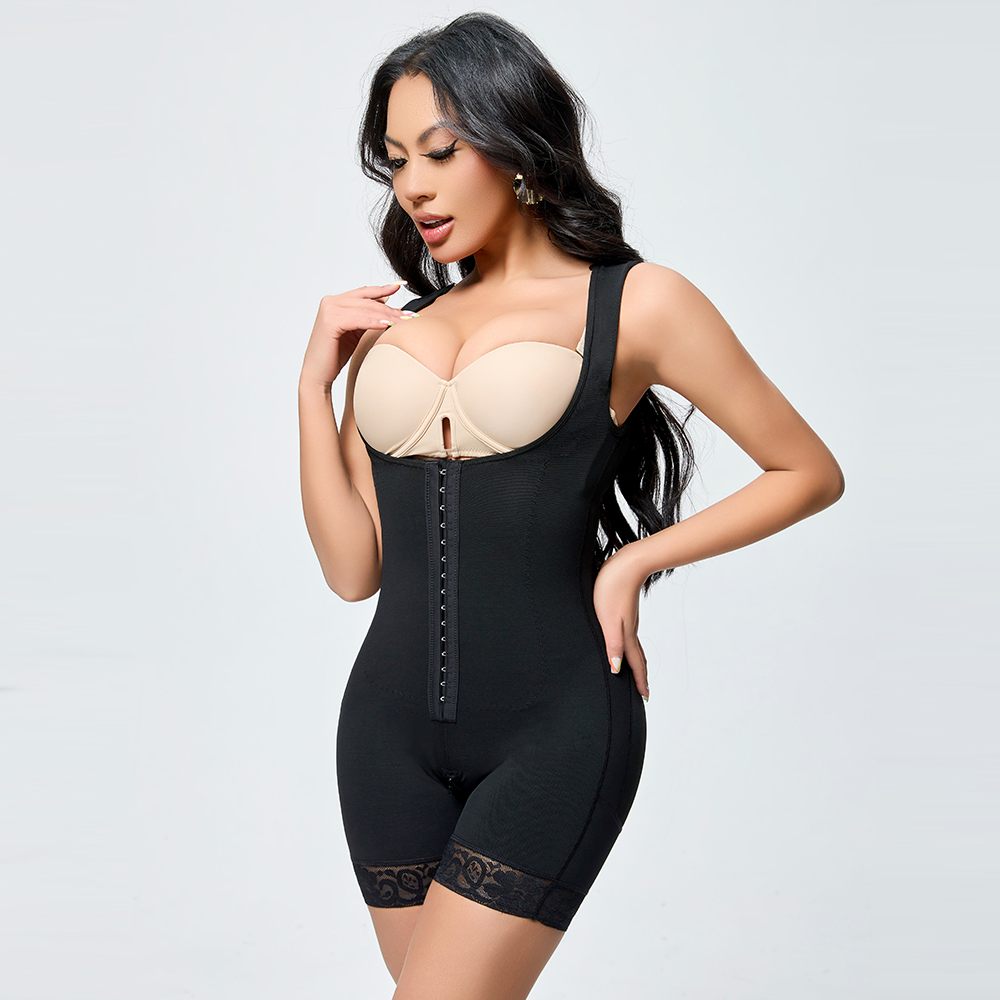
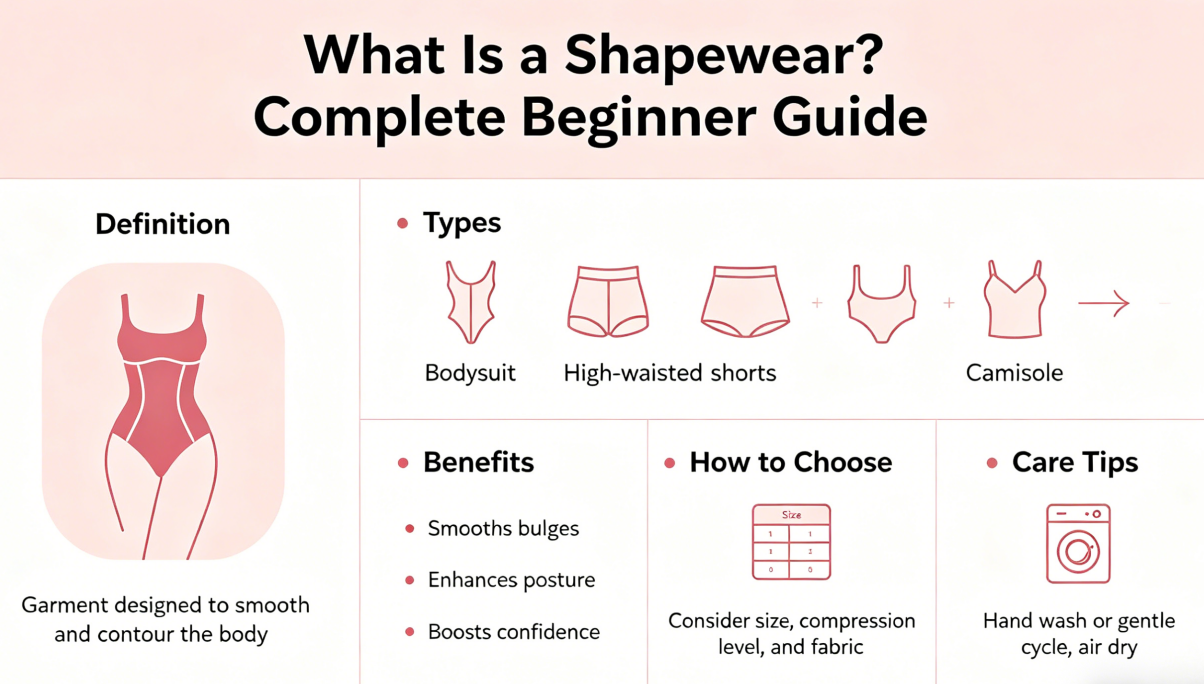
Shapewear refers to compression garments designed to shape, smooth, and support the body’s natural silhouette. Unlike traditional underwear, shapewear applies targeted pressure to specific areas such as:
● Waist
● Abdomen
● Hips
● Thighs
● Bust
The goal is not to change body structure permanently, but to enhance appearance under clothing and improve confidence.
For B2B buyers, shapewear sits at the intersection of:
● Functional apparel
● Intimate wear
● Lifestyle products
This makes it highly versatile across multiple sales channels.
2. Why Is Shapewear So Popular?
The global demand for shapewear has grown rapidly due to several factors:
✔ Rising Body Awareness
Consumers are more conscious of how clothing fits and looks.
✔ Social Media Influence
Platforms like TikTok and Instagram drive demand for “instant shaping” solutions.
✔ Everyday Use (Not Just Special Occasions)
Modern shapewear is designed for daily wear, not just events.
✔ Expansion into New Markets
Growth is especially strong in:
● North America
● Latin America
● Middle East
● Southeast Asia
For distributors, this means consistent demand and repeat purchases.
3. Main Types of Shapewear
Understanding product categories is key for building a strong product line.
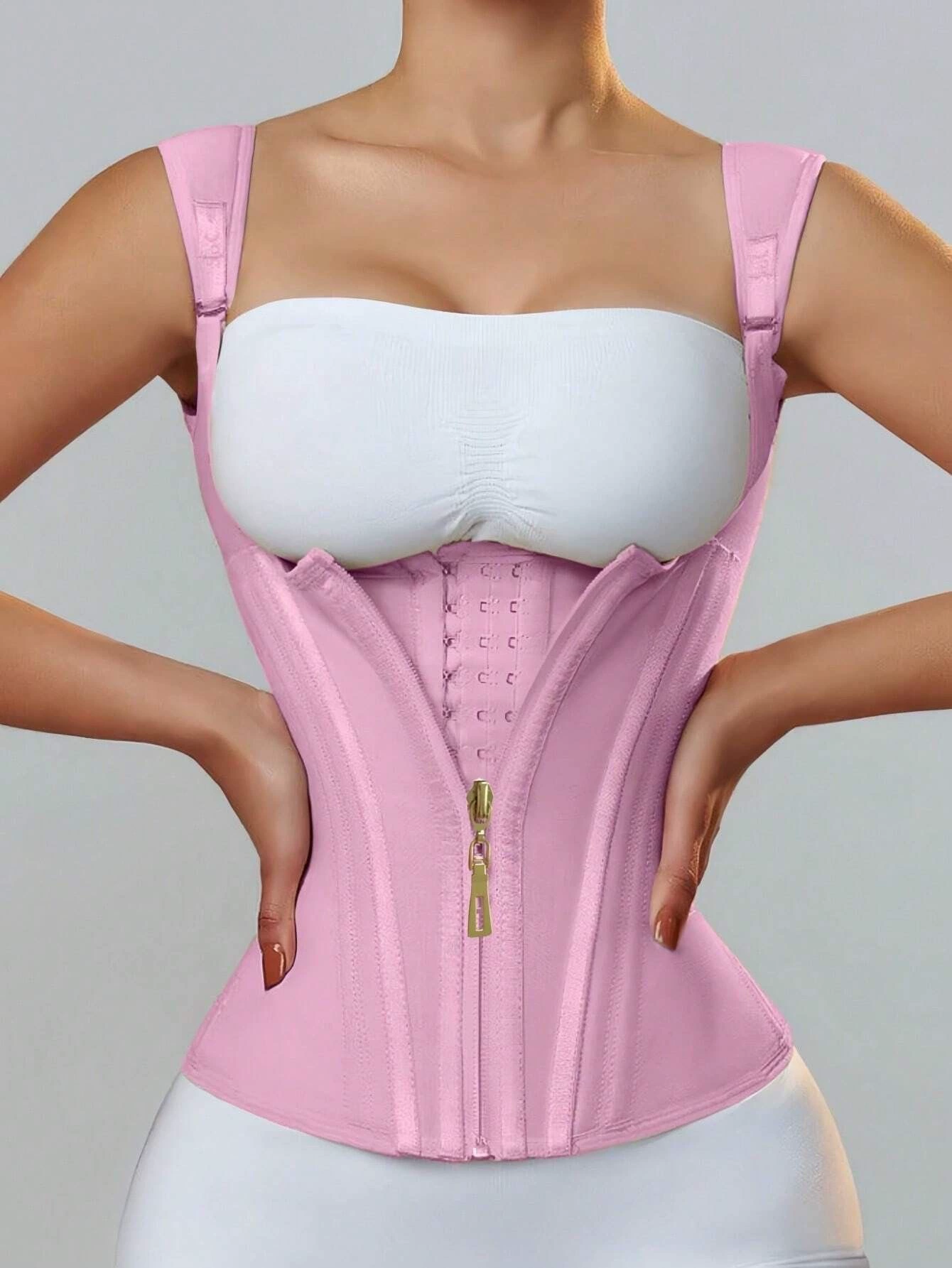
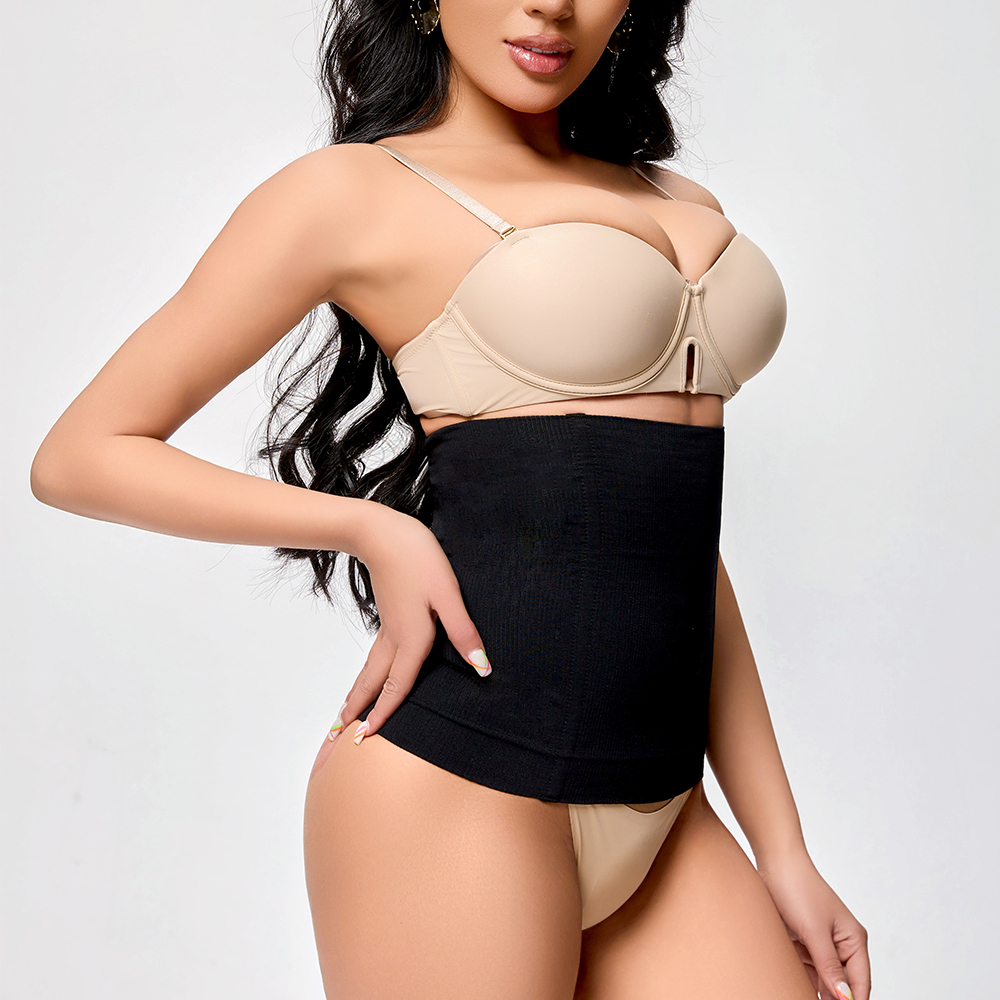
3.1 Waist Trainers
● Focus on waist slimming
● High compression
● Popular in fitness and fashion markets
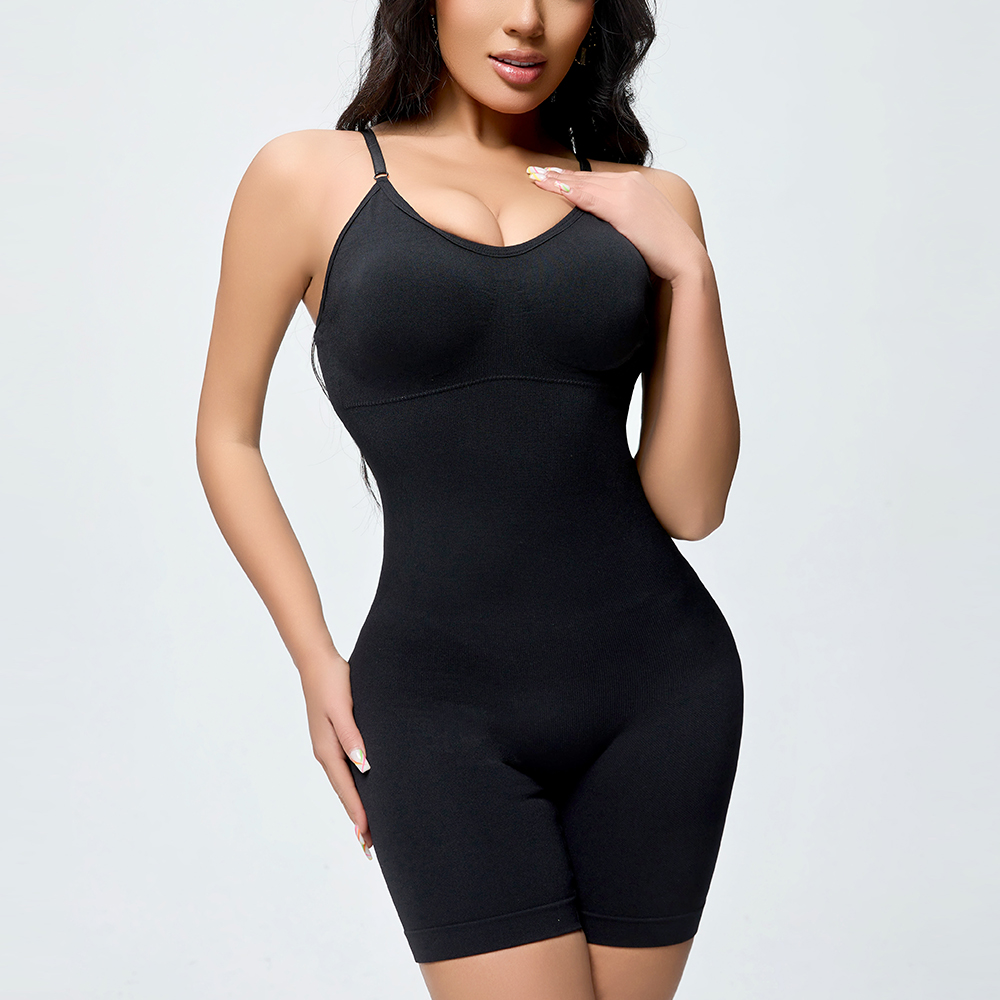
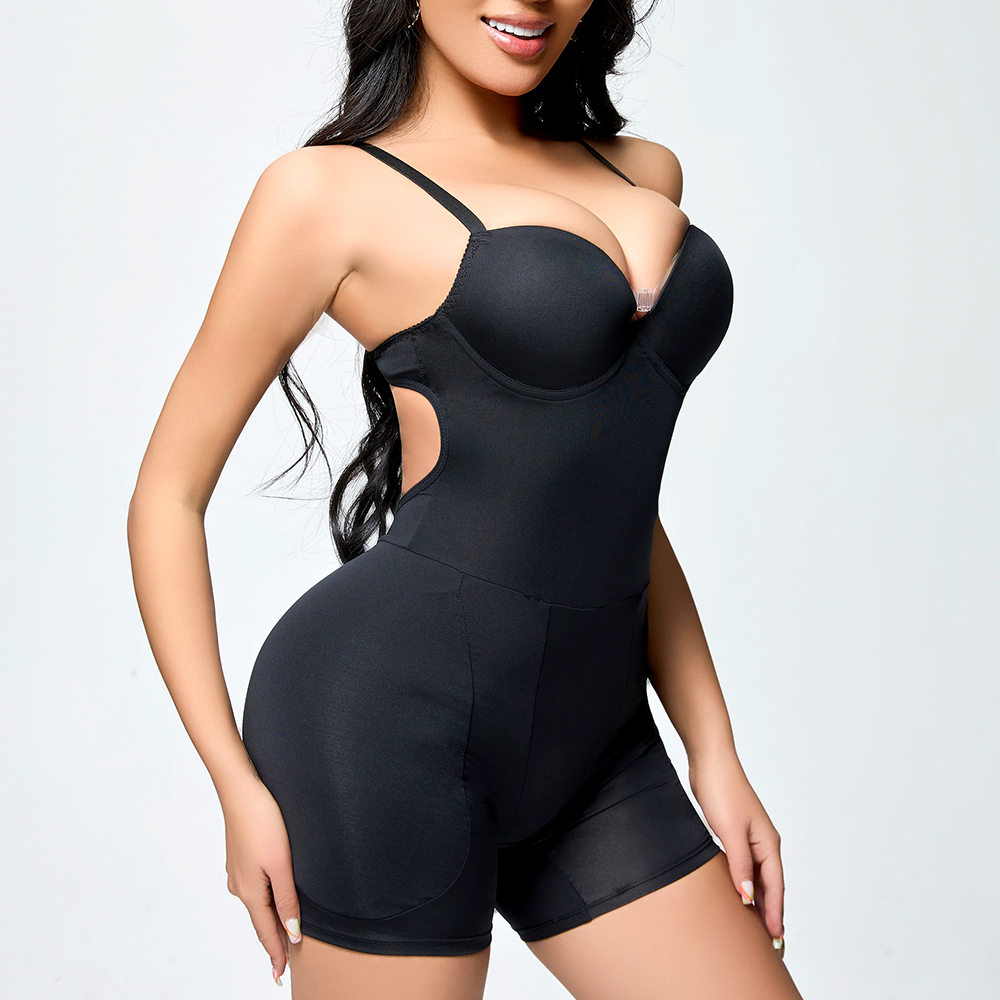
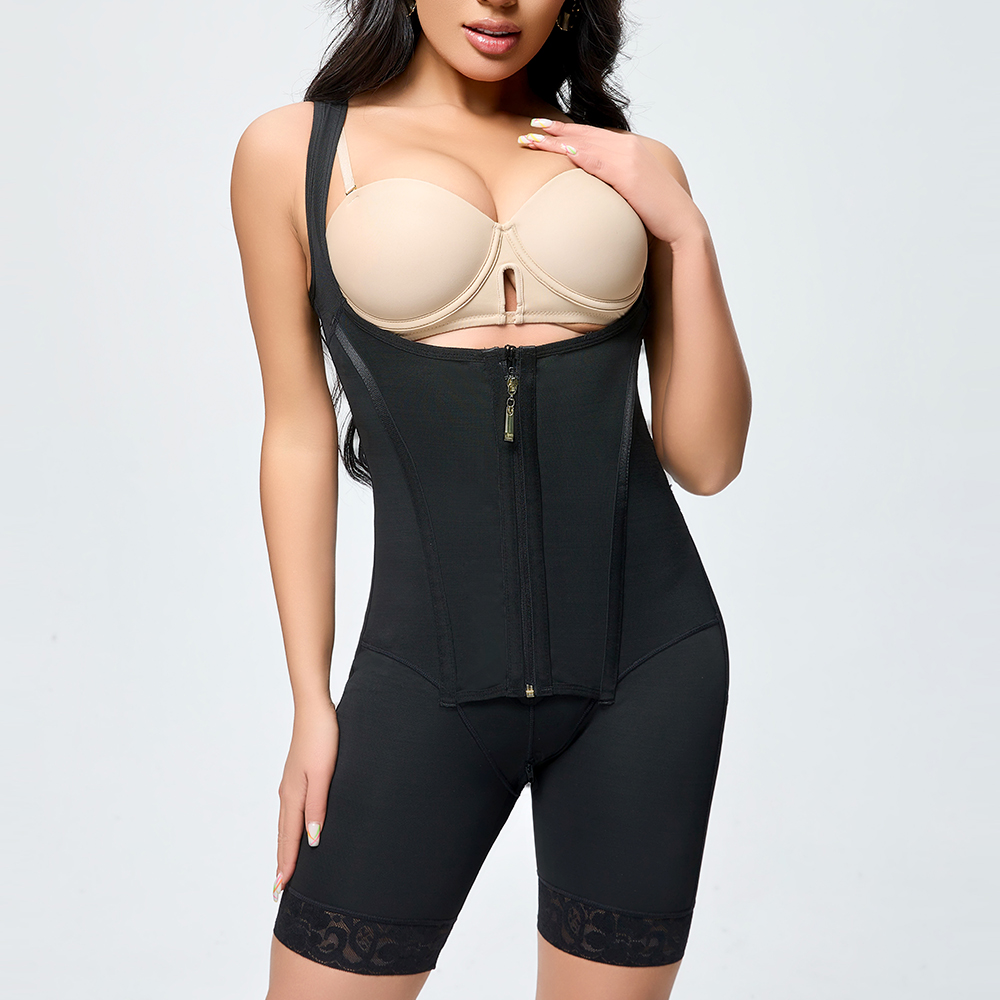
3.2 Bodysuits
● Full-body shaping
● Smooths torso and back
● Ideal for dresses and formal wear
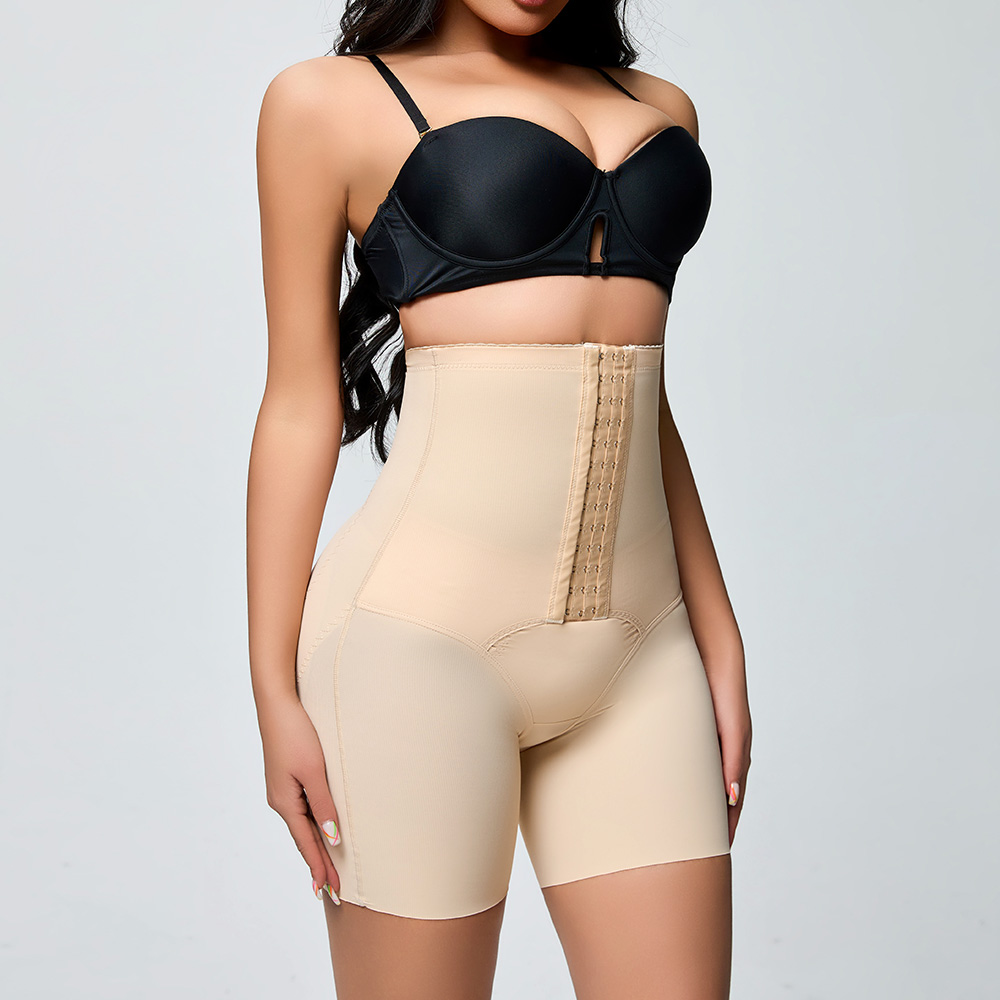
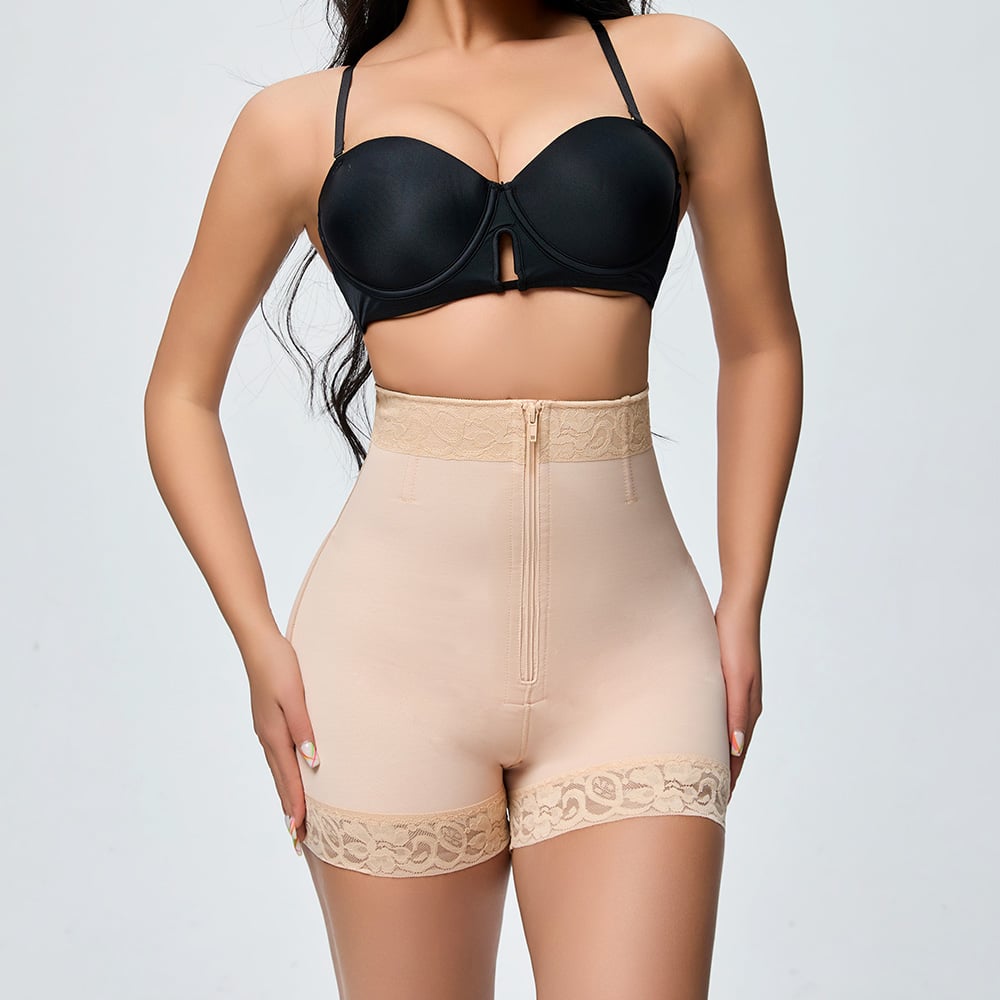
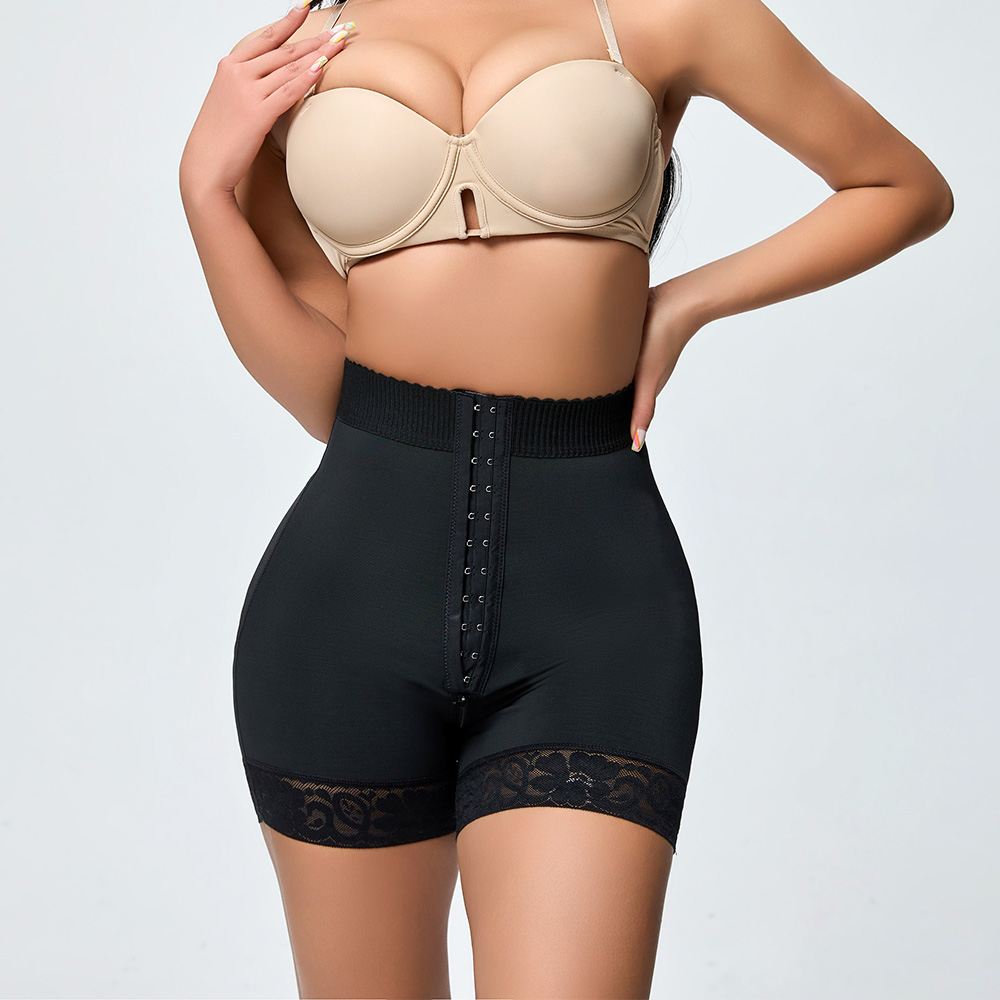
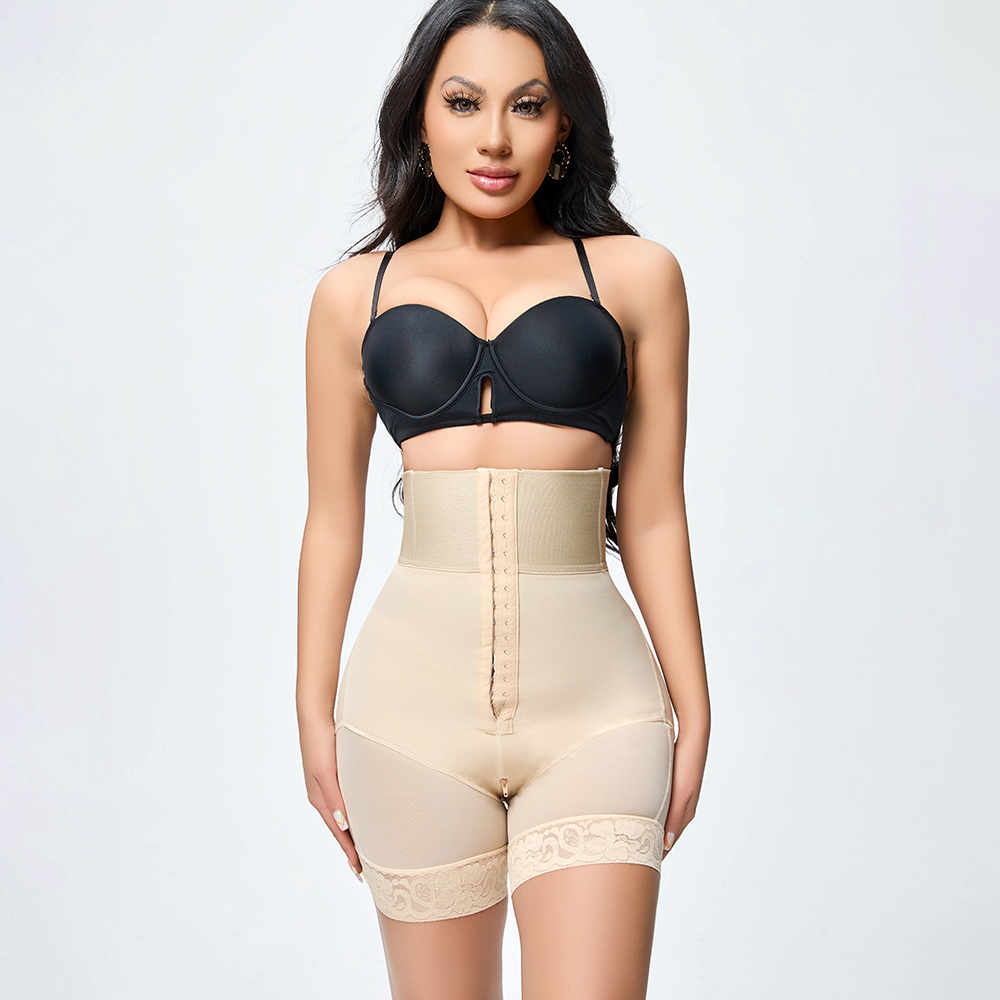
3.3 Shaping Shorts
● Targets thighs and hips
● Prevents chafing
● High everyday demand
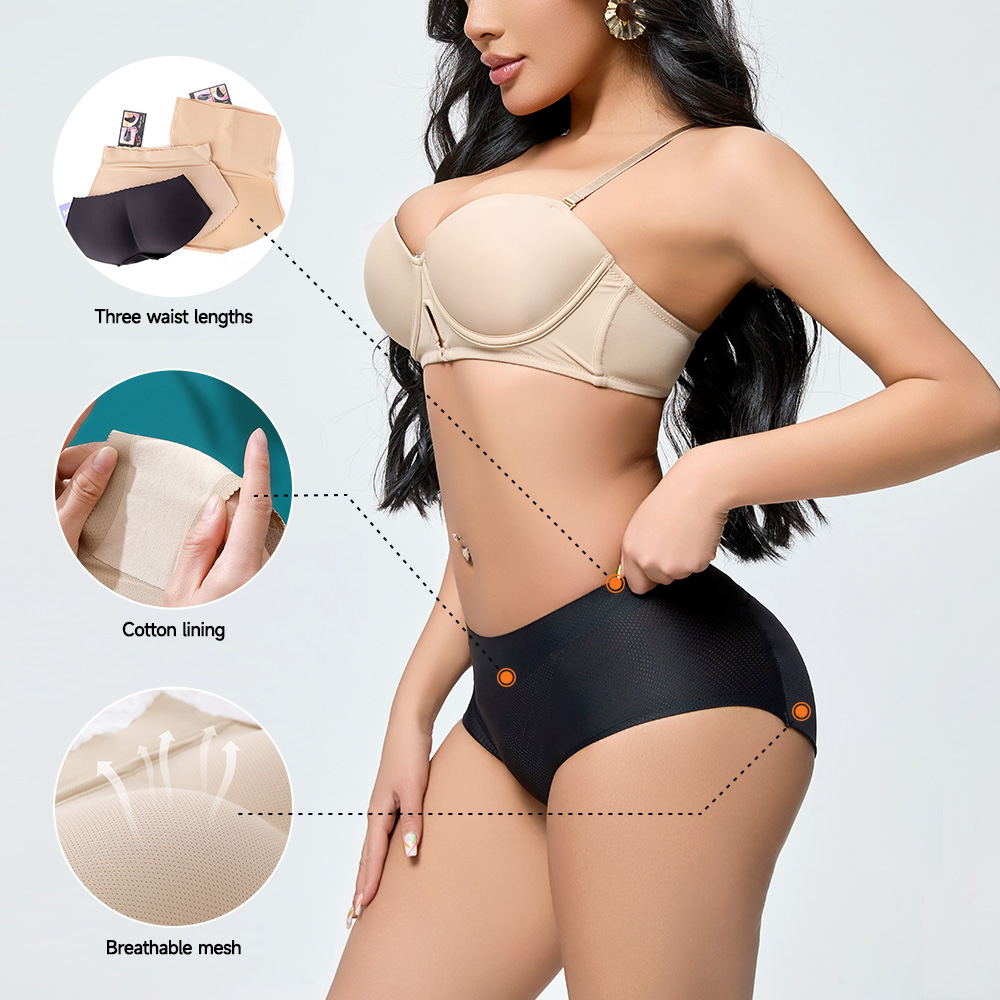
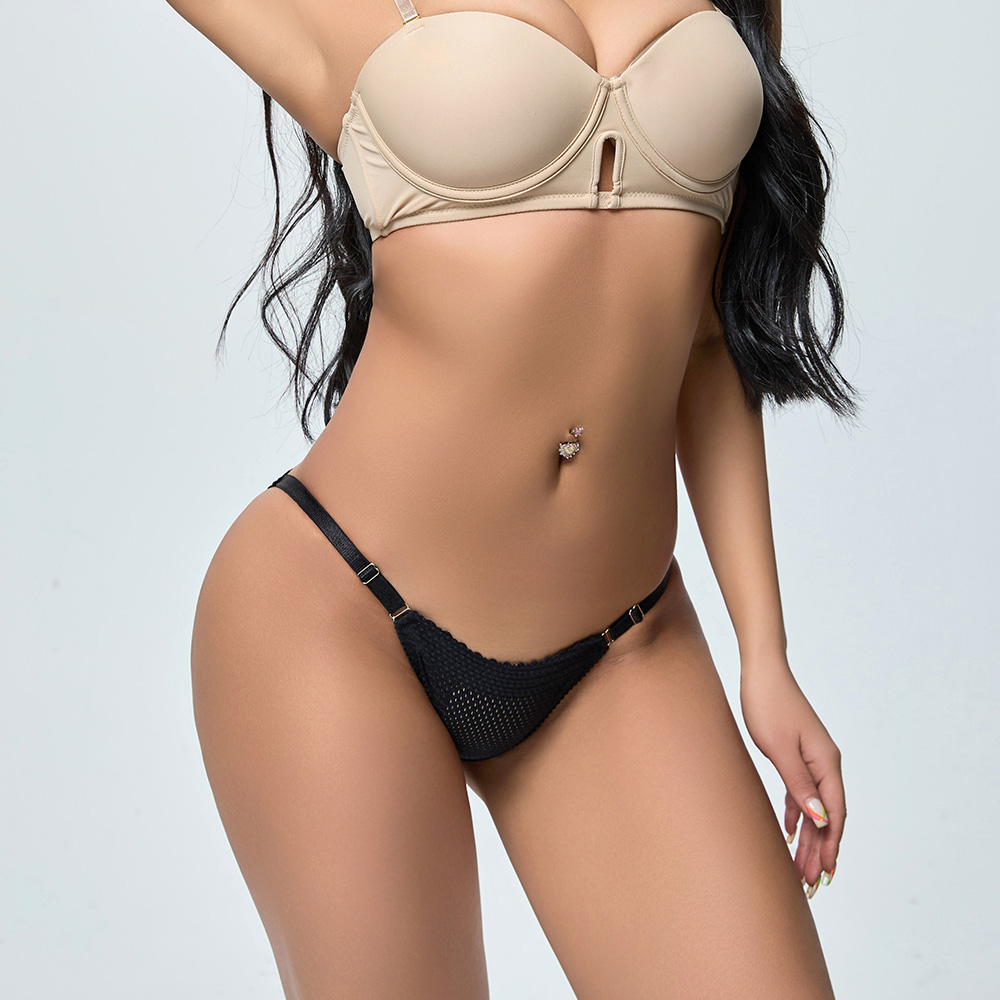
3.4 Shaping Panties
● Light to medium compression
● Entry-level product for new customers
3.5 Postpartum Shapewear
● Designed for recovery after childbirth
● Growing niche in healthcare and retail
4. Key Materials Used in Shapewear
Material selection directly impacts quality, comfort, and return rates.
Common Fabrics:
● Nylon (Polyamide): Smooth, lightweight, durable
● Spandex (Elastane): Provides stretch and compression
● Polyester Blends: Cost-effective and widely used
What Buyers Should Look For:
● High elasticity recovery
● Breathability
● Skin-friendly properties
● Long-term durability
5. Compression Levels Explained
Shapewear typically comes in three compression levels:
Light Compression
● Smoothing effect
● Maximum comfort
● Ideal for daily wear
Medium Compression
● Noticeable shaping
● Balanced comfort and control
High Compression
● Strong shaping effect
● Best for special occasions or targeted slimming
For wholesalers, offering multiple compression levels helps cover different customer segments.
6. Who Buys Shapewear?
Understanding the end consumer helps B2B buyers choose the right products.
Key Customer Groups:
● Women aged 20–50
● Postpartum mothers
● Office professionals
● Fitness-conscious consumers
Purchase Motivations:
● Improve outfit appearance
● Boost confidence
● Post-surgery or postpartum support
Conclusion
Shapewear has evolved from a niche undergarment into a mainstream, high-demand product category across global markets. For B2B buyers, distributors, and private label brands, it offers a strong combination of steady demand, repeat purchases, and flexible positioning across multiple sales channels.

 EN
EN