For large retailers, supermarkets, and chain stores, bulk purchasing is more than just buying in volume — it’s a strategic decision that directly impacts profit margins, inventory turnover, and customer satisfaction. In the shapewear industry, where trends, sizing, and comfort expectations evolve rapidly, making the right bulk purchasing decisions can significantly improve competitiveness and reduce operational risks.
Before placing a bulk order, retailers must clearly define their target audience. Consider factors such as body types, cultural preferences, climate conditions, and purchasing power across your key markets (North America, South America, Southeast Asia, Middle East, etc.).
For example:
▪️ North America prefers comfort + medium compression
▪️ Latin America leans toward high compression + curve enhancement
▪️ Middle East markets favor modest, full-coverage designs
▪️ Aligning your product selection with regional demand ensures faster inventory turnover and fewer unsold units.
Avoid over-investing in a single SKU. Instead, build a balanced product portfolio:
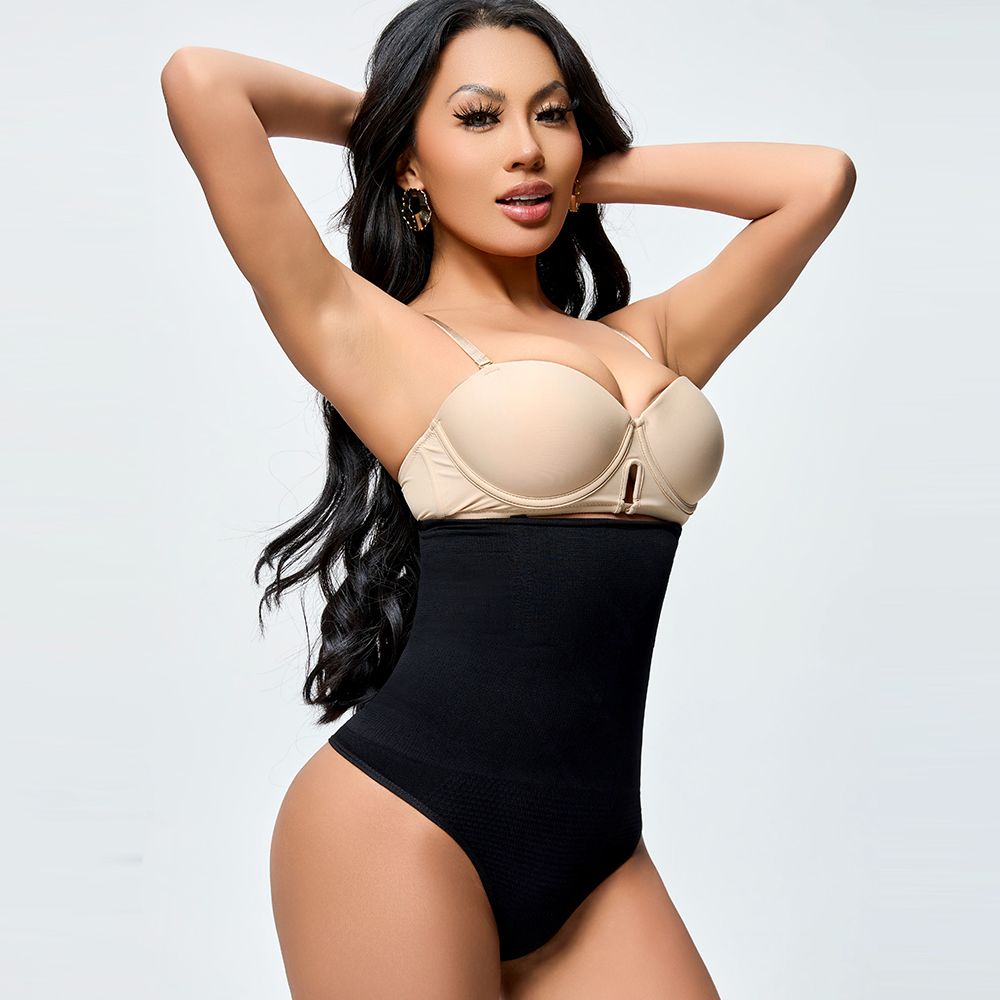
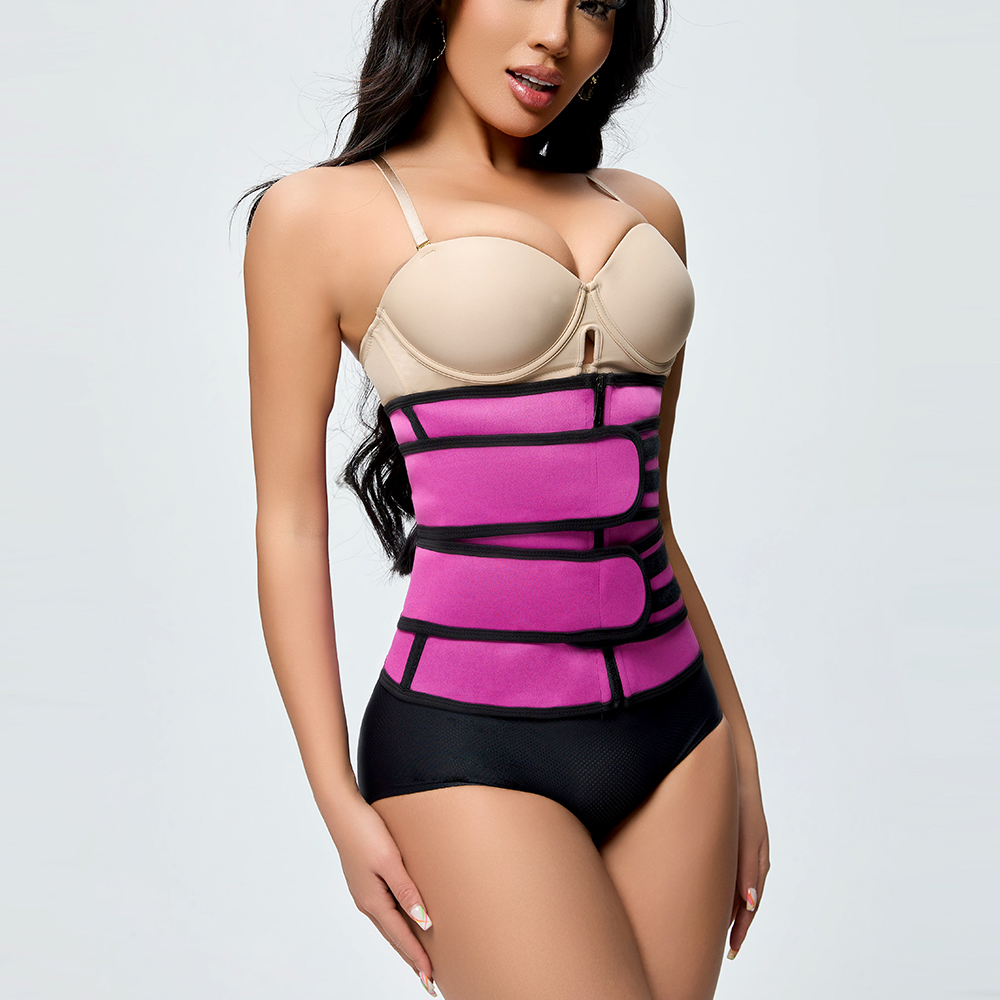
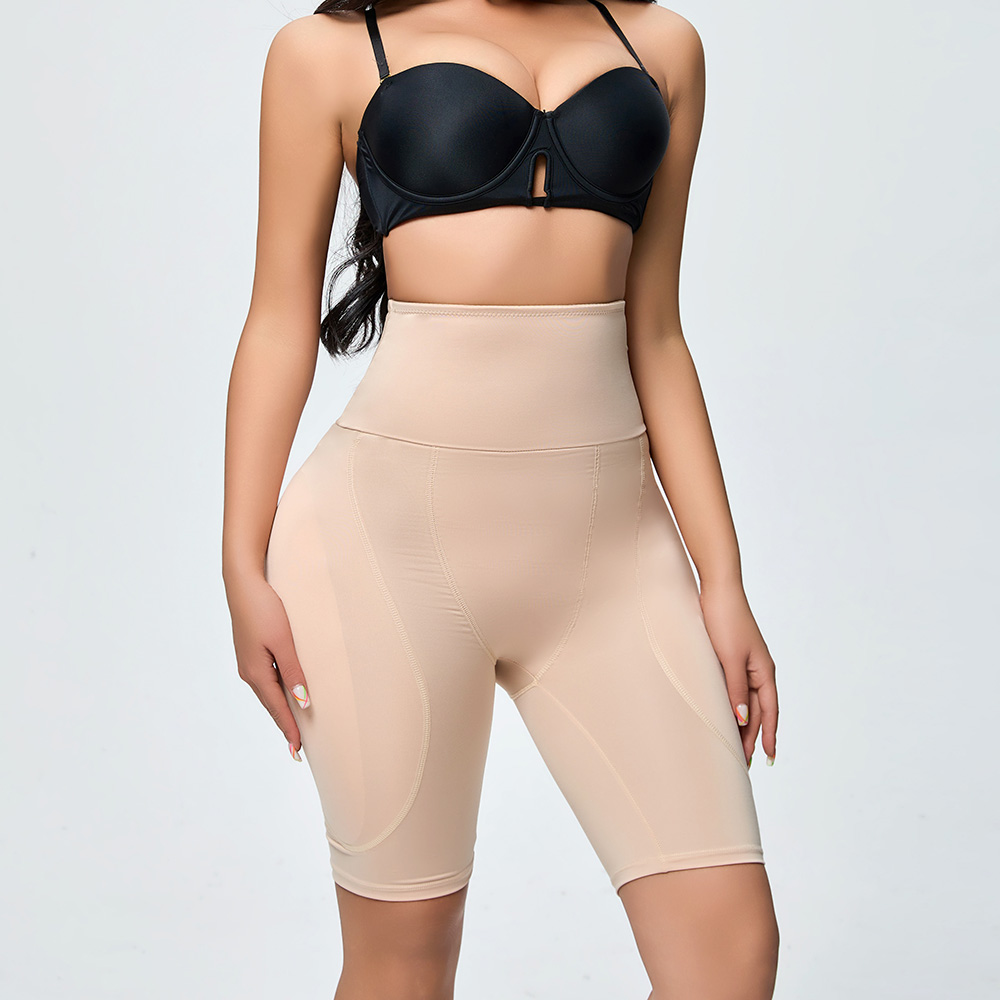
▪️ High-waist shapewear (core bestseller)
▪️ Seamless everyday shapewear
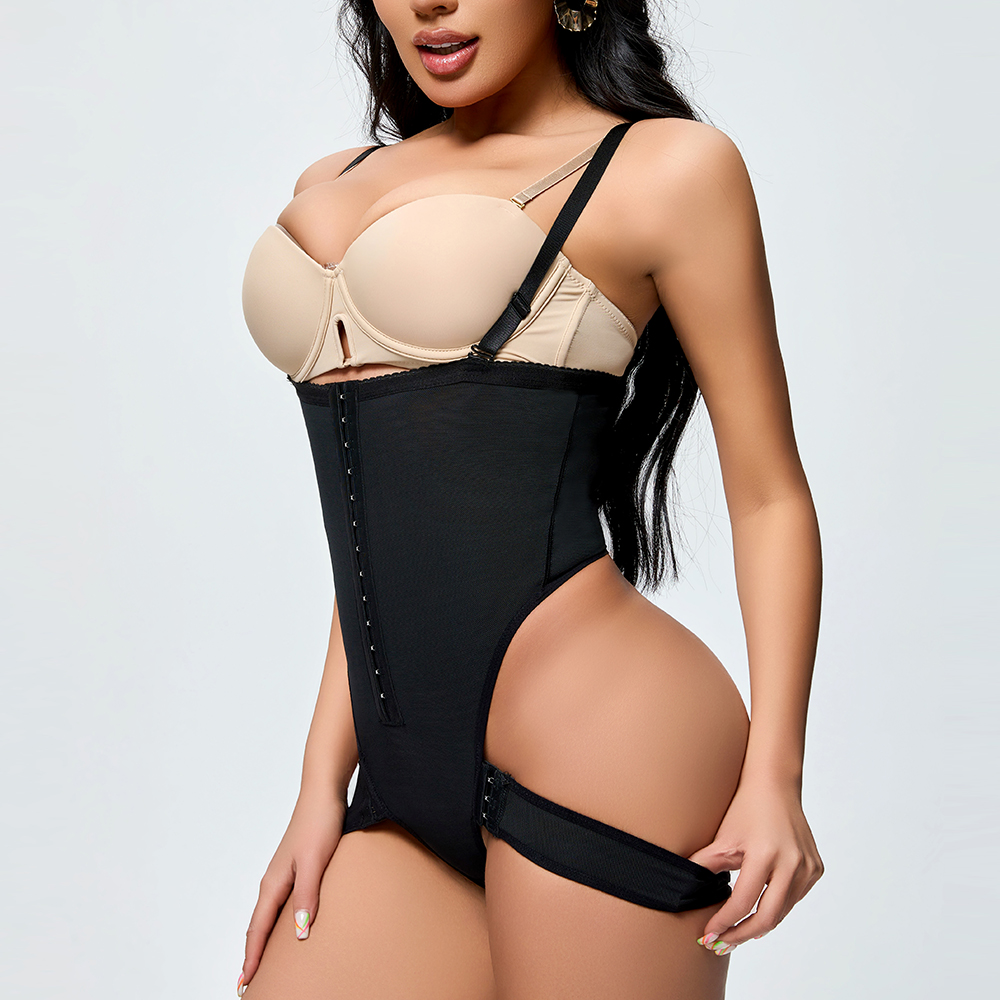
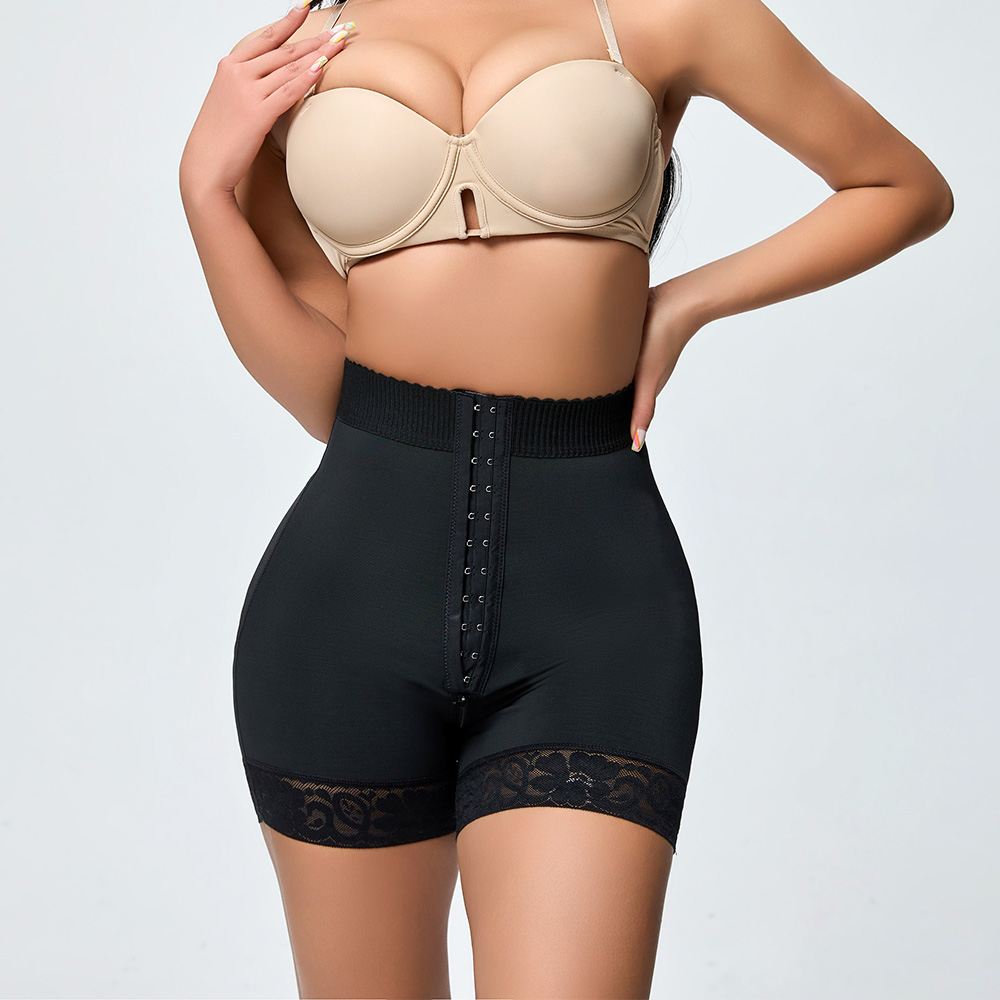
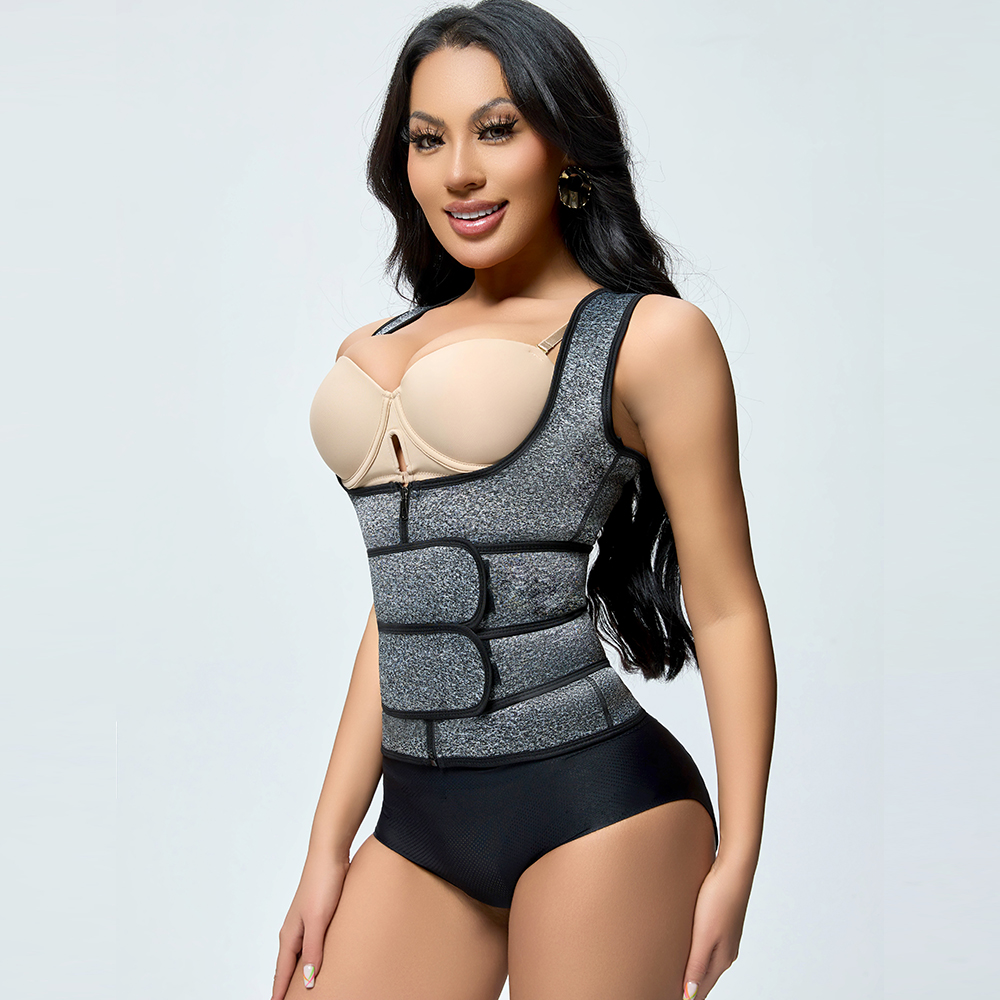
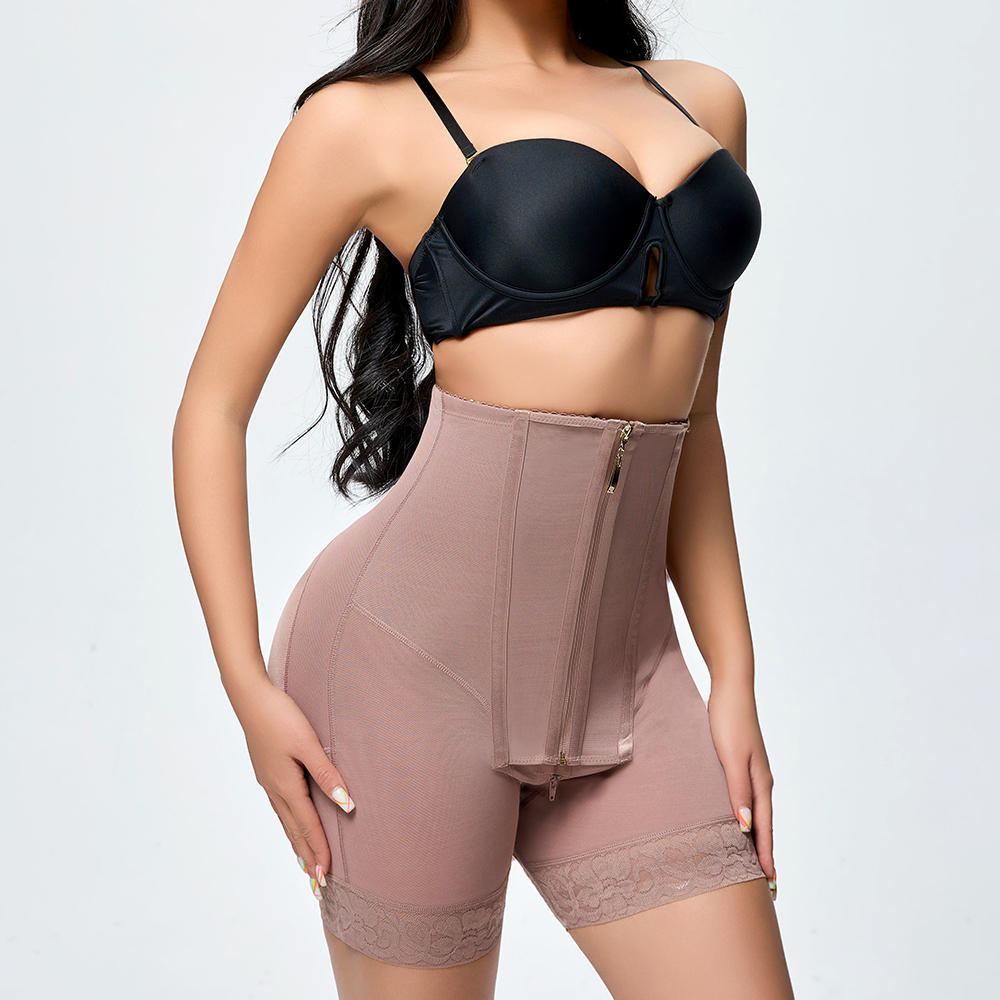
▪️ Zipper or hook control shapewear
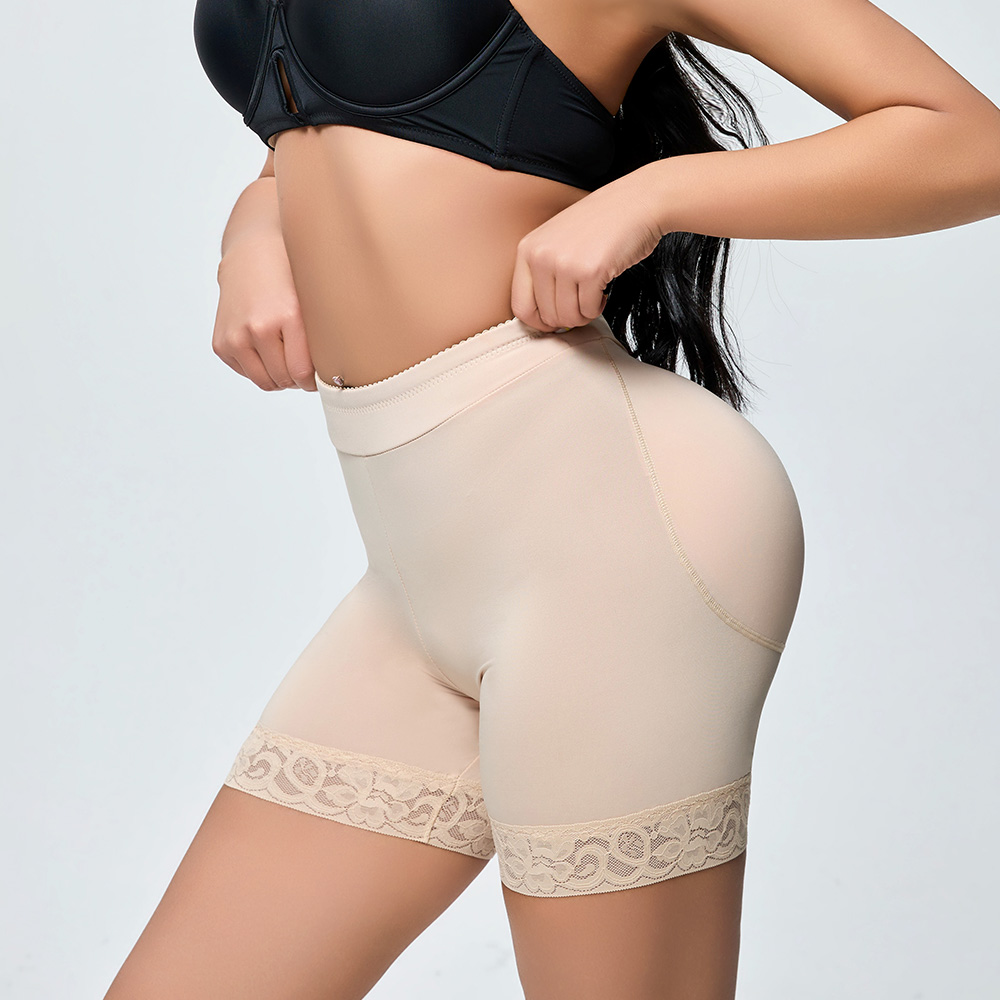
▪️ Lace or premium aesthetic designs
A diversified mix reduces risk and increases cross-selling opportunities in retail environments.
Not all manufacturers are equal. When sourcing shapewear in bulk, prioritize suppliers that offer:
▪️ Stable production capacity
▪️ Consistent quality across batches
▪️ Clear communication and fast response
▪️ Experience with international retail clients
Request samples and test them thoroughly before committing to large orders.
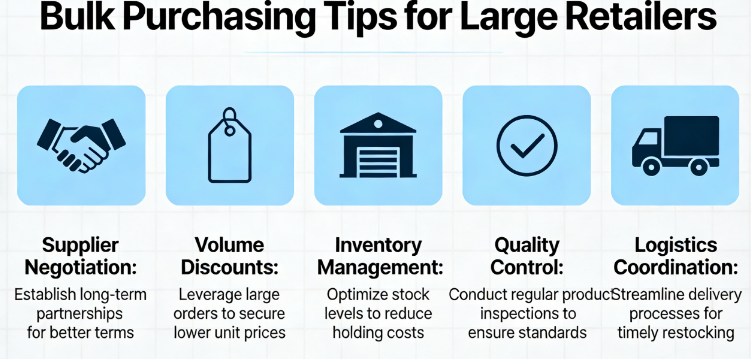
Large retailers cannot afford inconsistent products. Even minor differences in sizing, stitching, or fabric elasticity can lead to returns and brand damage.
Best practices include:
▪️ Pre-production samples approval
▪️ Random inspection before shipment
▪️ Fabric stretch and durability testing
▪️ Size grading consistency checks
Consistency builds trust with both distributors and end consumers.
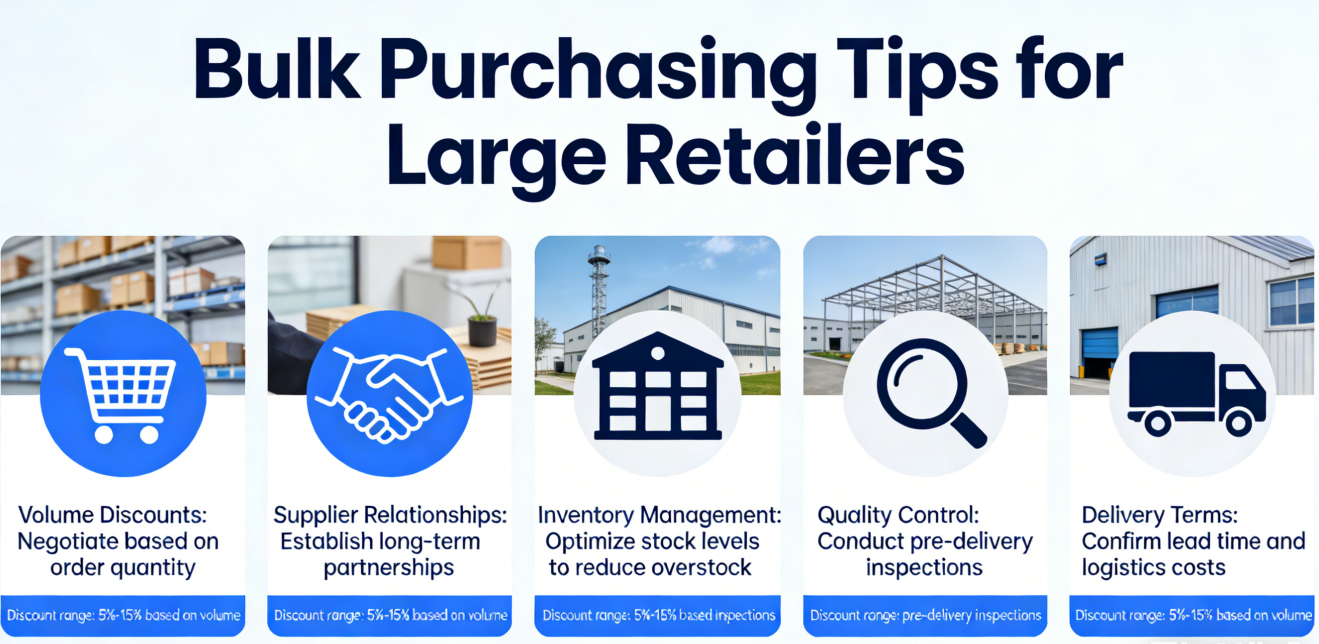
Understanding Minimum Order Quantity (MOQ) is key to cost efficiency. Larger orders typically mean lower unit costs, but overstocking can hurt cash flow.
Tips:
▪️ Negotiate tiered pricing (e.g., 1,000 / 3,000 / 5,000 units)
▪️ Balance volume discounts with realistic sales forecasts
▪️ Avoid overcommitting on new or untested products
Smart MOQ planning ensures healthy margins without excess inventory risk.
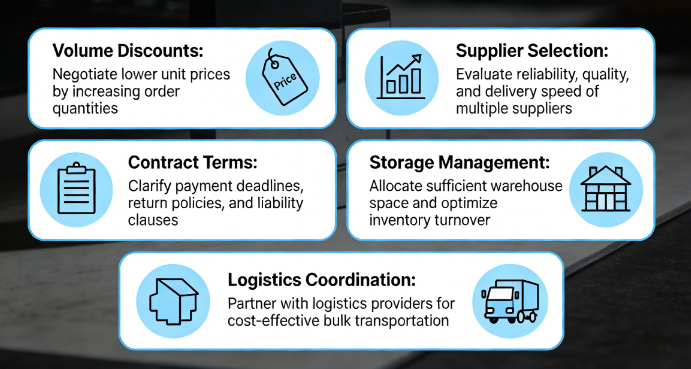
Bulk purchasing requires strong logistics coordination. Delays can disrupt retail supply chains and lead to lost sales opportunities.
Key considerations:
▪️ Lead time (production + shipping)
▪️ Seasonal demand planning
▪️ Warehouse capacity
▪️ Customs clearance and import regulations
Work with suppliers who can provide reliable timelines and flexible shipping solutions.
Bulk purchasing is a powerful tool for large retailers, but it requires careful planning, supplier selection, and market understanding. By focusing on quality, product mix, logistics, and long-term partnerships, retailers can maximize profitability while minimizing risks.
In the competitive shapewear market, those who master bulk purchasing strategies will gain a clear advantage in both retail performance and brand growth.

 EN
EN