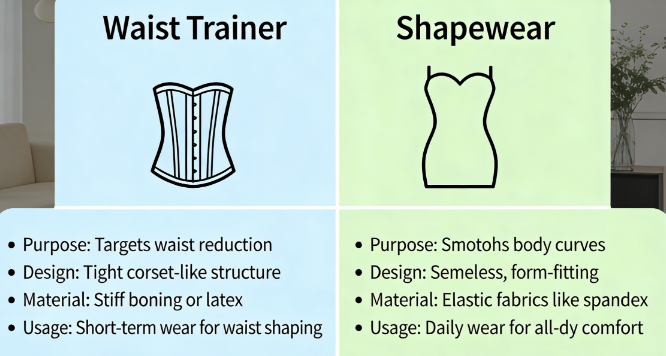
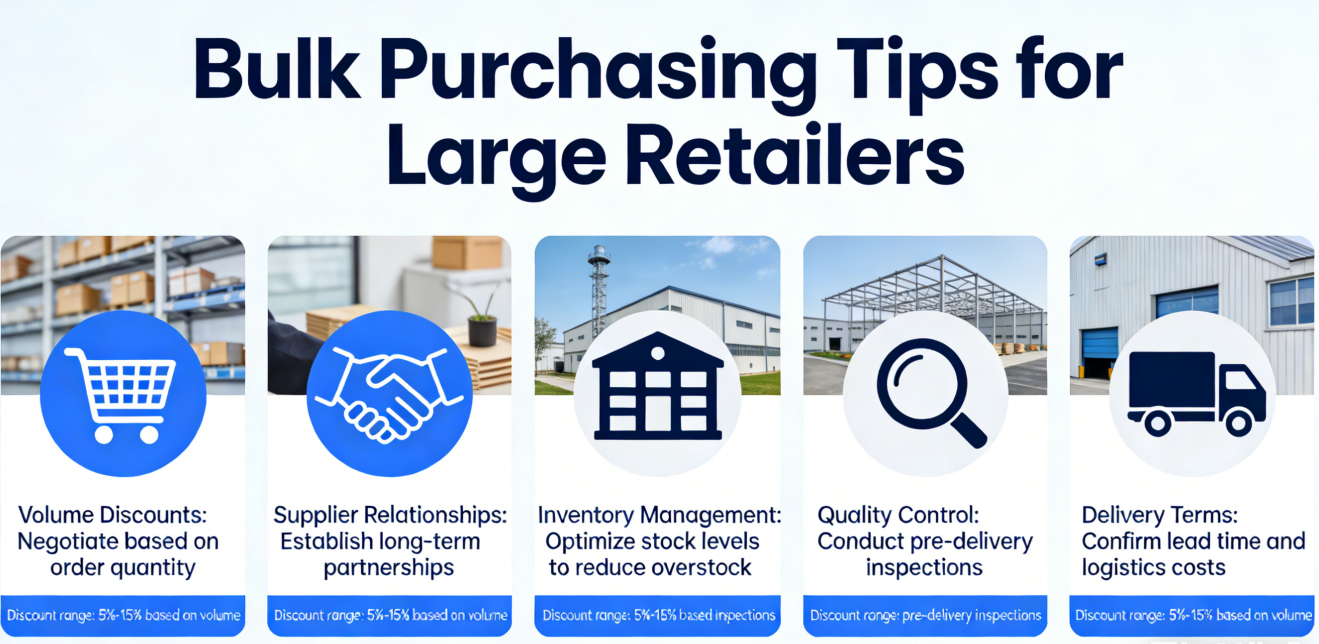
When importing shapewear for wholesale distribution, retail chains, or private label businesses, certifications are not just optional—they are essential. Whether you are supplying supermarkets, e-commerce brands, or gift distributors, product compliance directly impacts your ability to enter markets like North America, Europe, the Middle East, and Southeast Asia.
Certifications ensure that shapewear products meet safety, quality, and regulatory standards. They also reduce the risk of customs delays, product recalls, and legal issues, while building trust with your buyers and end customers.
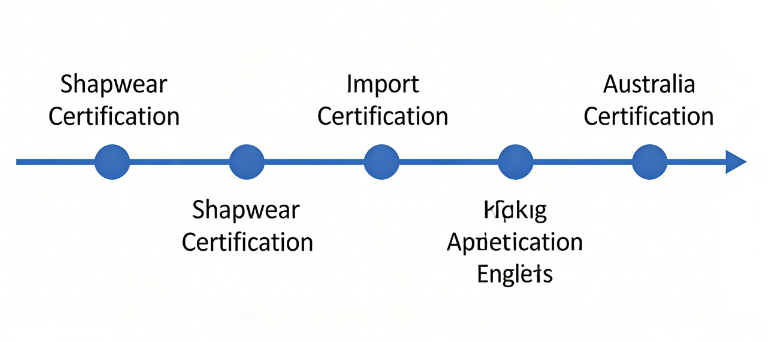
In this guide, we’ll break down the most important certifications required for shapewear import and how to choose the right ones based on your target market.
Keyword: Fabric Safety Certification
OEKO-TEX® Standard 100 is one of the most recognized certifications in the textile industry. It ensures that the fabric used in shapewear is free from harmful substances.
Why it matters:
▪️ Required by many retailers in Europe and North America
▪️ Ensures skin-safe materials for intimate wear
▪️ Increases product credibility and premium positioning
Best for:
▪️ Lingerie retailers
▪️ E-commerce brands
▪️ Supermarket private labels
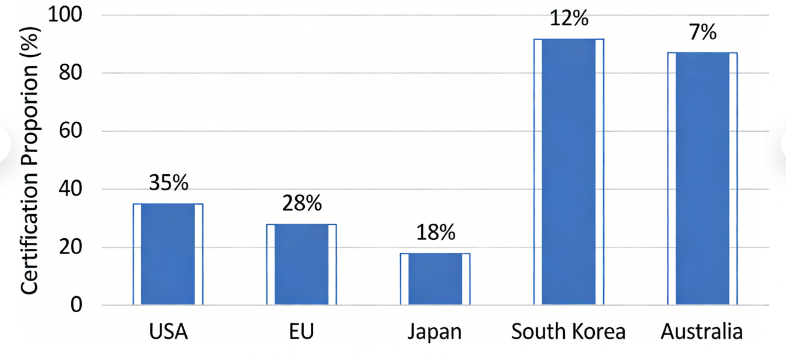
Keyword: EU Chemical Compliance
REACH (Registration, Evaluation, Authorization, and Restriction of Chemicals) is mandatory for products entering the European Union.
Why it matters:
▪️ Ensures no restricted chemicals are used
▪️ Mandatory for EU importers
▪️ Avoids customs rejection and penalties
Best for:
▪️ European distributors
▪️ Cross-border sellers targeting EU
Keyword: US Product Safety Compliance
The Consumer Product Safety Improvement Act (CPSIA) regulates consumer goods in the United States.
Why it matters:
▪️ Required for apparel sold in the U.S.
▪️ Covers lead content and product safety
▪️ Essential for large retailers and Amazon sellers
Best for:
▪️ US wholesalers
▪️ Amazon FBA sellers
▪️ Chain retail stores
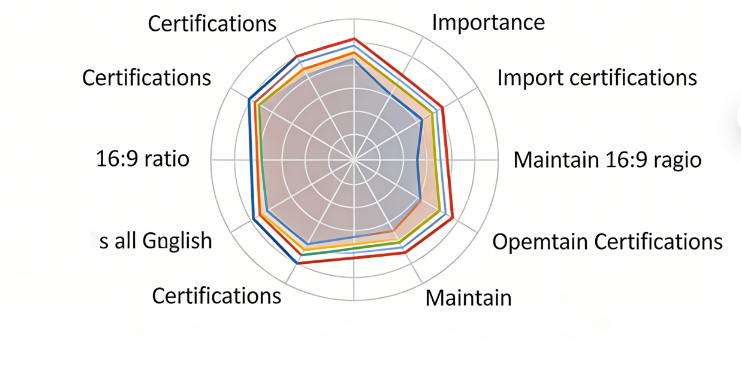
Keyword: Quality Management System
ISO 9001 is not product-specific but ensures that the manufacturer follows a consistent quality management system.
Why it matters:
▪️ Indicates reliable production processes
▪️ Reduces defect rates
▪️ Builds long-term trust with B2B buyers
Best for:
▪️ Bulk buyers
▪️ Long-term distributors
▪️ Private label brands
Keyword: Third-Party Product Testing
SGS and Intertek are globally recognized testing agencies that provide independent quality and safety reports.
Why it matters:
▪️ Confirms product quality before shipment
▪️ Reduces risk for importers
▪️ Often required by large retailers
Best for:
▪️ Supermarkets
▪️ Chain stores
▪️ High-volume importers
Keyword: EU Conformity Mark
Although CE marking is not always required for clothing, it may apply if shapewear includes special functional materials (e.g., heating elements).
Why it matters:
▪️ Required for certain functional apparel
▪️ Mandatory for EU compliance in specific cases
Best for:
▪️ Smart or thermal shapewear products
In the global shapewear business, certifications are more than compliance—they are a powerful selling point. They help you enter stricter markets, win trust from large buyers, and reduce operational risks.
For distributors, wholesalers, and private label brands, working with certified suppliers is one of the smartest ways to scale your business sustainably and competitively.


 EN
EN